

OBD-II Code U1639: Network Communication Failure
What U1639 means, why it triggers, and how to fix it
- Test and fully charge your 12V battery first; a voltage drop below 12.2V is the root cause of code U1639 in over 80% of cases.
- Do not replace the Brake System Control Module (BSCM) immediately; this code indicates a temporary loss of communication, not a hardware failure.
- Perform a Battery Monitoring System (BMS) reset using a scan tool when installing a new battery on vehicles 2012 and newer to prevent immediate code return.
- Check for parasitic drains exceeding 50 milliamps if the code appears after installing aftermarket accessories or leaving doors open during detailing.
What Does U1639 Mean?
Code U1639 indicates a communication failure between your car's computers. It triggers most often when the Brake System Control Module (BSCM) loses contact with other modules due to low battery voltage. Vehicle computers require stable voltage to communicate; when voltage drops, they log network errors.
Technical definition: U1639 is a manufacturer-specific J1939 network code indicating the Brake System Control Module (BSCM) detected invalid data or lost communication on the Controller Area Network (CAN). This is a symptom of a system-wide low voltage event disrupting normal module communication, not a BSCM hardware failure.
Can I Drive With U1639?
Yes, But With Caution. You can drive short distances to a safe location, but exercise extreme caution. This code frequently disables critical safety systems like ABS and traction control, causing a hard brake pedal and significantly reduced braking performance. Ignoring this is dangerous in wet or emergency conditions. Continuing to drive with severe electrical issues damages sensitive electronics like the ABS module, a repair costing over $1,200.
Common Causes
- Weak or Dead 12V Battery (Very Common) — The most frequent cause. Modern vehicles require precise voltage. When the battery weakens, it fails to provide stable power for computer modules to communicate, setting network fault codes like U1639.
- Faulty Alternator or Charging System (Common) — If the alternator fails to recharge the battery while the engine runs, the battery weakens and starves the vehicle's modules of power, triggering communication errors.
- Parasitic Electrical Drain (Common) — A component failing to 'go to sleep' when the car is off slowly drains the battery, causing low voltage on startup. Common culprits include aftermarket accessories, failed Over-the-Air (OTA) software updates, or a faulty Body Control Module (BCM).
- Corroded or Loose Battery Terminals/Grounds (Common) — Poor connections at the battery terminals or a corroded main ground strap prevent sufficient voltage from reaching the electrical system, mimicking a dead battery.
- Brake System Control Module (BSCM) Software Anomaly (Less Common) — A software glitch in the BSCM causes it to set communication codes incorrectly after shutdown. This requires a dealership software update.
- CAN Bus Wiring or Terminator Fault (Rare) — If the battery and charging system are perfect, a physical break, short circuit, or failed terminating resistor on the Controller Area Network (CAN) disrupts all communication.
Symptoms
- Multiple Warning Lights on Dash — Drivers see a 'Christmas tree' effect with brake system, ABS, and traction control warnings appearing simultaneously.
- Vehicle Won't Start or Cranks Slowly — Points directly to a weak or dead battery, the root cause of U1639.
- Reduced Brake Performance — Causes a very hard brake pedal and increased stopping distances because power-assist and ABS features are disabled.
- Erratic Electrical Behavior — Causes flickering lights, windows requiring re-indexing, or 'Service Electronic Braking System' messages.
- Check Engine Light is On — The primary alert that the vehicle stored a fault code.
Diagnostic Flowchart
Tap your situation to follow the diagnostic path that matches what you're seeing on this code.
Common Fixes & Costs
- Replace 12V Battery — Parts: $150-$300 for a quality AGM battery, Labor: $50-$150, including battery registration/BMS reset, ~0.8 hr book time (DIY)
- Replace Alternator — Parts: $250-$500, Labor: $150-$300, ~2 hr book time (Intermediate)
- Perform Parasitic Draw Diagnosis and Repair — Parts: $0-$50 for a relay or fuse, Labor: $150-$450 for diagnosis (1-3 hours) plus repair time, ~2.5 hr book time (Professional)
- Update Control Module Software — Parts: $0, Labor: $150-$250 (typically 1-1.5 hours of labor at a dealership), ~1.2 hr book time (Professional)
- Repair CAN Bus Wiring / Replace Terminating Resistor — Parts: $10-$50 for wiring or a resistor, Labor: $250-$600 for complex diagnostic time to locate the specific point of failure in the harness, ~3.5 hr book time (Professional)
Used vs. New Parts: Buying Guide
When a used part is worth it: Buying a used 12V battery is only recommended as a temporary fix to get a car running to sell it, or for non-critical hobbyist projects.
Donor quality checklist:
- Check the date code sticker; avoid batteries older than 1-2 years.
- Inspect for physical damage, case swelling, or terminal corrosion.
- Buy from a reputable seller offering a load test and a 30-90 day warranty.
Decision logic:
- If The vehicle is your daily driver or newer than 10 years → Buy a new battery. The savings are not worth the risk of being stranded.
- If The vehicle is very old and you plan to sell it within 1-3 months → A tested, used battery is a cost-effective stopgap.
- If The budget is extremely tight and the only alternative is not driving → A used battery is a high-risk option. Expect a very short lifespan.
Warranty tradeoff: Used batteries offer a 30-90 day warranty at best. New batteries include a 2-4 year free replacement warranty, providing significant long-term value.
Worst-case if a used part fails: $150-$500 if the used battery fails unexpectedly, factoring in a tow and the eventual need to buy a new battery.
What Happens If You Wait — Timeline
- 0-1 month: Code U1639 sets after a low-voltage event. Dash lights up with warnings for ABS/Brake systems. May experience a no-start or slow crank. No permanent damage yet. (MPG impact: 0%% · Added cost: $0-$250 for a tow or jump-start service if stranded.)
- 1-4 months: Continuing to jump-start or drive with a weak battery puts constant, heavy load on the alternator, significantly shortening its life. (MPG impact: 0%% · Added cost: $500-$1000 for premature alternator failure.)
- 4-12 months: Chronically low system voltage causes logic errors in control modules. A failing lead-acid battery leaks acid, causing corrosion to wiring harnesses and nearby components. (MPG impact: 0%% · Added cost: $200-$600 in labor to clean corrosion and repair damaged wiring.)
- 12+ months: Sustained operation with unstable voltage leads to permanent failure of a control module like the BCM or ABS module, requiring full replacement and programming. (MPG impact: 0%% · Added cost: $800-$2500 for the replacement and programming of a critical control module.)
Cost of Not Fixing It
- Immediate: Being stranded due to a no-start condition. Disabled safety systems like ABS and traction control increase accident risk. (Added cost: $75-$250 for a tow or roadside assistance)
- 1-6 months: Chronically driving with a weak battery puts excessive strain on the alternator, leading to premature failure. (Added cost: $500-$1000 for alternator replacement)
- 6+ months: Sustained low voltage permanently damages sensitive electronic control modules (BCM, PCM, ABS). Battery acid leaks corrode wiring. (Added cost: $800-$2500+ for module replacement and wiring repair)
Diagnosis Steps
- Check and Charge the Battery
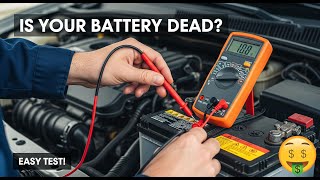
Use a multimeter to check battery voltage with the car off. A healthy battery reads 12.4V to 12.6V. Anything below 12.2V is significantly discharged. Fully charge it with a multi-stage battery charger.
Tools: Multimeter, Battery Charger (Beginner) - Test the Battery and Charging System
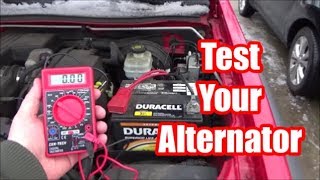
Have the battery professionally load tested to ensure it holds amperage under load. With the engine running, verify the alternator charging voltage at the battery terminals is between 13.7V and 14.7V. Readings outside this range indicate a charging system fault.
Tools: Professional Battery/Charging System Tester, Multimeter (Beginner) - Inspect Battery Terminals and Grounds
Check terminals for white or blue corrosion. Clean them thoroughly with a wire brush. Ensure the main negative battery cable connection to the chassis is clean and tight.
Tools: Wrenches, Wire Brush, Safety Glasses (Beginner) - Perform a Parasitic Draw Test
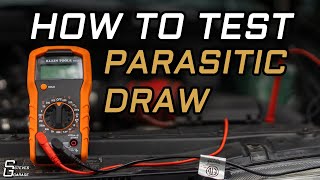
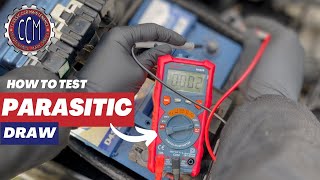
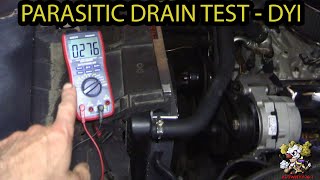
If the battery keeps dying, place a multimeter in series with the negative battery cable to measure current draw after modules sleep (wait 60 minutes). A reading over 50 milliamps (0.05A) indicates a parasitic drain. Pull fuses one by one to isolate the faulty circuit.
Tools: Multimeter with 10A setting, Wrenches, Fuse Puller (Intermediate) - Clear Codes and Test Drive
After confirming healthy voltage, use an OBD-II scanner to clear fault codes. Drive the vehicle to see if U1639 returns. If it stays off, the issue was a temporary low voltage state.
Tools: OBD-II Scanner (Beginner) - Check for Technical Service Bulletins (TSBs)
Search for manufacturer TSBs related to U1639. Manufacturers frequently issue software updates to fix module glitches causing this code.
Tools: Internet Access, Vehicle VIN (Intermediate) - Pro Tip: CAN Bus Resistance Check
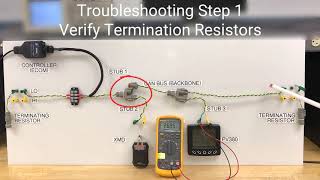
Disconnect the battery. Measure resistance between OBD-II Pin 6 (CAN High) and Pin 14 (CAN Low). A healthy bus reads 60 Ω. A 120 Ω reading indicates an open circuit or missing terminating resistor. 0 Ω indicates a short.
Tools: Multimeter, OBD-II Breakout Box (Advanced) - Pro Tip: CAN Bus Voltage Check & Scope Analysis
With ignition on, check voltages. CAN High (Pin 6) should be 2.6-2.7V; CAN Low (Pin 14) should be 2.3-2.4V. Use an oscilloscope to verify a clean, mirror-image square wave pattern. Distorted patterns reveal shorts or interference.
Tools: Multimeter, Oscilloscope, OBD-II Breakout Box (Advanced) - Advanced: Scan Tool Live Data Analysis
Monitor live data PIDs for the Battery Management System (BMS). Watch 'Battery State of Charge (SOC) %' and 'Generator Output'. Inaccurate SOC readings point to a faulty BMS sensor requiring a reset or replacement.
Tools: Professional OBD-II Scan Tool (Advanced)
When This Code Triggers (Freeze-Frame Conditions)
- Control Module Voltage: 9.5V - 11.5V (During engine crank or immediately after startup)
- Engine RPM: 0 - 400 RPM (Code sets before the engine runs or during a slow crank)
- Time Since Engine Start: 0 - 10 seconds (Fault logs during the initial power-up sequence of the modules)
- Ambient Air Temperature: < 40°F (Low temperatures reduce battery performance, triggering low-voltage events)
Related Codes
- P25A2 — The most common companion code, meaning 'Brake System Control Module A Requested MIL Illumination.' U1639 is the cause (lost communication), and P25A2 is the result (turning on the Check Engine Light). Fix the U1639 cause first.
- U1610 — Another network code indicating a communication issue caused by low system voltage. Seeing U1610 and U1639 together strongly reinforces a battery or charging system problem.
- U0073 — A severe code for 'Control Module Communication Bus A Off.' U1639 implies partial data loss, while U0073 signifies the entire main communication network shut down.
- U0100 — Indicates 'Lost Communication With ECM/PCM.' U0100 points specifically to the engine computer, while U1639 is systemic low voltage affecting the brake module's network access.
Climate & Environmental Factors
- Cold Weather: A primary trigger. Cold temperatures significantly reduce a battery's current capacity. A weak battery fails to provide the minimum voltage required during a cold start, triggering communication codes like U1639.
- High Humidity: High humidity accelerates corrosion on battery terminals and ground straps. This corrosion adds resistance, causing voltage drops that mimic a failing battery and lead to communication faults.
- Short Trip Driving: Frequent short trips prevent the alternator from fully recharging the battery. Over time, this creates a chronically undercharged battery susceptible to low-voltage codes.
How to Talk to a Mechanic About This Code
Say this: "I have a U1639 network communication code and multiple warning lights that appeared after a slow start. Please perform a battery load test, charging system check, and a parasitic draw test before recommending any module replacements."
Signals you understand the code's common causes. It directs the technician to perform basic electrical tests first, preventing them from jumping to an expensive and incorrect conclusion like a failed ABS module.
Avoid saying:
- 'Just fix whatever's wrong'
- 'My check engine light is on, can you look at it?'
- 'The internet says I need a new brake module'
- 'Whatever you recommend'
Questions to ask before authorizing the repair:
- What were the results of the battery load test, specifically the measured Cold Cranking Amps versus its rating?
- What was the alternator's output voltage at the battery with the engine running?
- If you found a parasitic draw, what was the measurement in milliamps and which circuit was it on?
- If you are recommending a module replacement, how have you definitively ruled out a power, ground, or wiring issue to that module?
- Can you provide me with the old parts if a replacement is made?
Where to Take It: Dealer vs Independent vs Chain
- Dealer:
Use for warranty work or confirmed software updates; otherwise, start with an independent shop.
Best for: Vehicles still under warranty, Cases where a known manufacturer-specific Technical Service Bulletin (TSB) requires a software update, Complex network wiring diagnostics after all basic electrical tests have failed
Downsides: Highest labor rates, typically 1.5-2x more than independent shops., Quick to suggest expensive module replacement without exhausting simpler diagnostic steps. (Typical cost: +50% vs. baseline) - Independent Shop:
Best fit. The vast majority of U1639 issues are basic electrical problems that any competent independent shop can diagnose and fix cost-effectively.
Best for: Initial diagnosis of all out-of-warranty vehicles., Battery and charging system testing and replacement., Parasitic draw diagnosis, which is a fundamental electrical skill.
Downsides: Quality varies; look for shops with good reviews and ASE certifications specializing in electrical work., May lack expensive, manufacturer-specific tools for software updates. (Typical cost: +0% vs. baseline) - Chain Shop:
Acceptable for a free battery test. If a new battery doesn't solve the problem, go to a trusted independent shop instead of letting them replace other parts.
Best for: Free or low-cost battery testing and straightforward battery replacement.
Downsides: Technician skill varies dramatically., Lack the training and time for proper parasitic draw or complex electrical diagnosis., High pressure to sell parts leads them to miss underlying issues like a failing alternator. (Typical cost: -10% vs. baseline)
When to Walk Away From the Repair
If the estimated repair cost exceeds 50% of the car's private-party value, seriously consider selling or trading in the vehicle.
- Car worth $4000, fix is $600: Fix it. A new battery and alternator is far cheaper than a new car payment.
- Car worth $12000, fix is $1500: Fix it. This is well below the threshold, even for a worst-case module replacement.
- Car worth $2500, fix is $1500: Walk away. A repair costing 60% of the car's value is a poor investment.
What Scan Tool You Need for This Code
Minimum: A basic OBD-II reader that reads and clears generic and manufacturer-specific 'U' codes and shows live data for module voltage.
A $20 code reader won't show live system voltage critical for diagnosis, nor will it perform a Battery Management System (BMS) reset required on modern vehicles.
Budget: BlueDriver Pro (~$99) — Reads and clears fault codes and shows live data graphing for parameters like 'Control Module Voltage', allowing you to see voltage drops in real-time.
Mid-range: Foxwell NT510 Elite (~$180) — Includes all budget features plus critical service functions like 'Battery Registration' or 'BMS Reset', essential for Ford, BMW, and other makes.
Professional: Autel MaxiCOM MK808BT (~$450) — Offers full wireless diagnostics, BMS reset, and bi-directional control. Allows you to command modules to turn on/off to isolate parasitic draws without pulling fuses.
Rent vs buy: For a one-time code clear, use a free service from an auto parts store. For actual diagnosis or a BMS reset, you must buy a scanner, as rental tools lack these special functions.
How to Clear the Code After You Fix It
- Ensure new battery is fully charged and terminals are secure
- Use an OBD-II scan tool to perform a 'Clear All Codes' function
- Perform the Battery Monitoring System (BMS) reset procedure if applicable
- Perform a complete drive cycle to allow readiness monitors to run
Drive cycle (~30 minutes): Cold start (sit for 8+ hours). Idle for 2-3 minutes with electrical loads on (A/C, defroster). Drive 10 minutes in stop-and-go city traffic. Drive 15 minutes at steady highway speed (55-60 mph). Let vehicle cool down.
Readiness monitors affected: Catalyst Monitor, Evaporative System Monitor, Oxygen Sensor Monitor
Before emissions retest: drive at least 50 miles to fully set monitors.
Watch out for:
- Disconnecting the battery clears the code but resets all readiness monitors, guaranteeing an emissions test failure.
- The code returns immediately if the root cause (weak battery, bad alternator, parasitic draw) is not fixed.
- Skipping the BMS reset on modern vehicles causes improper charging of the new battery and a rapid return of the fault.
Will This Fail Emissions / State Inspection?
Yes — this code typically fails an OBD-II emissions inspection.
- California: An active Check Engine Light results in an automatic Smog Check failure. After repair, a full drive cycle must be completed to set readiness monitors before a retest.
- New York: An illuminated Check Engine Light automatically fails the emissions inspection. Clearing the code right before the test results in failure because readiness monitors are not set.
- Texas: In emissions-testing counties, an active Check Engine Light causes an OBD-II test failure. Readiness monitors must be in the 'Ready' state to pass after repairs.
Most Commonly Affected Vehicles
- Chevrolet Colorado (2023-2025) — Prone to battery drain issues triggering U1639, P25A2, and U1610, along with 'Brake System Failure' warnings. Often linked to failed Over-the-Air infotainment updates.
- Chevrolet Corvette (C8) (2020-2025) — Frequently sets this code after the battery drains from leaving doors open during service (like a PPF wrap). Resolved by charging the battery and clearing codes.
- Chevrolet Silverado (2019-2025) — Battery management system issues and low voltage states are common, causing a flood of network codes, including U1639. Proper battery replacement and BMS reset are critical.
- Ford F-150 (2015-2025) — Displays multiple system faults and network codes when battery charge is low. Performing the Battery Monitoring System (BMS) reset is critical after replacement. See TSBs 21-2097, 23-2130, and 24-2442.
- Ram 1500 / 2500 / 3500 (2013-2025) — Displays a 'Service Electronic Braking System' warning with network codes due to low voltage. Diagnosis must always start with the battery.
- Toyota Camry, Tacoma, Highlander (2018-2025) — Presents as a 'Pre-Collision System Malfunction' or 'Brake Override Malfunction' warning. The root cause is identical to U1639 triggers: a weak battery or low system voltage.
- BMW 3-Series, 5-Series, X3, X5 (2012-2025) — Highly dependent on proper power management. Failing to 'register' a new battery causes the Intelligent Battery Sensor (IBS) to overcharge it, leading to premature failure and U-series faults.
- Cadillac XT4, XT5, Escalade (2019-2025) — Shares GM's sensitivity to low voltage and software anomalies in the Brake System Control Module that trigger U1639.
- Acura MDX, RDX, TLX (2016-2025) — Displays a 'Christmas tree' of warning lights for safety systems when the battery fails, accompanied by 'Network Communication Lost' messages.
Manufacturer-Specific Notes
- General Motors (Chevrolet, GMC, Cadillac): GM vehicles are highly susceptible to setting U1639 after a battery drain. GM has issued numerous service bulletins (e.g., 20-NA-136, PIT5735C) for software anomalies requiring dealer-installed updates.
- Ford: Ford uses a Battery Monitoring System (BMS) that must be reset when replacing the battery. Failing to reset it causes undercharging and a rapid return of low voltage codes. Ford has issued multiple TSBs for battery drain issues.
- Stellantis (Ram, Dodge, Chrysler, Jeep): Ram trucks display 'Service Electronic Braking System' warnings triggered by low battery voltage. Verify all power and ground inputs before suspecting the expensive ABS Hydraulic Control Unit (HCU).
- BMW: A new battery MUST be 'registered' with the vehicle's computer. Failing to register it causes the Intelligent Battery Sensor (IBS) to overcharge the battery, drastically shortening its life and causing chronic communication faults.
- Honda / Acura: Sets a cascade of U-codes and safety system warnings when the battery is weak. Some models have known issues with loose connectors on the MOST network bus causing intermittent 'Network Communication Lost' errors.
Real Owner Stories
2023 Chevrolet Colorado with 950 miles
Truck required a jump-start. After starting, the dash displayed 'Brake System Failure' and the driver experienced a very hard brake pedal with severely reduced braking power.
Outcome: The root cause was a completely dead battery. The low voltage event caused the Brake System Control Module to log communication faults (U1639, U1610, P25A2). Charging the battery and clearing codes restored normal operation.
Lesson: A sudden 'Brake System Failure' warning on a modern GM truck after a jump-start is a classic symptom of low voltage. Always test and charge the battery before suspecting brake hardware failure.
2025 Chevrolet Corvette C8 after PPF installation
Owner picked up a new Corvette from a Paint Protection Film (PPF) shop. The battery was low, the Check Engine Light was on, and OnStar reported code U1639.
Outcome: The PPF installers left the doors open for an extended period, draining the battery. The low voltage triggered the communication fault. Charging the battery allowed the system to reset.
Lesson: Service work requiring doors to be open for hours is a common trigger for battery drain and U-codes. If a code appears right after such service, fully charge the battery first.
Ford F-150 with recurring U1639 and other U-codes
Owner experienced a 'Christmas tree' of warning lights and multiple communication codes. Replaced the ABS module based on a mechanic's advice, but the problem returned.
Outcome: The test revealed a 200mA draw isolated to the infotainment circuit. A faulty aftermarket phone charger left plugged into an always-on 12V outlet was the culprit. Removing the charger resolved the issue permanently.
Lesson: Never replace an expensive control module for a U-code without exhaustively ruling out power supply issues. U1639 means the module lost communication, not that it failed.
How to Prevent This Code From Triggering
- Use a battery tender or maintainer (Anytime the vehicle will sit for more than one week) — Modern cars create a constant power drain. A battery tender keeps the battery fully charged and prevents sulfation that occurs when voltage drops below 12.4V.
- Replace the 12V battery proactively (Every 3-5 years, regardless of symptoms) — Car batteries are consumable items. Replacing them prevents being stranded and avoids voltage sags that set codes like U1639 and stress other electronics.
- Clean battery terminals and check connections (Annually or at every oil change) — Corrosion acts as an insulator, preventing the battery from charging properly and delivering high amperage for starting, mimicking a weak battery.
- Take a longer drive at least once a week (Weekly, if you primarily drive short trips) — Short trips under 15 minutes prevent the alternator from fully replenishing the charge lost during starting, leading to a chronically undercharged battery.
- Ensure professional installation of aftermarket electronics (During any installation of alarms, remote starters, or audio systems) — Improperly wired accessories are a leading cause of parasitic drains. Professionals connect to circuits that power down when the ignition is off.
Frequently Asked Questions
Can I just clear the U1639 code and keep driving?
You can clear the code, but it will return if the underlying weak battery isn't fixed. Driving with active brake system warnings is dangerous because power brake assist and ABS are disabled. Fix the root cause before driving normally.
Why did my car show a brake failure after getting a jump-start?
A dead battery logs communication faults across multiple modules, triggering the brake failure warning. The jump-start provides enough power to start the car, but the codes remain stored. Fully charge the battery and clear the codes to restore normal function.
My car was fine until I had it detailed/wrapped, and now it has a brake failure warning. What happened?
Detailers often leave doors open for extended periods, draining the 12V battery. The resulting low voltage triggers the U1639 communication fault on the next startup. Fully charge and load test the battery to resolve the issue.
I replaced the ABS/Brake Module but the code came back. What now?
Code U1639 indicates a loss of communication, rarely a failed brake module. You likely replaced a perfectly good part due to a misdiagnosis. Focus on load testing the battery, verifying alternator output, and checking for parasitic draws.
The auto parts store said my battery is good, so what's wrong?
A simple voltage check misses underlying capacity issues; the battery requires a proper load test. Alternatively, an intermittent parasitic drain kills the battery overnight, or a faulty alternator fails to recharge it while driving. The battery is being drained by another vehicle problem.
Do I have to go to the dealer to fix this?
Most U1639 codes stem from battery issues that any independent shop can diagnose and fix. However, if the cause is a software glitch requiring a module update, you must visit a dealership. Start with an independent shop for basic electrical testing.
How can I prevent code U1639 from happening?
Maintain your battery by using a battery tender if you take frequent short trips or park the car for long periods. Replace your battery every 3-5 years as preventative maintenance. Ensure professionals install any aftermarket electronics to prevent parasitic drains.
What is a 5-volt reference circuit and how does it relate to U1639?
A 5-volt reference circuit is a stable power supply sent from a control module to various sensors. If this circuit shorts, it causes sensors to send invalid data and disrupts network communication. A fault on a shared 5V circuit triggers network-wide issues like U1639.
Key Takeaways
- Test and fully charge your 12V battery first; a voltage drop below 12.2V is the root cause of code U1639 in over 80% of cases.
- Do not replace the Brake System Control Module (BSCM) immediately; this code indicates a temporary loss of communication, not a hardware failure.
- Perform a Battery Monitoring System (BMS) reset using a scan tool when installing a new battery on vehicles 2012 and newer to prevent immediate code return.
- Check for parasitic drains exceeding 50 milliamps if the code appears after installing aftermarket accessories or leaving doors open during detailing.
Helpful Videos

![Avoid Expensive Shop Repairs: DIY Reset the Ford Vehicle Battery Monitoring System [BMS]](https://img.youtube.com/vi/QTtb7rKaZTE/mqdefault.jpg)
Shop the Parts Behind U1639
Below are the parts most often responsible for code U1639, ranked by how frequently each one is the actual culprit (per the diagnosis above). Tap any to see what we have for your vehicle.



The information in this article is provided for general reference and educational purposes only. Vehicle specifications, procedures, and part compatibility can vary by production date, trim level, and region. Always consult your vehicle's factory service manual and verify part numbers before purchasing or performing repairs. Safety-critical components such as airbags, seat belts, and braking systems should be installed by a qualified professional.
- 🧭 Diagnostic Flowchart
- 🎬 Helpful Videos
- 🛍️ Shop This Part
- What Does U1639 Mean?
- Can I Drive With U1639?
- Common Causes
- Symptoms
- Common Fixes & Costs
- Used vs. New Parts: Buying Guide
- What Happens If You Wait — Timeline
- Cost of Not Fixing It
- Diagnosis Steps
- When This Code Triggers (Freeze-Frame Conditions)
- Related Codes
- Climate & Environmental Factors
- How to Talk to a Mechanic About This Code
- Where to Take It: Dealer vs Independent vs Chain
- When to Walk Away From the Repair
- What Scan Tool You Need for This Code
- How to Clear the Code After You Fix It
- Will This Fail Emissions / State Inspection?
- Most Commonly Affected Vehicles
- Manufacturer-Specific Notes
- Real Owner Stories
- 2023 Chevrolet Colorado with 950 miles
- 2025 Chevrolet Corvette C8 after PPF installation
- Ford F-150 with recurring U1639 and other U-codes
- How to Prevent This Code From Triggering
- Frequently Asked Questions
- Can I just clear the U1639 code and keep driving?
- Why did my car show a brake failure after getting a jump-start?
- My car was fine until I had it detailed/wrapped, and now it has a brake failure warning. What happened?
- I replaced the ABS/Brake Module but the code came back. What now?
- The auto parts store said my battery is good, so what's wrong?
- Do I have to go to the dealer to fix this?
- How can I prevent code U1639 from happening?
- What is a 5-volt reference circuit and how does it relate to U1639?
- Key Takeaways
- 🎟️ Get 5% Off