

U1885 on 2021 Jeep Wrangler: Battery Module Communication Loss Causes & Fixes
On a 2021 Jeep Wrangler 4xe, code U1885 means the Battery Energy Control Module (BECM) has lost communication with the Hybrid Control Processor (HCP). This is almost always caused by a software issue that requires a dealer-performed multi-module update per TSB 08-048-23. In rarer cases, often paired with code P0BBD, it indicates a failing high-voltage battery pack requiring replacement.
- U1885 on a 2021 Wrangler 4xe means there's a communication problem in the high-voltage battery system.
- Do not drive the vehicle; it may shut down unexpectedly. Have it towed to a Jeep dealer.
- The most likely cause is a software glitch. The fix is a dealer-installed update for multiple control modules, often covered by a TSB or warranty.
- This code is a serious safety concern and is not a DIY repair due to the high-voltage system.
- The code is often accompanied by other battery-related DTCs, which can help pinpoint if the issue is software or a more serious hardware fault within the battery pack.
What's Unique About the 2021-2021 Jeep WRANGLER
This code is exclusive to the Jeep Wrangler 4xe (PHEV) model. The 4xe platform has been subject to numerous software updates, TSBs, and recalls related to its complex hybrid powertrain control. Code U1885 is frequently cited in manufacturer bulletins as being caused by software glitches that can trigger a false Malfunction Indicator Lamp (MIL). The fix is often not a hardware replacement but a comprehensive software update of multiple control modules, a pattern seen across Stellantis's 4xe and PHEV lineups.
Diagnostic Flowchart
Tap your situation to follow the diagnostic path that matches what you're seeing on this vehicle.
Symptoms You May Notice
- Check Engine Light (Malfunction Indicator Lamp, MIL) is on
- Hybrid system warning lights on the dashboard
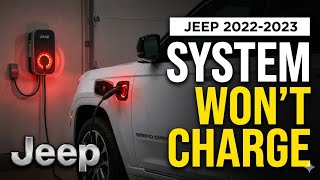
- "Service Charging System" message on the instrument cluster 🎬 Watch: Diagnosing and fixing the Service Charging System error
- Vehicle enters a reduced power or "limp" mode
- Inability to charge the high-voltage battery
- Loss of hybrid or electric-only driving modes
- Vehicle may shut down while driving or fail to start
- Max Regen mode becomes unavailable
- Unexpected engine starts while driving in electric mode
- Replacing the high-voltage battery pack when only a comprehensive, multi-module software update is needed.
- Assuming the U1885 code is the root cause, when it is often a symptom of an internal battery fault flagged by code P0BBD.
Most Likely Causes
- Control Module Software Glitch 🔴 High Probability Jeep has issued multiple TSBs and Rapid Service Updates (RSUs) to address software issues in the Battery Pack Control Module (BPCM) that cause false communication codes, including U1885. These glitches can also arise from an incomplete or improperly sequenced previous software update.
How to confirm: A Jeep dealer must use a wiTECH scan tool to check the current software versions of the BPCM, HCP, and other related modules against the latest available versions specified in service bulletins like TSB 08-048-23.
Typical fix: Reprogramming multiple modules in a specific order: the BPCM, HCP/AHCP, PCM, IDCM, and TCM with the latest software versions as outlined in TSB 08-048-23. 🎬 See this walkthrough of the real fix for charging warnings This is a dealer-only procedure. Failure to update all modules in the correct sequence can cause the code to persist or return.
Est. part cost: $0
Rare But Worth Checking
- Failing High-Voltage Battery Component: → Shop Vehicle Battery While less common than a software bug, an actual internal fault in the high-voltage battery pack (such as voltage irregularities between cells or a failing cell supervisory circuit) can cause the control modules to shut down communication as a safety precaution. This often sets other codes like P0BBD ('Hybrid Battery Pack Voltage Variation Exceeded') alongside U1885, with P0BBD indicating the root cause. The fix is a complete replacement of the high-voltage battery pack assembly, which can have long lead times.
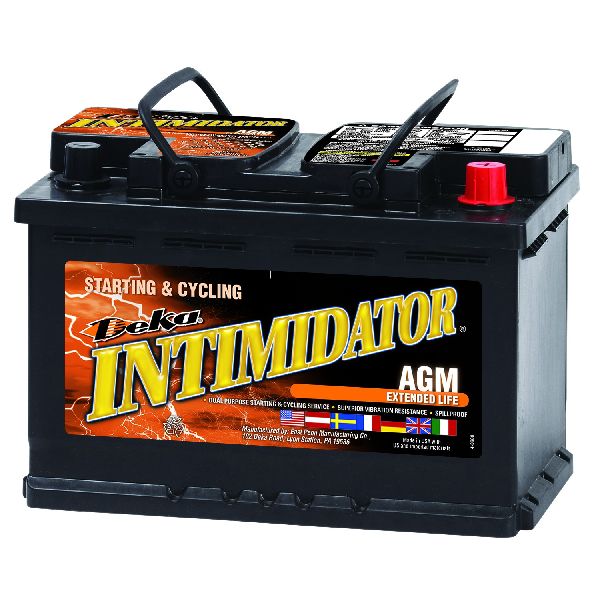
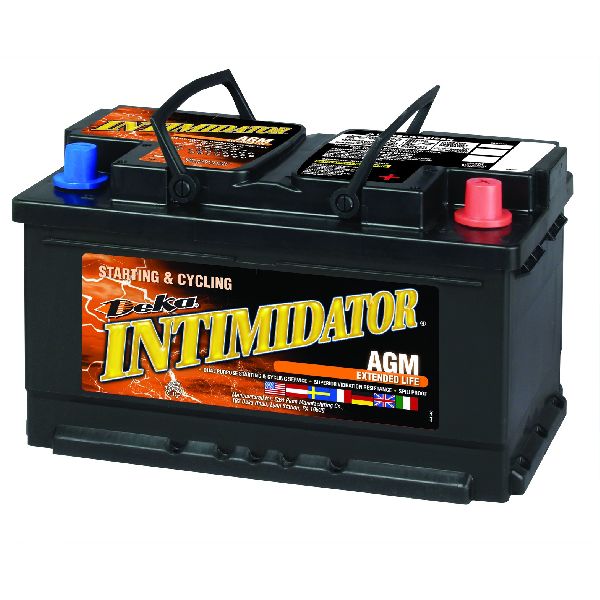
- Low 12V Battery Voltage: → Shop Vehicle Battery A weak or failing 12V battery can cause unpredictable communication errors between various modules on the vehicle, including the hybrid system controllers. Before extensive hybrid system diagnosis, the health of the 12V battery should always be verified.
- Wiring or Connector Issue: Damage to the CAN bus wiring harness or a corroded/loose connector between the BECM and HCP could interrupt communication, though this is far less common than software or internal battery failure for this specific code.
Diagnosis Steps
- Verify the complaint and check for any warning messages on the dash, such as 'Service Charging System'.
- Connect a dealership-level scan tool (wiTECH) to the vehicle.
- Scan all modules for Diagnostic Trouble Codes (DTCs). Pay close attention to any codes stored alongside U1885, especially P0BBD in the BPCM.
- Check for applicable Technical Service Bulletins (TSBs) or Recalls using the vehicle's VIN. Specifically look for TSB 08-048-23 and any related RSUs (Rapid Service Updates).
- If TSB 08-048-23 is applicable, perform the reprogramming of all specified modules (BPCM, HCP, PCM, IDCM, TCM) in the correct sequence. This is the most common fix.
- If no software update is available or the code returns, diagnose the accompanying codes (like P0BBD) following the factory service manual. This will likely lead to testing the high-voltage battery, which may result in recommending a battery pack replacement.
- Inspect the 12V battery to ensure it is fully charged and healthy, as low voltage can cause network issues.
- As a last resort, inspect the wiring and connectors between the Battery Energy Control Module and the Hybrid Control Processor for any visible damage or corrosion.
Parts You'll Likely Need
- Control Module Software Update — This is the most frequent cause and solution for U1885 on the Wrangler 4xe, as documented in TSB 08-048-23.
OEM price range: $0 (if under warranty/recall/TSB)
Aftermarket price range: N/A - High-Voltage Battery Pack Assembly
(OEM #68488244AA, 68540591AA, 68540591AB (superseded), R8488244AB (remanufactured))— Required when code P0BBD is present and software updates do not resolve the issue, indicating an internal, unserviceable battery fault.
Trusted brands: Mopar
OEM price range: $15,000+
Aftermarket price range: N/A
Related Codes That Often Appear With This One
- P0BBD-00 — Hybrid Battery Pack Voltage Variation Exceeded Limit. This code is a strong indicator of an internal battery failure. The system sets U1885 as a secondary code to shut down communication with the compromised battery pack for safety.
- P0EDD-00 — Hybrid/EV Battery Pack B Deterioration. Similar to P0BBD, this indicates a problem within the battery pack itself that can lead to the control module halting communication and setting U1885.
- U0111 — Lost Communication With Hybrid Battery Pack Sensor Module. This is another communication code within the same system, indicating a widespread data network issue, often stemming from the same software glitch or module failure that causes U1885.
- P167B-00 — Controlled System Shutdown. This code is set when the vehicle determines a serious fault exists (like the U1885 communication loss) and initiates a shutdown procedure for safety.
Technical Service Bulletins (TSBs) & Recalls
- 08-048-23: The primary TSB for this issue. It supersedes previous versions and involves reprogramming the BPCM, IDCM, PCM, HCP/AHCP, and TCM to fix false MIL illumination for U1885 and other codes.
- 08-054-22 REV. B: An earlier, superseded version of the TSB that also pointed to software as the cause for U1885.
- RSU 23-037 / 23-038: Rapid Service Updates related to the TSBs, indicating the urgency and widespread nature of the software fix for the BPCM and IDCM.
Platform-Specific Known Issues
- TSB 08-048-23 Software Update: The 2021 Wrangler 4xe is covered by TSB 08-048-23, which explicitly lists U1885 as a code that can be triggered by a software bug. The fix is to update the software for the BPCM, IDCM, PCM, HCP/AHCP, and TCM in a specific sequence.
- Owner Experience: Improper Flash Causes Codes: A Reddit user on r/4xe reported getting P0BBD and related codes after a dealer performed a recall update. The dealer's diagnosis found that the modules were not updated in the correct order as required by the TSB. After re-flashing the TCM and other modules correctly, the codes were resolved.
- High-Voltage Battery Recalls: → Shop Vehicle Battery This platform has been subject to several safety recalls for the high-voltage battery system, some of which involve software updates to better detect and prevent conditions that could lead to communication loss or fire. These recalls underscore the sensitivity of the battery management system.
- Owner Experience: Battery Replacement Saga: → Shop Vehicle Battery On JLWranglerForums, multiple owners report that the combination of U1885 and P0BBD ultimately led to a full high-voltage battery pack replacement under warranty. Owners have experienced long wait times (weeks to months) for the replacement part to arrive.
Mechanic-Grade Diagnostic Values
- CAN Bus Resistance — expected: Approximately 60 ohms between CAN_C (+) and CAN_C (-) pins at a module connector with the battery disconnected. Some forum users report measuring ~40 ohms on a healthy vehicle, suggesting the presence of a third terminating resistor.. Failure: Open circuit (infinite resistance) or a short to ground (0 ohms). A reading of 120 ohms indicates a break in the circuit to one of the two main terminating resistors.
- CAN Bus Voltage (Key On, Engine Off) — expected: CAN_C (+) pin: ~2.5 to 3.5 volts. CAN_C (-) pin: ~1.5 to 2.5 volts.. Failure: Voltages that are stuck high, stuck low, or do not mirror each other can indicate a short to power, short to ground, or a faulty module pulling the bus down.
- Ignition Off-Draw (IOD) — expected: A maximum of 30 mA after the vehicle has been allowed to 'sleep' for 90 minutes. A preferred reading is 15mA +/- 5mA.. Failure: A sustained draw higher than 30 mA indicates a module is not entering sleep mode correctly, which can cause low 12V battery voltage and lead to various communication DTCs.
Scan Tool Commands That Help
- wiTECH: Module Reprogramming/Flash — This is the primary repair for code U1885 per TSB 08-048-23. The wiTECH tool is used to update the software in the BPCM, HCP, AHCP, PCM, IDCM, and TCM in a specific, required sequence.
- wiTECH: Disable HV Battery Contactors — Located under the 'Misc Functions' tab, this command is a required safety step before performing certain diagnostic tests or software flashes on the high-voltage system to prevent injury or damage.
- wiTECH: HV battery insulation test — Available in the BPCM's Miscellaneous Functions menu, this routine forces the system to run a loss of insulation detection test. It is used when diagnosing potential internal battery faults that could be the root cause of the communication loss.
Wiring & Ground Locations
- High-Voltage Battery Pack / BECM — The high-voltage battery pack, which houses the Battery Energy Control Module (BECM), is located inside the passenger compartment, underneath the rear flip-up seat.. This is the location of the module (BECM) that is losing communication. Physical access is required for replacement, but not for software flashing.
- Hybrid Control Processor (HCP) / Power Inverter Module (PIM) — The HCP is part of the Power Inverter Module (PIM), which is located underneath the vehicle, typically protected by a skid plate.. This is the module that the BECM is failing to communicate with. The wiring harness between the under-seat battery and this under-body module could be a point of failure, though it is rare.
- Integrated Dual Charging Module (IDCM) — The IDCM is located underneath the vehicle, sandwiched between the driveshaft and the exhaust.. The IDCM is one of the key modules on the hybrid communication network. TSBs require it to be updated along with the BPCM and HCP to ensure software compatibility and prevent communication codes.
- Ground Points (General) — Multiple chassis ground points exist. Key locations include several studs on the passenger side of the engine bay near the 12V battery, on the driver's side near the brake booster, and inside the driver and passenger footwell kick panels.. A poor ground connection for any of the involved control modules (BECM, HCP) can cause intermittent communication issues and set U-codes.
Real Owner Repair Stories
- Reddit user on r/4xe (2021 Jeep Wrangler 4xe) — Check Engine Light with code P0BBD-00. The U1885 code was likely also present as a secondary code.
❌ Tried (didn't work) The owner took the vehicle to the dealer for a recall update (B9A), after which the code appeared.
✅ What actually fixed it The dealer found that during the previous recall update, the modules were not flashed in the correct order as specified by the TSB. The technician found the Transmission Control Module (TCM) software was not up to date, indicating the sequence was broken. Re-flashing the TCM and ensuring all other related modules (BPCM, AHCP, HCP) were updated correctly resolved the code. - JLWranglerForums user (Jeep Wrangler 4xe) — Check Engine Light, vehicle would not start, and later, would not charge. Code P0BBD-00 was present.
❌ Tried (didn't work) Initial dealer visit resulted in a software update, but the check engine light returned the next day., Dealer then suspected and removed 12V accessories, but the issue remained., Dealer then attempted to update all modules (BCM, trans, etc.) again in the hope it would solve the issue.
✅ What actually fixed it Another user in the same thread reported the identical symptoms (no charge, CEL) on their 4xe. After the dealer tried software fixes, the ultimate solution was a complete replacement of the high-voltage battery pack, after which the problem did not return for two years. The original poster's issue was still ongoing but trending towards a battery replacement.
OEM Part Supersession History
68540591AA→68540591AB— Part revision or update by the manufacturer. The 'AM' suffix (e.g., 68540591AM) often denotes a remanufactured part.
Heads up: Part number 68488244AA was also used for replacement HV batteries and was subject to a recall/buyback if assembled between September 2020 and March 2023. It is critical to use the latest superseded part number for replacement.
Helpful Videos

We Have This Part in Stock


The information in this article is provided for general reference and educational purposes only. Vehicle specifications, procedures, and part compatibility can vary by production date, trim level, and region. Always consult your vehicle's factory service manual and verify part numbers before purchasing or performing repairs. Safety-critical components such as airbags, seat belts, and braking systems should be installed by a qualified professional.
- Jeep WRANGLER:
- 🧭 Diagnostic Flowchart
- 🎬 Helpful Videos
- 🛍️ Shop This Part
- What's Unique About the 2021-2021 Jeep WRANGLER
- Symptoms You May Notice
- Most Likely Causes
- Rare But Worth Checking
- Diagnosis Steps
- Parts You'll Likely Need
- Related Codes That Often Appear With This One
- Technical Service Bulletins (TSBs) & Recalls
- Platform-Specific Known Issues
- Mechanic-Grade Diagnostic Values
- Scan Tool Commands That Help
- Wiring & Ground Locations
- Real Owner Repair Stories
- OEM Part Supersession History
- 🎟️ Get 5% Off