

OBD-II Code U1961: Control Module Security Malfunction
What U1961 means, why it triggers, and how to fix it
- Code U1961 flags a security communication failure on the CAN bus network, meaning a control module is locked out, not mechanically broken.
- For 2020+ GM vehicles, clear the code and let the car sit locked and undisturbed for 15 minutes to complete a 'sleep cycle' and resolve false triggers.
- Limit driving to repair shops only; this code disables critical safety systems like Anti-lock Brakes (ABS) and Electronic Stability Control (ESC).
- Test your 12V battery first; low voltage during engine cranking is the leading hardware cause of module initialization failures.
- Never replace an expensive control module without first verifying its power, ground, and CAN bus resistance (which should measure 60 Ohms at the OBD-II port).
What Does U1961 Mean?
Code U1961 means a control module failed its internal security check. Modern vehicles use a Controller Area Network (CAN bus) where computers constantly communicate and use a security handshake to verify legitimacy. When this handshake fails, the network flags the module as an untrusted device and cuts communication.
Technical definition: The official definition for U1961 is "Control Module Security Hardware Internal Malfunction". This indicates that a specific module on the vehicle's CAN bus failed a security self-test or handshake process, preventing it from communicating with other modules on the network.
Can I Drive With U1961?
Yes, But With Caution. You can drive, but do so with extreme caution. This code signifies a network fault that disables your Anti-lock Brakes (ABS) and Electronic Stability Control (ESC). This increases stopping distance on wet or gravel surfaces and removes the safety net that prevents skidding during emergency maneuvers. Limit driving to repair shops only.
Common Causes
- Temporary Software Glitch After Programming (Very Common) — On modern vehicles, especially from General Motors, this code sets by mistake after a module is programmed or updated. The code stores in error if the technician skips the final 'sleep cycle' and does not indicate a real hardware failure.
- Low Battery Voltage or Voltage Spikes (Very Common) — A weak battery provides insufficient voltage during startup, causing modules to initialize incorrectly and fail security checks. An improper jump-start or failing alternator also creates voltage spikes that damage sensitive control module electronics.
- Damaged or Corroded Wiring/Connectors (Common) — The CAN bus connects all modules. A frayed wire, short to power/ground, or corroded connector pin interrupts communication and causes security checks to fail. This is a primary failure point in 'Salt Belt' regions.
- Water Intrusion into a Module or Connector (Common) — Water leaking into the cabin or exposed components (tail light assemblies, ABS modules) causes severe circuit board and connector corrosion. This shorts the communication lines, causing widespread network faults.
- Improperly Installed Aftermarket Accessories (Common) — Improperly installed remote starters, alarms, stereos, or OBD-II insurance trackers interfere with the CAN bus. These devices disrupt communication or introduce voltage irregularities, leading to authentication failures.
- Failing Control Module (Less Common) — A hardware failure inside a control module (ABS, Instrument Panel Cluster, or Gateway Module) prevents secure communication.
- Failed "Over-The-Air" (OTA) Software Update (Less Common) — For connected cars, an interrupted wireless software update corrupts a module's programming, leaving it non-functional and triggering this security fault.
Symptoms
- Check Engine Light is On — The Malfunction Indicator Lamp (MIL) illuminates on the dashboard.
- ABS, Traction Control, or Stability Control Lights On — If the fault involves the Anti-lock Brake System (ABS) module, the ABS and traction/stability control warning lights illuminate.
- Erratic or Dead Gauges / Instrument Cluster — When the Instrument Panel Cluster fails or loses data, gauges stop working, needles stick, or the display goes blank.
- Vehicle Will Not Start — If the security handshake involves the powertrain, immobilizer, or body control modules, the vehicle fails to start or crank.
- Warning Messages on Information Display — The driver information center displays specific error messages like 'Service ABS System' or 'Service StabiliTrak'.
- Loss of Specific Features — Functions controlled by the failed module stop working. An offline Body Control Module disables power windows and interior lights; an offline ABS module disables cruise control.
- Multiple 'U' (Network) Codes Stored (scan-tool only — no driver-felt sign) — A scan tool reveals U1961 alongside other network codes like U0121 (Lost Communication with ABS) or U0140 (Lost Communication with BCM), pinpointing the faulty branch.
Diagnostic Flowchart
Tap your situation to follow the diagnostic path that matches what you're seeing on this code.
Common Fixes & Costs
- Clear Codes and Perform Vehicle Sleep Cycle — Parts: $0, Labor: $0 - $150, ~0.5 hr book time (DIY)
- Replace Battery and Clear Codes — Parts: $150 - $400, Labor: $50 - $150, ~0.8 hr book time (DIY)
- Remove Faulty Aftermarket Accessory — Parts: $0, Labor: $150 - $450, ~2.5 hr book time (Professional)
- Repair Damaged Wiring Harness or Connector — Parts: $10 - $50, Labor: $250 - $1,500, ~8.5 hr book time (Professional)
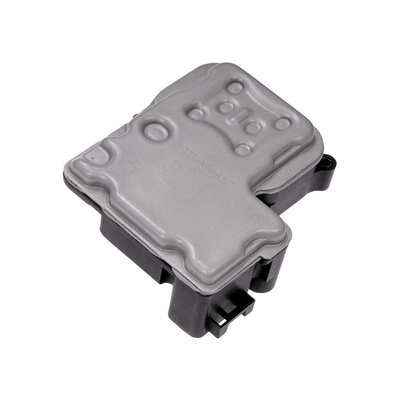
- Replace ABS Control Module — Parts: $300 - $1,500, Labor: $150 - $350, ~2.0 hr book time (Professional)
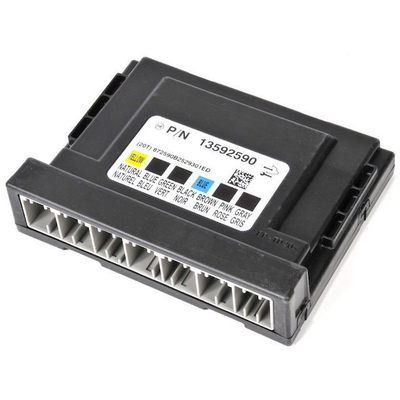
- Replace Body Control Module (BCM) — Parts: $250 - $600, Labor: $150 - $350, ~1.8 hr book time (Professional)
- Replace Instrument Panel Cluster — Parts: $200 - $900, Labor: $150 - $300, ~1.5 hr book time (Professional)
Used vs. New Parts: Buying Guide
When a used part is worth it: For high-cost modules (ABS or BCM) on vehicles over 100,000 miles, a used part from a reputable salvage yard offers significant savings ($200 used vs. $1,500+ new). This makes sense when the budget is tight and a shorter part lifespan is acceptable.
Donor-vehicle mileage cap: roughly under 100000 miles for the part to have meaningful remaining life.
Donor quality checklist:
- Verify the exact OEM part number matches your original module; superseded numbers are often incompatible without additional programming.
- Buy from a supplier that tests parts on the donor vehicle before removal and offers a 30-90 day warranty.
- Avoid parts from vehicles in flood-damaged or high-corrosion 'Salt Belt' areas due to hidden electronic damage.
Decision logic:
- If The part requires VIN programming or security linking (most ABS, BCM, and IPC modules do) → Factor in the cost of dealer or specialist programming ($150-$300), as a used module is not plug-and-play.
- If Vehicle is newer or has low mileage → Buy new (OEM or reputable aftermarket). The savings from a used part do not outweigh the risk of premature failure and repeated labor costs.
- If The part is an Instrument Panel Cluster → Be aware the odometer reading is stored in the cluster. A used cluster shows the donor vehicle's mileage, requiring special tools to correct legally.
Warranty tradeoff: Used parts typically come with a 30-90 day warranty covering only the part. New aftermarket parts offer 1-year to limited lifetime warranties. New OEM parts installed by a dealer carry a 12-month/12,000-mile warranty on parts and labor.
Worst-case if a used part fails: $400 - $800 if a used module is defective or incompatible, requiring repeated labor for removal, installation, and programming attempts.
What Happens If You Wait — Timeline
- 0-2 Weeks: MIL is on, ABS and Stability Control warning lights are on. Safety systems are disabled, creating an immediate and significant safety risk. No other symptoms are present. (MPG impact: 0%% · Added cost: $0)
- 2 Weeks - 3 Months: Additional systems fail. Cruise control, power steering assist, or all-wheel drive become inoperative. The vehicle becomes increasingly difficult to operate. (MPG impact: 0%% · Added cost: $0 - $150)
- 3 - 8 Months: If the root cause is a wiring short or water intrusion, corrosion sets in, or unstable voltage degrades other electronics. A secondary module on the network fails due to the persistent fault. (MPG impact: 0-5%% · Added cost: $500 - $2,000)
- 8+ Months: Catastrophic network failure. A continuous short-to-power or ground permanently damages multiple high-value control modules (ECU, BCM, ABS). The vehicle fails to start entirely. (MPG impact: N/A% · Added cost: $2,000 - $5,000+)
Cost of Not Fixing It
- Immediate: Disabled Anti-lock Brakes (ABS) and Electronic Stability Control (ESC). This creates a significant safety risk, increasing the chance of wheel lock-up, skidding, and loss of control during emergency braking. (Added cost: $0)
- Short Term (Weeks to Months): Loss of related features. Cruise control is disabled when the ABS module is offline. Depending on the faulty module, you lose power steering assist, all-wheel drive functionality, or instrument cluster information. (Added cost: $0)
- Long Term (Months): Damage to other modules. If the root cause is a wiring short exposing the communication network to incorrect voltage (12V or ground), it permanently damages sensitive electronics in previously healthy control modules. (Added cost: $500 - $2,000+)
Diagnosis Steps
- Read All Fault Codes & Check for TSBs
Use an advanced OBD-II scanner to read codes from all modules (ABS, BCM, IPC). Confirm U1961 and note accompanying 'U' codes. Check Technical Service Bulletins (TSBs) for your specific vehicle (e.g., GM TSB #20-NA-123).
Tools: Advanced OBD-II Scanner (Beginner) - Perform a System Reset (Sleep Cycle)
Clear the code with a scanner, turn the ignition off, remove the key, close all doors, and let the vehicle sit undisturbed for 15 minutes. This forces the network to fully shut down and reset. If the code stays away, it was a temporary glitch.
Tools: OBD-II Scanner (Beginner) - Test the Battery and Charging System
Ensure the battery is fully charged (above 12.4V resting) and test health with a digital tester. Verify the alternator charges at 13.7 to 14.7V with the engine running. Low voltage is a primary cause of network errors.
Tools: Multimeter, Digital Battery Tester (Beginner) - Visually Inspect Wiring Harnesses and Modules
Inspect wiring and connectors at the non-communicating module. Look for chafed wires, rodent damage, or green/white corrosion on pins. Check ABS modules in the engine bay and modules in tail light assemblies for water damage.
Tools: Flashlight, Inspection Mirror (Intermediate) - Quick Resistance Check at DLC
Turn the vehicle off and disconnect the battery. Set a multimeter to Ohms (Ω). At the OBD-II port, measure resistance between Pin 6 (CAN High) and Pin 14 (CAN Low). A healthy network reads ~60 Ω. 120 Ω means a terminating resistor is offline; 0 Ω indicates a short circuit.
Tools: Multimeter (Advanced) - Test CAN Bus Voltage (Key On, Engine Off)
With ignition on (engine off), back-probe the CAN connector. Set multimeter to DC Volts. In idle state, both wires read ~2.5V. During communication, CAN High pulses to ~3.5V and CAN Low pulses to ~1.5V. Stuck at 0V means short to ground; stuck at 12V means short to power.
Tools: Multimeter, Vehicle-Specific Wiring Diagram, Back-probe Kit (Advanced) - Isolate the Faulty Module Systematically
If the network is shorted (reads 0 Ω), unplug modules one by one. Start with aftermarket devices and exposed modules. Re-check DLC resistance after each. When resistance returns to 60 Ω, the last unplugged module (or its wiring) is the culprit.
Tools: Multimeter, Basic Hand Tools (Advanced) - Confirm Power and Ground at the Module
Before condemning a module, use a wiring diagram and multimeter to confirm it receives 12V+ battery voltage and has a solid ground (less than 0.1V drop to chassis) at its connector. Modules cannot communicate without proper power.
Tools: Multimeter, Vehicle-Specific Wiring Diagram (Professional)
When This Code Triggers (Freeze-Frame Conditions)
- Vehicle Speed: 0 mph (During startup (Key On, Engine Off) or immediately after starting.)
- Battery Voltage: 9.5V - 11.5V (Low voltage during engine cranking, especially with a weak battery.)
- Time Since Start: 0 - 10 seconds (Fault is detected during the initial network check sequence right after the vehicle powers on.)
- Module Status: Not Communicating (Logged by a central module (like the Gateway) when another module (like the ABS) fails to respond to the initial security handshake.)
Related Codes
- U1983 — This code for "Serial Data Gateway Module Security Hardware Internal Malfunction" is frequently set alongside U1961. U1983 points to the Gateway Module as the source of the security failure. U1961 is a secondary code set by other modules that can no longer authenticate.
- U1962 — This code for "Serial Data Authentication Configuration Failed" indicates the security handshake process itself failed. U1962 is the process failing, while U1961 is the resulting error reported by a module. An active U1962 points to a configuration issue, not a hardware fault.
- U0121 — This means "Lost Communication With ABS Control Module." Seeing U0121 with U1961 is a strong clue. U0121 tells you the ABS module is offline, and U1961 indicates an internal security hardware failure is preventing it from authenticating.
- U0140 — This code means "Lost Communication With Body Control Module (BCM)." If you see U0140 alongside U1961, it strongly suggests the BCM is the source of the fault. The BCM is a critical hub, and its failure causes numerous symptoms.
- U0073 — A generic code for "Control Module Communication Bus 'A' Off." This indicates the entire network is down. This is a result of a short circuit in the wiring or a single module failing and bringing the whole network down with it.
Climate & Environmental Factors
- Salt Belt / High Humidity: Vehicles operated in regions using road salt in winter or coastal areas with high humidity are highly susceptible to this code. Salt and moisture accelerate corrosion of wiring harnesses, connector pins, and module circuit boards, leading to short circuits.
- Extreme Temperatures (Hot or Cold): Extreme heat increases electrical resistance, degrading the CAN bus signal. Extreme cold makes wiring brittle and affects the internal oscillators of control modules, causing them to fail communication checks at low temperatures.
How to Talk to a Mechanic About This Code
Say this: "I have a U1961 network code alongside other 'U' codes like U0121. I need a diagnostic appointment to trace the CAN bus communication failure. Please check for TSBs, test battery health, and verify network wiring integrity before recommending module replacements."
This signals you understand that U1961 is a complex network issue, not a simple part failure. It directs the shop to perform a logical, systematic diagnosis rather than jumping to an expensive module replacement, saving you money on misdiagnosis.
Avoid saying:
- 'My check engine and ABS lights are on, can you fix it?' (Too vague, invites expensive guesses)
- 'I think I need a new ABS module.' (Don't diagnose it for them, you pay for a part you don't need)
- 'Just replace whatever is broken.' (This is an open invitation to replace multiple expensive parts without proper diagnosis)
Questions to ask before authorizing the repair:
- Did you find the root cause? Was it a wiring short, a bad connector, a failed module, or something else?
- What was the result of the CAN bus resistance check at the OBD-II port?
- Can you show me the damaged wire or the voltage/ground readings at the failed module's connector?
- If a module needs replacement, does the new part require programming, and is that included in the quote?
- What is the warranty on this specific repair, including both parts and labor?
Where to Take It: Dealer vs Independent vs Chain
- Dealer:
A strong choice if the vehicle is new, under warranty, or a known TSB applies. For out-of-warranty vehicles, they are a reliable but expensive option.
Best for: Vehicles under warranty, Newer GM vehicles (2020+) where the TSB for a false code is the likely fix, Complex programming or software-related issues that require proprietary tools
Downsides: Highest labor rates (often 1.5-2x independent shops), Defaults to replacing an entire module assembly when a wiring repair suffices (Typical cost: +50% vs. baseline) - Independent Shop:
Excellent fit, especially a shop specializing in auto electrics. They are often more motivated to perform a wiring repair than to simply replace a module.
Best for: Out-of-warranty vehicles where cost is a major factor, Shops that specialize in electrical diagnostics and have good reviews, Diagnosing common pattern failures (like Ford water leaks or Chrysler battery issues)
Downsides: Quality and expertise vary dramatically; you must vet the shop carefully., Lacks access to the very latest manufacturer-specific software or tools. (Typical cost: +0% vs. baseline) - Chain Shop:
AVOID for diagnosis. A U1961 code is far beyond the scope of a typical chain shop. They misdiagnose the issue or send you to a dealer after charging a diagnostic fee.
Best for: Checking and replacing a battery if it's identified as the root cause.
Downsides: Technicians lack the specialized training for complex network diagnostics., High pressure to sell parts leads to misdiagnosis., Almost never equipped or trained to perform CAN bus wiring repairs. (Typical cost: -10% vs. baseline)
When to Walk Away From the Repair
If the estimated repair cost for a network fault exceeds 50% of your car's private-party value, consider walking away. Electrical gremlins often cascade into money pits.
- Car worth $4000, fix is $2200: Walk away. A $2,200 repair on a $4,000 car is over the 50% threshold and rarely makes financial sense.
- Car worth $15000, fix is $1800: Fix it. The repair cost is only 12% of the vehicle's value, which is a reasonable investment to keep a more valuable car on the road.
- Car worth $3000, fix is $750: Borderline, but likely worth fixing. At 25% of the car's value, the repair is significant but cheaper than replacing the car. Get a firm quote first.
What Scan Tool You Need for This Code
Minimum: A scanner that performs an 'All System' or 'Full System' scan. It MUST read codes from modules like the ABS, BCM, and IPC, not just the engine (ECM).
A basic $20 code reader only talks to the engine computer. It is completely blind to the U1961 code and the other network codes essential for diagnosis. Using one is a waste of time for this issue.
Budget: BlueDriver Pro Scan Tool (~$100) — Pairs with your smartphone and performs a full-system scan, reading codes from the ABS, BCM, and other modules. It views live data, helpful for seeing if a module is offline.
Mid-range: Foxwell NT510 Elite or Innova 5610 (~$150) — These are powerful handheld units. They offer full system scans and live data. Crucially, they include bidirectional controls, allowing you to command a module to perform a self-test to confirm a diagnosis before buying parts.
Professional: Autel MaxiCOM MK808 / MK808S (~$450) — This is a professional-level tablet scanner. It offers extensive bidirectional controls to test nearly any component, advanced service functions like module programming/coding, and detailed live data graphing. For hunting down a network fault, this level of tool is what the pros use.
Rent vs buy: For U1961, renting is not a good option. The free scan at an auto parts store is insufficient. You need the scanner throughout the diagnostic process (checking resistance, unplugging modules, clearing codes). Buying a capable scanner is a necessary investment.
How to Clear the Code After You Fix It
- Reconnect battery if it was disconnected for the repair.
- Use an OBD-II scan tool to perform a 'Clear All DTCs' command.
- Perform the GM-specific 'sleep cycle': Turn ignition off, remove key, close all doors, and let the vehicle sit undisturbed for at least 15 minutes.
- Perform a complete OBD-II drive cycle to allow all readiness monitors to run.
Drive cycle (~30 minutes): A general drive cycle includes a cold start (engine off for 8+ hours), 2-3 minutes of idling, mixed city driving (stop-and-go), and a period of steady highway driving (5-10 minutes at 55 mph). The goal is to meet the run criteria for all emissions monitors.
Readiness monitors affected: Comprehensive Component Monitor, Misfire Monitor, Catalyst Monitor, EVAP System Monitor
Before emissions retest: drive at least 100 miles to fully set monitors.
Watch out for:
- Disconnecting the battery clears the code but resets all readiness monitors to 'Not Ready', causing an automatic emissions test failure.
- The code returns immediately if the underlying hardware or wiring fault is not repaired.
- Monitors like EVAP and Catalyst have specific run criteria (e.g., fuel level between 15-85%, specific ambient temperatures) and are difficult to set without following the exact manufacturer procedure.
Will This Fail Emissions / State Inspection?
Yes — this code typically fails an OBD-II emissions inspection.
- California: An illuminated Check Engine Light results in an automatic smog check failure. After repairs, you must complete a drive cycle to set the readiness monitors; tests cannot be completed if key monitors are 'Not Ready'.
- New York: Any active Check Engine Light is an automatic failure of the emissions portion of the NYS inspection. Clearing the code right before the test results in a failure because readiness monitors will be incomplete.
- Texas: In counties requiring emissions testing, an illuminated Check Engine Light is an automatic fail. For model years 1996-2000, two monitors can be 'Not Ready'; for 2001 and newer, only one is allowed.
Most Commonly Affected Vehicles
- Chevrolet Corvette, Suburban, Tahoe (2020-2023) — Covered by GM TSB #20-NA-123. The issue is a false code set after programming, fixed with a code clear and sleep cycle.
- Cadillac CT4, CT5, Escalade (2020-2023) — Included in GM TSB #20-NA-123 for setting a false U1961 code that is fixed with a simple code clear and system sleep cycle.
- GMC Yukon (2021-2023) — Part of GM TSB #20-NA-123, these vehicles store the code without an actual hardware fault present after service programming.
- Buick Envision (2021-2023) — Added to GM TSB #20-NA-123 regarding the false setting of the U1961 and U1983 codes.
- Ford F-150, Explorer, Edge (2015-2022) — A common cause for multiple 'U' codes is water intrusion into the Side Object Detection (SOD) modules located in the tail light assemblies. A cracked tail lamp allows water in, shorting the CAN bus network.
- Hyundai Elantra, Santa Fe, Sonata (2006-2020) — Hyundai has a history of ABS module issues. On newer models, ABS module failure is a root cause for network communication codes.
- Chrysler/Dodge/Jeep Pacifica, Grand Cherokee, Ram 1500 (2017-2022) — These vehicles are sensitive to battery voltage. A failing primary or auxiliary battery causes a flood of communication codes. A software update for the Powertrain or Body Control Module is sometimes required.
- Honda CR-V, Accord, Pilot (2010-2020) — Honda communication code issues trace back to poor grounds, connector problems, or failures of the ABS/VSA modulator.
Manufacturer-Specific Notes
- General Motors (Chevrolet, Cadillac, GMC, Buick): GM has a widely known Technical Service Bulletin (TSB #20-NA-123) for this code on its 2020-2023+ vehicles. It states the code sets without any actual problem after programming, and the official repair is to clear the DTCs and allow the vehicle to enter sleep mode for 15 minutes.
- Ford: On modern Fords, a flood of 'U' codes traces to water intrusion in the tail light assemblies. The Side Object Detection (SOD) modules are located there, and a cracked housing allows water to corrode the module, shorting the CAN bus.
- Chrysler / Dodge / Jeep: These brands are notoriously sensitive to battery voltage. A weak 12V battery is a very common cause for multiple communication codes, including U1961. Always test both the primary and auxiliary batteries before beginning complex network diagnostics.
- Hyundai / Kia: These manufacturers have issued recalls for ABS modules that short circuit internally. This causes a loss of communication and triggers 'U' codes. A faulty ABS module is a prime suspect if communication codes are present.
- All (Region-Specific Recalls): Many manufacturers issue safety recalls for corrosion-related failures limited to vehicles sold in 'Salt Belt' states. Check for recalls using the VIN even if you don't live in one of those states, as the vehicle's history may be unknown.
Real Owner Stories
2021 Chevy Tahoe - The 'Easy Fix'
Check Engine Light, ABS light, and 'Service StabiliTrak' message appeared on the dash two days after getting a software update at the dealership.
What they tried:
- Owner was concerned about a major failure and called the dealer.
- Dealer service advisor recognized the symptoms immediately.
Outcome: Dealer performed the fix outlined in GM TSB #20-NA-123: Cleared all DTCs with a scan tool, then let the vehicle sit for 15 minutes to complete a 'sleep cycle'. The codes did not return. The repair was covered under warranty and took less than an hour.
Lesson: On a 2020+ GM vehicle, if U1961 appears after any service or programming, don't panic. The most likely cause is a procedural glitch, not a hardware failure. A simple code clear and sleep cycle fixes it.
2018 Ford F-150 - A Misdiagnosis Story
ABS and traction control lights were on, cruise control didn't work, and the scanner showed U1961 and U0121 (Lost Communication with ABS).
What they tried:
- Mechanic initially diagnosed a failed ABS module and quoted $1,200 for a replacement.
- Owner sought a second opinion. The second mechanic noticed moisture in the driver's side tail light assembly.
- Upon inspection, the Side Object Detection (SOD) module inside the tail light was corroded from water intrusion, which shorted the CAN bus network.
Outcome: The mechanic replaced the cracked tail light assembly, cleaned the corroded connector, and replaced the much cheaper SOD module. The total repair was under $500, and all codes cleared.
Lesson: On Fords, a flood of 'U' codes is caused by water leaks in the tail lights or third brake light. Always check for signs of moisture or corrosion in these areas before condemning an expensive primary module like the ABS or BCM.
2019 Chrysler Pacifica - The Unusual Root Cause
Van wouldn't start, dashboard lit up with multiple warnings, screen cycled through messages, and scanner showed a dozen 'U' codes, including U1961.
What they tried:
- Owner tried jump-starting the vehicle, which worked temporarily but the problems returned the next day.
- A forum search revealed that Chrysler vehicles are extremely sensitive to battery voltage.
Outcome: The owner had both the main 12V battery and the smaller auxiliary battery tested. The main battery was fine, but the auxiliary battery (used for the auto start/stop system) had failed. Replacing the auxiliary battery for around $175 and clearing the codes resolved all the electronic issues.
Lesson: On Chrysler, Dodge, and Jeep vehicles, always test BOTH the main and auxiliary batteries before starting complex network diagnostics. A failing auxiliary battery causes widespread communication faults that look like a much more serious issue.
How to Prevent This Code From Triggering
- Maintain Battery Health (Ongoing) — Weak batteries cause low voltage during startup, a primary trigger for module communication errors. Ensure terminals are clean and tight, and use a battery tender for infrequently driven vehicles.
- Apply Dielectric Grease to Connectors (During any related repair or inspection) — Applying dielectric grease to the rubber seals of critical module connectors (ABS, BCM) prevents moisture intrusion. This stops corrosion on the pins, a leading cause of network wiring failures.
- Inspect for and Seal Water Leaks (Annually or after noticing damp carpets) — Common leak points like third brake light gaskets, sunroof drains, and windshield seals allow water to drip directly onto modules and wiring harnesses, causing corrosion and shorts.
- Ensure Proper Aftermarket Installations (During installation of any new electronic device) — Improperly spliced wires for remote starters or stereos disrupt the sensitive CAN bus network. Always use professional installers who use proper T-harnesses to avoid cutting factory wires.
Frequently Asked Questions
What does the 'U' in U1961 stand for?
The 'U' stands for 'Network.' It indicates the fault is in the communication system (CAN bus) linking the vehicle's computers, rather than a specific mechanical part.
Is it safe for me to just clear the code myself?
Yes, clearing the code with a scanner is safe. If it was a temporary glitch, it will not return. If it returns immediately, you have a persistent hardware or wiring problem requiring diagnosis.
Can a bad battery cause a U1961 code?
Yes, a weak battery providing low voltage during startup is a leading cause of communication codes. Modules fail to initialize properly under low voltage, triggering security errors. Always test the battery first when diagnosing 'U' codes.
Why did this code appear right after my car was serviced?
This code frequently appears after a module is reprogrammed or a battery is replaced. The network is sensitive to these changes and sets a false code if a 'sleep cycle' isn't performed.
What is a vehicle 'sleep cycle' and how do I do it?
A sleep cycle allows the car's electronics to fully power down. Turn the ignition off, remove the key, close all doors, and let the car sit locked and undisturbed for 15 minutes. This resets all modules and clears communication glitches.
Why are there so many 'U' codes appearing all at once?
Multiple 'U' codes indicate the entire network is compromised. This is usually caused by a single faulty module or a wiring short preventing all modules from communicating. It acts like one person shouting in a room, drowning out everyone else.
What is a CAN bus short circuit?
The CAN bus uses two wires: CAN High and CAN Low. A short circuit happens when these wires touch each other, power, or ground. This corrupts data signals and crashes the entire network.
Why did the U1961 code come back after I replaced the module?
The code returns if the replaced module was a symptom, not the root cause. The true fault often lies in the wiring harness, a corroded connector, or a different failing module on the same network. Incorrect programming of the new module also causes this.
Key Takeaways
- Code U1961 flags a security communication failure on the CAN bus network, meaning a control module is locked out, not mechanically broken.
- For 2020+ GM vehicles, clear the code and let the car sit locked and undisturbed for 15 minutes to complete a 'sleep cycle' and resolve false triggers.
- Limit driving to repair shops only; this code disables critical safety systems like Anti-lock Brakes (ABS) and Electronic Stability Control (ESC).
- Test your 12V battery first; low voltage during engine cranking is the leading hardware cause of module initialization failures.
- Never replace an expensive control module without first verifying its power, ground, and CAN bus resistance (which should measure 60 Ohms at the OBD-II port).
Helpful Videos
Shop the Parts Behind U1961
Below are the parts most often responsible for code U1961, ranked by how frequently each one is the actual culprit (per the diagnosis above). Tap any to see what we have for your vehicle.



The information in this article is provided for general reference and educational purposes only. Vehicle specifications, procedures, and part compatibility can vary by production date, trim level, and region. Always consult your vehicle's factory service manual and verify part numbers before purchasing or performing repairs. Safety-critical components such as airbags, seat belts, and braking systems should be installed by a qualified professional.
- 🧭 Diagnostic Flowchart
- 🎬 Helpful Videos
- 🛍️ Shop This Part
- What Does U1961 Mean?
- Can I Drive With U1961?
- Common Causes
- Symptoms
- Common Fixes & Costs
- Used vs. New Parts: Buying Guide
- What Happens If You Wait — Timeline
- Cost of Not Fixing It
- Diagnosis Steps
- When This Code Triggers (Freeze-Frame Conditions)
- Related Codes
- Climate & Environmental Factors
- How to Talk to a Mechanic About This Code
- Where to Take It: Dealer vs Independent vs Chain
- When to Walk Away From the Repair
- What Scan Tool You Need for This Code
- How to Clear the Code After You Fix It
- Will This Fail Emissions / State Inspection?
- Most Commonly Affected Vehicles
- Manufacturer-Specific Notes
- Real Owner Stories
- 2021 Chevy Tahoe - The 'Easy Fix'
- 2018 Ford F-150 - A Misdiagnosis Story
- 2019 Chrysler Pacifica - The Unusual Root Cause
- How to Prevent This Code From Triggering
- Frequently Asked Questions
- What does the 'U' in U1961 stand for?
- Is it safe for me to just clear the code myself?
- Can a bad battery cause a U1961 code?
- Why did this code appear right after my car was serviced?
- What is a vehicle 'sleep cycle' and how do I do it?
- Why are there so many 'U' codes appearing all at once?
- What is a CAN bus short circuit?
- Why did the U1961 code come back after I replaced the module?
- Key Takeaways
- 🎟️ Get 5% Off