

U2413 on 2019-2020 GMC Sierra 1500: Network Communication Fault Causes and Fixes
U2413 on a 2019-2020 Sierra indicates a communication problem on the vehicle's network, often related to the chassis or brake control modules. The most common cause is high resistance from poor connections or damaged wiring, a known issue addressed by GM Technical Service Bulletin (TSB) #21-NA-220. Another significant cause is engine harness chafing, as detailed in TSB #21-NA-149. Loose grounds at points G110 and G114 are also a known issue for this specific platform.
- U2413 is a network communication code, not a 'part failure' code. The problem is most likely in the wiring or connectors, not the module itself.
- Check for open recalls first. A free software update at a GM dealer for the EBCM might solve the problem on 2019 models.
- The most probable cause is a poor electrical connection. Cleaning connectors and applying dielectric grease as described in GM service bulletins is a common and effective fix.
- Do not replace any control modules until all wiring, connectors, and power/ground sources have been thoroughly tested.
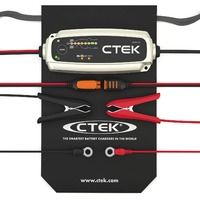
- A healthy, fully charged battery is critical. Test the battery before starting complex wiring diagnostics.
What's Unique About the 2019-2020 Gmc SIERRA 1500
The 2019-2020 Sierra 1500, part of the T1 platform, uses a complex network architecture that changed mid-generation. The 2020 models introduced a new 'Global B' electrical architecture with a Serial Data Gateway Module (SDGM). This changes fundamental diagnostic procedures; for example, a normal CAN bus resistance test at the DLC yields ~60 ohms on a 2019 model but ~120 ohms on a 2020 model. GM has issued multiple TSBs for this platform pointing to wiring issues, including high resistance on HS-CAN circuits, engine harness chafing against chassis components, and loose ground connections at G110 and G114 as root causes for communication codes like U2413.
Diagnostic Flowchart
Tap your situation to follow the diagnostic path that matches what you're seeing on this vehicle.
Symptoms You May Notice
- Multiple warning lights on the instrument cluster (Check Engine, ABS, Stability Control, etc.)
- Warning messages on the Driver Information Center (DIC) like 'Service ESC' or 'Service Power Steering'.
- Cruise control disengaging randomly or not working at all.
- Gauges on the instrument panel dropping out or behaving erratically.
- Intermittent loss of power steering assist
- Loss of power or 'Reduced Engine Power' message.
- No start or stalling in rare cases, often related to harness chafing.
- Replacing the Chassis Control Module or EBCM without first thoroughly inspecting and testing the related wiring harness, connectors, and grounds as per TSB #21-NA-220 and #21-NA-149.
- Misinterpreting a 120-ohm resistance reading at the DLC on a 2020 or newer model as a network fault. On these models with the Global B architecture, 120 ohms is a normal reading from the Serial Data Gateway Module.
Most Likely Causes
- High Resistance in CAN Bus Wiring or Connectors 🔴 High Probability GM TSB #21-NA-220 explicitly calls out this issue, pointing to high resistance on the HS-CAN BUS circuits (2500 and 2501) between the Electronic Brake Control Module (EBCM) and Power Steering Control Module (PSCM) as a cause for U2413 and other codes. Connectors exposed to the elements, particularly the X115 engine harness connector, can develop corrosion or poor terminal tension.
How to confirm: A technician would disconnect the battery and the X115 connector to split the circuit. Using a multimeter, they measure the resistance of the HS-BUS circuits. A reading other than the expected ~120 ohms on an isolated leg indicates unwanted resistance. The technician would then inspect module connectors for corrosion, damage, or poor pin tension.
Typical fix: The fix involves cleaning the connector terminals, improving terminal tension (pin drag test), and applying dielectric grease. In some cases, damaged terminals must be replaced with new terminated leads. TSB #21-NA-220 specifically outlines this repair process.
Est. part cost: $5-$20 for dielectric grease and terminal cleaning supplies. - Electronic Brake Control Module (EBCM) Software Error 🟡 Medium Probability → Shop ABS Control Module GM issued recall #19V889000 for over 800,000 2019 Sierra 1500, Silverado 1500, and Cadillac CT6 models due to a software error in the EBCM that could disable ABS and stability control without warning. While this recall doesn't specifically name U2413, a faulty software state can easily cause communication errors on the network, leading to various U-codes.
How to confirm: A GM dealer can check the vehicle's service history using the VIN to see if the recall was performed. You can also check your VIN on the NHTSA website.
Typical fix: Dealers will reprogram the EBCM with updated software free of charge under the recall.
Est. part cost: $0 - Weak or Failing Battery 🟡 Medium Probability → Shop Vehicle Battery Modern trucks with numerous electronic modules are highly sensitive to battery voltage. A weak battery can cause modules to power up incorrectly or drop offline during engine cranking, leading to a flood of communication codes like U2413 as they send invalid data.
How to confirm: Test the battery's state of charge and health with a digital battery tester. A simple voltage check is not sufficient; it needs to be load tested. The alternator output should also be checked.
Typical fix: Replace the vehicle's 12V battery.
Est. part cost: $150-$350
Rare But Worth Checking
- Engine Wiring Harness Chafing: → Shop Engine Wiring Harness TSB #21-NA-149 (which supersedes PIT5713A) details a condition where the engine wiring harness can rub against engine or chassis components, causing shorts or open circuits. Specific chafe points are the ECM/TCM bracket, the driver's side upper control arm, and the shock tower. This can lead to a wide array of DTCs, including U2413, and symptoms like gauge sweeps and reduced power. The fix involves inspecting the harness, repairing damaged wires, and securing it with new clips and protective sleeves.
- Loose or Corroded Ground Straps: GM Engineering Information bulletin PIE0548 specifically flags the potential for loose ground connections at G110 (Body Harness) and G114 (Engine Harness) on 2019-2020 models. Additionally, owners have reported that the main body-to-frame ground strap is prone to corrosion and disintegration, causing widespread, random electrical faults and communication codes. Inspecting and replacing these ground straps is a critical step.
- Failing Chassis Control Module (CCM) or Electronic Brake Control Module (EBCM): → Shop ABS Control Module While the code points to data from this module, the module itself is often not the root cause. Internal solder joint failure can occur but is less common on newer vehicles. Network wiring, power, and ground issues should always be ruled out first before condemning an expensive control unit.
- Aftermarket Accessories: Improperly installed aftermarket devices (e.g., remote start, lighting, audio equipment) tapped into the vehicle's CAN bus can disrupt communication and cause a variety of U-codes.
Diagnosis Steps
- Check and charge the battery. Perform a full battery health test to ensure it can hold a load. A weak battery is a common cause of spurious electronic faults.
- Use a professional scan tool to read codes from ALL modules, not just the ECM. Note all U-codes present as they can help pinpoint the location of the network fault.
- Check your vehicle's VIN for open recalls, specifically #19V889000 related to the EBCM software.
- Inspect key ground connections. Check the main body-to-frame ground strap for corrosion or damage. Also inspect grounds G110 and G114 on the driver's side, as noted in GM bulletin PIE0548.
- Inspect for harness chafing as described in TSB #21-NA-149. Remove the driver's side wheel and wheelhouse liner to access and check where the engine harness passes the ECM/TCM bracket, the upper control arm, and the shock tower.
- With the battery disconnected, measure the resistance of the CAN bus circuit at the DLC (pins 6 and 14). For a 2019 model, expect ~60 ohms. For a 2020 model, expect ~120 ohms. A reading of 0 ohms indicates a short, while an open line (OL) or very high resistance indicates a break in the wiring.
- Following the guidance in TSB #21-NA-220, locate and inspect the CAN bus wiring and connectors between the EBCM and PSCM. Pay close attention to the X115 engine harness connector, located near the windshield wiper plenum area.
- If wiring and connections are confirmed to be good, the issue may lie with a faulty module, which requires more advanced diagnostics to isolate.
Parts You'll Likely Need
- Dielectric Silicone Grease
(OEM #12377900)— Used to protect electrical connectors from moisture and corrosion after cleaning, as recommended by GM service bulletins.
Trusted brands: ACDelco, Permatex
OEM price range: $15-$25
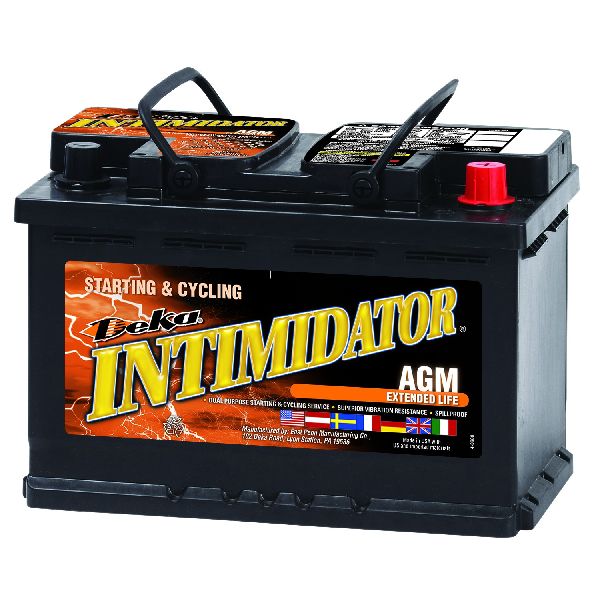
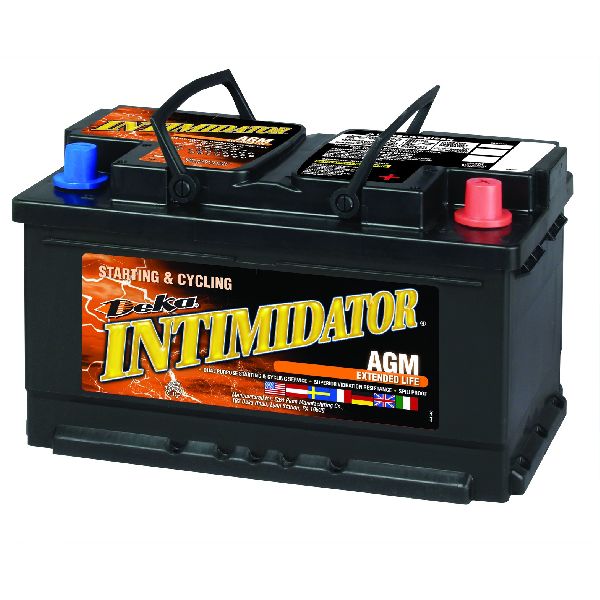
Aftermarket price range: $5-$10 - AGM Battery — A weak battery is a common cause of multiple communication codes on modern, electronically-dense vehicles.
Trusted brands: ACDelco, Optima, Odyssey
OEM price range: $250-$400
Aftermarket price range: $150-$300 - Engine Harness Sleeve / Anti-Abrasian Tape
(OEM #84820678, 84826758 (Sleeves), 1089482 (Kent Tape))— Required to repair and protect the engine wiring harness from chafing damage as per TSB #21-NA-149 and Service Update N192280330.
Related Codes That Often Appear With This One
- U0073 — Control Module Communication Bus 'A' Off. This is a general network code often set alongside more specific ones like U2413. It is explicitly listed in TSBs #21-NA-220 and #PIT5713A.
- U0100 — Lost Communication With ECM/PCM. Indicates the network problem is affecting communication with the engine computer, often due to the same harness issue.
- U0121 — Lost Communication With Anti-Lock Brake System (ABS) Control Module. This is frequently seen with U2413 as the EBCM controls the ABS functions. It is listed in TSB #21-NA-220.
- U0131 — Lost Communication With Power Steering Control Module (PSCM). TSB #21-NA-220 specifically mentions the communication line between the EBCM and PSCM as the location of the fault.
- C2A07 — ECM Torque Signal Malfunction. This code means the EBCM is not receiving a proper torque signal from the engine, often due to the same network communication issue causing U2413. [Bulletin #PIT5713A]
Technical Service Bulletins (TSBs) & Recalls
- PIT5713A: Notes that U2413 can be set along with many other communication codes, leading to multiple IPC warnings. This TSB was superseded by 21-NA-149.
- 21-NA-220: Provides a detailed diagnostic procedure for finding high resistance on the HS-CAN bus between the EBCM and PSCM, specifically mentioning U2413 and the inspection of connector X115.
- 21-NA-149: Supersedes several earlier bulletins to address engine wire harness chafing as a root cause for a host of communication and sensor DTCs, including U2413.
- N192287840: A service update for certain 2020 models with the 2.7L engine to inspect and correct engine harness routing and wrapping to prevent chafing.
Platform-Specific Known Issues
- NHTSA Technical Service Bulletin #PIT5713A (superseded by 21-NA-149) lists U2413 among a large group of communication DTCs that can appear together due to wiring harness chafing, causing multiple warning messages on the instrument panel.
- GM Technical Service Bulletin #21-NA-220 identifies high resistance on the CAN bus circuits (2500/2501) between the EBCM and PSCM as a specific cause for these communication faults. The fix involves inspecting connectors (specifically X115) and applying dielectric grease.
- NHTSA Recall #19V889000 was issued for a software error in the Electronic Brake Control Module (EBCM) on 2019 models that could disable the stability control and ABS systems, which can trigger network communication faults.
Mechanic-Grade Diagnostic Values
- CAN Bus Resistance at DLC (Pins 6 & 14) - 2019 Model — expected: ~60 Ohms. Failure: A reading of ~120 Ohms indicates an open in the bus or one terminating resistor is offline. A reading near 0 Ohms indicates a short between the CAN high and low wires.
- CAN Bus Resistance at DLC (Pins 6 & 14) - 2020 Model — expected: ~120 Ohms. Failure: This reading is normal for 2020+ models as you are measuring the internal resistance of the Serial Data Gateway Module (SDGM). A fault would need to be diagnosed on the network 'behind' the gateway module.
- CAN Bus Voltage (Key On, Engine Off) — expected: CAN High (Pin 6 to Ground): ~2.6V, CAN Low (Pin 14 to Ground): ~2.4V. Failure: Voltages that are identical, stuck high/low, or at 0V indicate a short to power, short to ground, or an open circuit.
- Terminating Resistor Value — expected: 120 Ohms. Failure: When testing an individual leg of the CAN bus (e.g., by disconnecting a connector like X115), each leg terminated by a resistor should read 120 ohms. A reading of OL or very high resistance indicates an open wire.
Wiring & Ground Locations
- G110 / G114 — Driver's side of the engine bay. G110 is for the body harness, G114 is for the engine harness.. GM issued Engineering Information bulletin PIE0548 specifically for the 2019-2020 Sierra/Silverado to investigate loose connections at these exact ground points, indicating they are a known trouble spot for electrical issues.
- Engine Harness Chafe Points — 1) Against the sharp edge of the black ECM/TCM bracket. 2) Against the driver's side upper control arm. 3) Against a shock tower bolt. Access requires removing the driver's side wheel and wheelhouse liner.. TSB #21-NA-149 and Service Update N192280330 detail how engine movement causes the harness to rub through at these specific points, shorting out various circuits including CAN bus lines, leading to a flood of communication DTCs.
- Connector X115 — The main body-to-engine inline harness connector, located in the engine bay near the windshield wiper plenum area.. This is a major junction for numerous circuits, including the CAN bus lines mentioned in TSB #21-NA-220. It's a common point for high resistance due to corrosion or poor pin fitment, disrupting communication between modules.
- Body-to-Frame Ground Strap — A braided metal strap typically running from the vehicle body to the frame rail, often on the passenger side.. This is a primary ground path. Owners have found this strap completely corroded and disintegrated, causing a host of random electrical issues and communication codes due to modules seeking a ground path through other means.
Real Owner Repair Stories
- Reddit user @One-Current-4972 in r/Silverado (2020 Silverado 1500 LT) — Very random code issues.
❌ Tried (didn't work) Initial diagnosis was unclear due to the random nature of the codes.
✅ What actually fixed it The user discovered the body-to-frame ground strap had 'crumbled into dust.' Replacing the strap and cleaning the connection points resolved the issues. Another user with a 2019 model reported fixing 'weird electrical errors' with the same repair.
Model Year Variations Within This Range
- 2020 and newer: The 2020 model year introduced the 'Global B' or Vehicle Intelligence Platform (VIP) electrical architecture, which includes a Serial Data Gateway Module (SDGM). This fundamentally changes CAN bus diagnostics at the DLC. A resistance test between pins 6 and 14 on a 2020+ truck will show ~120 ohms (reading the SDGM), which is a normal reading. On a 2019 model, a normal reading is ~60 ohms. Mistaking the 120-ohm reading on a 2020 model for a fault is a common misdiagnosis.
We Have This Part in Stock


The information in this article is provided for general reference and educational purposes only. Vehicle specifications, procedures, and part compatibility can vary by production date, trim level, and region. Always consult your vehicle's factory service manual and verify part numbers before purchasing or performing repairs. Safety-critical components such as airbags, seat belts, and braking systems should be installed by a qualified professional.
- Gmc SIERRA 1500:
- 🧭 Diagnostic Flowchart
- 🛍️ Shop This Part
- What's Unique About the 2019-2020 Gmc SIERRA 1500
- Symptoms You May Notice
- Most Likely Causes
- Rare But Worth Checking
- Diagnosis Steps
- Parts You'll Likely Need
- Related Codes That Often Appear With This One
- Technical Service Bulletins (TSBs) & Recalls
- Platform-Specific Known Issues
- Mechanic-Grade Diagnostic Values
- Wiring & Ground Locations
- Real Owner Repair Stories
- Model Year Variations Within This Range
- 🎟️ Get 5% Off