

U3000 on 2013-2019 Ford Kuga: Power Steering and ABS Module Failure Guide
On a 2013-2019 Ford Kuga, code U3000 almost always points to a failure of either the electric power steering rack or the ABS control module. This results in a loss of power steering or disabled ABS/traction control. Always check the battery first, as low voltage is a common trigger, but expect a costly module replacement.
- U3000 is a critical code on a Kuga, usually indicating failure of the power steering or ABS system.
- You MUST use a scanner that can read the two-digit suffix and identify the faulty module.
- Always test the battery before replacing expensive modules.
- The PSCM (steering rack) and ABS module are the two most common failures.
- Remanufacturing the ABS module is a viable, cost-effective repair option.
What's Unique About the 2013-2019 Ford Kuga
The second-generation Ford Kuga (and its North American twin, the Ford Escape) built on Ford's Global C platform, is well-documented for having two primary electronic modules that are prone to failure and trigger the U3000 code. Failures of the electric power steering rack (which contains the control module) are very common, leading to a sudden and dangerous loss of steering assist. Additionally, the ATE MK100 ABS control unit used in this generation is known to fail across many Ford models, causing multiple warning lights. Unlike some codes that have many possible causes, U3000 on this platform almost always leads to one of these two expensive components.
Symptoms You May Notice
- Sudden loss of power steering assist, making the steering wheel very heavy to turn
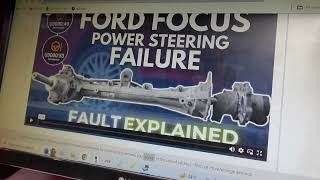
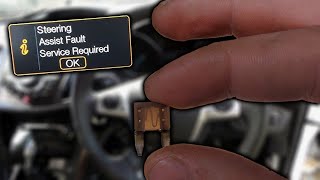
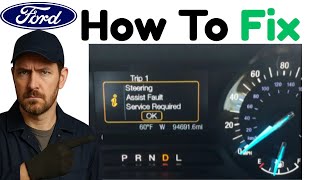
- "Power Steering Malfunction" or "Steering Assist Fault" message on the instrument cl 🎬 Watch: Understanding the causes of steering assist fault messages.uster
- ABS warning light illuminated
- Traction Control (TCS) or Electronic Stability Control (ESC) warning light illuminated
- Brake warning light illuminated
- "Hill Start Assist Not Available" message
- Replacing the battery without properly load-testing it first. While a bad battery is a possible cause, you must confirm it has failed before replacing it.
- Clearing the code without diagnosis. If the code is a hard fault like U3000:53 in the PSCM, it will return immediately, and the problem is not resolved.
- Replacing the steering rack without checking for relevant TSBs or recalls. Ford has issued several service actions for EPAS issues that involve software updates as a first step.
Most Likely Causes
- Internal Failure of the Power Steering Control Module (PSCM) 🔴 High Probability → Shop Power Steering Control Module The PSCM is integrated into the electric power steering rack assembly, which is a known high-failure item on this platform. Water intrusion and internal electronic failure are common causes. Ford has issued recalls for similar EPAS systems on other models.
How to confirm: Use a scan tool like FORScan to check for U3000 stored in the PSCM. Suffix code U3000:49 (Internal Electronic Failure) is a common indicator. Suffix code U3000:53 (De-activated/Configuration Error) is often a 'hard fault' that cannot be cleared and confirms module failure. NHTSA ODI #11504310 notes that a pinpoint test for these specific codes often leads to a diagnosis of an internal fault with the steering gear.
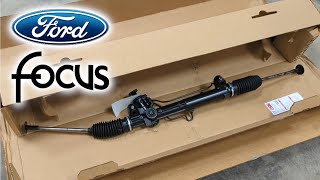
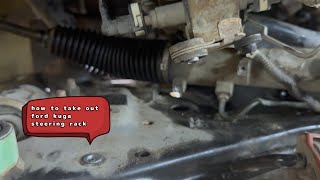
Typical fix: The entire electric power steering rack assembly must be replaced. The new rack will require programming to the vehicle using Ford's diagnostic software. Some specialists offer repair services for the module itself, but replacement is more common.
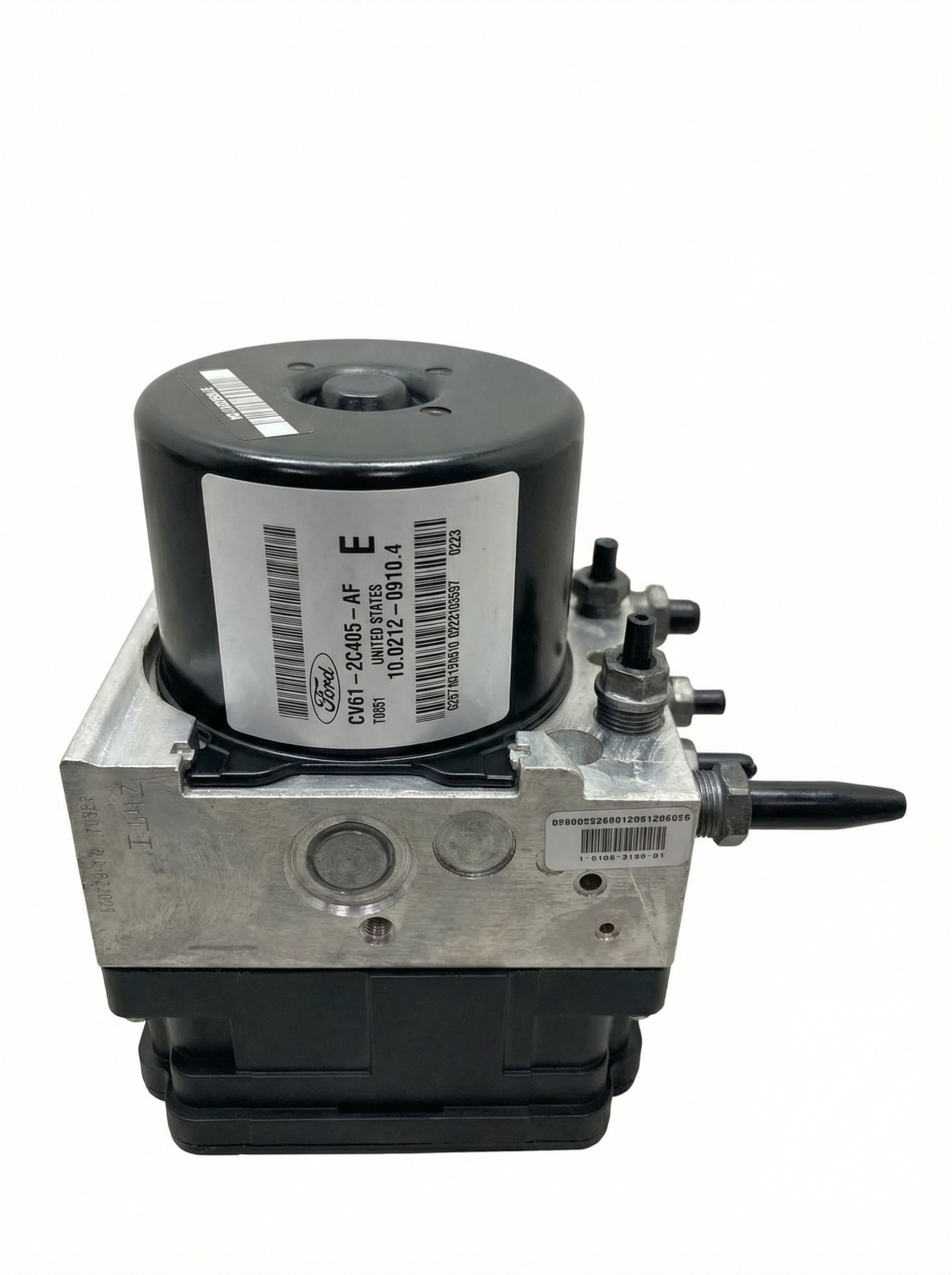
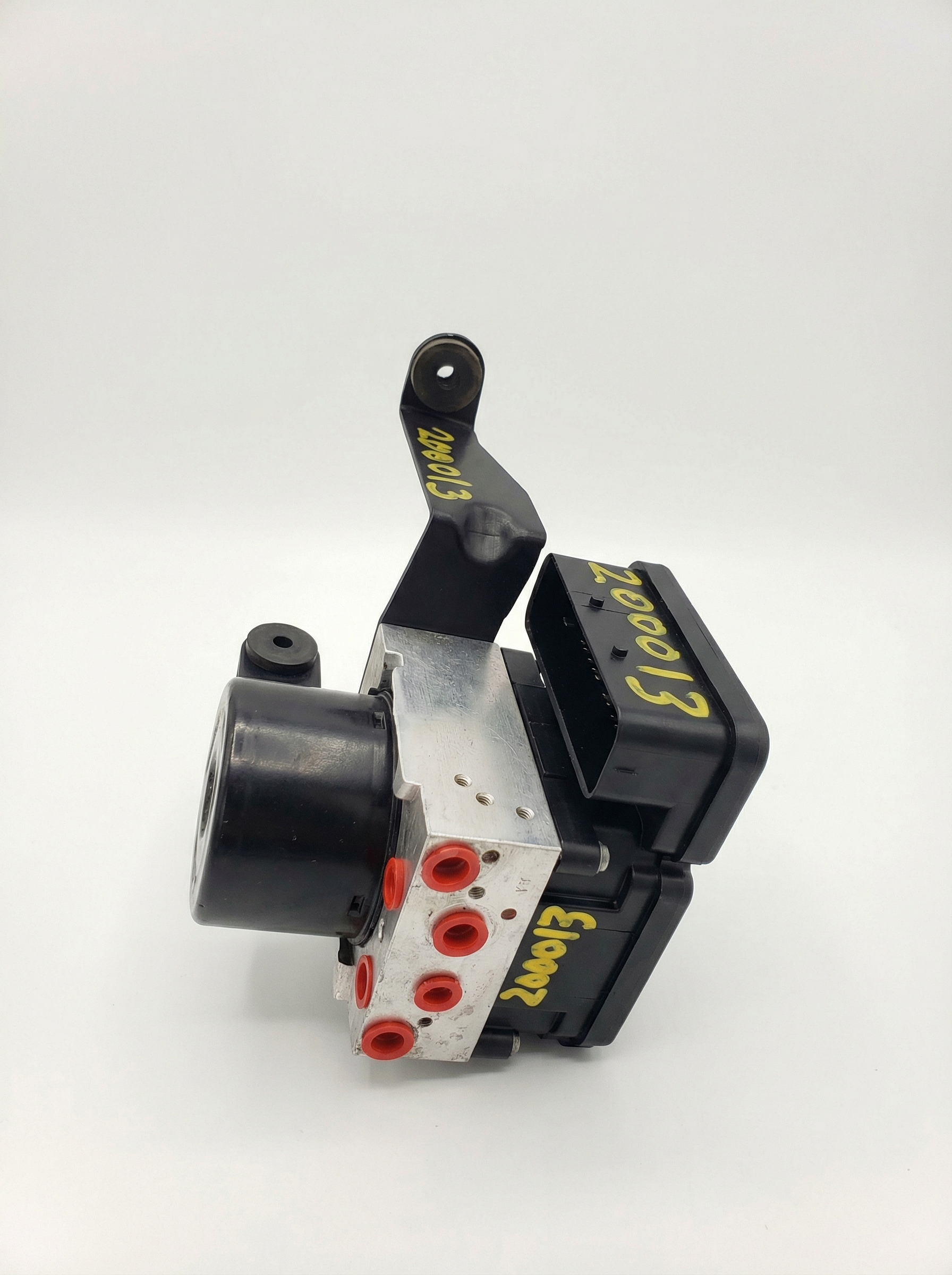
Est. part cost: $800-$1500 - Internal Failure of the ABS Control Module 🔴 High Probability → Shop ABS Control Module The ATE MK100 ABS module used in this generation of Ford vehicles has a documented history of internal electronic failure, affecting models like the Kuga, Focus, Fiesta, and C-Max.
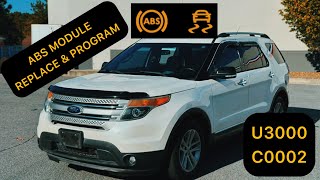
How to confirm: Use a scan tool to confirm U3000 is stored in the ABS module. 🎬 See how to replace and program a faulty ABS module. Suffix code :49 is common for this failure. You will also see ABS and traction control warning lights, and may lose communication with the module entirely.
Typical fix: The ABS module must be replaced or sent to a specialist service like ACTRONICS for remanufacturing. Remanufacturing the original unit is often preferred as it may not require reprogramming. A new module requires programming, and the brake system must be bled using a scan tool. In some instances, as described in NHTSA ODI #11534192, dealerships may attempt to reprogram the ABS, PCM, and IPC modules and perform a battery disconnect to resolve the code.
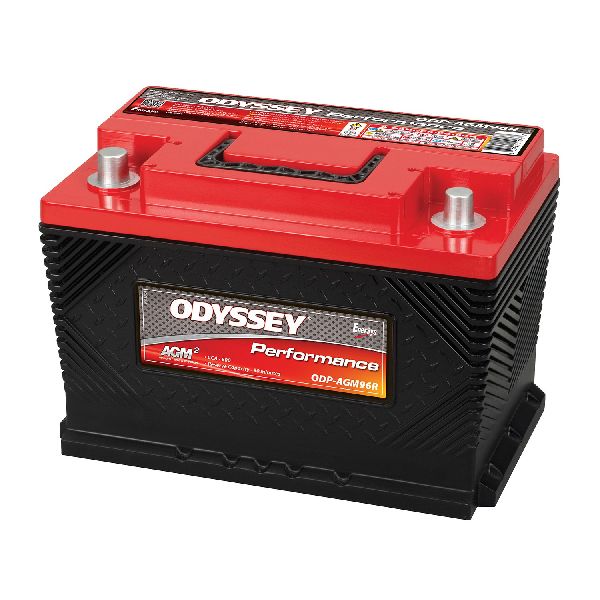
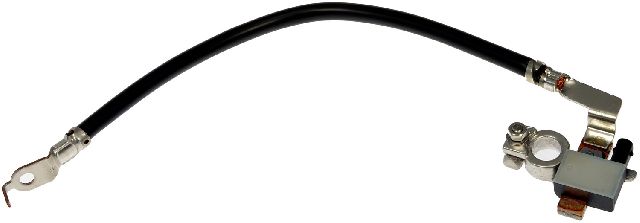
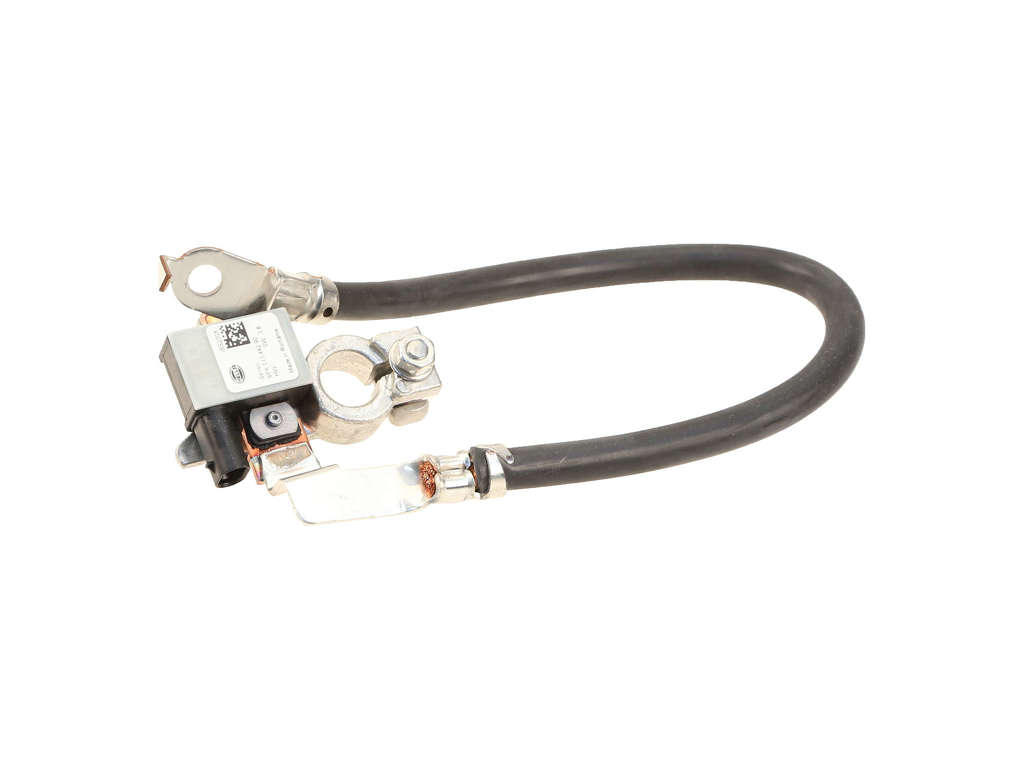
Est. part cost: $300-$900 - Low Battery Voltage or Poor Connection 🟡 Medium Probability → Shop Vehicle Battery Modern control modules are very sensitive to voltage. A weak or aging battery can cause a module to fail its startup self-test, incorrectly logging a U3000 code. This can also happen if a battery charger is connected when the ignition is cycled.
How to confirm: Before replacing any parts, fully charge and load test the 12V battery. Ensure battery terminals and the main chassis ground are clean and tight. A U3003 (Battery Voltage) code may also be present. If the U3000 code appeared after using a battery charger, it may be a temporary glitch that can be cleared.
Typical fix: Replace the vehicle's 12V battery if it fails a load test. Ensure it is the correct type (AGM) and size for the vehicle.
Est. part cost: $150-$250
Rare But Worth Checking
- Damaged Wiring or Connectors: While less common than outright module failure, it's worth inspecting the wiring harnesses and connectors to the PSCM and ABS module for any signs of corrosion, moisture, or physical damage before ordering expensive parts. NHTSA ODI #11725446 suggests that U3000 codes can be caused by faulty cable connections where condensation has caused corrosion. The PSCM connector is located on the steering rack, and the ABS module is often near the master cylinder, sometimes requiring battery removal for access.
Diagnosis Steps
- Connect a Ford-compatible OBD-II scanner (such as FORScan) capable of reading manufacturer-specific codes and suffixes.
- Scan all vehicle modules for codes. Identify which module has stored the U3000 code and note the two-digit suffix (e.g., U3000:53).
- Crucial First Step: Fully charge and professionally load-test the 12-volt battery. Clean and tighten all battery terminals and primary ground connections. A weak battery is a common trigger for this code.
- If the code is in the Power Steering Control Module (PSCM), inspect the wiring and connector at the steering rack for damage or moisture.
- If the battery and wiring are good, a U3000:49 or U3000:53 code in the PSCM confirms an internal failure of the steering rack assembly.
- If the code is in the ABS module, inspect the wiring and connector at the module (often located near the brake master cylinder) for damage or corrosion.
- If the battery and wiring are good, a U3000 code in the ABS module confirms an internal module failure.
- Do not replace any module without confirming its power and ground supplies are good.
- Check for any applicable Ford recalls or TSBs by VIN before authorizing repairs. Recalls like 15S18 for other Ford models addressed similar PSCM issues with software updates or replacement.
Parts You'll Likely Need
- Electric Power Steering Rack Assembly
(OEM #CV6C-3D070-PC (Example for 2.0 TDCi))— This is the required fix when the U3000 code is stored in the PSCM, as the control module is integrated into the rack.
Trusted brands: Motorcraft, Bosch, Shaftec
OEM price range: $1200-$1800
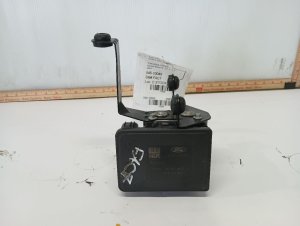
Aftermarket price range: $800-$1200 - ABS Control Module — Required when the U3000 code is stored in the ABS module. Sending the original unit for remanufacturing is a common, cost-effective alternative that may not require reprogramming.
Trusted brands: ATE, Bosch, Motorcraft
OEM price range: $700-$1100
Aftermarket price range: $200-$500 (Remanufactured) - AGM Battery — A weak or failing battery is a common trigger for this code and should always be the first component tested and replaced if necessary.
Trusted brands: Motorcraft, Bosch, Varta
OEM price range: $200-$300
Aftermarket price range: $150-$250
Related Codes That Often Appear With This One
- U3003 — This code specifically indicates a battery voltage issue and strongly suggests the U3000 code may be caused by a weak or failing battery.
- U0121 — This code means 'Lost Communication with ABS Control Module' and may be stored in other modules (like the PCM) when the ABS module fails completely.
- C102D — This code, for 'High Friction Inside Power Steering', was the subject of a TSB (11-5-1) for early-build 2012 Focus models (platform mate) and could indicate a similar underlying issue requiring a PSCM reflash.
- U3000-42 / U3000-72 — As noted in NHTSA ODI #11480690, these specific DTC codes also point toward steering and rack and pinion problems.
Technical Service Bulletins (TSBs) & Recalls
- Ford Safety Recall 15S18 / NHTSA 14V284: While not for the Kuga specifically, this recall for other Ford models (Fusion, Flex, Taurus) with similar EPAS systems addressed loss of power steering assist due to PSCM faults. The remedy was a PSCM reprogram or steering gear replacement, highlighting Ford's acknowledgement of the issue.
- NHTSA TSB SSM 48903 (2020 Escape/Corsair): A TSB for the Kuga's successor notes that DTC U3000 can be set in the PSCM simply by connecting a battery charger and cycling the ignition, causing a temporary loss of assist that can be cleared without parts replacement.
Platform-Specific Known Issues
- Owner Repair Story: Temporary Fix by Pulling Fuse: A Kuga owner on YouTube reported a temporary fix for a power steering malfunction by simply pulling the relevant fuse, waiting a moment, and re-inserting it. This suggests that in some cases, the module can be reset. However, this is not a permanent solution and indicates an underlying problem.
- Real-World Diagnosis: U3000:53 as a Hard Fault: A Ford Focus owner on Reddit confirmed that while a U3000:49 code could sometimes be reset by cycling the ignition, a U3000:53 code was a permanent, non-clearable fault stored in the power steering module, which ultimately required rack replacement.
Mechanic-Grade Diagnostic Values
- PSCM CAN Bus Voltage (Medium Speed) — expected: Approximately 2.3-2.4V on CAN Low (Blue/White wire) and 2.5-2.6V on CAN High (Orange/Green wire), referenced to chassis ground.. Failure: Voltages that are stuck high (5V), low (0V), or do not mirror each other indicate a communication line fault.
- ABS Module (C135 Connector) Power Supply Voltage — expected: Greater than 10V at pins 1 and 24 with the key in the ON position.. Failure: Voltage below 10V indicates a power supply issue to the module, which must be fixed before condemning the module.
- PSCM Live Data - Module Supply Voltage (MOD_SUP_V) — expected: Should be stable and match the charging system voltage (typically 13.5V - 14.5V) when the engine is running.. Failure: Voltage below 12.0V with the engine running, or erratic readings, point to a battery, alternator, or wiring issue that can trigger a U3000 code.
Hidden / Shadow Codes Worth Checking
- U3000:96: Indicates a component failure within the control module, but when stored in the PSCM, it is almost always triggered by low battery voltage during a high-current draw event (like engine start). (see via Ford-specific scan tool like FORScan or IDS.)
- U3000:53-C8: A hard, non-clearable fault indicating an internal electronic failure in the PSCM, often caused by water ingress into the steering rack's torque sensor housing. The U3000:49 code is often triggered multiple times before this permanent code is set. (see via Ford-specific scan tool like FORScan or IDS.)
Scan Tool Commands That Help
- FORScan: PSCM Module Configuration (As-Built format) — This is required after replacing the power steering rack. The As-Built data from the original module should be saved and written to the new module. If unavailable, the 'Load Factory AB' function can download the correct configuration for the vehicle's VIN.
- FORScan: ABS Service Bleed — This procedure must be run after replacing the ABS module or opening the hydraulic system. It cycles the ABS pump and valves to purge any trapped air from the hydraulic control unit, which cannot be done with a manual bleed.
- Ford IDS: Programmable Module Installation (PMI) — This is the official dealer procedure for replacing and programming a new control module like the PSCM or ABS module. It ensures the module has the correct software and configuration for the vehicle.
Wiring & Ground Locations
- C135 — The main electrical connector for the ATE MK100 ABS module. It is a 46-pin or 47-pin connector located on the ABS hydraulic unit, which is typically found behind the battery in the engine bay.. This is the primary interface for testing power, ground, and CAN bus signals to the ABS module. Pins 1 and 24 are main power feeds, while Pins 23 and 46 are the primary grounds. A fault here can mimic an internal module failure.
- PSCM Main Connector — Located directly on the electric power steering rack assembly, underneath the vehicle. It is exposed to road spray and debris.. This connector is a known point of water ingress, which can lead to corrosion and short circuits, causing U3000:49 and U3000:53 faults. A visual inspection is critical before replacing the rack.
- Bulkhead Boot — The rubber seal on the firewall where the steering column shaft passes through from the cabin into the engine bay.. On platform-mates like the Focus/C-Max, a compromised bulkhead boot has been identified as a primary source of water ingress that travels down the shaft and into the steering rack's torque sensor, causing electronic failure and U3000 codes.
Real Owner Repair Stories
- YouTube video by 'Eps pLus' (Ford Focus Mk3 (platform mate)) — Power steering failure with a hard fault code U3000:53-C8.
❌ Tried (didn't work) Clearing the code with a scan tool.
✅ What actually fixed it The technician disassembled the steering rack motor's control unit and found it completely filled with water that had entered through a damaged boot. The fix required cleaning the water, repairing corrosion damage on the circuit board, and re-sealing the unit. This confirmed water ingress as the root cause of the permanent U3000:53 fault. - CarKiller Forum User (2014 Ford Escape (platform mate), 160k miles) — Intermittent 'Power Steering Assist Fault' on startup, with code U3000. Power steering would return after turning the car off and on again.
❌ Tried (didn't work) Cycling the ignition (temporary fix only).
✅ What actually fixed it The user was advised by the dealership that the entire steering gear assembly needed replacement for $2,017. Another user in the thread confirmed they had the exact same issue and suspected a failing torque sensor within the steering column, confirming that replacement of the rack assembly is the ultimate fix for this intermittent symptom. - NHTSA ODI #11129741: An owner reported a steering gear fault with code U3000:49, which required the diagnosis and replacement of the steering gear and a reset of the toe alignment.
- NHTSA ODI #11534192: A driver experienced extremely hard brakes and an ABS light; the dealership received code U3000 and performed a reprogramming of the ABS, PCM, and IPC modules along with a battery disconnect.
OEM Part Supersession History
HV6C-3D070-MA→HV6C-3D070-ME / 2400694— Part revision and update by the manufacturer.
Heads up: When replacing the steering rack, it is critical to match the sticker code on the rack body (e.g., CV6C). While different part numbers may physically fit, they may require specific calibration files. Using a reconditioned part often requires recalibration/coding with diagnostic software to remove warning lights.
Model Year Variations Within This Range
- 2016-2019 (Facelift): The facelifted Kuga introduced an ST-Line model which featured chassis tweaks including a 10mm lower ride height, thicker anti-roll bars, and a retuned steering and suspension setup. While the underlying EPAS system is the same, the calibration file for the PSCM may differ for these models to account for the different driving dynamics.
Diagnostic Flowchart
Other Known Issues on This Vehicle
Issues unrelated to this code that are worth knowing about as an owner of this generation:
- EcoBoost Coolant Intrusion 🔴 High — Common on 1.5L, 1.6L, and 2.0L EcoBoost engines. Can occur at any mileage but becomes more likely after 60,000 miles. (Ref: Subject of class-action lawsuits. Ford issued recalls for some 1.6L engines (e.g., 17V209) but not all affected engines.)
- Powershift Transmission Failure 🔴 High — Very common on models equipped with the 6-speed Powershift (DPS6/6DCT) automatic, especially pre-2016 models. Issues include shuddering, slipping, and complete failure, often before 100,000 miles. (Ref: Subject of multiple lawsuits and customer satisfaction programs. The wet-clutch version in the Kuga is considered more reliable than the dry-clutch in the Focus/Fiesta but still problematic.)
- Tailgate Wiring Harness Failure 🟠 Medium — Common across all model years. The wiring loom that passes from the body to the tailgate can fatigue and break from repeated opening and closing.
- Keyless Entry Handle Failure 🟡 Low — Fairly common, especially in winter or wet climates. Water and salt ingress can cause the sensor in the door handle to fail, preventing the keyless entry function from working.
Used vs. New Parts: Buying Guide for This Vehicle
When a used part is the smart pick: A used ABS module can be a cost-effective option, especially if it is sourced from a vehicle with a similar build date. Because remanufacturing services for the original ATE MK100 are common and effective, a used part is a viable alternative to a costly new OEM unit. A used steering rack is a higher risk due to the commonality of the failure and unknown history.
Donor-vehicle mileage cap: roughly under 80000 miles for the part to have meaningful remaining life.
What to inspect on the donor part:
- For an ABS module, check for any signs of corrosion on the casing or connector pins. Ensure the donor vehicle was not involved in a front-end collision.
- For a steering rack, inspect the rubber boots for any tears or perishing, as this is a known water entry point. Check the electrical connector for corrosion. Avoid parts from vehicles in regions with heavy road salt usage.
- Verify the part number sticker on the donor part matches the original part exactly.
Aftermarket brands forum-validated for this vehicle:
- ACTRONICS (Remanufacturing service for ABS module)
- ECU Testing (Remanufacturing service for PSCM and ABS)
- DRI, ELSTOCK (Remanufactured Steering Racks)
Brands owners have reported issues with on this vehicle:
- Unbranded, 'no-name' steering racks from online marketplaces without a warranty or clear return policy.
Real Owner Stories
Aggregated from forums and TSBs cited above. Mileages and costs reflect what owners reported in those sources.
2014 Ford Kuga
Symptoms: Sudden heavy steering accompanied by ABS and traction control warning lights.
What fixed it: The owner was advised to check the battery and wiring first, as U3000-53 indicates a control module problem that can sometimes be triggered by power issues.
Source hint: JustAnswer - Thread ID 9k3i1
2012 Ford Focus (Platform Mate)
Symptoms: Power steering malfunction message; code U3000:49 would sometimes reset with ignition cycles, but U3000:53 was permanent.
What fixed it: The U3000:53 code was a non-clearable hard fault in the power steering module that required a full steering rack replacement.
Source hint: Reddit r/FordFocus - "Power steering malfunction"
2012 Ford Grand C-Max (Platform Mate)
Symptoms: U3000:53 steering rack error message.
What fixed it: While often a rack failure, users noted that U-codes are communication-related and could potentially be caused by a faulty instrument cluster, a known issue for that model year.
Source hint: Ford Owners Club - "U3000:53 steering rack error message on 2012 Ford Grand C-Max"
Ford Kuga (Generation 2)
Symptoms: Power steering malfunction.
What fixed it: The owner performed a temporary reset by pulling the relevant fuse, waiting, and re-inserting it, though this did not address the underlying electronic fault.
Source hint: Owner Repair Story: Temporary Fix by Pulling Fuse
Documented NHTSA Reports
Ford Escape (Platform Mate)
Symptoms: Steering fault message on the instrument cluster.
What fixed it: A technician confirmed the fault and found codes U3000:49 and U3000:53. The invoice indicated that a pinpoint test led to an internal fault with the steering gear.
Source hint: NHTSA ODI #11504310
Related OBD-II Codes
Frequently Asked Questions
My 2014 Ford Kuga has heavy steering and ABS lights; could it be the battery?
Does the Ford Safety Recall 15S18 apply to my Kuga's power steering issue?
I see a U3000:53 code on my Kuga; can this be cleared with a scan tool?
Can connecting a battery charger cause a U3000 code on a newer Kuga?
Is it possible to repair the ABS module on my Kuga instead of buying a new one?
Why did my Kuga display 'Hill Start Assist Not Available' along with the steering fault?
Helpful Videos
Used OEM Parts in Stock
New Aftermarket Parts Available


The information in this article is provided for general reference and educational purposes only. Vehicle specifications, procedures, and part compatibility can vary by production date, trim level, and region. Always consult your vehicle's factory service manual and verify part numbers before purchasing or performing repairs. Safety-critical components such as airbags, seat belts, and braking systems should be installed by a qualified professional.
- Ford Kuga:
- 🧭 Diagnostic Flowchart
- 🎬 Helpful Videos
- 🛍️ Shop This Part
- What's Unique About the 2013-2019 Ford Kuga
- Symptoms You May Notice
- Most Likely Causes
- Rare But Worth Checking
- Diagnosis Steps
- Parts You'll Likely Need
- Related Codes That Often Appear With This One
- Technical Service Bulletins (TSBs) & Recalls
- Platform-Specific Known Issues
- Mechanic-Grade Diagnostic Values
- Hidden / Shadow Codes Worth Checking
- Scan Tool Commands That Help
- Wiring & Ground Locations
- Real Owner Repair Stories
- OEM Part Supersession History
- Model Year Variations Within This Range
- Other Known Issues on This Vehicle
- Used vs. New Parts: Buying Guide for This Vehicle
- Real Owner Stories
- 2014 Ford Kuga
- 2012 Ford Focus (Platform Mate)
- 2012 Ford Grand C-Max (Platform Mate)
- Ford Kuga (Generation 2)
- Documented NHTSA Reports
- Ford Escape (Platform Mate)
- Related OBD-II Codes
- Frequently Asked Questions
- 🎟️ Get 5% Off