

U3000 on 2011-2023 Ford Ranger: Control Module Failure Causes and Fixes
On a 2011-2023 Ford Ranger, code U3000 almost always indicates an internal failure of the Body Control Module (BCM), causing issues like non-working headlights or wipers. This is a very common fault, especially on 2011-2019 models. The most common and cost-effective fix is to have the original BCM repaired by a specialist service, which costs less than a full replacement and avoids the need for vehicle reprogramming.
- U3000 on a Ford Ranger is not a single problem; you must use a good scan tool to find out which module (BCM, PSCM, etc.) is at fault.
- The most common cause by far is an internal failure of the Body Control Module (BCM), leading to problems with headlights, wipers, or locks.
- Before replacing any expensive modules, always test the 12V battery and check main power/ground connections, as low voltage is a known trigger.
- For a BCM failure, having the original module repaired by a specialist is often the best and most cost-effective solution, as it doesn't require dealer reprogramming.
- If you lose power steering and get a U3000 code, the Power Steering Control Module (PSCM) is the likely cause, which may require replacing the entire steering rack.
What's Unique About the 2011-2023 Ford Ranger
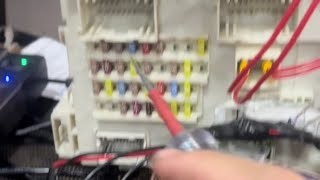
On the T6 platform Ford Ranger (2011+) and its platform-mate, the Mazda BT-50, the U3000 code is notoriously linked to a widespread, common failure of the Body Control Module (BCM). This issue is so prevalent, particularly on 2011-2019 PX1 and PX2 models, that numerous independent repair shops (like ECU Testing, The Automotive Clinic, and Injectronics) specialize in repairing these specific BCMs. 🎬 Watch: A professional repair of the Ranger BCM failure. The failure is often due to internal software corruption or the failure of hardware driver components, sometimes triggered by the installation of aftermarket accessories like light bars. While U3000 can occur in other modules like the Power Steering Control Module (PSCM), its appearance on a Ranger immediately makes the BCM the primary suspect, especially if accompanied by electrical faults like lighting or wiper problems.
Generation note: The 2011-2023 year range covers the international Ford Ranger (T6 platform: PX1, PX2, and PX3 series) and the North American Ranger (2019-2023). The common Body Control Module (BCM) failure is extremely well-documented on the 2011-2019 PX1 and PX2 models. Power Steering Control Module (PSCM) issues have been noted on 2016 and 2019+ models, indicating that module-specific faults can occur across the entire date range. The BCM issue is also shared with the 2011-2020 Mazda BT-50, which is built on the same platform.
Symptoms You May Notice
- Headlights not working (especially one or both low beams).
- Windshield wipers not working, behaving erratically, or not parking correctly.
- Central locking or power window failure.
- Loss of power steering assist (heavy steering), often with a 'Service AdvanceTrac' warning.
- ABS, Traction Control, or other warning lights illuminated on the dash.
- The fault code U3000 will not clear with a standard OBD-II reader, especially when it's a hard fault in the BCM.
- Turn signals malfunctioning or failing.
- Inability to start the vehicle in some cases due to immobilizer disruption.
- Replacing headlight bulbs, headlight switches, or wiper motors when the root cause is the BCM's internal driver failure.
- Replacing a control module without first thoroughly testing the battery, charging system, and all related power/ground fuses.
- Attempting to program new keys to fix the issue, which can corrupt the BCM further.
- Replacing the BCM with a used unit without cloning the original data, 🎬 See how BCM cloning works to avoid no-start issues. which will result in a no-start condition due to immobilizer mismatch.
Most Likely Causes
- Internal Body Control Module (BCM) Failure 🔴 High Probability → Shop Body Control Module The BCM used in 2011+ Rangers (especially PX1/PX2) is known to be prone to internal software corruption and hardware driver failure. This can be triggered by voltage fluctuations, age, or improper installation of aftermarket accessories like spotlights, which can overload the circuits.
How to confirm: Use a Ford-specific scan tool (like FORScan) to confirm the U3000 code (often U3000:49) is stored in the BCM. Symptoms will be electrical (lights, wipers, locks). Check the two 20-amp main fuses for the BCM as a preliminary step.
Typical fix: Send the original BCM to a specialist repair service (e.g., ECU Testing, The Automotive Clinic, Birmingham Diagnostics) to fix the internal fault and repair the software. This is often cheaper ($400-$550) and avoids the need for reprogramming. Alternatively, replace the BCM and have it programmed by a dealer or qualified technician with Ford's diagnostic software.
Est. part cost: $400-$550 for a repair service; $800-$1200+ for a new BCM plus programming. - Low Battery Voltage or Failing Battery 🟡 Medium Probability → Shop Vehicle Battery Modern control modules are sensitive to voltage. A weak or dying battery can cause modules to malfunction during startup self-tests, logging a U3000 code as a 'ghost' fault that may clear after the battery is charged or replaced.
How to confirm: Test the 12V battery with a multimeter or electronic battery tester. A healthy AGM battery should read approximately 12.6V with the engine off and over 14V with the engine running. Check for corroded terminals and ensure the Battery Management System (BMS) is functioning correctly.
Typical fix: Charge or replace the 12V battery. Clean the battery terminals and main chassis grounds. After replacement, the BMS should be reset using a scan tool like FORScan.
Est. part cost: $150-$350 for a new AGM battery. - Internal Power Steering Control Module (PSCM) Failure ⚪ Low Probability → Shop Power Steering Control Module The electronic power steering rack's control module can fail internally, sometimes due to its low mounting position which exposes it to water and road debris. This can log a U3000 code, often with a :41 or :49 suffix. In broader Ford platform investigations, such as NHTSA ODI Investigation #PE14030, U3000-49 and U3000-96 have been linked to internal EPAS failures requiring system replacement.
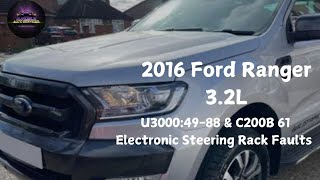
How to confirm: Use a Ford-specific scan tool to confirm the U3000 code is stored in the PSCM. The primary symptom will be a complete loss of power steering assist. 🎬 Watch: Diagnosing U3000:49 codes in the power steering module. Check the 125A fuse and the 10A control fuse (Fuse 19 in some models) for the power steering system.
Typical fix: After verifying power, ground, and communication wires at the steering rack connector are intact, the entire electric steering rack assembly (which includes the module) typically needs to be replaced and programmed.
Est. part cost: $1000-$2500+
Rare But Worth Checking
- Internal ABS Module Failure: → Shop ABS Control Module While more common on other Ford models like the Edge, an internal failure of the ABS module can also present with a U3000 code, typically accompanied by ABS and traction control warning lights. An owner report for a similar Ford platform (NHTSA ODI #11534192) noted that a U3000 code resulted in extremely hard brakes, requiring the dealership to reprogram the ABS, PCM, and IPC modules.
- Image Processing Module A (IPMA) Failure: → Shop Collision Avoidance Sensor On newer models with advanced driver-assistance systems (ADAS), a U3000:49 code can be logged in the IPMA, affecting features like the front camera, lane-keeping assist, and pre-collision assist. NHTSA ODI #11725446 describes a similar issue where U3000:49 and U3000:89 were found alongside faulty cable connections where condensation caused corrosion.
- Occupant Classification System Module (OCSM): A manufacturer service bulletin, TSB Bulletin #TSB 25-2465, notes that some Ford vehicles may exhibit an illuminated airbag warning indicator with DTCs U3000:41 or U3000:54 stored in the OCSM.
Diagnosis Steps
- Connect a Ford-specific scan tool (like FORScan or a professional-grade scanner) to the OBD-II port.
- Perform a full network scan (DTC scan) to identify ALL stored Diagnostic Trouble Codes.
- Identify which specific module has logged the U3000 code and note the two-digit suffix (e.g., U3000:49 in BCM).
- ALWAYS test the battery and charging system first. Ensure voltage is stable and above 12.4V with the engine off and that it maintains ~14V while running.
- Inspect the main power and ground connections to the battery, chassis, and the specific module in question for corrosion or looseness.
- If the BCM is the suspect (U3000:49 with light/wiper issues), check the main 20A BCM fuses. If fuses are good, the most common fix is module repair. Contact a reputable BCM repair service.
- If the PSCM is the suspect (U3000 with power steering loss), check the large 125A main fuse and the smaller control fuse (e.g., 10A Fuse 19) for the power steering rack. If fuses and wiring are good, the rack/module assembly likely needs replacement.
- If a module must be replaced, it will require programming (Programmable Module Installation or PMI). If using a used BCM, the data from the original module must be cloned to the replacement.
Parts You'll Likely Need
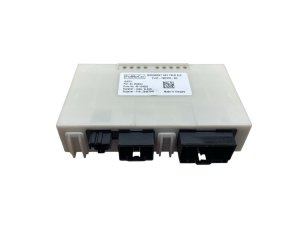
- Body Control Module (BCM) Repair Service
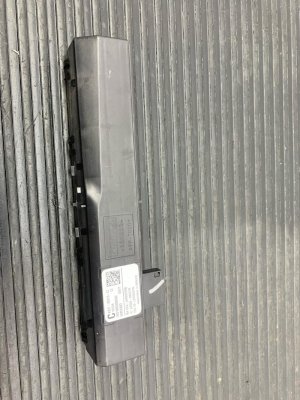
(OEM #AB39-14A073-xx, DB39-14A073-xx)— This is the most common failure on the 2011+ Ranger that causes code U3000. Repairing the original unit is cost-effective and avoids the need for reprogramming.
Trusted brands: ECU Testing, The Automotive Clinic, Injectronics, Birmingham Diagnostics
OEM price range: $800-$1200 (for new part)
Aftermarket price range: $400-$550 (for repair service) - Electric Power Steering Rack Assembly — If the U3000 code is isolated to the PSCM and accompanied by a loss of power steering, the entire rack assembly (which includes the integrated control module) is the typical replacement part.
Related Codes That Often Appear With This One
- U1000 — This code for 'Solid State Driver Protection' is often stored in the BCM alongside U3000. It indicates the module has shut down an output (like for a headlight) due to the detected internal fault, to prevent further damage.
- U0420 — This code means 'Invalid Data Received from Power Steering Control Module'. It is often logged by other modules (like ABS or Image Processing) when the PSCM itself has an internal fault (like U3000) and is sending bad data over the network.
- B1D00 / B1D01 — These codes for 'Left Hand Low Beam Circuit' and 'Right Hand low Beam Circuit' are frequently seen with U3000 in the BCM, confirming the module has detected a fault in the headlight output circuits it controls.
Platform-Specific Known Issues
- The BCM failure is most prominent on the PX1 (2011-2015) and PX2 (2015-2019) models, often identified by part numbers starting with AB39-14A073-xx or DB39-14A073-xx.
- Improperly wired aftermarket accessories, especially light bars and spotlights, are a known cause of BCM software corruption and hardware failure on these trucks.
Mechanic-Grade Diagnostic Values
- BCM Power Supply at Connector C2280B — expected: 12V+ (Battery Voltage). Failure: Low or no voltage indicates a fuse or wiring issue before the module.
- HS-CAN Bus Voltage at Connector C2280B — expected: CAN High (Pin 10) should be ~2.5-3.5V; CAN Low (Pin 9) should be ~1.5-2.5V.. Failure: Voltages outside this range, or shorted to power/ground, indicate a network wiring problem preventing communication.
Hidden / Shadow Codes Worth Checking
- U3000:49: Control Module: Internal Electronic Failure. This is the most common suffix code for BCM failure on this platform, pointing directly to an internal hardware or software fault. (see via Ford-specific scan tool like FORScan or Ford IDS.)
- U1000:00: Solid State Driver Protection Activated - Driver Disabled. This code is often set alongside U3000 when the BCM intentionally shuts down an output (like a headlight circuit) to protect itself from damage caused by the internal fault. (see via Ford-specific scan tool like FORScan or Ford IDS.)
Scan Tool Commands That Help
- FORScan: BCM (Main) Configuration — Used to read the 'As-Built' data from a BCM before replacement, or to write saved data to a new/used module. It can also be used to enable/disable features like daytime running lights or the battery monitoring system.
- FORScan: PATS Programming — Required when a BCM is replaced. This function synchronizes the immobilizer data between the new BCM, the PCM, and the vehicle keys. Failure to do this will result in a no-start condition. Access often requires an extended license.
- Ford IDS: Programmable Module Installation (PMI) — This is the official Ford dealer procedure for replacing a module. It downloads the correct As-Built data from Ford's servers based on the VIN and programs it to the new module, followed by key programming.
Wiring & Ground Locations
- BCM Location — Located in the passenger side footwell, behind the kick panel and glove box area.. This is the physical location of the module that most commonly fails and logs code U3000. It is also susceptible to water ingress in this location.
- C2280B — One of the main multi-pin connectors on the Body Control Module (BCM).. This connector contains critical power, ground, and CAN bus communication pins. Probing pins here is essential for confirming the BCM is receiving power and communicating with the rest of the vehicle before condemning the module.
- G201 / G203 — Main cabin ground points located in the RH (passenger) rocker panel/kick panel area.. The BCM and other nearby modules rely on a clean, tight connection at these ground points. A loose or corroded ground here can cause erratic module behavior and ghost codes.
- Main Engine Bay Ground — A large ground bolt is typically located on the chassis just behind the left (driver's side) headlight, where the main negative battery cable connects to the body.. This is the primary ground point for the entire vehicle's electrical system. Corrosion or looseness here can cause widespread voltage issues that may trigger a U3000 code in sensitive modules.
Real Owner Repair Stories
- Ford Truck Enthusiasts Forum (2019 Ford Ranger) — Headlights flickering while parked, all interior lights going haywire.
✅ What actually fixed it The owner found water on the BCM connectors after a heavy rain. After pulling the passenger kick panel, drying out the connectors, and clearing the codes, the truck returned to normal. The root cause was a water leak from the fresh air intake cowl area. - NHTSA ODI #11504310 — An owner reported a steering fault message that was deemed unsafe; the dealership confirmed the fault and found codes U3000:49 and U3000:53, with diagnostic tests leading to an internal fault with the steering gear.
OEM Part Supersession History
AB39-14A073-xx→DB39-14A073-xx— Hardware and software revision for the PX2 model update.
Heads up: PX1 (AB39) and PX2 (DB39) BCMs are generally not interchangeable due to differences in electrical architecture and programming. Installing the wrong generation module can cause multiple faults. Cloning data is only possible between identical part numbers.
Model Year Variations Within This Range
- 2011-2015 (PX1): Uses BCMs with part numbers typically starting with 'AB39'. The electrical architecture is distinct from later models.
- 2015-2018 (PX2): Introduced a revised electrical system and BCMs with part numbers often starting with 'DB39'. While mechanically similar, many electrical modules are not directly compatible with PX1.
- 2019-2023 (North American Ranger / PX3): Features further updated electrical systems, including modules for ADAS features. The BCM is located behind the passenger kick panel, and water leaks from the cowl/fresh air intake have been reported as a cause of failure.
Diagnostic Flowchart
Other Known Issues on This Vehicle
Issues unrelated to this code that are worth knowing about as an owner of this generation:
- 6R80 Automatic Transmission Failures (PX1/PX2) 🔴 High — Common on models over 80,000 miles, especially those used for towing. Symptoms include harsh shifting, gear slippage, and torque converter failure.
- EGR Cooler Failure (3.2L Duratorq) 🔴 High — EGR coolers are prone to cracking and leaking coolant internally, which can lead to catastrophic engine damage (hydrolock). Often occurs without warning. (Ref: Ford has a service program in some regions to cover replacement if it fails within 10 years/250,000 km.)
- Oil Pump Failure (3.2L & 2.2L Duratorq) 🔴 High — Particularly on earlier 2011-2015 models, the variable pressure oil pump can fail, leading to oil starvation and complete engine failure.
- Split Intercooler Hoses 🟡 Low — The factory rubber intercooler hoses are known to split or crack, causing a significant loss of power (limp mode) and black smoke. A relatively common and simple fix.
- DPF Blockage Issues (Diesel Models) 🟠 Medium — Common for vehicles used primarily for short trips, preventing the Diesel Particulate Filter (DPF) from completing its regeneration cycle, leading to blockages and limp mode.
Used vs. New Parts: Buying Guide for This Vehicle
When a used part is the smart pick: A used BCM is a viable option ONLY if you are using a cloning service. You must acquire a donor BCM with the exact same part number as your original, failed unit. A specialist service then transfers the immobilizer (PATS), VIN, and configuration data from your old module to the donor.
Donor-vehicle mileage cap: roughly under 150000 miles for the part to have meaningful remaining life.
What to inspect on the donor part:
- Part numbers MUST match exactly (e.g., AB39-14A073-BK must be replaced with the same).
- Inspect the donor module for any signs of water damage, corrosion on the pins, or physical damage to the case.
- Purchase from a reputable recycler that guarantees the part is in working condition, as your original module must still be able to communicate for data cloning to be possible.
OEM-only on this vehicle (don't cheap out):
- Body Control Module (BCM)
Aftermarket brands forum-validated for this vehicle:
- Not applicable for the module itself, but specialist repair/cloning services are the recommended path (e.g., ECU Testing, The Automotive Clinic, ClusterFix Texas, Pelican Diagnostics).
Brands owners have reported issues with on this vehicle:
- There are no direct aftermarket BCMs. Avoid purchasing a used BCM with a different part number, as it will not be compatible even with programming attempts.
Real Owner Stories
Aggregated from forums and TSBs cited above. Mileages and costs reflect what owners reported in those sources.
2011-2020 Mazda BT-50 (Ranger Platform Mate)
Symptoms: Low beam headlights were inoperative. Diagnostic scan revealed U3000 and U1000 codes. The technician found the BCM was not activating the headlights even when commanded via a scan tool.
What fixed it: A software reset of the BCM was attempted; however, the module required a full internal software repair/reflash to restore function.
Source hint: MHH Auto Forum - "Mazda BT50/Ford Ranger BCM software fault - u3000, u1000, low beam inop"
Ford Ranger PX series
Symptoms: The vehicle exhibited a U3000:49 fault code in the BCM, resulting in a total failure of the low-beam headlights.
What fixed it: The BCM software file was found to be corrupted. The fix involved reading the BCM software, repairing the corrupted file, and reflashing the module.
Source hint: YouTube - "Fixing U3000 Error – BCM Software Repair on Ford Ranger & Mazda BT-50 | Headlight Failure Solution" by Autocar Star
Ford Ranger / Mazda BT-50
Symptoms: Internal module failure confirmed via bench test. The BCM logged U1000 and U3000 codes and would not allow headlight activation.
What fixed it: The BCM was sent to a specialist repair shop for internal hardware/software repair rather than replacement.
Source hint: YouTube - "Ford ranger, Mazda Bt-50 BCM repair - u1000 u3000" by The Automotive Clinic
Related OBD-II Codes
Frequently Asked Questions
My 2014 Ford Ranger PX1 has lost its low beam headlights and the U3000 code won't clear. Do I need a new BCM?
Can installing a light bar on my Ranger cause the U3000 fault code?
My Ranger is showing 'Service AdvanceTrac' and the steering is heavy. Is this related to U3000?
Which fuses should I check first for a U3000 code in the Body Control Module?
Is there a specific Ford Ranger model year range most affected by BCM-related U3000 codes?
Will a standard OBD-II reader clear the U3000 code on my 2018 Ranger?
Helpful Videos
We Have This Part in Stock
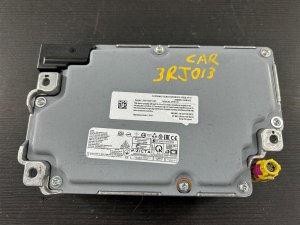
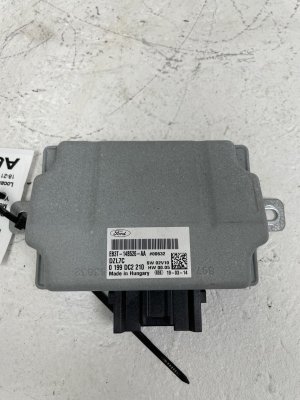
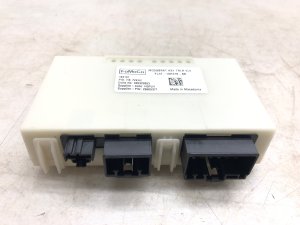
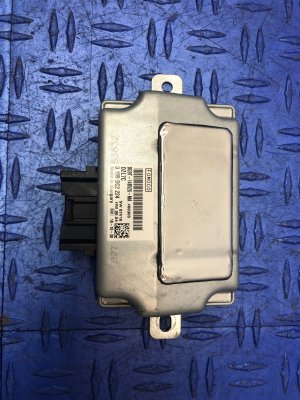

The information in this article is provided for general reference and educational purposes only. Vehicle specifications, procedures, and part compatibility can vary by production date, trim level, and region. Always consult your vehicle's factory service manual and verify part numbers before purchasing or performing repairs. Safety-critical components such as airbags, seat belts, and braking systems should be installed by a qualified professional.
- Ford Ranger:
- 🧭 Diagnostic Flowchart
- 🎬 Helpful Videos
- 🛍️ Shop This Part
- What's Unique About the 2011-2023 Ford Ranger
- Symptoms You May Notice
- Most Likely Causes
- Rare But Worth Checking
- Diagnosis Steps
- Parts You'll Likely Need
- Related Codes That Often Appear With This One
- Platform-Specific Known Issues
- Mechanic-Grade Diagnostic Values
- Hidden / Shadow Codes Worth Checking
- Scan Tool Commands That Help
- Wiring & Ground Locations
- Real Owner Repair Stories
- OEM Part Supersession History
- Model Year Variations Within This Range
- Other Known Issues on This Vehicle
- Used vs. New Parts: Buying Guide for This Vehicle
- Real Owner Stories
- 2011-2020 Mazda BT-50 (Ranger Platform Mate)
- Ford Ranger PX series
- Ford Ranger / Mazda BT-50
- Related OBD-II Codes
- Frequently Asked Questions
- 🎟️ Get 5% Off