

U3000 on 2022 Honda Civic: Control Module Failure Causes and Fixes
On a 2022 Honda Civic, code U3000 indicates an internal failure in a control module, but it's most often triggered by a weak 12V battery. Before replacing any expensive parts, have the battery professionally load-tested. If the battery is good, the SRS (airbag) module or Multipurpose Camera are the next most likely culprits, often tied to specific recalls or TSBs.
- U3000 means a module has failed, but it doesn't say which one. You need an advanced scan tool to find out.
- The #1 most likely cause is a weak 12V battery. Always load-test the battery before any other repair.
- On a 2022 Civic, the most common failing modules are the SRS (airbag) unit and the Multipurpose Camera (Honda Sensing).
- This is not a DIY-friendly repair. Replacing safety system modules requires expensive calibration that only a dealer or properly equipped shop can perform.
What's Unique About the 2022-2022 Honda Civic
For the 11th generation Civic (2022+), the U3000 code is frequently associated with the advanced driver-assistance systems (ADAS) and safety systems. While older Hondas often saw this code in the VSA (ABS) or EPS modules, this newer platform is more prone to failures in the Multipurpose Camera Unit (part of Honda Sensing) or the SRS (airbag) control unit. Critically, these modules are extremely sensitive to voltage, and a weak 12V battery is the most common trigger for a false U3000 code before any module is actually considered faulty.
Symptoms You May Notice
- Multiple warning lights on the dashboard (e.g., 'Airbag System Problem', 'Brake System Problem', 'Adaptive Cruise Control Problem', 'Lane Keeping Assist Problem').
- Loss of power steering assist, making the wheel feel very heavy. 🎬 Watch: How to fix multiple dashboard warning lights on your Civic.
- Airbag (SRS) warning light is on, indicating airbags will not deploy in a crash.
- Honda Sensing features like ACC, LKAS, and Collision Mitigation Braking are disabled.
- Replacing a control module without first testing the 12V battery. A weak battery is the most common cause of a false U3000 code and should always be the first check.
- Replacing the SRS control unit without first checking for the faulty seat weight sensor issue covered by NHTSA recall 24V-064 and TSB 24-041.
Most Likely Causes
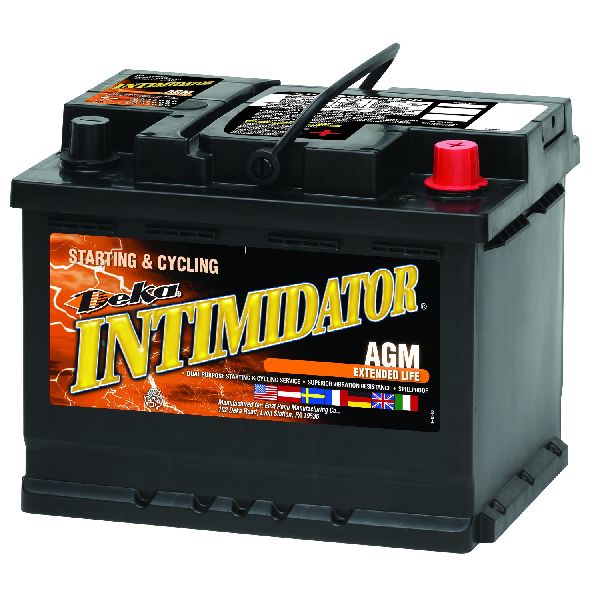
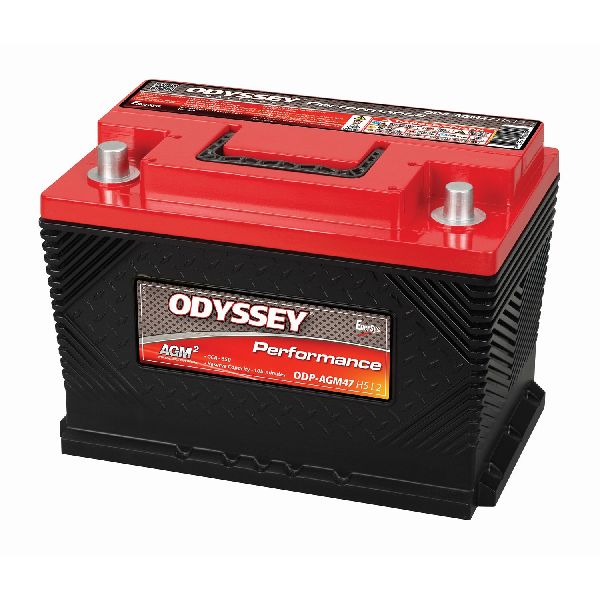
- Weak or Failing 12V Battery 🔴 High Probability → Shop Vehicle Battery Modern Honda control modules are highly sensitive to low voltage during vehicle startup and can incorrectly log an internal failure code if the battery is weak. TSB A24-006 directly links a degrading battery to the EPS module storing U3000-49. There are numerous owner reports of premature battery failure on this platform.
How to confirm: Perform a professional load test on the 12V battery. A simple voltage check with a multimeter is not sufficient to rule out a bad battery. Many owners report a battery testing 'good' at an auto parts store, only for the issue to be resolved with a new battery.
Typical fix: Replace the 12V battery. The 2022 Civic uses an Enhanced Flooded Battery (EFB). After replacement, clear all codes and drive to see if they return.
Est. part cost: $150-$350 - SRS (Airbag) Control Unit Internal Failure 🟡 Medium Probability → Shop Air Bag Control Module This is a known issue on many modern Hondas. Honda has issued service information (TSB 24-041) acknowledging the problem, often caused by a faulty front passenger seat weight sensor on 2022 Civics.
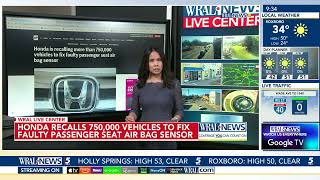
How to confirm: Use a Honda-compatible scan tool to confirm the U3000-49 code is stored in the SRS system. Check VIN for NHTSA Recall 24V-064. 🎬 See details on the Honda airbag sensor recall affecting 750k vehicles. Follow TSB 24-041, which provides a specific inspection procedure for the 2022 Civic to determine if the seat weight sensor is the cause before condemning the SRS unit itself.
Typical fix: If the vehicle is eligible for recall 24V-064, the dealer will replace the seat weight sensors free of charge. If not covered by recall but diagnostics point to the sensor, it must be replaced. If the sensors are not the cause, the SRS control unit itself must be replaced and programmed.
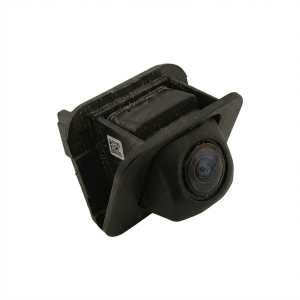
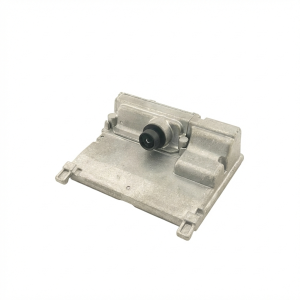
Est. part cost: $400-$700 - Multipurpose Camera Unit Internal Failure 🟡 Medium Probability → Shop Video Camera The front-facing camera for the Honda Sensing system is a common failure point on 2016+ Hondas, leading to a U3000-49 code and disabling all ADAS features.
How to confirm: Use a professional scan tool to confirm the U3000-49 code is stored in the Multipurpose Camera module. The diagnostic procedure is often to clear the code; if it returns immediately, the camera has an internal hardware failure.
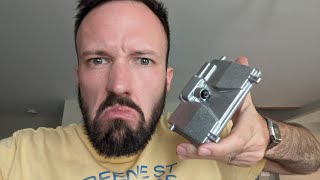
Typical fix: The camera unit, located on the windshield, must be replaced. 🎬 Watch: DIY walkthrough for replacing the multipurpose camera unit. This is an expensive part that requires mandatory, precise static and dynamic calibration by a dealer or qualified shop to function correctly.
Est. part cost: $850-$1200 - Electric Power Steering (EPS) Control Module Failure ⚪ Low Probability → Shop Power Steering Control Module While more common on the previous generation, the EPS module can still fail internally on the 2022 model. TSB A24-006 notes that low voltage from a degrading battery can cause the EPS to store DTC U3000-49.
How to confirm: Confirm with a scan tool that the U3000 code originates from the EPS module. The primary symptom will be a loss of power steering assist or a 'sticky' steering feel.
Typical fix: First, rule out the battery per TSB A24-006. If the battery is good, the EPS control module or the entire steering rack assembly may need replacement. This requires programming and steering angle sensor calibration.
Est. part cost: $500-$1500
Rare But Worth Checking
- Wiring or Connector Issue: While less common than module failure, a corroded connector or damaged wire leading to the affected module can interrupt power, ground, or communication, causing it to log a U3000 code. A technician noted that the first step should be checking connections at the camera and radar units before condemning the parts. Always inspect the module's connector before replacement.
Diagnosis Steps
- Connect a professional, all-system scan tool capable of reading Honda-specific codes (e.g., Honda HDS/i-HDS or compatible).
- Perform a full vehicle scan ('All DTC check') to identify WHICH control module has stored the U3000 code (e.g., SRS, EPS, Multipurpose Camera, etc.).
- CRITICAL FIRST STEP: Professionally load-test the 12V battery. Do not proceed until the battery is confirmed to be in good health. A weak battery can cause this code in any module.
- If the battery is weak, replace it, clear all DTCs, and drive the vehicle to see if the code returns.
- If the battery is good, proceed with diagnosing the specific module that set the code.
- For an SRS code (U3000-49), check the vehicle's VIN for eligibility for NHTSA Recall 24V-064. Follow the diagnostic steps in TSB 24-041, which involves disconnecting the seat weight sensor connectors to see if the U3000-49 code disappears before condemning the SRS unit.
- For a Multipurpose Camera code, inspect the windshield for cracks, tint, or obstructions in front of the camera. The typical professional diagnosis is to clear the code; if it returns immediately, the camera has failed internally.
- For an EPS code, follow the guidance in TSB A24-006 which points towards checking for a degrading 12-volt battery first.
- For any module, inspect the wiring harness and connector for visible damage, corrosion, or loose pins. The camera connector is behind the rearview mirror cover; the SRS module connector is under the center console.
- If the battery, wiring, and any related components (like seat sensors) are good, the control module itself has likely failed and requires replacement.
- After replacement, perform any required programming or calibration procedures as specified by the manufacturer (e.g., SRS/SWS initialization, ADAS camera static and dynamic aiming).
Parts You'll Likely Need
- 12V Battery (EFB Type) — A weak battery is the most frequent cause of a false U3000 code across all systems.
Trusted brands: Yuasa, Interstate, ACDelco
OEM price range: $200-$350
Aftermarket price range: $150-$250 - SRS Control Unit
(OEM #77960-T20-A98 (supercedes 77960-T20-A97); 77960-T47-A95 (for Hatchback, supercedes multiple previous versions))— A common point of internal failure if the U3000 code is stored in the airbag system and the battery/seat sensors are good.
Trusted brands: Honda (OEM)
OEM price range: $400-$700 - Multipurpose Camera Unit
(OEM #36160-T20-A06)— This Honda Sensing camera is a known failure point that triggers a U3000 code and disables driver-assist features.
Trusted brands: Honda (OEM)
OEM price range: $850-$1200
Technical Service Bulletins (TSBs) & Recalls
- A21100B - SRS DTC U3000-49 Internal Failure of the SRS Unit: Provides diagnostic advice for multiple Honda models, suggesting to check seat weight sensors by disconnecting them to see if the code clears before replacing the expensive SRS module.
- A24-006 - Electric Power Steering (EPS) System Indicator On: States that a degrading 12-volt battery can cause low voltage during startup, leading the EPS module to store DTC U3000-49.
- NHTSA Recall 24V-064 / TSB 24-041 - Faulty Seat Weight Sensor: Details a recall and diagnostic procedure for 2022 Civics where the front passenger seat weight sensor can crack and short, causing the SRS module to log U3000-49.
Platform-Specific Known Issues
- Owner Experience: Christmas Tree Lights Caused by Weak Battery: → Shop Vehicle Battery An owner on the CivicXI forums reported that their 2024 Civic with 44k miles suddenly illuminated every warning light on the dash. After suspecting a battery issue, they had it tested at a parts store where it tested 'good'. However, immediately after the test and restarting the car, all the warning lights disappeared and did not return. This points to a borderline weak battery causing low-voltage glitches that throw multiple system faults, which can include U3000.
Mechanic-Grade Diagnostic Values
- Seat Weight Sensor (SWS) Isolation Test — expected: With the SWS connectors disconnected and DTCs cleared, DTC U3000-49 should NOT return on an 'All DTC Check'.. Failure: If DTC U3000-49 does not return, the fault is in the SWS sensors. If U3000-49 does return, the fault is likely in the SRS unit itself.
- SWS Initialization Check (Post-Repair) — expected: The measured weight variance (HDS reading minus actual calibrated weight) should be within ±2.2 kg (±4.9 lbs).. Failure: A variance outside this range indicates a problem with the sensor installation or the sensors themselves.
- SWS Short-to-Power Check (Advanced Diagnosis) — expected: With the SRS unit connector disconnected, voltage between the SWS+/PWR SWS wire and ground should be 0.2 V or less.. Failure: Voltage higher than 0.2 V indicates a short to power in the harness.
Scan Tool Commands That Help
- Honda i-HDS (or compatible): All DTC Check — The first step to determine which of the many control modules has logged the U3000-49 code.
- Honda i-HDS (or compatible): SWS Initialization — Required after replacing the SRS control unit or the front passenger's seat weight sensors to calibrate the occupant detection system.
- Honda i-HDS (or compatible): Multipurpose Camera Aiming (Static and/or Dynamic) — Mandatory after replacing the multipurpose camera unit or the windshield to ensure ADAS functions work correctly. Static aiming uses targets in the shop, while dynamic aiming is done by driving on well-marked roads.
- Honda i-HDS (or compatible): Data List (SRS/SWS) — To view the live weight reading from the passenger seat sensor to verify its operation after initialization.
- Honda i-HDS (or compatible): All Sensors (under ABS/TCS/VSA -> Adjustment) — To recalibrate the steering angle sensor and other VSA system sensors, which may be necessary if U3000 is stored in the VSA or EPS module.
Wiring & Ground Locations
- SRS Control Unit — Under the center console, forward of the shifter assembly. Access requires removing the side panels of the console and potentially the shifter trim.. This is the physical location of the module. The connectors here must be inspected for damage or corrosion if the SRS unit is suspected to be faulty.
- Multipurpose Camera Unit Connector — Behind the plastic cover surrounding the rearview mirror mount on the windshield.. This connector should be checked for a secure connection, especially after a windshield replacement, before condemning the expensive camera unit.
Real Owner Repair Stories
- Reddit user on r/HondaClarity (Honda Clarity (uses similar Honda Sensing technology)) — Collision Mitigation System, Lane Keep, and Adaptive Cruise unavailable. Scan tool showed U3000-49 (multipurpose camera unit internal failure).
❌ Tried (didn't work) Resetting the code with a scan tool did not work.
✅ What actually fixed it Purchased a used camera (part # 36160-TRW-A04-M1) from a wrecked Clarity on eBay for $200. After plugging in the used camera from the identical model, all systems worked immediately without needing a dealer calibration. - Reddit user on r/hondafit (2019 Honda Fit) — Multiple ADAS warning lights (ACC, LKAS, etc.). A mechanic found code U3000-49 pointing to the multipurpose camera.
❌ Tried (didn't work) Hoping for a software or wiring fix.
✅ What actually fixed it The owner confirmed they ultimately had to replace the camera unit, which was a costly fix.
OEM Part Supersession History
77960-T20-A92, -A93, -A94, -A95, -A96, -A97→77960-T20-A98— Part revisions to improve reliability or address manufacturing defects.
Heads up: The latest part number (77960-T20-A98) should be used for all repairs on applicable Civic sedans.
Diagnostic Flowchart
Other Known Issues on This Vehicle
Issues unrelated to this code that are worth knowing about as an owner of this generation:
- Momentary Increase in Steering Effort ('Sticky Steering') 🔴 High — Widespread issue affecting 2022-2025 models, leading to NHTSA Engineering Analysis (EA23003) and a large-scale recall (24V-744). The issue can appear at low mileage and is caused by a manufacturing defect in the steering gearbox. (Ref: NHTSA Recall 24V-744)
- Infotainment System Glitches and Reboots 🟡 Low — Common owner complaint involving the infotainment screen freezing, becoming unresponsive, or randomly rebooting. Sometimes triggers a cascade of unrelated warning lights that resolve after a system reboot.
- Faulty Front Passenger Seat Weight Sensor 🔴 High — Affects 2022 models, causing the SRS light to illuminate and potentially disabling the passenger airbag. This is a direct cause for a U3000-49 code. (Ref: NHTSA Recall 24V-064; Honda TSB 24-041)
- Premature 12V Battery Failure 🟠 Medium → Shop Vehicle Battery — Numerous owner reports of the original factory-installed 12V battery failing prematurely, often within the first 1-2 years of service, leading to a variety of electrical gremlins and false trouble codes.
- Forward Collision Avoidance/ACC Phantom Braking 🟠 Medium — A significant number of complaints have been filed with NHTSA regarding the forward collision avoidance system engaging without reason ('phantom braking'), particularly when adaptive cruise control is active.
Used vs. New Parts: Buying Guide for This Vehicle
When a used part is the smart pick: A used Multipurpose Camera unit can be a cost-effective solution, especially if sourced from an identical donor vehicle (same year and model). Forum and video evidence suggests this can sometimes work without needing an expensive recalibration.
Donor-vehicle mileage cap: roughly under 80000 miles for the part to have meaningful remaining life.
What to inspect on the donor part:
- For a camera, ensure the donor vehicle did not have a deployed airbag or heavy front-end damage.
- Verify the part number on the used unit matches the original part number exactly.
- Purchase from a reputable recycler with a warranty or return policy.
OEM-only on this vehicle (don't cheap out):
- SRS Control Unit: Strongly recommended to use a new OEM part. Used modules are VIN-locked and contain crash data. Even if reset, they pose a significant safety and liability risk. Honda explicitly advises against using salvaged SRS components.
- Seat Weight Sensors: As these are safety components tied to a recall and require precise calibration, only new OEM parts should be used.
- Multipurpose Camera Unit: While used can work, the only source for a new part is Honda OEM. There are no known aftermarket alternatives.
Brands owners have reported issues with on this vehicle:
- Any non-OEM or salvaged SRS control modules should be avoided due to safety, liability, and VIN-locking issues.
Real Owner Stories
Aggregated from forums and TSBs cited above. Mileages and costs reflect what owners reported in those sources.
2024 Honda Civic — 44000 miles
Symptoms: Suddenly illuminated every warning light on the dash, including 'Christmas tree' lights phenomenon.
What fixed it: The act of battery testing and restarting the car cleared the faults, indicating a transient low-voltage condition from a borderline weak battery.
Source hint: CivicXI forums / Reddit r/CivicSi - 11th gen weird problem
2022 Honda HR-V
Symptoms: Airbag system (SRS) problem light with a U3000-49 code stored.
What fixed it: The issue was linked to the seat weight sensor recall (NHTSA Recall 24V-064).
Cost: $1,100-$1,100
Source hint: Reddit r/Honda - Airbag system (SRS) problem
2024 Honda Civic Si
Symptoms: Random warning lights appearing on the dashboard.
What fixed it: Rebooting the infotainment system temporarily resolved the issue, suggesting a software glitch in the network gateway or head unit.
Source hint: Reddit r/CivicSi - Random warning lights 11th gen si
Related OBD-II Codes
Frequently Asked Questions
My 2022 Civic has an 'Airbag System Problem' and code U3000-49. Is there a recall for this?
The dealership says my EPS module has a U3000-49 code. Could this just be a battery issue?
My dashboard looks like a 'Christmas tree' with every warning light on. What is the most likely cause?
Can a faulty seat sensor really cause a U3000-49 internal failure code in the SRS unit?
My Honda Sensing features (ACC/LKAS) are disabled with a U3000-49 code. What part usually fails?
Helpful Videos
Used OEM Parts in Stock
New Aftermarket Parts Available


The information in this article is provided for general reference and educational purposes only. Vehicle specifications, procedures, and part compatibility can vary by production date, trim level, and region. Always consult your vehicle's factory service manual and verify part numbers before purchasing or performing repairs. Safety-critical components such as airbags, seat belts, and braking systems should be installed by a qualified professional.
- Honda Civic:
- 🧭 Diagnostic Flowchart
- 🎬 Helpful Videos
- 🛍️ Shop This Part
- What's Unique About the 2022-2022 Honda Civic
- Symptoms You May Notice
- Most Likely Causes
- Rare But Worth Checking
- Diagnosis Steps
- Parts You'll Likely Need
- Technical Service Bulletins (TSBs) & Recalls
- Platform-Specific Known Issues
- Mechanic-Grade Diagnostic Values
- Scan Tool Commands That Help
- Wiring & Ground Locations
- Real Owner Repair Stories
- OEM Part Supersession History
- Other Known Issues on This Vehicle
- Used vs. New Parts: Buying Guide for This Vehicle
- Real Owner Stories
- 2024 Honda Civic — 44000 miles
- 2022 Honda HR-V
- 2024 Honda Civic Si
- Related OBD-II Codes
- Frequently Asked Questions
- 🎟️ Get 5% Off