

U3000 on 2017-2018 Jaguar F-PACE: Control Module Fault Explained
U3000 on a 2017-2018 Jaguar F-PACE is a generic code for a control module fault. The specific cause depends on which module stored the code, but common culprits include the Telematics, Chassis, or Side Object Detection modules. Diagnosis requires a professional scan tool to identify the faulty module; fixes range from a software update or replacing a small backup battery to module replacement.
- U3000 is a generic code. You MUST use a professional scanner to find out which module stored it and what the suffix code is.
- Always check the main vehicle battery first. Low voltage is a very common cause of U3000 faults on the F-PACE, especially for the 'Adaptive Dynamics Fault'.
- For an 'SOS Limited Availability' warning, the small telematics backup battery is the most likely culprit.
- Do not replace modules without checking for Technical Service Bulletins (TSBs), as the fix is often a software update or simply clearing a false code.
What's Unique About the 2017-2018 Jaguar F-PACE
The Jaguar F-PACE has a complex and highly integrated electronic network. Code U3000 frequently appears due to specific, documented issues rather than random failures. Technical Service Bulletins point to known software glitches or sensitivities in the Telematics (SOS), Chassis (Adaptive Damping), and Blind Spot Monitoring systems. Low battery voltage is also a very common trigger for this code across modern Jaguars, often causing modules to report false internal errors during engine cranking.
Diagnostic Flowchart
Tap your situation to follow the diagnostic path that matches what you're seeing on this vehicle.
Symptoms You May Notice
- "SOS Limited Availability" or "SOS system limited functionality" warning on the instrument cluster.
- "Adaptive Dynamics Fault" warning message on the instrument cluster.
- A noticeably harsh or stiff ride as the suspension defaults to its firmest setting.
- Inability to select certain driving modes, like Dynamic or Sport mode.
- "Blind Spot Monitor Not Available" message (though sometimes the code is stored with no symptoms).
- Multiple, seemingly unrelated warning lights appearing at once.
- No-crank, no-start condition in severe cases of power supply or communication failure. 🎬 See a diagnostic walkthrough for no-crank and module communication issues.
- Replacing a control module without first checking for a weak main battery or available software updates.
- Replacing the Side Object Detection (blind spot) modules for a U3000-49 code without first attempting to clear the code or perform a software re-flash as per TSB SSM73549.
Most Likely Causes
- Telematics Control Unit (TCU) Internal Fault or Failing Backup Battery 🔴 High Probability → Shop Telematics Interface Module The TCU has its own small backup battery for the SOS system. This battery has a finite life (typically 3-5 years) and its failure is a common cause of the 'SOS Limited Availability' warning and a U3000-49 code.
How to confirm: Scan for code U3000-49 in the TCU module using a JLR-specific tool. The 'SOS Limited Availability' message is a strong indicator. A detailed guide for the similar F-Type shows the replacement process, which is accessible to DIYers.
Typical fix: Replace the telematics backup battery, Jaguar part number T2R23864. This is located behind a trim panel in the rear cargo area, near the D-pillar. In some cases, the TCU module itself may require replacement.
Est. part cost: $20-$150 for the battery - Low Main Vehicle Battery Voltage 🔴 High Probability → Shop Vehicle Battery Modern Jaguars are very sensitive to battery voltage. During engine cranking, a slight voltage drop can be enough to trigger a U3000-04 code in the Chassis Control Module (CHCM), leading to an 'Adaptive Dynamics Fault' message. TSB JTB00557NAS2 was issued to address this with a software update that makes the module less sensitive.
How to confirm: Test the main 12V battery's voltage and load capacity. A resting voltage below 12.4V is a red flag. The fault often appears during startup. Forum users widely report this issue, often fixed by a new battery even when a dealer claims the old one is fine.
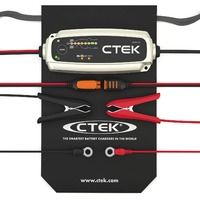
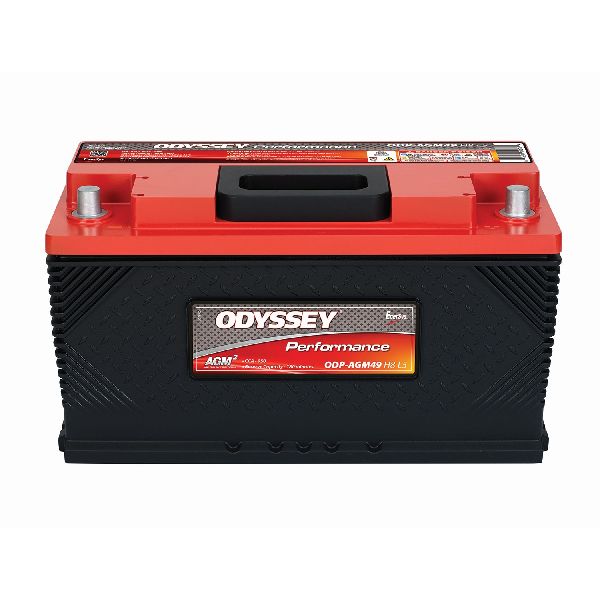
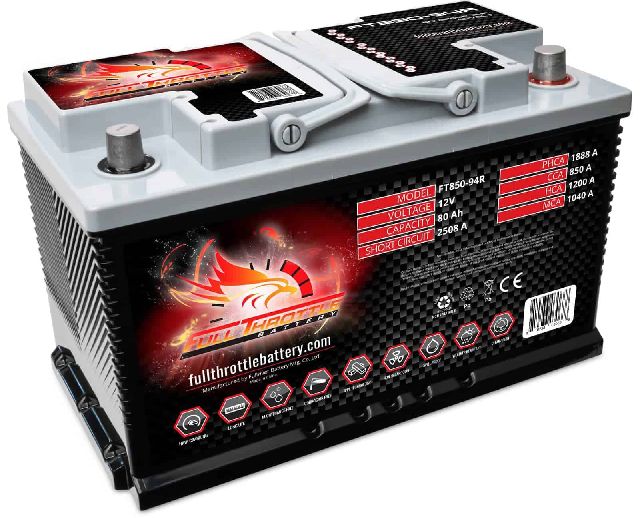
Typical fix: Charge or replace the main vehicle battery. Ensure the new battery is the correct type (AGM) and that the Battery Management System (BMS) is reset using a compatible scan tool. If the battery is healthy, a dealer or specialist must apply the software update per TSB JTB00557NAS2 to prevent recurrence.
Est. part cost: $250-$450 for a new AGM battery - Side Object Detection Module (SODL/SODR) Software Glitch 🟡 Medium Probability → Shop Collision Avoidance Sensor A known software issue can cause the blind spot monitoring modules (SODL/SODR) to falsely log a U3000-49 code. TSB SSM73549 was issued for this across many Jaguar models.
How to confirm: Scan for code U3000-49 in the SODL or SODR modules.
Typical fix: Per TSB SSM73549, if there are no symptoms, the instruction is to simply clear the code and take no further action. If the 'Blind Spot Monitor Not Available' message is displayed, BOTH modules need to be reprogrammed (re-flashed) with updated software by a dealer or qualified shop. Module replacement is explicitly advised against as a first step.
Est. part cost: $0 (clear code) - $250 (reprogramming) - Chassis Control Module (CHCM) Internal Fault ⚪ Low Probability → Shop Body Control Module While often triggered by low voltage, the CHCM itself can fail, causing a persistent U3000-04 code and 'Adaptive Dynamics Fault' message that does not resolve with a battery change or software update.
How to confirm: If the battery is confirmed healthy, the software is up to date per JTB00557NAS2, and the code returns immediately after clearing, the module itself is suspect.
Typical fix: Replacement of the Chassis Control Module, which requires programming to the vehicle.
Est. part cost: $400-$800
Rare But Worth Checking
- Damaged Wiring to Adaptive Damper: For the 'Adaptive Dynamics Fault', the wiring harness leading to the electronic shock absorbers is in the wheel well and can be damaged by debris or corrosion, mimicking a module or sensor failure. This is a known issue on related Land Rover models that use the same technology.
- Image Processing Module B (IPMB) Internal Failure: → Shop Collision Avoidance Sensor A U3000-96 code can be stored in the IPMB (related to the camera systems) with no functional effect. A TSB states to ignore the code unless there are actual camera system symptoms.
- Incorrect SODL/SODR Mounting Bracket: On 2021 models, TSB SSM75578 notes that incorrect blind spot module brackets may have been fitted at the factory, causing a misalignment that logs code U3000-78 (Alignment or adjustment incorrect). The fix is to install the correct brackets, not replace the modules.
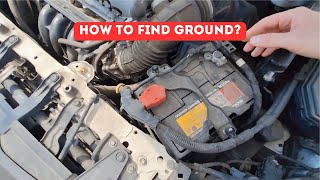
- Corroded Main Drivetrain-to-Chassis Ground Strap: → Shop Engine Ground Strap The main ground strap connecting the engine/transmission to the chassis can corrode, causing high resistance. This can lead to numerous, intermittent electrical faults, including U-codes in various modules, and slow-start conditions. 🎬 Watch: How to locate and inspect your car's ground connections.
Diagnosis Steps
- Connect a Jaguar-specific diagnostic tool (like JLR Pathfinder for 2017+ models) to the OBD-II port. A generic code reader is not sufficient.
- Perform a full vehicle scan to identify which specific control module has logged the U3000 code and what the two-digit suffix is (e.g., -04, -49, -78).
- Test the main 12V vehicle battery's state of charge and health. A resting voltage below 12.4V or a failure under load testing indicates a problem. This is the most common cause of spurious electronic faults.
- Perform a voltage drop test on the main ground points, especially the engine-to-chassis strap. While cranking the engine, the voltage between the battery negative post and the grounding point on the chassis should be well under 0.5V (500mV).
- If the code is U3000-04 in the CHCM with an 'Adaptive Dynamics Fault', address the main battery first. If the battery is good, seek a dealer or specialist to apply the software update from TSB JTB00557NAS2. Only suspect the module if these steps fail.
- If the code is U3000-49 in the TCU with an 'SOS Limited Availability' warning, the primary suspect is the internal backup battery. Replace with part T2R23864.
- If the code is U3000-49 in the SODL/SODR modules, follow TSB SSM73549: If no symptoms are present, clear the code and do nothing else. If symptoms are present, re-flash both modules. Do not replace them as a first step.
- Inspect wiring and connectors related to the faulting module, especially for the adaptive suspension dampers in the wheel wells, which are vulnerable to corrosion and damage. Also inspect the main power loom that runs underneath the vehicle for corrosion or damage.
- If all other steps fail and the code persists with symptoms, the module itself is likely faulty and requires replacement and programming.
Parts You'll Likely Need
- Telematics Backup Battery
(OEM #T2R23864)— This is the most common fix for the 'SOS Limited Availability' warning associated with code U3000-49 in the TCU. It is a consumable part with a finite lifespan.
Trusted brands: Jaguar (OEM)
OEM price range: $20-$150 - AGM Main Vehicle Battery — A weak main battery is a primary trigger for spurious U3000-04 codes related to the adaptive suspension, as confirmed by TSB JTB00557NAS2 and numerous owner reports.
Trusted brands: Bosch, Interstate, Duralast
OEM price range: $350-$450
Aftermarket price range: $250-$350 - Chassis Control Module (CHCM) — Replaced as a last resort for a persistent U3000-04 code when the battery, wiring, and software are confirmed to be good. A software update per TSB JTB00557NAS2 is a more likely fix.
Trusted brands: Jaguar (OEM)
OEM price range: $400-$800
Technical Service Bulletins (TSBs) & Recalls
- SSM74054
- H070NAS1
- SSM73549
- JTB00557NAS1
- JTB00557NAS2
- SSM75578
Platform-Specific Known Issues
- TSB SSM74054 addresses U3000-49 in the Telematics Control Unit (TCU) causing an 'SOS Limited Availability' warning, typically fixed by replacing battery T2R23864.
- TSB JTB00557NAS2 supersedes H070NAS1 and discusses U3000-04 in the Chassis Control Module (CHCM), confirming the cause is low voltage during cranking and the fix is a software update.
- TSB SSM73549 details the U3000-49 software glitch in the Side Object Detection Modules (SODL/SODR) and explicitly warns against replacing the modules.
- TSB SSM75578 identifies a U3000-78 fault in the SODL/SODR modules on some 2021 models
Mechanic-Grade Diagnostic Values
- Main 12V AGM Battery Voltage, Engine Off (Resting) — expected: ~12.6V or higher. Failure: A reading below 12.4V indicates a discharged or failing battery.
- Main 12V AGM Battery Voltage, Engine Running — expected: 13.7V - 14.7V. Failure: Voltage outside this range indicates a charging system problem (alternator or BMS).
- Ground Point Voltage Drop Test — expected: Well under 0.5V (500mV). Failure: A reading higher than 0.5V while cranking the engine indicates high resistance in the ground connection, which needs to be cleaned or repaired.
Hidden / Shadow Codes Worth Checking
- U3000-96: Component Internal Failure in the Image Processing Module B (IPMB). (see via JLR Pathfinder diagnostic tool. Per TSB SSM74543, this code should be ignored and cleared if no camera system symptoms are present. If symptoms exist, the module requires a software update.)
- U3000-05: A code stored in the Chassis Control Module (CHCM) when the air suspension is in 'tight tolerance mode', often displaying an 'Air suspension not in customer mode' message. (see via JLR Pathfinder or SDD. The fix is not parts replacement, but running a service function to reset the suspension to 'Normal mode'.)
Scan Tool Commands That Help
- JLR Pathfinder (for 2017+ models): Battery Management System (BMS) Reset — This function must be run after replacing the main 12V vehicle battery to inform the charging system of the new battery's characteristics, ensuring proper charging and longevity.
- JLR Pathfinder (version 246 or later): ECU Diagnostics -> Image Processing Module B (IPMB) -> Update ECU — Used to fix a U3000-96 code in the IPMB when there are active customer complaints about the camera system.
- JLR Pathfinder / SDD: ECU Diagnostics -> Chassis Control Module [CHCM] -> ECU Functions -> Suspension geometry set-up -> 'Normal mode' — Used to clear a U3000-05 code when the vehicle's air suspension is stuck in a factory or service mode. This resets the system to its normal customer-facing operation.
Wiring & Ground Locations
- Main Drivetrain to Chassis Ground Strap — A large braided steel strap located on the passenger side (US models), connecting the engine/transmission assembly to the vehicle's frame/body, visible from underneath.. Corrosion or looseness at this primary ground point can cause widespread, intermittent electrical faults, voltage drops, and spurious U-codes in multiple modules. It is a critical check for any complex electrical issue.
- Telematics Control Module (TCU) — Located in the rear of the vehicle, often behind the trim on the left side 'D' pillar in the cargo area.. This is the location of the module that logs U3000-49 for the 'SOS Limited Availability' fault. Physical access is required to replace its internal backup battery.
- Main Power Supply Loom — Runs from the rear-mounted battery, underneath the vehicle, to the engine bay fuse box.. This loom is susceptible to corrosion from road salt and moisture. A failure in this cable can cut power to the engine bay fuse box, leading to a no-start and a total loss of communication with critical modules like the ECU, TCM, and ABS, which can be mistaken for a network or module failure.
Real Owner Repair Stories
- Jaguar Forums (2016 Jaguar F-Type R (similar TCU system)) — "SOS Limited Functionality" warning message on the dash for several months.
❌ Tried (didn't work) Clearing the code without addressing the root cause.
✅ What actually fixed it The owner purchased a new TCU backup battery online. They accessed the TCU module located between the seats (location differs from F-Pace), opened a small access door with a T10 Torx driver, and replaced the small internal battery. This permanently resolved the warning message. - YouTube channel 'sandy anderson' (2017 Jaguar F-Pace 2.0d) — No crank, no start. No communication with ECU, TCM, or ABS modules when using a diagnostic scanner.
❌ Tried (didn't work) Checking fuses and relays in the engine bay fuse box, which appeared to have no power.
✅ What actually fixed it The technician discovered there was no main power feed to the engine bay fuse box. By tracing the wiring, they found the main power cable running from the battery underneath the car was severely corroded at a junction point behind the driver's side front wheel arch liner. Applying power directly to the fuse box stud allowed the car to start. The final fix was to repair or replace the corroded section of the main power loom. - Jaguar Forums (2014 Jaguar V6 S (similar electrical sensitivity)) — A cascade of faults appearing while driving: 'Adaptive Dynamic Fault', 'Park brake fault', 'ABS fault', 'Gearbox fault', and more, eventually putting the car in limp mode.
❌ Tried (didn't work) Dealer checked the battery and said it was fine at 12.5V., Dealer checked all ground wires and found no issues., Dealer suspected a faulty Body Control Module but could not pinpoint the problem.
✅ What actually fixed it Forum members overwhelmingly insisted the issue was the main 12V battery, despite the dealer's diagnosis. A resting voltage of 12.5V is not fully charged for an AGM battery, and these vehicles are extremely sensitive to the slightest voltage drop. The consensus fix was to fully charge or, more likely, replace the main battery, which resolves these cascading electronic faults.
"I Checked Everything" — The Actual Cause
- A 2017 F-Pace presented with a no-crank condition and a complete loss of communication with the engine, transmission, and ABS modules. This would typically point to a CAN bus network failure or a failed gateway module. However, the actual cause was a corroded main power cable running underneath the car, which cut off power to the entire front fuse box. The modules and network were fine, but they had no power to operate.
When the Usual Fixes Don't Work
- Numerous owner reports indicate that even when a Jaguar dealership tests the main 12V battery and declares it 'good', replacing the battery often resolves a host of intermittent electronic faults, including the 'Adaptive Dynamics Fault' associated with U3000-04. The modules in these vehicles are so sensitive that a battery that can still start the car and pass a standard load test may not be sufficient to prevent spurious voltage-related fault codes during engine crank.
Model Year Variations Within This Range
- 2017-2018: The correct dealership diagnostic tool for these model years is JLR Pathfinder. Earlier models (up to 2016) use the older Symptom Driven Diagnostics (SDD) software. While some aftermarket tools support both, using the correct OEM software is critical for programming and updates.
- 2017-2018: The software update to fix the U3000-04 'Adaptive Dynamics Fault' (TSB JTB00557NAS2) applies to F-Pace models within the VIN range 045068-264275.
Helpful Videos



We Have This Part in Stock

The information in this article is provided for general reference and educational purposes only. Vehicle specifications, procedures, and part compatibility can vary by production date, trim level, and region. Always consult your vehicle's factory service manual and verify part numbers before purchasing or performing repairs. Safety-critical components such as airbags, seat belts, and braking systems should be installed by a qualified professional.
- Jaguar F-PACE:
- 🧭 Diagnostic Flowchart
- 🎬 Helpful Videos
- 🛍️ Shop This Part
- What's Unique About the 2017-2018 Jaguar F-PACE
- Symptoms You May Notice
- Most Likely Causes
- Rare But Worth Checking
- Diagnosis Steps
- Parts You'll Likely Need
- Technical Service Bulletins (TSBs) & Recalls
- Platform-Specific Known Issues
- Mechanic-Grade Diagnostic Values
- Hidden / Shadow Codes Worth Checking
- Scan Tool Commands That Help
- Wiring & Ground Locations
- Real Owner Repair Stories
- "I Checked Everything" — The Actual Cause
- When the Usual Fixes Don't Work
- Model Year Variations Within This Range
- 🎟️ Get 5% Off