

U3003 on 2017-2021 Ford F-250 SD: Battery Voltage Issues and Fixes
On a 2017-2021 Ford F-250, code U3003 typically points to a battery voltage problem, often caused by water leaking into the Battery Junction Box (BJB) under the hood. This is a known issue documented in Ford TSBs. Inspecting and potentially replacing the BJB is the most likely fix, as corrosion from moisture is the primary cause of the voltage irregularity.
- U3003 on your F-250 means 'check the voltage', and the first place to look is the Battery Junction Box (BJB) for water damage.
- Symptoms are severe, often resulting in a no-start condition or failure of the ABS, so the truck should not be driven.
- Before replacing any expensive modules, perform a battery load test and thoroughly inspect the BJB for corrosion.
- The most probable fix is replacing the BJB and its cover if any signs of moisture are present.
What's Unique About the 2017-2021 Ford F-250 SD

The 2017-2022 Super Duty platform is particularly susceptible to a design flaw where water can intrude into the under-hood Battery Junction Box (BJB), also known as the main fuse box. This happens because the BJB cover may not be fully seated from the factory, have broken locking tabs, or was disturbed during service, allowing water from rain or washing to drip directly into the fuse box. This water intrusion causes corrosion and electrical shorts, leading to erratic voltage and triggering the U3003 code in various modules, most notably the ABS module. Ford has issued multiple Technical Service Bulletins (TSBs) acknowledging this specific problem.
Diagnostic Flowchart

Tap your situation to follow the diagnostic path that matches what you're seeing on this vehicle.
Symptoms You May Notice

- No crank / no start condition.
- Illuminated Anti-lock Braking System (ABS) warning light.
- Horn stays on.
- Engine will not turn off with the key.
- Dead battery.
- Power Running Boards (PRB) are disabled and set to 'Off' in the cluster menu.
- Multiple random warning lights and error messages on the instrument cluster.
- Flickering lights or slow operation of power windows.
- AC system fan keeps running even when the truck is off.
- Double horn honk when exiting the vehicle, as if the key was left inside while running.
- Replacing individual modules (like the ABS or RBM) without first checking the power supply. The U3003 code is a symptom of a voltage problem *to* the module, not necessarily a fault *within* the module itself.
- Assuming the BJB is fine after a quick glance. Corrosion can be hidden underneath, requiring removal of the unit to fully inspect the connectors below.
Most Likely Causes

- Water Intrusion in Battery Junction Box (BJB) 🔴 High Probability → Shop Vehicle Battery The BJB cover may not be fully seated or have broken locking tabs, allowing water from rain or washing to drip directly into the fuse box, causing corrosion and short circuits. The design allows water running off the cowl to drip onto the BJB.
How to confirm: Visually inspect the inside of the BJB (under the hood, passenger side, near the battery) for any signs of moisture, white or green corrosion on the terminals, or water stains. The TSBs provide images of correct and incorrect cover installation for reference.
Typical fix: If corrosion or water damage is found, the Battery Junction Box and its cover must be replaced. All affected connectors should be cleaned and secured. It is critical to ensure the new cover is fully seated with all tabs locked. Some owners recommend saving the fuses and relays from the old box, as they can be expensive to purchase new.
Est. part cost: $250-$450 - Failing or Weak Battery 🟡 Medium Probability → Shop Vehicle Battery Modern trucks have a high electrical demand, and the factory-installed batteries have been known to fail prematurely. A battery that is aging or has a bad cell can cause system voltage to drop below the required threshold during startup or when under load.
How to confirm: Perform a load test on the battery. A simple voltage check is often not sufficient. Many auto parts stores can perform this test for free. Voltage should be ~12.6V at rest and ~14.0V+ when running.
Typical fix: Replace the battery, often with a higher quality AGM battery. It is also recommended to reset the Battery Monitoring System (BMS) using a capable scan tool (like FORScan) after replacement to ensure proper charging and prevent future issues.
Est. part cost: $200-$400 - Loose or Corroded Battery Terminals/Grounds ⚪ Low Probability → Shop Vehicle Battery Vibration and exposure to the elements can lead to loose connections or corrosion on the main battery posts or chassis ground points, creating high resistance in the circuit.
How to confirm: Visually inspect and physically check the battery terminals and main ground straps for tightness and signs of corrosion. Check the main chassis ground on the frame rail. 🎬 Watch: Why checking grounds is critical on aluminum Ford trucks.
Typical fix: Clean the terminals thoroughly with a wire brush and ensure all connections are tight. Apply dielectric grease to prevent future corrosion.
Est. part cost: $5-$20
Rare But Worth Checking
- Failing Alternator: → Shop Alternator While less common than battery or BJB issues, a failing alternator can cause both under-voltage (U3003:16) and over-voltage (U3003:17) conditions, leading to a host of electrical problems.
- Aftermarket Accessory Wiring: Improperly installed aftermarket accessories, such as dash cams or light bars, that are wired into the BJB can prevent the cover from sealing correctly, leading to water intrusion.
Diagnosis Steps
- Scan all vehicle modules with a high-quality scan tool (like FORScan) to identify which module(s) are storing the U3003 code and note the suffix (:16 for low voltage, :17 for high voltage).
- Perform a battery load test to confirm its health. A resting voltage check is insufficient.
- Inspect the battery terminals and main power/ground cables for tightness and corrosion. Clean as necessary.
- Carefully open the Battery Junction Box (BJB) under the hood on the passenger side. Inspect thoroughly for any signs of water intrusion, corrosion, or damaged pins. Pay close attention to the cover's locking tabs and seating.
- If the BJB appears damaged, remove the battery and battery tray to access and disconnect the BJB. Inspect the large connectors on the underside for corrosion.
- If the BJB is dry and clean, and the battery is good, test the alternator's output voltage with the engine running. It should typically be between 13.8V and 14.5V.
- If the code is isolated to a single module (like the RBM for power running boards) and all power sources are good, inspect the wiring and connectors leading to that specific module for damage.
Parts You'll Likely Need
- Battery Junction Box (BJB)
(OEM #LC3Z-14A068-A (Diesel), LC3Z-14A068-B (Gas))— This is the most common point of failure on the 2017-2022 F-Super Duty due to water intrusion, as documented in multiple Ford TSBs. It is critical to order the correct part for the engine type (gas vs. diesel).
Trusted brands: Motorcraft
OEM price range: $300-$450
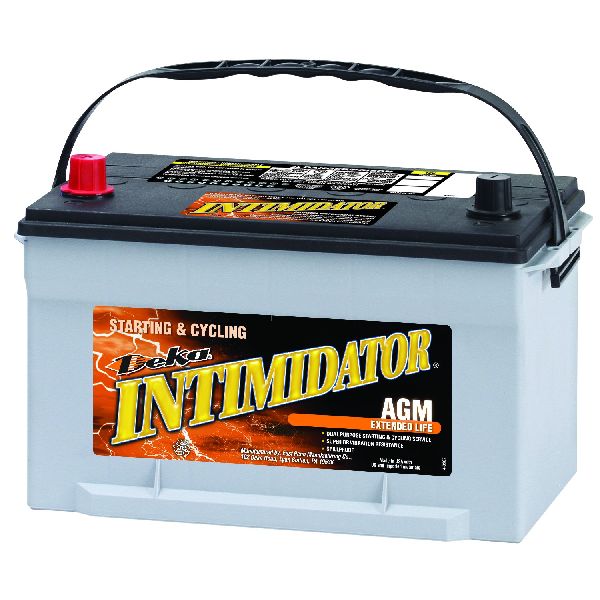
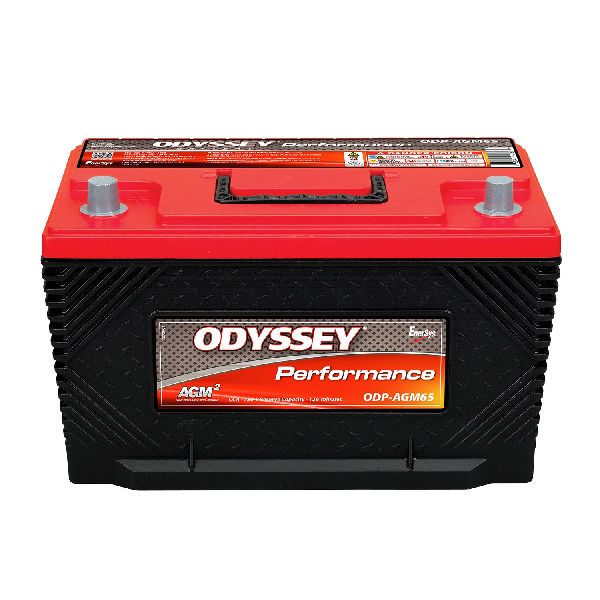
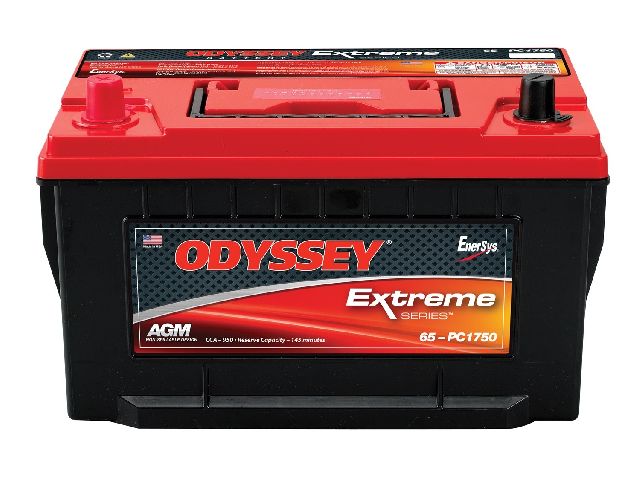
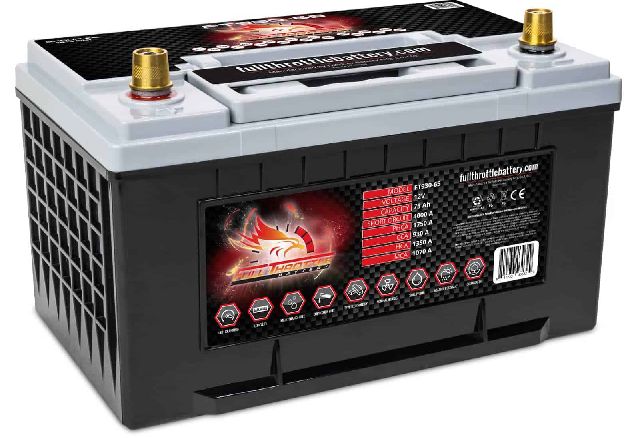
Aftermarket price range: $250-$400 - AGM Battery — A weak or failing battery is a frequent cause of low voltage codes. These trucks have high electrical demands, and a healthy battery is crucial. Many owners upgrade to a higher-quality aftermarket AGM battery.
Trusted brands: Motorcraft, Northstar, Odyssey
OEM price range: $250-$350
Aftermarket price range: $200-$400 - Battery Junction Box Cover
(OEM #LC3Z-14A003-D)— The TSB recommends replacing the cover along with the BJB to ensure a proper seal and prevent recurrence. Broken locking tabs are a common issue.
Trusted brands: Motorcraft
OEM price range: $30-$50
Related Codes That Often Appear With This One
- C0020 — This ABS pump motor control code often appears with U3003 when water intrusion in the BJB affects the power supply to the ABS module. The TSBs specifically call out this code combination.
- U-codes (various) — Widespread voltage instability from a bad BJB or battery can cause loss of communication codes across multiple vehicle modules.
Technical Service Bulletins (TSBs) & Recalls
- TSB 23-2133: Supersedes previous TSBs for 2020-2022 models, linking U3003 in the ABS module to water in the BJB causing various electrical issues.
- TSB 22-2004: Earlier version for 2020 models, mentioning no-crank and horn issues from water in BJB.
- SSM 50154: Links U3003:16 in the running board module to a low battery state, causing them to be disabled.
Platform-Specific Known Issues
- TSB 23-2133 & Superseded Bulletins: These bulletins (which supersede TSB 22-2004, 22-2443, and others) directly address a no-crank/no-start, illuminated ABS light, horn staying on, and codes C0020 and U3003 caused by water intrusion into the Battery Junction Box (BJB). The cause is identified as an improperly seated BJB cover or broken locking tabs. The fix is to inspect and, if water is present, replace the BJB and its cover.
- SSM 50154: Power Running Board Failure: This Special Service Message notes that code U3003:16 in the Running Board Control Module (RBM) can be caused by a low battery condition, which disables the power running boards and changes their setting to 'Off' in the instrument cluster. The fix is to address the low voltage condition and then re-enable the running boards in the vehicle settings.
- Owner Repair Story: Dash Cam Installation Leads to Failure: A user on Ford-Trucks.com shared a detailed story where a professional dash cam installation led to BJB failure. The installers ran a wire into the BJB, preventing the lid f
Mechanic-Grade Diagnostic Values
- BCM (Body Control Module) Voltage Supply — expected: Above 9.0 volts. Failure: DTC U3003:16 sets when voltage drops below 9.0 volts.
- RCM (Restraints Control Module) Voltage Supply — expected: 9.5 - 16.0 volts. Failure: U3003:16 sets below 9.5V; U3003:17 sets above 16.0V.
- HCM (Headlamp Control Module) Voltage Supply — expected: Below 16.0 volts. Failure: DTC U3003:17 sets when voltage is detected above 16.0 volts.
- Alternator Output Voltage (Engine Running) — expected: 13.8 - 14.5 volts. Failure: Voltage below 13.8V indicates an undercharging condition; voltage above 14.5V indicates an overcharging condition.
Scan Tool Commands That Help
- FORScan: Battery Monitoring System (BMS) Reset — After replacing the vehicle's battery. This procedure resets the battery's state-of-charge parameters in the BCM, ensuring the alternator charges the new battery correctly and preventing premature failure or voltage-related codes.
- FORScan / Ford IDS: ABS Module Initialization / Configuration — After replacing the ABS module. The new (or used) module must be programmed with the vehicle's VIN and factory 'as-built' data to communicate correctly on the CAN bus and function properly. Failure to do so will result in communication errors and a non-functional ABS system.
- Ford IDS: BCM Self-Test — As an initial diagnostic step to check for codes stored within the Body Control Module. This can help confirm if U3003:16 is present and initiate pinpoint tests.
Wiring & Ground Locations
- G100 — On the right front inner fender, near the battery compartment (for both gas and diesel models).. This is a primary engine bay ground. Corrosion or a loose connection here can cause widespread electrical issues, including voltage instability that triggers U3003.
- G304 (example) — Main battery ground cables typically connect to the engine block and the frame rail near the battery.. The main chassis ground is critical for the entire vehicle's electrical system. A compromised connection here creates high resistance, leading to voltage drops and codes like U3003.
- Passenger Kick Panel Ground Stud — Behind the passenger side kick panel, there is often a factory ground stud on the chassis used by various interior modules.. Modules inside the cab, such as the RBM or IPC, rely on clean interior grounds. If U3003 is isolated to an interior module, checking these grounds is a key diagnostic step.
- BJB Underside Connectors — Beneath the main BJB assembly, accessed after removing the battery and battery tray.. These are the main power input/output connectors for the BJB. Water that gets into the BJB often pools at the bottom, causing severe corrosion on these connectors, which is the direct cause of the voltage faults and no-start conditions.
Real Owner Repair Stories
- Ford Truck Enthusiasts user (2020 Ford Super Duty) — Dead batteries, no-start condition, various strange electrical faults after a car wash.
❌ Tried (didn't work) Checking plugs near the spare tire for water intrusion.
✅ What actually fixed it The owner discovered a professional dash cam installation had routed a wire into the Battery Junction Box (BJB), preventing the lid from sealing. This allowed water to enter over time, causing corrosion and shorting. The dealer replaced the BJB to fix the issue. The owner cautions others to be very careful when wiring accessories into the BJB. - YouTube user 'Just a dude' (2020-2022 Ford Super Duty 6.7L Powerstroke) — After washing the truck, the engine would not turn off for several minutes.
✅ What actually fixed it The BJB cover was found to be improperly installed by a previous upfitter who worked on the truck. Water intrusion was causing the electrical issue. Replacing the BJB and ensuring the new cover was properly sealed resolved the problem. The video also notes that for a 'will not turn off' symptom, pulling the 30-amp fuse located caddy-corner to the BJB's main bolt can shut the engine down in an emergency.
Model Year Variations Within This Range
- 2020-2021: The 2020 model year refresh introduced several changes, including a new 10-speed automatic transmission, an available 7.3L gas engine, and an electric power steering assist overlay. Electrically, some harness plugs, like the one for the Audio Control Module (ACM), were changed. The upfitter wires in the engine bay were moved from the driver's side to the passenger side. These changes mean wiring diagrams and some component locations may differ from 2017-2019 models.
Helpful Videos
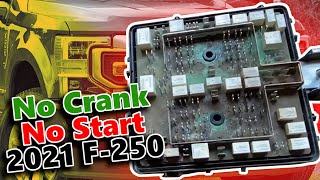
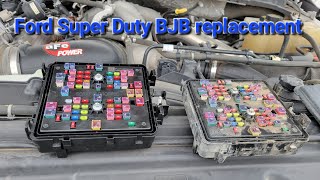
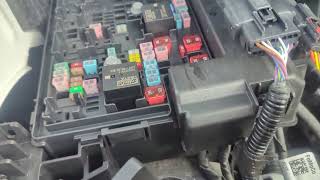
We Have This Part in Stock

The information in this article is provided for general reference and educational purposes only. Vehicle specifications, procedures, and part compatibility can vary by production date, trim level, and region. Always consult your vehicle's factory service manual and verify part numbers before purchasing or performing repairs. Safety-critical components such as airbags, seat belts, and braking systems should be installed by a qualified professional.
- Ford F-250 SD:
- 🧭 Diagnostic Flowchart
- 🎬 Helpful Videos
- 🛍️ Shop This Part
- What's Unique About the 2017-2021 Ford F-250 SD
- Symptoms You May Notice
- Most Likely Causes
- Rare But Worth Checking
- Diagnosis Steps
- Parts You'll Likely Need
- Related Codes That Often Appear With This One
- Technical Service Bulletins (TSBs) & Recalls
- Platform-Specific Known Issues
- Mechanic-Grade Diagnostic Values
- Scan Tool Commands That Help
- Wiring & Ground Locations
- Real Owner Repair Stories
- Model Year Variations Within This Range
- 🎟️ Get 5% Off