

U3003 on 2010-2019 Ford Taurus: Battery Voltage Fault Causes and Fixes
On a 2010-2019 Ford Taurus, code U3003 almost always indicates a weak or failing 12V battery. Before replacing parts, have the battery load-tested. If the battery is replaced, the Battery Monitoring System (BMS) must be reset, which is a critical and often-skipped step for this vehicle.
- U3003 on a 2010-2019 Taurus means there is a battery voltage problem, most likely a weak or dying battery.
- Always perform a battery load test, not just a voltage check, to confirm the battery's health.
- If you replace the battery, you MUST perform a Battery Monitoring System (BMS) reset. Failure to do so will cause the new battery to fail prematurely.
- Before suspecting expensive control modules, thoroughly check the battery, alternator, and all primary power and ground connections.
What's Unique About the 2010-2019 Ford Taurus
The sixth-generation Ford Taurus (2010-2019) relies on a Battery Monitoring System (BMS). This system actively monitors the battery's state of charge and health to optimize charging and manage the vehicle's electrical load. A U3003 code is frequently the first sign that the BMS has determined the battery is weak. A critical aspect of this platform is that if the battery is replaced, the BMS must be reset. If this step is skipped, the system will continue to charge the new battery as if it were the old, degraded one, leading to undercharging, premature failure, and the return of the U3003 code. The system may take up to 8 hours of undisturbed rest to re-learn the battery state if not reset, during which time electrical features may be disabled.
Symptoms You May Notice
- Difficulty starting the engine or a slow, sluggish crank.
- Battery warning light or 'Check Engine' light on the dashboard.
- A 'System off to save Battery' or 'Battery Saver Active' message on the instrument cluster.
- Dim or flickering interior and exterior lights.
- Malfunctions with electrical accessories like the radio, navigation, or power windows.
- Features like auto start/stop or keyless entry may be disabled by the system to conserve power.
- Power running boards (if equipped on platform mates) may retract and set to 'Off'.
- Replacing control modules. The U3003 code is almost always a symptom of a power supply problem, not a failure of the module that stored the code. Always diagnose the battery and charging system first.
Most Likely Causes
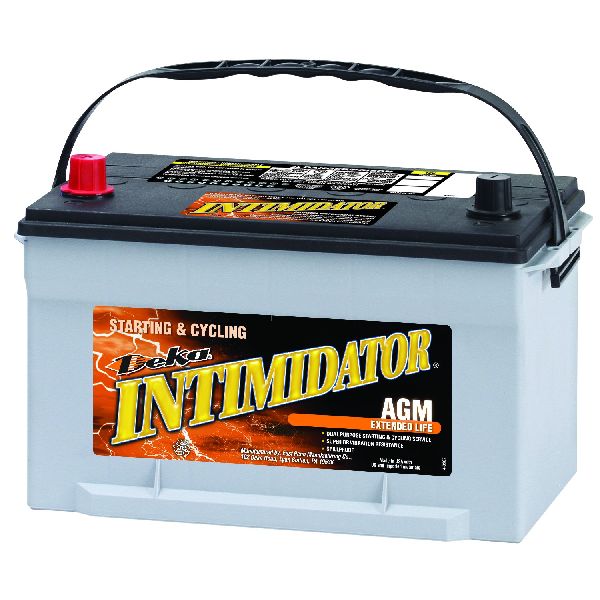
- Weak or Failing 12V Battery 🔴 High Probability → Shop Vehicle Battery The original equipment Motorcraft batteries in these vehicles have a typical service life of 3-5 years. The complex electronics and potential for short trips (which don't fully charge the battery) shorten this lifespan.
How to confirm: Perform a professional load test on the battery. A simple voltage check is insufficient. During a load test (cranking), the voltage should not drop below 9.6V. Many auto parts stores will do this for free.
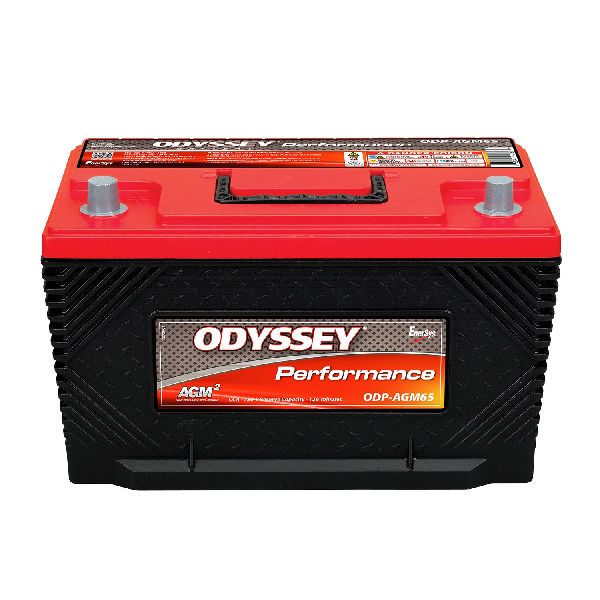
Typical fix: Replace the 12V battery. An AGM (Absorbent Glass Mat) battery is often the recommended type for vehicles with high electronic loads. The Battery Monitoring System (BMS) must be reset after replacement.
Est. part cost: $150-$350 - Battery Monitoring System (BMS) Not Reset After Replacement 🔴 High Probability → Shop Vehicle Battery This is a required procedure on all modern Fords with a BMS sensor on the negative terminal. If skipped, the BCM does not know a new battery has been installed and will undercharge it, causing it to fail prematurely and the U3003 code to return.
How to confirm: If the battery was recently replaced and the code returned, this is the most likely cause. A Ford-specific scan tool like FORScan can check the 'Battery Age' parameter, which should be near zero days. The manual reset procedure can also be attempted.
Typical fix: Perform the BMS reset procedure. This can be done with a capable scan tool or via a manual sequence: Turn ignition ON (engine off), flash high beams 5 times, then press the brake pedal 3 times. Wait for the battery light on the dash to flash 3 times to confirm the reset. 🎬 Watch: How to manually reset the BMS
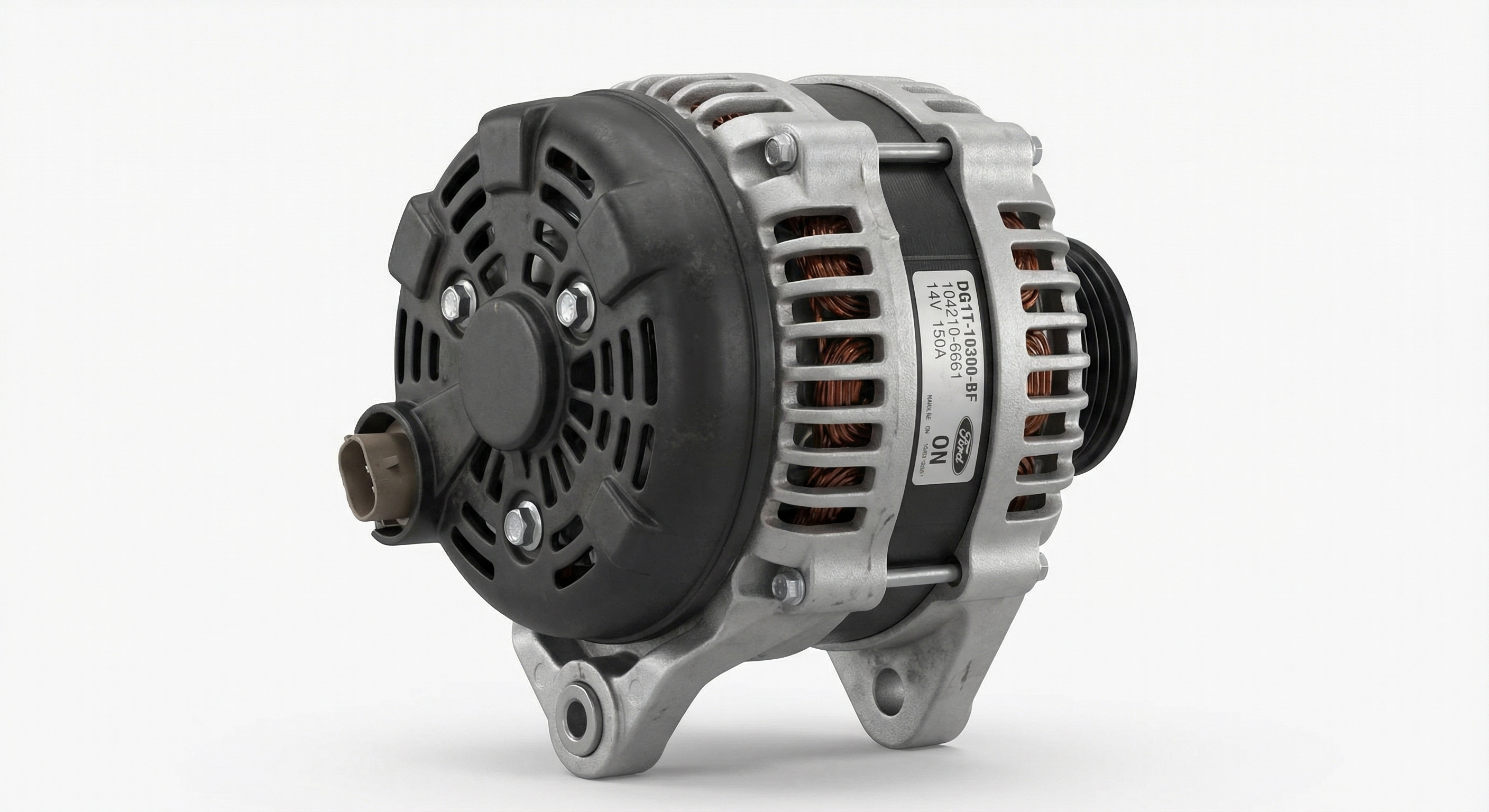
Est. part cost: $0 - Failing Alternator or Charging System Issue 🟡 Medium Probability → Shop Alternator
How to confirm: With the engine running, measure the voltage at the battery terminals. A healthy charging system should read between approximately 13.5V and 14.8V. Readings below this range, or voltage dropping when revving the engine, can indicate a failing alternator or voltage regulator.
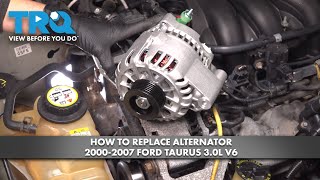
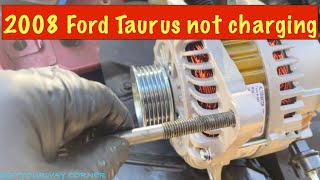
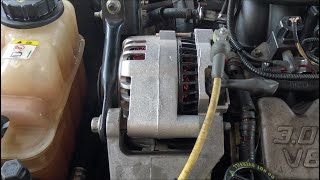
Typical fix: Replace the alternator and serpentine belt. Ensure all connections to the alternator are clean and tight.
Est. part cost: $250-$600 - Loose or Corroded Battery Terminals/Grounds 🟡 Medium Probability → Shop Vehicle Battery Corrosion builds up over time, creating resistance that leads to voltage drops under load. Check the main chassis ground strap, often located on the transmission case below the brake booster, for corrosion or looseness.
How to confirm: Visually inspect the battery terminals for white or blue-green powder (corrosion). Check that the main battery cables and the chassis ground straps are clean and tight.
Typical fix: Disconnect the battery (negative first). Thoroughly clean the battery posts and cable terminals with a wire brush and corrosion-inhibiting spray. Reconnect securely (positive first).
Est. part cost: $5-$15
Rare But Worth Checking
- Parasitic Electrical Draw: A module or component may not be 'sleeping' properly when the car is off, slowly draining the battery. This can be time-consuming to diagnose but is a known cause if the battery and alternator are confirmed to be good. Common culprits can be aftermarket accessories or failing factory modules like the radio or door control units.
- Faulty Battery Monitoring System (BMS) Sensor: → Shop Vehicle Battery The sensor itself, located on the negative battery terminal, can fail. This is uncommon but possible. It often requires replacing the entire negative battery cable assembly, as the sensor is integrated into it. The OEM part number is a good starting point for replacement.
- Failing Smart Junction Box (SJB) / Body Control Module (BCM): On the Taurus, the SJB is also the BCM. It is located under the driver's side dash and is a known point of failure due to water intrusion from a leaking windshield or cowl. A failing SJB can cause significant parasitic battery drain, leading to a recurring U3003 code. Replacement requires programming to the vehicle.
Diagnosis Steps
- Read all Diagnostic Trouble Codes (DTCs) from all modules to see which ones are reporting the U3003 code. Note any suffixes like :16 (low voltage) or :17 (high voltage).
- Perform a professional load test on the 12V battery to verify its health. Voltage should remain above 9.6V during cranking.
- Visually inspect the battery terminals, cables, and main chassis ground points for looseness or corrosion. Clean and tighten as necessary. Pay special attention to grounds G100, G104, and G103 in the engine bay.
- With the engine running, use a multimeter to check the charging system voltage at the battery. It should be between 13.5V and 14.8V.
- If the battery was recently replaced, confirm that the Battery Monitoring System (BMS) was reset. If unsure, perform the manual reset procedure (High beams 5x, Brake 3x).
- If the battery and alternator test good, perform a parasitic draw test to check for modules that are not shutting down correctly. The draw should be less than 50 milliamps after the vehicle has been sitting undisturbed for at least 45 minutes. 🎬 Watch: The easiest way to test parasitic draw
- If a significant parasitic draw is found, suspect the Smart Junction Box (SJB/BCM), a common failure point for this issue on the Taurus.
Parts You'll Likely Need
- 12V Battery — This is the most frequent cause of U3003. The original battery has a finite lifespan and is often the root of the problem.
Trusted brands: Motorcraft, Deka, Northstar, Odyssey
OEM price range: $200-$300
Aftermarket price range: $150-$250 - Alternator — If the charging system is not providing adequate voltage, the battery will not stay charged, leading to this code.
Trusted brands: Motorcraft, Bosch, Denso
OEM price range: $400-$600
Aftermarket price range: $250-$450 - Negative Battery Cable with BMS Sensor
(OEM #DG1Z-10C679-B (Verify specific application))— In the rare case that the BMS sensor itself fails, it is typically replaced as part of the negative battery cable assembly.
Trusted brands: Motorcraft
OEM price range: $100-$180
Aftermarket price range: $70-$120
Related Codes That Often Appear With This One
- P0562 — This is the Powertrain Control Module's (PCM) equivalent of U3003:16, indicating it also detected a system voltage low condition.
- U0100 — Severe low voltage can disrupt the vehicle's communication network (CAN bus), causing modules to lose communication with the main engine computer. Fixing the voltage issue usually resolves this code.
- P0620 — This code for 'Generator Control Circuit' points more directly at a fault with the alternator's internal voltage regulator or its control circuit, which would be the root cause of the low voltage triggering U3003.
Technical Service Bulletins (TSBs) & Recalls
- SSM 50154: Notes that U3003:16 can be set in various modules due to a low battery state of charge, and the root cause (battery or charging system) should be fixed before replacing any modules.
- SSM 47784: While for a different vehicle, this TSB reinforces Ford's procedure of addressing the root cause of low voltage and performing a BMS reset before replacing modules, a principle that applies directly to the Taurus.
Platform-Specific Known Issues
- On the Taurus, the battery is located in the trunk, under the spare tire cover. This means the battery cables are very long, increasing the potential for voltage drop over their length, and making inspection of the cables more involved.
- The Smart Junction Box (SJB), which also functions as the Body Control Module (BCM), is located under the driver's side dash and is known to be susceptible to water damage from leaking windshields or cowls, often causing parasitic battery drains that trigger U3003.
Mechanic-Grade Diagnostic Values
- BCM Voltage Supply (V_BATT PID) — expected: Should mirror battery voltage, approx. 12.4-12.8V KOEO, 13.5-14.8V engine running.. Failure: Sets U3003:16 when voltage drops below 9.0 volts.
- Restraints Control Module (RCM) Voltage Supply — expected: 9.5 - 16.0 volts.. Failure: Sets U3003:16 below 9.5V; U3003:17 above 16.0V.
- Head Up Display (HUD) Module Voltage Supply — expected: Above 7.0 volts.. Failure: Sets U3003:16 if voltage is below 7.0 volts for more than 500ms.
- Parasitic Draw (Key Off, Modules Asleep) — expected: Less than 50 milliamps (0.05A).. Failure: A sustained draw above 50mA indicates a component or module is not shutting down, draining the battery.
- Ground Circuit Resistance — expected: Less than 5 ohms.. Failure: Resistance higher than 5 ohms between a component's ground wire and the chassis indicates a poor ground connection that needs to be cleaned or repaired.
Hidden / Shadow Codes Worth Checking
- U3003:16: Circuit Voltage Below Threshold. This confirms the power supply issue is low voltage, the most common variant of this code. (see via A capable OBD-II scanner like FORScan or professional-grade tools.)
- U3003:17: Circuit Voltage Above Threshold. This indicates an over-voltage condition, typically pointing to a failing alternator voltage regulator. (see via A capable OBD-II scanner like FORScan or professional-grade tools.)
Scan Tool Commands That Help
- FORScan / Ford IDS: BCM - Battery Monitoring System Reset — This command is mandatory after replacing the 12V battery. It resets the battery's age and state-of-charge parameters in the BCM, ensuring the new battery is charged correctly.
- FORScan / Ford IDS: BCM DataLogger - Monitor PID: V_BATT — Use this to see the voltage the Body Control Module is actually receiving. Comparing this live data value to the voltage measured directly at the battery can help diagnose voltage drops caused by corroded wires or bad connections.
Wiring & Ground Locations
- Battery Junction Box (BJB) — Under the hood, near the battery and firewall on the driver's side.. This is the main power distribution center. Corrosion here from moisture or loose connections can cause widespread voltage issues.
- Smart Junction Box (SJB) / BCM — Inside the cabin, under the driver's side dashboard, to the left of the steering column.. This is the Body Control Module. It is a common source of parasitic draws on this platform, often due to water intrusion from a leaking windshield, which will drain the battery and set U3003.
- G104 — Left front of the engine compartment.. This is a primary chassis ground point. A poor connection here can affect the alternator's ability to charge the battery and provide stable voltage.
- G103 / G105 — Located at the rear of the engine/engine compartment.. These are main engine-to-chassis grounds. High resistance at these points can cause slow cranking and electrical noise, contributing to voltage-related codes.
- Main Engine/Transmission Ground Strap — Often located on the transmission case, below the brake booster.. This is the primary high-current ground path for the starter and alternator. Corrosion or looseness here directly causes starting and charging problems.
Real Owner Repair Stories
- Ford Truck Enthusiasts Forum (2018 Ford F-150 (similar BMS/electrical system)) — Silent U3003 code found with FORScan, no check engine light. Vehicle was garage kept but driven on many short trips.
❌ Tried (didn't work) Initially ignored as a potential software glitch.
✅ What actually fixed it The owner was advised the code was an early sign of impending battery failure. They replaced the original Motorcraft battery with a higher quality AGM battery and performed a BMS reset. This resolved the code. - Reddit r/AskMechanics (2011 Ford Taurus SHO, 98k miles) — Parasitic battery drain, key fob not working correctly. Battery would die repeatedly.
❌ Tried (didn't work) A shop performed a parasitic draw test but couldn't get the car to 'go to sleep', pulled 8 fuses and incorrectly condemned the BCM.
✅ What actually fixed it A second shop performed a simple test: they measured battery voltage while revving the engine and saw the voltage drop from ~14V to ~12V. This indicated a faulty alternator/voltage regulator was not charging the battery properly under load. Replacing the alternator was the correct diagnosis.
OEM Part Supersession History
DG1Z-10C679-A→DG1Z-10C679-B— Revision of the negative battery cable assembly which includes the BMS sensor.
Heads up: Part numbers like ML3Z-10C679-B are for different Ford models (F-150, Bronco) and should not be used on the Taurus.
Diagnostic Flowchart
Other Known Issues on This Vehicle
Issues unrelated to this code that are worth knowing about as an owner of this generation:
- Internal Water Pump Failure (3.5L V6) 🔴 High — Common after 80,000-100,000 miles. A major, labor-intensive repair (12+ hours) as the pump is driven by the timing chain. Failure can cause coolant to mix with engine oil, leading to catastrophic engine damage.
- Power Transfer Unit (PTU) Failure (AWD Models) 🔴 High — Common due to overheating of the non-serviceable fluid. The unit is located near the hot exhaust, cooking the lubricant. Symptoms include grinding/clunking noises or a propane-like smell. Failure often requires complete PTU replacement.
- Electronic Throttle Body Failure 🟠 Medium — Widespread issue where internal contacts get contaminated, causing the vehicle to suddenly enter 'limp mode' with reduced power. Cleaning does not fix the electronic fault; replacement is required. (Ref: Customer Satisfaction Program 13N03)
- Timing Chain Rattle on Cold Start (3.5L EcoBoost) 🟠 Medium — A rattle lasting 2-5 seconds on cold starts is often due to worn VCT (Variable Camshaft Timing) phasers. If not addressed, it can lead to timing chain issues. (Ref: TSB 18-2305)
Used vs. New Parts: Buying Guide for This Vehicle
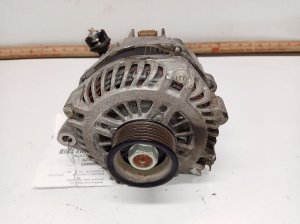
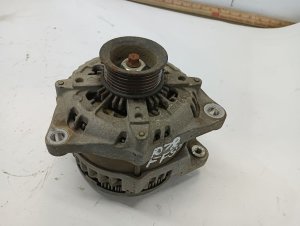
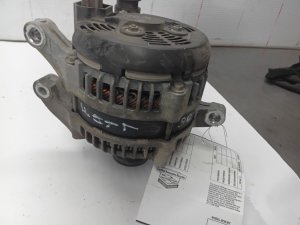
When a used part is the smart pick: For this repair, a used alternator from a low-mileage donor vehicle can be a cost-effective option. Other related components like battery cables or the Battery Junction Box (BJB) are also generally safe to source from a junkyard, provided they are free of corrosion and damage.
Donor-vehicle mileage cap: roughly under 75000 miles for the part to have meaningful remaining life.
What to inspect on the donor part:
- For an alternator, check for smooth bearing rotation with no noise or roughness. Ensure the pulley is in good condition.
- For a BJB or cables, inspect meticulously for any signs of green/white corrosion, melted plastic, or water damage.
- Verify the donor vehicle was not in a front-end or flood-related accident.
OEM-only on this vehicle (don't cheap out):
- Smart Junction Box (BCM/SJB): While a used unit can be purchased, it requires dealer or specialist programming to your car's VIN and options. The cost and complexity often make a new, professionally installed unit a more reliable choice.
- Battery Monitoring System (BMS) Sensor: Given its critical role and integration with the negative battery cable, using a new OEM part (DG1Z-10C679-B) is strongly recommended to avoid persistent charging issues.
Aftermarket brands forum-validated for this vehicle:
- Battery: Odyssey, Northstar, Deka (for high-quality AGM options)
- Alternator: Denso, Bosch (as OEM suppliers), Motorcraft (OEM)
Brands owners have reported issues with on this vehicle:
- Avoid generic, no-name 'white box' electrical parts like alternators or sensors, as their internal voltage regulators and build quality are often subpar and can fail quickly.
Real Owner Stories
Aggregated from forums and TSBs cited above. Mileages and costs reflect what owners reported in those sources.
2018 Ford (Taurus Platform Mate)
Symptoms: The owner discovered a 'silent' U3003 DTC and determined the original battery was 'junk'.
What fixed it: Replaced the factory battery with an AGM (Absorbent Glass Mat) battery and performed a BMS reset.
Source hint: Ford Truck Enthusiasts Forums - 'Silent DTC U3003?'
2013 Ford Taurus
Symptoms: The vehicle was experiencing slow cranking and a U3003-17 code was present.
What fixed it: Replacement of the failing battery resolved the issue.
Source hint: Taurus Club of America Forums - 'U3003-17 code'
2013 Ford Taurus
Symptoms: The owner needed to perform a Battery System Monitor (BSM) reset to ensure the vehicle recognized the new battery state.
What fixed it: Performed a BMS reset procedure using a professional scan tool to avoid the 8-hour re-learn period.
Source hint: YouTube - '13 Taurus BSM (battery system monitor) Reset using the artipad'
Related OBD-II Codes
Frequently Asked Questions
I just replaced the battery in my 2013 Taurus; why is the U3003 code still appearing?
Does SSM 50154 apply to my Taurus if I have a U3003:16 code?
Where is the battery located on my Ford Taurus, and does it affect the U3003 code?
Can a leaking windshield cause a U3003 code on a 2010-2019 Taurus?
What should the voltage be on my Taurus while the engine is running to rule out an alternator issue?
Is there a specific ground I should check on my Taurus for this code?
Helpful Videos
![Avoid Expensive Shop Repairs: DIY Reset the Ford Vehicle Battery Monitoring System [BMS]](https://img.youtube.com/vi/QTtb7rKaZTE/mqdefault.jpg)



Used OEM Parts in Stock
New Aftermarket Parts Available


The information in this article is provided for general reference and educational purposes only. Vehicle specifications, procedures, and part compatibility can vary by production date, trim level, and region. Always consult your vehicle's factory service manual and verify part numbers before purchasing or performing repairs. Safety-critical components such as airbags, seat belts, and braking systems should be installed by a qualified professional.
- Ford Taurus:
- 🧭 Diagnostic Flowchart
- 🎬 Helpful Videos
- 🛍️ Shop This Part
- What's Unique About the 2010-2019 Ford Taurus
- Symptoms You May Notice
- Most Likely Causes
- Rare But Worth Checking
- Diagnosis Steps
- Parts You'll Likely Need
- Related Codes That Often Appear With This One
- Technical Service Bulletins (TSBs) & Recalls
- Platform-Specific Known Issues
- Mechanic-Grade Diagnostic Values
- Hidden / Shadow Codes Worth Checking
- Scan Tool Commands That Help
- Wiring & Ground Locations
- Real Owner Repair Stories
- OEM Part Supersession History
- Other Known Issues on This Vehicle
- Used vs. New Parts: Buying Guide for This Vehicle
- Real Owner Stories
- 2018 Ford (Taurus Platform Mate)
- 2013 Ford Taurus
- 2013 Ford Taurus
- Related OBD-II Codes
- Frequently Asked Questions
- 🎟️ Get 5% Off