

U3003 on 2018-2023 Hyundai Kona: Battery Voltage Causes and Fixes
Code U3003 on a Hyundai Kona indicates a problem with the 12-volt electrical system voltage. The most common cause is a weak or failing 12V battery. On gasoline models, a faulty alternator is the second most likely culprit. On a Kona Electric, the issue could be related to the DC-to-DC converter that charges the 12V battery. This code often appears after the vehicle has been sitting for an extended period.
- U3003 means your Kona has a 12-volt power supply problem.
- The first and most likely part to check is the 12V battery; have it load-tested.
- On a gasoline Kona, if the battery is good, the next most likely cause is a failing alternator.
- On a Kona Electric, ensure all high-voltage battery recalls have been performed, as these systems are linked to 12V charging.
- Do not replace any expensive electronic modules until you have confirmed the battery and charging system are working perfectly.
What's Unique About the 2018-2023 Hyundai Kona
For gasoline-powered Konas, the causes for U3003 are standard: a failing 12V battery or a bad alternator. However, for the Kona Electric, the situation is more complex. While the code still points to the 12V auxiliary battery, the charging source is a DC-to-DC converter (LDC), not an alternator. The LDC is part of the Integrated Charging Control Unit (ICCU) and is responsible for stepping down high voltage from the main traction battery to charge the 12V system. Kona EV owners frequently report premature 12V battery failures, sometimes within a year or two of ownership, which can be caused by complex interactions between the Battery Management System (BMS) software, the main traction battery's state of charge, and parasitic drains. For example, some owners note the 12V battery is less likely to be properly topped off by the main battery if the main battery's state of charge is below 40%, with some suggesting a 20% minimum threshold to ensure proper 12V charging cycles.
Symptoms You May Notice
- Battery or charging system warning light on the dashboard.
- Dimming or flickering headlights and interior lights.
- Slow or sluggish engine cranking (no-start or hard start).
- Power windows, locks, or sunroof operating slower than normal.
- Radio or infotainment system randomly resetting or shutting down to 'save battery'.
- Erratic behavior from various electronic modules, like driver assists or transmission controls.
- Inability to unlock doors with the key fob, requiring use of the mechanical key.
- Multiple, seemingly unrelated warning lights for systems like collision avoidance, lane assist, and TPMS appearing at once.
- Replacing a control module without first verifying the battery and charging system are healthy. The U3003 code is almost always a symptom of a power supply problem, not a fault in the module that stored the code.
- On Kona EVs, repeatedly replacing the 12V battery without investigating underlying software issues or parasitic drains. While the battery may be bad, it could be a symptom of another problem.
- Confusing the Kona EV with the Kona Hybrid. The Hybrid model has a '12V BATT RESET' button on the dash to jump-start the 12V system from the hybrid battery; the full EV model does not have this feature.
Most Likely Causes
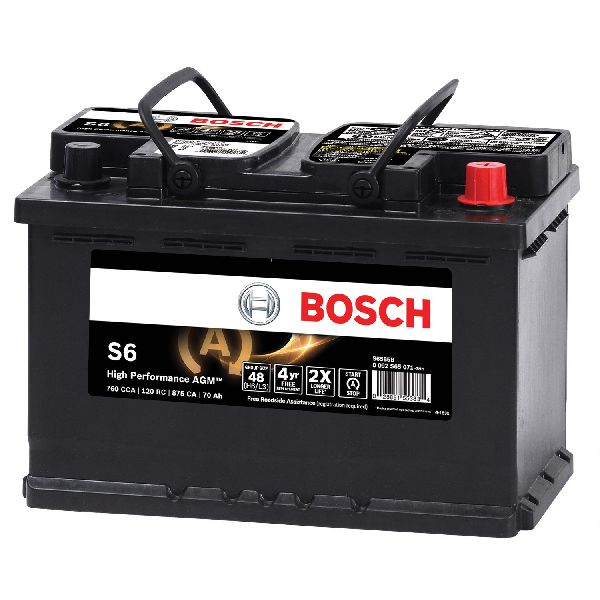
- Failing or Weak 12-Volt Battery 🔴 High Probability → Shop Vehicle Battery Vehicle batteries are consumable items with a typical lifespan of 3-5 years. The Kona Electric, in particular, is widely reported by owners to experience premature 12V battery failure, sometimes in as little as 1-2 years. The factory-installed batteries are often cited as being low quality.
How to confirm: Perform a load test on the 12V battery. A healthy battery should maintain above 9.6 volts during cranking. Resting voltage with the car off should be ~12.4-12.6V. Many auto parts stores offer free battery testing. A battery dated less than two years old that fails a load test is a common story for Kona owners.
Typical fix: Replace the 12-volt battery. Many owners recommend upgrading to a higher quality AGM (Absorbent Glass Mat) battery, such as a Group Size H4/L1 or 121R. After replacement, an Intelligent Battery Sensor (IBS) reset procedure may be required.
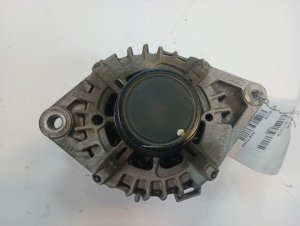
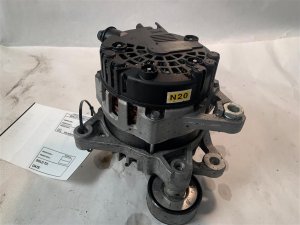
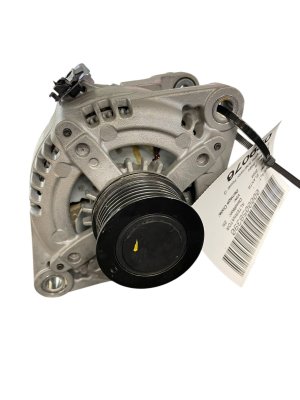
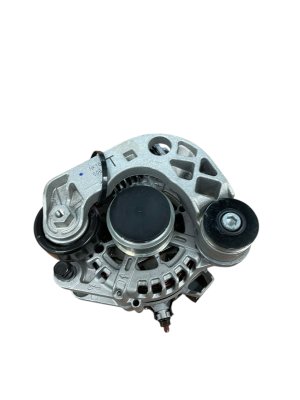
Est. part cost: $150-$300 - Failing Alternator (Gasoline Models Only) 🟡 Medium Probability → Shop Alternator Alternator failure is a common issue on many modern vehicles as they age. No specific widespread defect is noted for the Kona, but it's a standard wear item.
How to confirm: With the engine running, use a multimeter to measure the voltage at the battery terminals. A healthy alternator should produce between 13.5 and 14.8 volts. A reading below this range indicates undercharging, while a reading above indicates overcharging.
Typical fix: Replace the alternator.
Est. part cost: $250-$740 - Loose or Corroded Battery Terminals or Ground Straps 🟡 Medium Probability → Shop Engine Ground Strap
How to confirm: Visually inspect the battery terminals for white or blue-green corrosion. Check that the terminal clamps are tight and cannot be moved by hand. Inspect the main ground strap from the battery to the chassis and engine for tightness and corrosion.
Typical fix: Clean the battery terminals and cable ends with a wire brush. Tighten all loose connections. Replace corroded cables if necessary.
Est. part cost: $5-$50 - DC-to-DC Converter Fault (Kona Electric Only) ⚪ Low Probability The DC-to-DC converter (LDC) steps down voltage from the high-voltage battery to charge the 12V battery. A fault in this component can lead to the 12V battery not being charged correctly. Some owners have noted the charging voltage can be erratic, sometimes running as high as 14.7V.
How to confirm: This requires professional diagnosis with a scan tool (like Hyundai's GDS) to monitor the converter's output and check for related trouble codes. This is not a simple DIY check.
Typical fix: Replacement of the DC-to-DC converter or related components within the Integrated Charging Control Unit (ICCU).
Est. part cost: $500-$1500+
Rare But Worth Checking
- Faulty Control Module or Software: In rare cases, the module setting the code may have an internal fault causing it to misread the system voltage. On the Kona EV, a software issue in the Battery Management System (BMS) can also lead to improper 12V battery charging logic. Checking for available software updates at a dealership is a valid diagnostic step, with some owners reporting that a BMS update (like Service Campaign 9A4) resolved their electrical issues.
- Parasitic Battery Drain: → Shop Vehicle Battery An electrical component that fails to shut off when the car is parked can drain the battery overnight, causing a low voltage condition and a U3003 code on startup. Owners have identified aftermarket OBD-II dongles (like for insurance monitoring) as a cause for keeping the car's systems awake and draining the battery. A hatch that is not fully latched is another common culprit. A parasitic draw test with a multimeter is required to isolate the faulty circuit.
Diagnosis Steps
- Read all stored Diagnostic Trouble Codes (DTCs) with an OBD-II scanner to see which module(s) are reporting the U3003 code and if other codes are present. Note any suffixes like U3003-16 (voltage below threshold).
- Visually inspect the 12V battery terminals for corrosion and ensure the cable clamps are tight.
- With the vehicle off for at least 30 minutes, measure the battery's resting voltage using a multimeter. It should be approximately 12.4-12.6V. A reading below 12.2V indicates a discharged battery.
- Perform a battery load test. While a helper cranks the engine (or puts the EV in 'Ready' mode), monitor the voltage. It should not drop below 9.6V. If it does, the battery is weak and needs replacement.
- If the battery is good, start the engine (or put EV in 'Ready' or 'Utility' mode). Measure the voltage at the battery terminals again.
- For gasoline models, the voltage should be between 13.5V and 14.8V, indicating a healthy alternator.
- For Kona Electric models, the voltage should also rise to the 13.5V-14.7V range, indicating the DC-to-DC converter is working.
- If voltage is out of range, diagnose the charging system (alternator or DC-DC converter).
- If the charging system and battery are healthy, perform a parasitic draw test to check for components draining the battery when the car is off. Remember to check for aftermarket accessories like OBD-II dongles.
- If all else fails, consult a dealer to check for relevant software updates for the BMS or other control modules, especially on Kona Electric models.
Parts You'll Likely Need
- 12-Volt AGM Battery
(OEM #37110-3X000 (2022-2023 EV), 37110-2V360 (2019-2021 EV) - verify by VIN)— This is the most common failure point. The original battery often fails prematurely, leading to low voltage conditions that trigger this code.
Trusted brands: Hyundai OE, NAPA The Legend, Duralast Platinum AGM, Ohmmu
OEM price range: $250-$400
Aftermarket price range: $150-$300 - Alternator (Gasoline Models)
(OEM #37300-2B960 (For 1.6L Turbo, verify by VIN))— If the alternator fails, it cannot recharge the battery, causing system voltage to drop and triggering the code.
Trusted brands: Hyundai OE (Mando), Denso, Valeo, Bosch
OEM price range: $400-$750
Aftermarket price range: $250-$500
Technical Service Bulletins (TSBs) & Recalls
- Recall 200 / NHTSA 21V127: Pertains to 2019-2020 Kona EV models for inspection and potential replacement of the high-voltage battery due to fire risk.
- Service Campaign 9A4: Pertains to 2019-2023 Kona EV models for a Battery Management System (BMS) software update to enhance battery diagnostic logic.
- TSB 23-EE-010H: Describes the procedure for using the Global Diagnostic System (GDS) to test the 12V battery health, especially after a significant discharge event.
Platform-Specific Known Issues
- Kona Electric models have been subject to multiple large-scale recalls and service campaigns (such as Hyundai Recall 200 and Service Campaign 9A4) related to the high-voltage battery and its management system. While not directly for code U3003, a fault in the high-voltage system or its software can affect the charging of the 12V battery and should be considered during diagnosis.
- Many owners of the Kona Electric have reported premature failure of the 12V auxiliary battery, sometimes multiple times under warranty. This is a well-documented issue in owner forums.
- On gasoline models with the 2.0L Nu MPI engine, a recall was issued for improperly heat-treated piston rings which could lead to engine damage, stalling, and fire risk. This is unrelated to U3003 but a major platform issue to be aware of.
Documented NHTSA Reports
- NHTSA ODI #11533105 describes a scenario where code U3003 sets on-demand if the voltage supply to a control module (such as the ABS) falls below 10 volts, highlighting the code's sensitivity to low voltage.
- NHTSA ODI #11685172 notes that U3003-16 can be triggered by a low voltage power source to the Electric Servo Brake Control Unit, sometimes occurring alongside communication loss codes.
- NHTSA ODI #11656540 reports that U3003-16 was found in conjunction with transmission issues, such as the gearshift slipping between neutral and drive and the dashboard failing to illuminate the drive gear.
- NHTSA ODI #11533082 indicates that U3003 can appear alongside steering angle sensor faults and a total lack of power steering assistance.
- NHTSA ODI #11582867 describes a case where U3003 was associated with an Electronic Parking Brake (EPB) control module power supply failure, with the vehicle battery failing shortly after the code appeared.
Mechanic-Grade Diagnostic Values
- Kona EV LDC Charging Voltage (Utility Mode or 'Ready' Mode) — expected: 13.5V - 14.7V. Failure: A reading near resting battery voltage (~12.4V) or lower indicates the LDC is not charging the 12V battery.
- Kona EV LDC Continuous Power Output (in Utility Mode) — expected: ~1700 watts (120A @ 14.4V). Failure: Inability to maintain voltage under a significant, known load.
- Kona EV Quiescent Power Draw (Car off, asleep) — expected: ~150 watts. Failure: A significantly higher reading during a parasitic draw test would indicate a component is not shutting down properly.
- Battery Voltage During Cranking (Gas) or System Power-Up (EV) — expected: Should not drop below 9.6V. Failure: A drop below 9.6V indicates a weak battery that cannot handle the initial load.
Hidden / Shadow Codes Worth Checking
- U3003-16: Battery Power - Circuit Voltage Below Threshold. This is a common suffix for U3003 that specifies a low voltage condition, rather than a high voltage or general fault. (see via A professional-grade OBD-II scanner that can read manufacturer-specific and enhanced trouble codes.)
Scan Tool Commands That Help
- Hyundai GDS (Global Diagnostic System): BMS Software Update — Use when U3003 or other electrical faults persist despite a healthy 12V battery and charging system. Service Campaign 9A4 specifically addressed BMS software to improve charging logic and monitoring.
- Infotainment System / User Interface: Activate Utility Mode — To force the DC-to-DC converter to actively charge the 12V battery from the main traction battery. This is useful for manually topping off a slightly discharged 12V battery or for running accessories without draining it. The system will provide a steady ~14.5V-14.7V to the 12V battery.
- Manual Procedure: Intelligent Battery Sensor (IBS) Calibration/Reset — After replacing the 12V battery. The system needs to relearn the new battery's state of charge. The procedure involves disconnecting aftermarket electronics, letting the car sit off for 4+ hours, then cycling the ignition 3-4 times.
Real Owner Repair Stories
- Reddit user @zoomzoom71 on r/KonaEV (2019 Kona Electric Ultimate, ~80,000 miles) — Woke up to a 'Check Electric Vehicle System' message on the dashboard after a full overnight charge.
❌ Tried (didn't work) The owner had already been through 3 prior high-voltage traction battery replacements for other issues, and the 12V battery was new.
✅ What actually fixed it A software update for the Battery Management System (BMS) was performed at the dealership. The trouble code was cleared and did not return. The service was performed at no charge. - Reddit user on r/KonaEV (2021 Kona EV Limited, ~27,000 miles) — Car would intermittently enter a 'freak out mode' with nearly every warning light flashing (collision system, lane assist, TPMS, etc.). Sometimes it would resolve after sitting for 30 minutes, other times not.
❌ Tried (didn't work) Replacing the 12V battery at a non-specialist shop did not solve the problem; the issues returned a few days later.
✅ What actually fixed it The issue was traced to a faulty DC-to-DC converter (LDC). The dealership replaced the LDC, which resolved the widespread electronic faults.
OEM Part Supersession History
37110-2V360→37110-3X000— Part number change for newer model years.
Heads up: The physical battery group size and terminal configuration are key. Pre-facelift (2019-2021) and post-facelift (2022-2023) models may have slightly different battery trays or cable lengths. Always verify fitment by VIN. Aftermarket batteries like Group Size 121R are reported to fit but may be taller, requiring adjustment.
Model Year Variations Within This Range
- 2021-2023 (Facelift): The Kona and Kona Electric received a significant facelift for the 2021 model year. This included revised exterior styling, a new digital instrument cluster, and a larger optional 10.25-inch infotainment screen. While the core powertrain on the EV remained similar, software for the BMS and other modules was updated, and some part numbers for components like the 12V battery changed. These changes mean that diagnostic procedures and part compatibility must be verified for pre-facelift (2018-2020) vs. post-facelift (2021-2023) models.
Diagnostic Flowchart
Other Known Issues on This Vehicle
Issues unrelated to this code that are worth knowing about as an owner of this generation:
- 2.0L Nu MPI Engine Piston Ring Failure 🔴 High — Common enough to trigger a large-scale recall (NHTSA 21V354) affecting 2019-2021 models. Can lead to excessive oil consumption, engine knocking, stalling, and fire risk. (Ref: Hyundai Recall 207 (NHTSA 21V354000))
- 7-Speed Dual-Clutch Transmission (DCT) Hesitation/Shudder 🟠 Medium → Shop Transmission Assembly — Frequently reported by owners of 1.6T models, especially in early model years. Symptoms include hesitation from a stop, shuddering during light acceleration, and jerky shifting. (Ref: Recalls have been issued for some DCT models for loss of drive issues.)
- High-Voltage Battery Fire Risk (Kona Electric) 🔴 High → Shop Vehicle Battery — Led to a massive global recall (NHTSA 21V127) for 2019-2020 models. Caused by potential manufacturing defects in the LG Chem battery cells, leading to short circuits and fire risk. (Ref: Hyundai Recall 200 (NHTSA 21V127000))
- Excessive Oil Consumption (All Gasoline Engines) 🟠 Medium — A common complaint across many Hyundai engines of this era, including the Kona's. Can be caused by piston ring issues. Owners report needing to top off oil between changes. (Ref: TSB 22-EM-003H provides guidelines for oil consumption testing and repair.)
- Peeling Paint (Clear Coat Failure) 🟡 Low — Reported on various Hyundai models of this era, particularly in white and blue colors. The clear coat begins to peel or flake off, typically on the roof and hood. (Ref: Hyundai has issued TSBs for other models like the Santa Fe (e.g., 22-SS-003H-1) for similar issues, but widespread action for the Kona is less documented.)
- Engine Connecting Rod Bearing Wear 🔴 High — A widespread issue across many Hyundai/Kia engines leading to class-action lawsuits and extended warranties. Can cause engine seizure and failure. (Ref: Hyundai has extended engine warranties to 15 years/150k miles or even a lifetime warranty for affected vehicles that have had a knock sensor software update. (e.g., TXXM, TXXI))
Used vs. New Parts: Buying Guide for This Vehicle
When a used part is the smart pick: For a complex electrical issue like U3003, used parts are generally not recommended. The only exception might be a purely mechanical component like a battery hold-down bracket or a terminal cover if the original is lost or broken.
Donor-vehicle mileage cap: roughly under 15000 miles for the part to have meaningful remaining life.
What to inspect on the donor part:
- For any electronic module, verify the part number exactly matches.
- Avoid parts from vehicles with flood, fire, or major collision damage.
- Inspect connectors for any signs of corrosion, melting, or bent pins.
OEM-only on this vehicle (don't cheap out):
- DC-to-DC Converter / ICCU (Kona Electric)
- Battery Management System (BMS)
- Any high-voltage system component
Aftermarket brands forum-validated for this vehicle:
- 12V Battery: Duralast Platinum AGM, NAPA batteries, Ohmmu (a specialty EV battery manufacturer).
Brands owners have reported issues with on this vehicle:
- There are no specific brands widely reported as problematic, but ultra-cheap, no-name batteries are likely to have a short lifespan and are not recommended, especially given the Kona EV's sensitivity to 12V battery health.
Real Owner Stories
Aggregated from forums and TSBs cited above. Mileages and costs reflect what owners reported in those sources.
2023 Kona EV — ~8000 miles
Symptoms: The 12V auxiliary battery died after less than a year of use.
What fixed it: Replacement of the 12V battery.
Source hint: Reddit thread r/KonaEV titled '12V battery died'
2019 Kona EV
Symptoms: Dead 12V battery leading to a 'dead' car state; extensive troubleshooting and dealer interactions regarding the auxiliary battery system.
What fixed it: Replacement of the 12V battery; some owners in the thread discussed upgrading to AGM batteries.
Source hint: InsideEVs forum thread titled 'dead-kona-ev'
2018-2023 Hyundai Kona (Gasoline)
Symptoms: Parasitic battery drain preventing the vehicle from entering sleep mode.
What fixed it: Removing an aftermarket insurance OBD-II dongle that was causing the drain.
Source hint: Reddit r/HyundaiKonaForum thread 'kona_battery_drain_problem_resolved'
Related OBD-II Codes
Frequently Asked Questions
My 2019 Kona EV is acting strange; does Service Campaign 9A4 apply to my U3003 code?
I have a 2020 Kona Electric; is there a recall for the battery system?
What type of replacement battery is recommended for the Kona to avoid repeat U3003 codes?
Can an OBD-II dongle cause battery drain issues on my Kona?
Is the 12V battery failure common on the Kona Electric?
How can a technician officially test my Kona's battery health after a U3003 event?
Helpful Videos
Used OEM Parts in Stock
New Aftermarket Parts Available

The information in this article is provided for general reference and educational purposes only. Vehicle specifications, procedures, and part compatibility can vary by production date, trim level, and region. Always consult your vehicle's factory service manual and verify part numbers before purchasing or performing repairs. Safety-critical components such as airbags, seat belts, and braking systems should be installed by a qualified professional.
- Hyundai Kona:
- 🧭 Diagnostic Flowchart
- 🎬 Helpful Videos
- 🛍️ Shop This Part
- What's Unique About the 2018-2023 Hyundai Kona
- Symptoms You May Notice
- Most Likely Causes
- Rare But Worth Checking
- Diagnosis Steps
- Parts You'll Likely Need
- Technical Service Bulletins (TSBs) & Recalls
- Platform-Specific Known Issues
- Documented NHTSA Reports
- Mechanic-Grade Diagnostic Values
- Hidden / Shadow Codes Worth Checking
- Scan Tool Commands That Help
- Real Owner Repair Stories
- OEM Part Supersession History
- Model Year Variations Within This Range
- Other Known Issues on This Vehicle
- Used vs. New Parts: Buying Guide for This Vehicle
- Real Owner Stories
- 2023 Kona EV — ~8000 miles
- 2019 Kona EV
- 2018-2023 Hyundai Kona (Gasoline)
- Related OBD-II Codes
- Frequently Asked Questions
- 🎟️ Get 5% Off