

U3003 on 2015-2019 Hyundai Sonata: Battery Voltage Fault Causes and Fixes
Code U3003 on a 2015-2019 Hyundai Sonata almost always means there's a problem with the 12V battery or charging system. The most likely fix is replacing a weak battery, cleaning corroded terminals, or addressing a failing alternator. It is rarely a sign of a faulty control module.
- U3003 means the car's computer has detected an issue with the battery voltage.
- Before buying any parts, test the 12V battery with a load tester and check the alternator's output voltage with the engine running.
- Always check the simplest things first: ensure battery terminals are clean and tight, and inspect main ground connections.
What's Unique About the 2015-2019 Hyundai Sonata
For the 2015-2019 (LF generation) Sonata, this code is a straightforward electrical issue. There are no widespread, unique design flaws that cause U3003 on this specific platform. The diagnostic process is standard for any modern vehicle experiencing voltage problems. A key component to check is the battery sensor on the negative terminal, which monitors the battery's state of charge; a faulty sensor can lead to incorrect charging and trigger this code. The key is to follow a logical diagnostic path starting with the simplest and most common causes—the battery and its connections—before suspecting more complex module failures.
Symptoms You May Notice
- Check Engine Light or other warning lamps (like the battery light) are on
- Engine cranks slowly or struggles to start
- Dimming or flickering headlights and interior lights
- Power windows, seats, or sunroof operate slower than usual
- Radio or infotainment system randomly resets or loses presets
- Inconsistent or erratic behavior from various electronic systems
- ABS or Brake warning light may flash intermittently
- Replacing an expensive control module without first testing the battery and alternator. The U3003 code is almost always a symptom of a power supply problem, not a faulty module itself.
Most Likely Causes
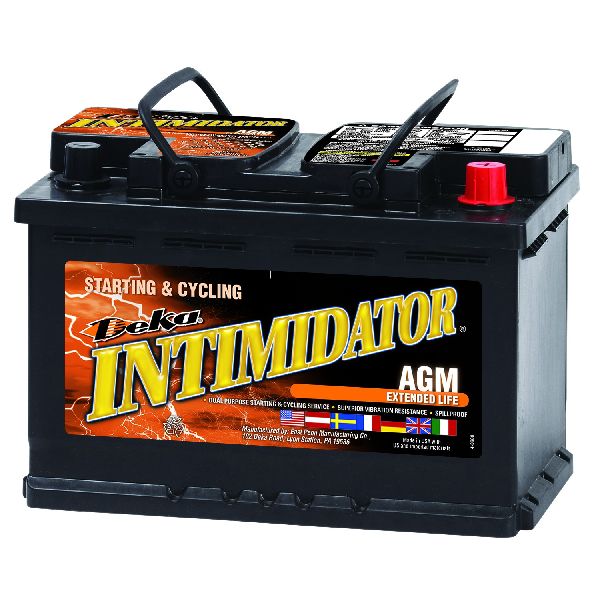
- Weak or Failing 12V Battery 🔴 High Probability → Shop Vehicle Battery Batteries are consumable items with a typical lifespan of 3-5 years. Age, extreme temperatures, and frequent short trips can shorten this lifespan. The LF Sonata uses common battery group sizes like H6, H7, or 124R depending on the engine.
How to confirm: Use a multimeter to check the resting voltage (should be ~12.4V or higher). Perform a load test using a dedicated battery tester, available at most auto parts stores. A healthy battery should not drop below ~9.6V-10.5V during the test.
Typical fix: Replace the 12V battery. Ensure the new battery meets or exceeds the OEM specifications for Cold Cranking Amps (CCA) and is the correct group size (e.g., H6 for 2.0L, H7 for 2.4L). After replacement, it is good practice to have the Battery Management System (BMS) reset if the vehicle is equipped.
Est. part cost: $150-$250 - Corroded or Loose Battery Terminals/Cables 🟡 Medium Probability → Shop Vehicle Battery Over time, battery acid can cause corrosive buildup (typically white or blue powder) on the terminals, creating resistance and preventing a solid electrical connection.
How to confirm: Visually inspect the positive and negative battery terminals and cable ends for any signs of corrosion, looseness, or damage. Wiggle the cables to ensure they are tight.
Typical fix: Disconnect the battery (negative first) and thoroughly clean the terminals and cable clamps with a wire brush and a solution of baking soda and water. Reconnect securely (positive first).
Est. part cost: $5-$15 for a terminal cleaning kit - Failing Alternator 🟡 Medium Probability → Shop Alternator The alternator recharges the battery and powers the car's electronics when the engine is running. Like any mechanical part, its internal components (regulator, diodes, bearings) can wear out over time. There are some reports of seized alternator bolts on this platform, which complicates replacement.
How to confirm: With the engine running, use a multimeter to measure the voltage across the battery terminals. A healthy alternator should produce a voltage between 13.5V and 14.8V. A reading below 13V indicates undercharging, while a reading above 15V suggests overcharging.
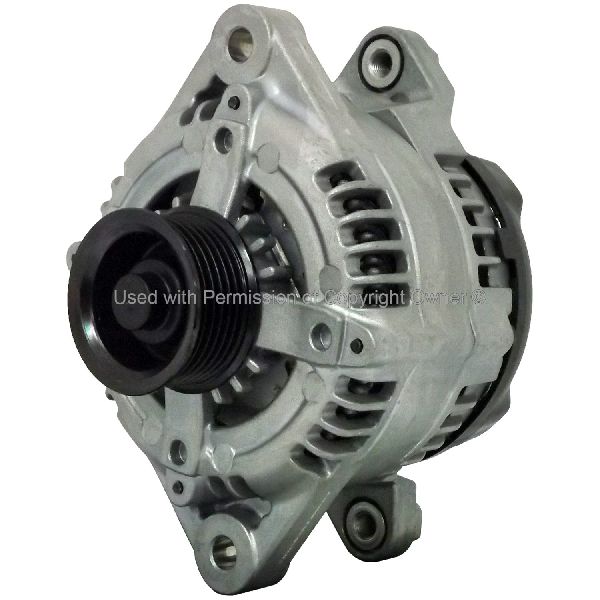
Typical fix: Replace the alternator. It is often recommended to replace the serpentine belt at the same time. The OEM part number will vary by engine, for example, the 2.4L engine may use an alternator with part number 37300-2G150.
Est. part cost: $250-$500 - Poor Ground Connection ⚪ Low Probability The main battery ground strap connects the battery's negative terminal to the vehicle's chassis. This connection can corrode or become loose, creating high resistance in the electrical system.
How to confirm: Locate and inspect the main ground strap from the battery to the car body and the engine to the chassis. Look for rust, corrosion, or looseness at the connection points. Perform a voltage drop test on the ground side by placing one multimeter lead on the negative battery post and the other on the engine block while cranking; a reading over 0.1-0.2 volts indicates a problem.
Typical fix: Remove, clean, and securely re-fasten the ground connections. If the cable itself is corroded or frayed, it should be replaced.
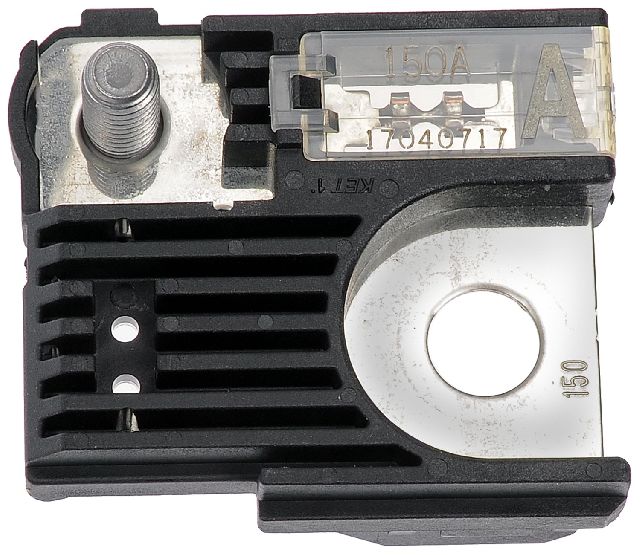
Est. part cost: $20-$50 for a new ground strap - Faulty Battery Current/BMS Sensor ⚪ Low Probability → Shop Vehicle Battery Modern vehicles use a sensor, typically on the negative battery terminal, to monitor the battery's state of charge, temperature, and current flow. If this sensor fails, it can report incorrect data to the ECU/BCM, leading to improper charging system operation and triggering a U3003 code.
How to confirm: Visually inspect the sensor and its connector for damage or corrosion. Use a scan tool with live data capability to monitor the battery sensor parameters. If the readings (e.g., state of charge, current) are erratic or clearly incorrect, the sensor is likely faulty. The fuse for this sensor, often labeled 'AMS' in the engine bay fuse box, should also be checked.
Typical fix: Replace the battery current sensor, which is usually integrated with the negative battery terminal cable. Ensure the new part is compatible with the vehicle's charging system.
Est. part cost: $50-$150
Rare But Worth Checking
- Faulty Control Module: While rare, it's possible for a specific module (like the Body Control Module or Engine Control Module) to have an internal fault, causing it to incorrectly report a voltage issue. This should only be considered after all other power supply and wiring issues have been ruled out.
Diagnosis Steps
- Scan for all Diagnostic Trouble Codes (DTCs) to see which module(s) are reporting the U3003 fault.
- Perform a thorough visual inspection of the battery, its terminals, and the main power and ground cables. Look for any signs of corrosion, swelling, or damage.
- With the engine off, use a multimeter to measure the battery's resting voltage. A reading below 12.4V suggests a discharged or weak battery.
- Perform a battery load test to confirm its health. 🎬 Watch: How to test the battery, starter, and alternator This is the most definitive way to identify a failing battery. Voltage should not drop below 9.6V.
- Start the engine. Measure the voltage at the battery terminals again. The reading should be stable and within the 13.5V to 14.8V range. If it's too low, too high, or fluctuating wildly, the alternator is likely at fault.
- If the battery and alternator test good, inspect the main ground connections to the chassis and engine block for integrity and tightness. Perform voltage drop tests on both power and ground circuits to check for high resistance.
- Inspect the battery current sensor on the negative terminal for physical damage or corrosion. If possible, check its output with a capable scan tool.
- If all power and ground systems are confirmed to be in good condition, the issue may lie with the wiring to a specific module or the module itself, which may require more advanced diagnostics.
Parts You'll Likely Need
- 12V Automotive Battery — This is the most common failure point that causes a U3003 code, as batteries have a finite service life.
Trusted brands: Hyundai (OEM), Interstate, DieHard, Duralast
OEM price range: $200-$300
Aftermarket price range: $150-$250 - Alternator
(OEM #37300-2G150 (example for 2.4L))— A failing alternator that is either undercharging or overcharging the system is the second most likely cause.
Trusted brands: Hyundai (OEM), Bosch, Denso, Valeo
OEM price range: $400-$770
Aftermarket price range: $250-$500
Platform-Specific Known Issues
- Owner Experience with Electrical Glitches: A user on hyundai-forums.com with a 2013 Sonata (a similar YF generation platform) described various electrical issues, including the radio turning off and starting problems, which were ultimately traced back to a bad starter and battery. This illustrates how fundamental power supply issues can manifest as seemingly random electronic faults.
Mechanic-Grade Diagnostic Values
- Parasitic Draw — expected: Less than 35 milliamps (0.035A). Failure: A reading consistently above 35mA after the vehicle's modules have entered sleep mode (approx. 4 minutes) indicates a component is not shutting down correctly.
- Charging System Voltage (Engine Running) — expected: 13.8V - 14.5V. Failure: Voltage below 13.5V indicates an undercharging condition; voltage above 15.5V indicates an overcharging condition.
- Battery Voltage (Engine Off, Resting) — expected: 12.4V - 12.8V. Failure: A reading below 12.4V indicates a discharged or weak battery that may not hold a charge.
- Battery Voltage (During Cranking/Load Test) — expected: Should not drop below 9.6V. Failure: Voltage dropping below 9.6V indicates a weak battery that cannot supply sufficient cranking amperage.
Hidden / Shadow Codes Worth Checking
- U3003-16: Battery Voltage Low. This sub-code specifies that a module detected the supply voltage dropped below a minimum threshold, often around 8V-9V. (see via A professional scan tool, like the Hyundai GDS, is required to read manufacturer-specific sub-codes.)
- U3003-17: Battery Voltage High. This sub-code specifies that a module detected the supply voltage exceeded a maximum threshold, often around 15.8V-17.5V, for a set duration (e.g., 250 milliseconds). This is typically caused by a faulty alternator voltage regulator. (see via A professional scan tool, like the Hyundai GDS, is required to read manufacturer-specific sub-codes.)
Scan Tool Commands That Help
- Hyundai GDS (Global Diagnostic System): Battery Diagnosis Function — This function analyzes the battery sensor's history over the last 30 days to check for internal shorts, deterioration, and charging defects. It can provide a more definitive diagnosis (e.g., 'Internal Defect', 'Battery Deterioration') than a simple voltage test.
- Hyundai GDS (Global Diagnostic System): Vehicle S/W Management > Resetting Adaptive Values — After replacing a battery or alternator, this function can be used to reset the learned values in the Engine Control Module (ECM), which helps the system adapt to the new component's characteristics more quickly.
- Manual Procedure (No Scan Tool): Battery Sensor Calibration — After replacing the 12V AGM battery or disconnecting it, the battery sensor needs to be calibrated for the Idle Stop and Go (ISG) system to function correctly. The procedure involves turning the engine off, disconnecting aftermarket electronics, waiting 4 hours, then starting and stopping the engine 3-4 times.
Wiring & Ground Locations
- AMS Fuse — Located in the engine compartment fuse box. It is often a 15A fuse labeled 'AMS' (Alternator Management System).. This fuse supplies power to the battery current sensor. If this fuse is blown, the sensor cannot report the battery's state of charge to the ECU, leading to improper charging and potentially triggering U3003.
- Main Battery Ground — The primary ground cable runs from the negative battery terminal directly to the vehicle's chassis, typically on the inner fender or shock tower near the battery.. Corrosion or looseness at this main grounding point creates high resistance for the entire vehicle's electrical system, causing widespread low voltage issues and triggering U3003.
- Engine/Transmission Ground Strap — A secondary ground strap typically connects the engine block or transmission case to the vehicle's frame or subframe.. This strap provides the ground path for the alternator. If it's corroded or broken, the alternator may not be able to charge the battery effectively, leading to low voltage conditions.
Model Year Variations Within This Range
- 2018-2019: For the 2018 model year refresh, the 2.0L turbo engine was paired with a new eight-speed automatic transmission, replacing the previous six-speed automatic. While this doesn't directly affect the U3003 code's cause, it's a key mechanical difference within the generation. The exterior and interior also received a facelift.
- 2015-2017: Pre-facelift models used a six-speed automatic transmission across all engine options. Infotainment systems in these earlier years may lack the native Apple CarPlay and Android Auto that became available with the 2017-2018 refresh.
Diagnostic Flowchart
Other Known Issues on This Vehicle
Issues unrelated to this code that are worth knowing about as an owner of this generation:
- Theta II Engine Failure (Connecting Rod Bearings) 🔴 High — Widespread across 2.0L and 2.4L GDI engines. Can occur at various mileages, often preceded by engine knocking. Led to class-action lawsuits and recalls. (Ref: Multiple recalls and a lifetime warranty extension for the short block assembly for vehicles that received a specific Knock Sensor Detection System (KSDS) software update.)
- Excessive Oil Consumption 🟠 Medium — Commonly reported on the 2.4L and 2.0L GDI engines, can lead to premature engine wear and carbon buildup if not monitored. (Ref: Often addressed as part of the broader engine settlement programs rather than a specific TSB.)
- MDPS Steering Coupler Wear 🟡 Low — Very common. A small, flexible rubber coupler in the electronic power steering column wears out, causing a distinct clicking or clunking noise when turning the steering wheel. Typically occurs after 50,000 miles. (Ref: Hyundai issued TSB 17-ST-002 and extended the warranty for this specific part to 10 years/100,000 miles. The part number for the improved coupler is 56315-2K000-FFF.)
- Peeling or Chipping Paint 🟡 Low — Frequently reported by owners, particularly on white and other light-colored vehicles. The clear coat and paint can bubble and peel off in large sections. (Ref: No specific recall, but some owners have had success getting repairs covered by Hyundai on a case-by-case basis under goodwill programs.)
Used vs. New Parts: Buying Guide for This Vehicle
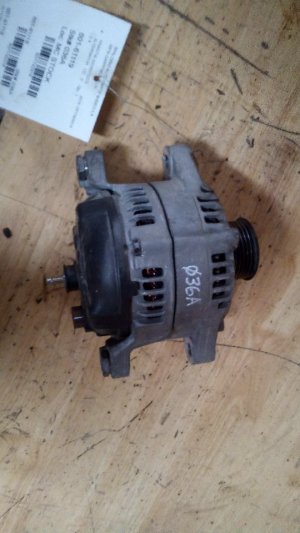
When a used part is the smart pick: For a U3003 repair, a used alternator from a reputable salvage yard can be a cost-effective choice. It is a relatively durable component, and a low-mileage donor can provide significant savings over a new or remanufactured unit.
Donor-vehicle mileage cap: roughly under 80000 miles for the part to have meaningful remaining life.
What to inspect on the donor part:
- Check for a clean, dry appearance with no signs of oil leaks or excessive corrosion on the casing.
- Ensure the pulley spins freely and smoothly by hand with no grinding or roughness, which would indicate bad bearings.
- Inspect the electrical connector pins to ensure they are straight and free of corrosion.
- Verify the part number matches your vehicle's original alternator or is a known compatible unit.
OEM-only on this vehicle (don't cheap out):
- Battery Current/BMS Sensor: Due to its integration with the vehicle's specific charging logic and software, using an OEM sensor is highly recommended to avoid compatibility issues. Aftermarket versions may not communicate correctly with the ECU.
Aftermarket brands forum-validated for this vehicle:
- Alternators: Denso, Valeo (often the original OEM supplier), Bosch.
- Batteries: Interstate, DieHard, Duralast Gold/Platinum (AGM).
Brands owners have reported issues with on this vehicle:
- Ultra-cheap, no-name alternators from online marketplaces. These often use lower-quality internal components (regulators, diodes) that can fail prematurely, leading to repeat repairs.
Real Owner Stories
Aggregated from forums and TSBs cited above. Mileages and costs reflect what owners reported in those sources.
2013 Hyundai Sonata
Symptoms: The owner experienced various electrical glitches, including the radio randomly turning off and the vehicle having trouble starting.
What fixed it: The issues were resolved by replacing both the battery and the starter.
Source hint: hyundai-forums.com thread titled 'Electronic Glitches' cited in vehicle_specific_issues
Documented NHTSA Reports
Low Voltage and Brake System Faults
Symptoms: An owner reported receiving code U3003-16, indicating the Electric Servo Brake Control Unit Power Source had low voltage. This was found to be related to a connector issue (NHTSA ODI #11685172). Similarly, another report noted U3003-16 appearing as "Battery Voltage Circuit Voltage Below Threshold" even with a new battery installed (NHTSA ODI #11442336).
Steering and Power Supply Failures
Symptoms: In some instances, U3003 has been documented alongside steering failures. One report noted a lack of power steering accompanied by DTCs C1B00, U0415, and U3003 (NHTSA ODI #11533082). Another owner experienced a steering lock-up with a string of codes including U3003-68 (NHTSA ODI #11567087).
Electronic Parking Brake and Battery Failure
Symptoms: A report described U3003 as an "EPB control module power supply failure type 16," where the vehicle's battery failed the day after diagnostics were performed (NHTSA ODI #11582867).
Related OBD-II Codes
Frequently Asked Questions
What battery size should I buy for my 2015-2019 Hyundai Sonata to prevent U3003?
My 2.4L Sonata has a U3003 code; is there a specific alternator part number I should look for?
Could the U3003 code be related to the 'AMS' fuse in my engine bay?
I'm seeing U3003 and my radio is resetting; could this be related to the starter?
Does the Kia Optima suffer from the same U3003 issues as my Sonata?
What voltage should I see at the battery while my Sonata is running to rule out an alternator issue?
Helpful Videos
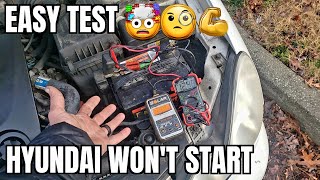
![How to [EASILY] Replace the Battery - Hyundai Sonata (2015-2017)](https://img.youtube.com/vi/t_zzcjOqyno/mqdefault.jpg)
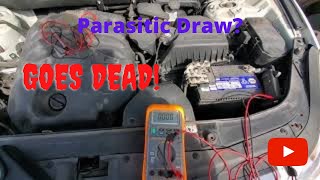
Used OEM Parts in Stock
New Aftermarket Parts Available


The information in this article is provided for general reference and educational purposes only. Vehicle specifications, procedures, and part compatibility can vary by production date, trim level, and region. Always consult your vehicle's factory service manual and verify part numbers before purchasing or performing repairs. Safety-critical components such as airbags, seat belts, and braking systems should be installed by a qualified professional.
- Hyundai Sonata:
- 🧭 Diagnostic Flowchart
- 🎬 Helpful Videos
- 🛍️ Shop This Part
- What's Unique About the 2015-2019 Hyundai Sonata
- Symptoms You May Notice
- Most Likely Causes
- Rare But Worth Checking
- Diagnosis Steps
- Parts You'll Likely Need
- Platform-Specific Known Issues
- Mechanic-Grade Diagnostic Values
- Hidden / Shadow Codes Worth Checking
- Scan Tool Commands That Help
- Wiring & Ground Locations
- Model Year Variations Within This Range
- Other Known Issues on This Vehicle
- Used vs. New Parts: Buying Guide for This Vehicle
- Real Owner Stories
- 2013 Hyundai Sonata
- Documented NHTSA Reports
- Low Voltage and Brake System Faults
- Steering and Power Supply Failures
- Electronic Parking Brake and Battery Failure
- Related OBD-II Codes
- Frequently Asked Questions
- 🎟️ Get 5% Off