

U3003 on 2015-2016 Land Rover Discovery Sport: Battery Voltage Fault Explained
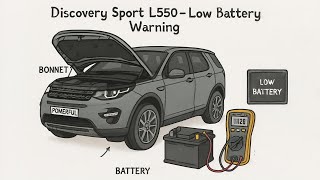
Code U3003 on a 2015-2016 Discovery Sport almost always points to a weak or failing battery. A professional load test is the first step, and replacement with the correct AGM battery, followed by a Battery Management System (BMS) reset, is the most common fix.
- U3003 on a Discovery Sport is almost certainly a battery voltage problem, not a faulty control module.
- Your first and most important diagnostic step is to have the 12V AGM battery professionally load tested.
- If you replace the battery, it MUST be registered with the vehicle's computer (a BMS reset) using a compatible diagnostic tool to ensure correct charging and prevent a recurrence of the issue.
What's Unique About the 2015-2016 Land Rover DISCOVERY SPORT
The first-generation Discovery Sport (L550), like other modern Land Rovers, is packed with sensitive electronics. These systems are highly dependent on a stable voltage supply from an Absorbed Glass Mat (AGM) battery. A battery that is even slightly degraded, which might not cause issues in a simpler vehicle, can lead to a host of seemingly unrelated electronic glitches and communication codes in the Discovery Sport. This U3003 code is often the first sign that the battery can no longer meet the high electrical demands of the vehicle, long before it fails to start the engine.
Diagnostic Flowchart
Tap your situation to follow the diagnostic path that matches what you're seeing on this vehicle.
Symptoms You May Notice
- "Low Battery - Please Start Engine" warning on the dashboard.
- Start-Stop system becomes unavailable or stops working.
- Slow or sluggish engine cranking.
- Multiple, seemingly unrelated warning lights on the instrument cluster (ABS, Traction Control, HDC Fault, etc.).
- Dimming or flickering headlights and interior lights.
- Heavy or difficult power steering.
- Engine cooling fan runs at high speed immediately on a cold start.
- Replacing control modules (like the CHCM or PSCM) without first verifying the battery and charging system are in perfect health. The communication codes are often a symptom of the voltage problem, not the cause.
Most Likely Causes
- Weak or Failing 12V AGM Battery 🔴 High Probability → Shop Vehicle Battery The Discovery Sport's numerous electronic modules place a high constant demand on the battery, and the AGM type is sensitive to deep discharges or degradation over time. The vehicle's systems can trigger faults from minor voltage drops that wouldn't affect other cars.
How to confirm: Perform a professional load test using a digital battery tester (e.g., Midtronics). A simple voltage check with a multimeter is often insufficient; a failing battery can show a normal surface charge (12.4V+) but collapse under load, failing to maintain at least 9.6V during cranking.
Typical fix: Replace the main 12V AGM battery (common size is Group H7 or H8 🎬 Watch: Step-by-step guide to replacing your Discovery Sport battery.) and perform a BMS reset using a compatible diagnostic tool.
Est. part cost: $250-$450 - Failing Alternator 🟡 Medium Probability → Shop Alternator
How to confirm: With the engine running, measure the voltage at the battery terminals. A healthy charging system should read between approximately 13.5V and 14.5V. If the voltage is low (near 12V) or fluctuating wildly, the alternator is suspect.
Typical fix: Replace the alternator. The OEM part number for the 2.0L gas engine is different from the diesel models, so verify by VIN.
Est. part cost: $400-$800 - Loose or Corroded Battery Terminals/Grounds ⚪ Low Probability → Shop Vehicle Battery TSB SSM71278 specifically calls out high resistance at ground points as a potential cause. Main ground straps are located from the battery to the inner fender/chassis and from the engine/starter to the frame.
How to confirm: Visually inspect the battery terminals for a white or blueish powdery substance (corrosion) and ensure the clamps are tight. Check the main chassis ground strap (often near the starter or on the inner fender) for tightness and corrosion.
Typical fix: Disconnect the negative terminal first, then clean all terminals and posts with a wire brush. Reconnect securely, positive terminal first.
Est. part cost: $1-$10
Rare But Worth Checking
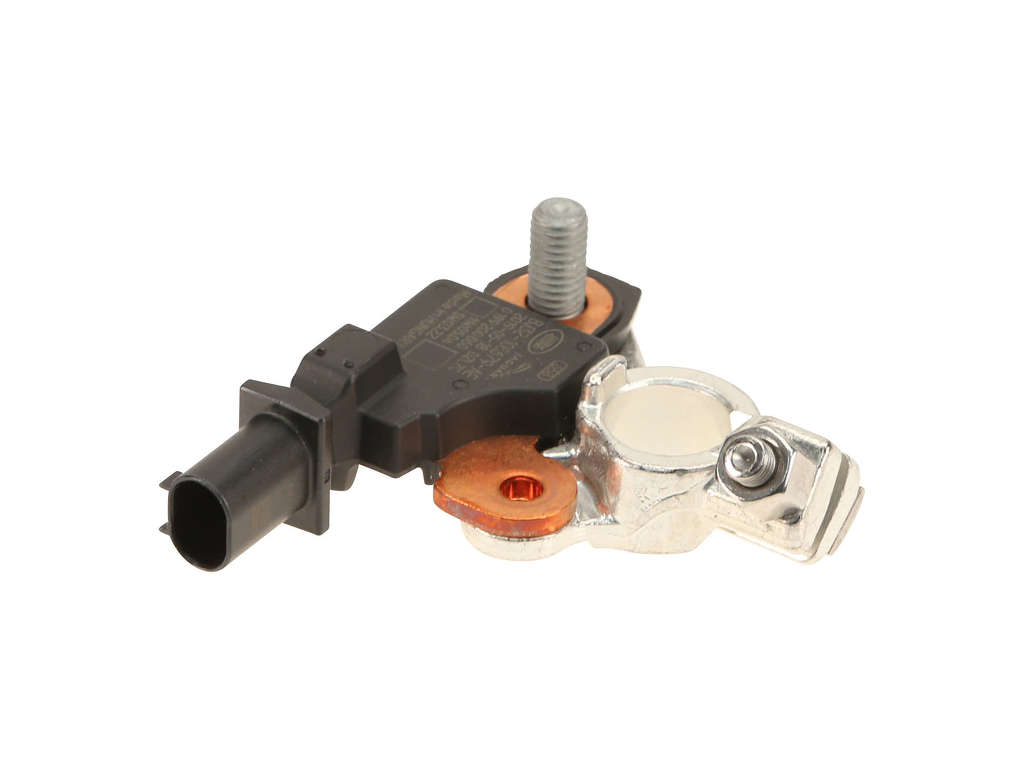
- Faulty Battery Monitoring System (BMS) Sensor: → Shop Vehicle Battery The BMS sensor is attached to the negative battery terminal and can fail, sending incorrect voltage information. In some cases, replacing this sensor alone can resolve issues like a non-functional start-stop system. The genuine Land Rover part number has been superseded several times, with the latest being LR038721. 🎬 Watch: How replacing the BMS sensor fixes start-stop issues.
- High-Resistance or Short in Wiring Harness: As noted in TSB SSM71278, high resistance in power or ground circuits can cause this code. In a documented case on an AULRO.com forum, a similar Land Rover with multiple U-codes had the fault traced to the main power cable shorting against a bolt on the chassis behind the alternator.
Diagnosis Steps
- Read all fault codes from all vehicle modules using a Land Rover-compatible scanner. Note the presence of U3003-62 and any accompanying communication codes like U0131 or U0420.
- Visually inspect the battery terminals and main chassis ground points for tightness and corrosion. Clean and tighten as necessary.
- With the engine off, measure the battery's static voltage. A reading below 12.4V suggests it is discharged or failing.
- Perform a professional battery load test. This is the most critical step to confirm the battery's health under load. Voltage should not drop below 9.6V during cranking.
- If the battery tests good, start the engine and measure the charging system voltage at the battery terminals. It should be stable, between approximately 13.5V and 14.5V. If it's low, the alternator is the likely problem.
- If the battery and alternator are confirmed to be good, investigate for a parasitic drain (should be <50mA after 20 minutes) or inspect wiring and ground points mentioned in TSB #SSM71278.
Parts You'll Likely Need
- AGM Battery — This is the most frequent cause of code U3003. The vehicle's electronics are highly sensitive to the stable voltage provided by a healthy AGM battery. A common size is Group H7 or H8.
Trusted brands: Bosch, DieHard, Interstate, Genuine Land Rover
OEM price range: $400-$500
Aftermarket price range: $250-$450 - Battery Monitoring System (BMS) Sensor
(OEM #LR038721 (supersedes LR038720, LR026038))— If the battery and alternator are good, this sensor on the negative terminal can fail and send erroneous data, causing voltage-related faults and disabling the start-stop system.
Trusted brands: Genuine Land Rover
OEM price range: $150-$250
Related Codes That Often Appear With This One
- U0131-00 — This code indicates a loss of communication with the Power Steering Control Module (PSCM). As stated in TSB #SSM71278, low battery voltage is a primary cause for this communication loss.
- U0420-68 — This code means the Chassis Control Module (CHCM) received invalid data from the PSCM. It is another communication fault directly linked to the unstable voltage indicated by U3003-62 in TSB #SSM71278.
Technical Service Bulletins (TSBs) & Recalls
- SSM71278: States that a customer may report heavy steering and that DTCs U3003-62, U0131-00, and U0420-68 may be logged due to low battery voltage or wiring issues.
Platform-Specific Known Issues
- Land Rover issued Technical Service Bulletin #SSM71278 for this issue on the Discovery Sport, noting that low battery voltage can cause U3003-62 along with heavy steering and communication loss with the Power Steering Control Module.
Mechanic-Grade Diagnostic Values
- Quiescent (Parasitic) Current Draw — expected: < 50mA after all modules enter sleep mode (approx. 20-40 minutes).. Failure: A sustained current draw above 80mA indicates a module is not sleeping or a short circuit exists, which will drain the battery over time.
- Charging System Voltage (Engine Running) — expected: 13.5V to 14.5V at the battery terminals.. Failure: Voltage below 13.2V or above 14.8V suggests a faulty alternator or voltage regulator.
- Battery Voltage Under Load (Cranking) — expected: Should not drop below 9.6V.. Failure: A drop below 9.6V during engine cranking indicates a weak battery that needs replacement, even if static voltage appears normal.
Hidden / Shadow Codes Worth Checking
- U3003:16: Circuit Voltage Below Threshold. This explicitly indicates the module logged the fault due to detecting voltage below its minimum operating level, typically around 9.5V. (see via Land Rover dealer-level diagnostic tools (SDD/Pathfinder) or advanced aftermarket scanners capable of reading manufacturer-specific codes.)
- U3003:17: Circuit Voltage Above Threshold. This indicates the module detected a voltage spike above its maximum tolerance, typically over 16V, which could be caused by a faulty alternator regulator or an improper jump-start. (see via Land Rover dealer-level diagnostic tools (SDD/Pathfinder) or advanced aftermarket scanners.)
Scan Tool Commands That Help
- JLR SDD / Pathfinder: Battery Replacement / BMS Reset — This is a mandatory procedure after installing a new battery. It resets the battery's age and state-of-health data within the Gateway Module (GWM), ensuring the new battery is charged correctly.
- JLR SDD / Pathfinder: Configure existing module — If multiple, seemingly unrelated DTCs are present alongside U3003 (as seen in TSB LTB00940NAS1 for the Active Driveline), running this function for the affected modules can re-establish proper configuration after the underlying voltage issue is fixed.
Wiring & Ground Locations
- Engine Bay Fuse Box (BJB - Battery Junction Box) — Under the hood on the driver's side, beneath a plastic trim panel and air duct. Contains high-amperage 'mega fuses'.. This is the primary power distribution center. Corrosion, water ingress, or internal faults in this box can cause system-wide voltage issues.
- Passenger Compartment Fuse Box (CJB - Central Junction Box) — Located behind the glove box. Access may be through a panel inside the glove box or by removing the panel underneath it.. The CJB is integrated with the Body Control Module (BCM). A fault here can cause parasitic drains or incorrect power distribution, leading to low voltage conditions.
- Rear Luggage Compartment Fuse Box (RJB) — On the left side of the luggage compartment, behind a removable trim panel.. Distributes power to rear-body electronics. While less likely to be the primary cause of U3003, a fault here could contribute to overall electrical system instability.
- Main Chassis Ground — A primary ground strap runs from the battery's negative terminal to the inner fender/chassis, often located near the battery itself.. High resistance at this critical ground point is a common cause of voltage drop and can mimic the symptoms of a failing battery or alternator.
Helpful Videos


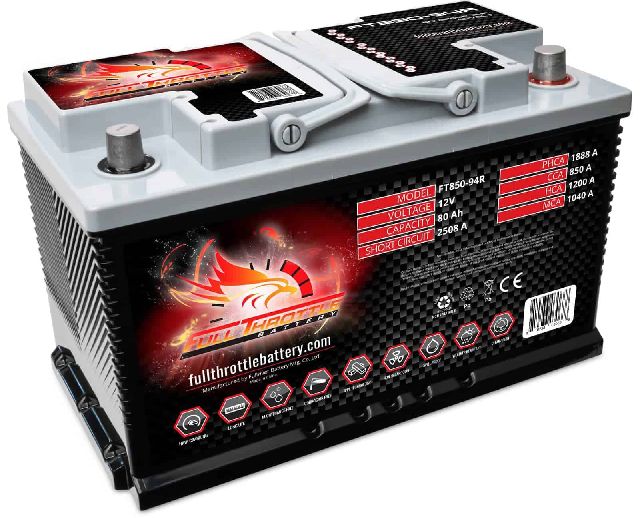
We Have This Part in Stock


The information in this article is provided for general reference and educational purposes only. Vehicle specifications, procedures, and part compatibility can vary by production date, trim level, and region. Always consult your vehicle's factory service manual and verify part numbers before purchasing or performing repairs. Safety-critical components such as airbags, seat belts, and braking systems should be installed by a qualified professional.
- Land Rover DISCOVERY SPORT:
- 🧭 Diagnostic Flowchart
- 🎬 Helpful Videos
- 🛍️ Shop This Part
- What's Unique About the 2015-2016 Land Rover DISCOVERY SPORT
- Symptoms You May Notice
- Most Likely Causes
- Rare But Worth Checking
- Diagnosis Steps
- Parts You'll Likely Need
- Related Codes That Often Appear With This One
- Technical Service Bulletins (TSBs) & Recalls
- Platform-Specific Known Issues
- Mechanic-Grade Diagnostic Values
- Hidden / Shadow Codes Worth Checking
- Scan Tool Commands That Help
- Wiring & Ground Locations
- 🎟️ Get 5% Off