

U3003 on 2021-2023 Lincoln Corsair PHEV: Battery Voltage Fault Causes and Fixes
On a 2021-2023 Corsair PHEV, code U3003 almost always means the 12V battery isn't being charged due to a blown 300-amp fuse, a known issue covered by a Technical Service Bulletin (TSB SSM 52201). Do not just replace the 12V battery; the charging system fuse must be inspected first. This is a very common failure on this platform and its mates, the Ford Escape and Maverick Hybrids.
- U3003 on a Corsair PHEV is a serious code indicating the 12V battery is not being charged.
- The most likely cause is a blown 300-amp fuse, a known issue covered by Ford TSB SSM 52201.
- Do not replace the 12V battery or the expensive DC/DC converter without first having a technician inspect this specific fuse.
- Repair involves the high-voltage system and should be performed by a qualified professional.
- Ask the dealer to check for software updates, especially TSB 22-2169, which can also cause 12V battery drain.
What's Unique About the 2021-2023 Lincoln Corsair
Unlike many vehicles where U3003 is just a generic 'bad battery' code, on the Corsair PHEV and its platform mates (Ford Escape and Maverick Hybrid), it points to a very specific, documented failure. Ford issued TSB SSM 52201 that directly links this code to a blown 300-amp fuse in the high-current battery junction box. This fuse failure cuts off charging power from the DC/DC converter, making the diagnosis much more direct than on vehicles where U3003 has a broader meaning. Technicians on forums note this fuse can develop hairline cracks from vibration and road shock, leading to an open circuit that stops the 12V battery from charging.
Symptoms You May Notice
- Vehicle will not start or is completely dead
- "Deep Sleep Mode" or "Battery Saver Mode" notifications on the FordPass/Lincoln Way app.
- "Stop Safely Now" message on the instrument cluster.
- Warning lights on the dashboard, including the battery light
- Electrical accessories (radio, lights) not working correctly
- Slow or non-responsive power windows or door locks
- Inability to use remote start.
- Replacing the 12V battery without diagnosing the charging system. If the 300-amp fuse is blown, the new battery will also drain and be ruined, often in a matter of days.
Most Likely Causes
- Blown 300-Amp High-Current Fuse 🔴 High Probability A known issue documented in Ford TSB SSM 52201 affects the Corsair, Escape, and Maverick hybrids. The fuse can crack or fail, severing the connection between the DC/DC converter and the 12V battery. Technicians speculate this is due to vibration and road shock, which can cause hairline cracks that may test good for continuity but fail under load.
How to confirm: A technician must access the high-current battery junction box (BJB) and test the 300A fuse (often labeled F4) for continuity, following the procedure in WSM Section 414-05, Pinpoint Test H. The fuse part number is confirmed as MU5Z14526K.
Typical fix: Replace the blown 300-amp fuse. This should be performed by a professional due to its location within the high-voltage system, which requires de-energizing.
Est. part cost: $30-$55 - Weak or Failed 12V Battery 🟡 Medium Probability → Shop Vehicle Battery While often a symptom of the blown fuse, the original equipment 12V battery can also fail independently. The constant drain from the charging system failure will quickly ruin a good battery. Owners on forums frequently report needing multiple batteries before the root cause (the fuse) is found.
How to confirm: Perform a professional load test on the 12V battery using a digital analyzer. A simple voltage check is not sufficient, as a battery can show 12V but fail under load. A healthy battery should have 12.4-12.8V at rest and not drop below 9.6V during a load test.
Typical fix: Replace the 12V battery and perform a Battery Monitoring System (BMS) reset. 🎬 Watch: How to perform a battery reset on a Corsair This is critical for the new battery's health and longevity. Failure to reset the BMS can lead to improper charging and premature failure of the new battery.
Est. part cost: $150-$350 - Software/Module Programming Issue ⚪ Low Probability TSB 22-2169 specifically for PHEV models notes that a software glitch in the Battery Charger Control Module (BCCM) can cause the 12V battery to discharge while the vehicle is plugged in and charging the high-voltage battery. This can also be related to differences in local power grids for Level 2 chargers.
How to confirm: A Lincoln dealer can check if the vehicle's modules (PCM, BCCM, etc.) have the latest software updates by referencing the VIN and TSB 22-2169.
Typical fix: Reprogramming of various control modules by a dealer technician, starting with the PCM. No parts are replaced.
Est. part cost: $0 (if under warranty) - $200
Rare But Worth Checking
- Failed DC/DC Converter Control Module: → Shop Power Converter This is the expensive module that acts as the alternator. While it can fail, it is far less common than the fuse issue. It should only be replaced after the fuse, battery, and wiring have been confirmed to be good.
Diagnosis Steps
- Scan the vehicle for all Diagnostic Trouble Codes (DTCs), paying close attention to any suffixes like :16 or :62 stored in the DC/DC Converter Control Module.
- Have the 12V battery professionally load-tested. Do not rely on a simple voltage reading. A healthy battery should show 12.4-12.8V at rest and not drop below 9.6V under load.
- If the battery is weak or fails the test, charge it fully and re-test before replacing. A dead battery is often a symptom, not the cause.
- Provide the vehicle's VIN to a Lincoln dealer to check for open recalls or applicable TSBs, specifically SSM 52201 (fuse issue) and 22-2169 (software issue).
- Instruct a qualified technician to inspect and test the 300-amp fuse (MU5Z14526K) in the high-current battery junction box for continuity, as detailed in TSB SSM 52201 and WSM Section 414-05, Pinpoint Test H.
- If the fuse is good, investigate for software updates related to TSB 22-2169, especially if the 12V battery drain occurs while the HV battery is charging.
- After any repair, especially battery replacement, ensure a Battery Monitoring System (BMS) reset is performed.
- Only after confirming the fuse, battery, and software are good should the DC/DC converter itself be considered as the point of failure.
Parts You'll Likely Need
- High-Current Fuse (300 Amp)
(OEM #MU5Z14526K)— This is the most common failure point for this code on this vehicle, as documented in TSB SSM 52201.
Trusted brands: Motorcraft
OEM price range: $30-$55
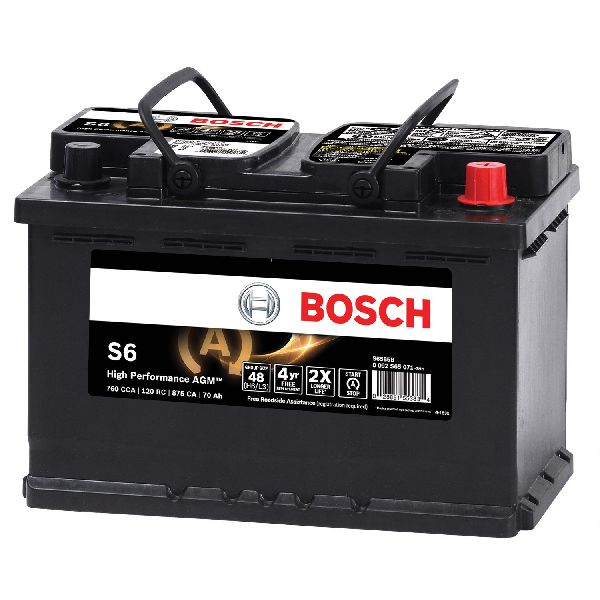
Aftermarket price range: $20-$45 - 12V AGM Battery — The original battery is often damaged from being deeply discharged due to the charging system failure. A replacement is frequently necessary along with the primary fuse repair.
Trusted brands: Motorcraft, Interstate, DieHard
OEM price range: $200-$350
Aftermarket price range: $150-$250
Related Codes That Often Appear With This One
- U3003:62 — This specific sub-code for 'Signal Compare Failure' is explicitly mentioned in TSB SSM 52201 as the primary indicator of the 300-amp fuse failure.
- U3003:16 — This sub-code for 'Circuit Voltage Below Threshold' directly confirms the low voltage condition that results from the charging system failure.
- U3000:04 — This 'Control Module: System Internal Failures' code can be stored in the DC/DC module alongside U3003 when the fuse fails, as noted in TSB SSM 52201.
Technical Service Bulletins (TSBs) & Recalls
- SSM 52201: Addresses a low or discharged 12V battery with DTCs U3003:62, U3003:16, and/or U3000:04 in the DC/DC module, pointing to an open 300-amp fuse. Affects Corsair, Escape, and Maverick hybrids.
- TSB 22-2169: For PHEV models, this bulletin addresses a 12V battery that discharges while the high-voltage battery is charging, with the fix being module reprogramming.
Platform-Specific Known Issues
- A known issue documented in TSB SSM 52201 points to an open 300-amp fuse (F4) in the high-current battery junction box, causing a no-charge condition for the 12V battery.
- PHEV models may have a software issue that causes the 12V battery to discharge while the high-voltage battery is charging, addressed by TSB 22-2169.
Mechanic-Grade Diagnostic Values
- 12V Battery State of Charge (At Rest) — expected: 12.4V - 12.8V. Failure: Voltage below 12.4V indicates a discharged or failing battery.
- 12V Battery Under Load (Cranking or Load Test) — expected: Should not drop below 9.6V. Failure: A drop below 9.6V indicates the battery cannot hold a charge under load and should be replaced.
- Charging System Voltage (DC/DC Converter Output) — expected: Approximately 13.8V - 14.5V at the battery terminals when the vehicle is in 'Ready' mode.. Failure: Voltage near or at battery voltage (e.g., 12.x V) indicates the DC/DC converter is not charging the 12V battery.
Scan Tool Commands That Help
- Ford IDS / FORScan: Pinpoint Test H — This is the specific, guided diagnostic routine referenced in TSB SSM 52201 to test the 300-amp mega fuse circuit when DTC U3003:62 is present.
- Ford IDS / FORScan / Professional Scan Tool: BMS Reset — This function must be used after replacing the 12V battery. It informs the Battery Monitoring System of the new battery's state of health, ensuring correct charging strategy and preventing premature failure of the new battery.
- Ford IDS / FORScan: Self-Test: DC/DC Converter Control Module (DCDC) — To retrieve DTCs directly from the module responsible for 12V charging, including critical sub-codes like :16 and :62.
- Manual Procedure (No Scan Tool): BMS Reset (Manual) — After a 12V battery replacement if a scan tool is unavailable. With the ignition on (engine off), flash the high beams five times, then press the brake pedal three times. The battery warning light on the dash should flash three times to confirm the reset was successful.
- Manual Procedure (No Scan Tool): BMS Reset (Sensor Disconnect) — As an alternative reset method, a technician suggests starting the vehicle, locating the small 2-wire connector on the negative battery terminal's BMS sensor, unplugging it for 10 seconds, and plugging it back in. Let the vehicle run for 15 minutes to force the BMS to reset and relearn the battery's state of charge.
Wiring & Ground Locations
- High-Current Battery Junction Box (BJB) — Located in the engine compartment.. This box contains the 300-amp fuse (labeled F4) that is the most common point of failure for this DTC. Accessing this box is required to perform Pinpoint Test H as per TSB SSM 52201.
- DC/DC Converter — Located under the hood on the driver's side, mounted next to the Inverter System Controller (ISC).. This is the module that sets the U3003 code. All diagnostic paths lead from or to this component, which is responsible for charging the 12V battery.
- 12V Battery — Located in the cargo compartment, mounted within the spare tire well area.. This is the battery that is not being charged. Its location is important for testing, charging, or replacement. A BMS reset is required after replacement.
- BMS Sensor Connector — A small 2-wire electrical connector attached to the sensor on the negative battery terminal in the rear cargo area.. Disconnecting and reconnecting this sensor is a known technician trick to force a reset of the Battery Monitoring System, which can sometimes resolve incorrect 'Battery Saver Mode' issues.
OEM Part Supersession History
MU5Z-14526-K→No official supersession found.— This appears to be the current and correct part number for the 300-amp fuse.
Heads up: Be cautious of similarly named but different amperage fuses. Part numbers MU5Z-14526-D and MU5Z-14526-F are also multi-purpose fuses for Ford vehicles but may have different ratings or applications and should not be substituted.
Diagnostic Flowchart
Other Known Issues on This Vehicle
Issues unrelated to this code that are worth knowing about as an owner of this generation:
- High-Voltage Battery Internal Short Circuit 🔴 High → Shop Vehicle Battery — Affects a significant number of 2021-2024 PHEV models, leading to multiple recalls. (Ref: Recalls 24S79, 25V789, 25SC4. The issue stems from manufacturing defects in the HV battery cells that can cause a loss of motive power and risk of fire.)
- Engine Compartment Fire Risk 🔴 High — Affects 2020-2023 models with the 2.5L HEV/PHEV engine due to potential engine block/oil pan breach on failure. (Ref: Recall 22S47. In the event of an engine failure, oil and fuel vapor can accumulate near ignition sources, causing a fire.)
- Faulty Rearview Camera Image 🟠 Medium — Common issue across 2020-2022 models where the backup camera image may be blank, distorted, or flipped. (Ref: Recall for software update. The infotainment system requires a firmware update to fix the issue.)
- Chronic 12V Battery Drain / 'Deep Sleep Mode' 🟠 Medium → Shop Vehicle Battery — Widespread owner complaints of receiving 'Battery Saver' or 'Deep Sleep Mode' notifications, even with a healthy battery and sufficient driving. This is separate from the U3003 fuse issue and points to a sensitive Battery Management System (BMS) or parasitic draws.
- Engine Block Heater Failure 🟡 Low — Affects some 2020-2022 models where the optional engine block heater can crack and leak coolant, causing a short circuit when plugged in. (Ref: Recall issued.)
Used vs. New Parts: Buying Guide for This Vehicle
When a used part is the smart pick: For this specific repair, using used parts is generally not recommended. The primary failure components are a fuse and a battery, which are wear items and should always be replaced with new parts.
OEM-only on this vehicle (don't cheap out):
- High-Current Fuse (300 Amp): Given the low cost of the OEM part (MU5Z-14526-K) and its critical function in the high-voltage charging system, using a new, genuine Motorcraft fuse is strongly advised to ensure reliability and prevent repeat failures.
- DC/DC Converter: If this expensive module requires replacement, using a new OEM part is the safest option. A used converter carries unknown history and could fail prematurely, and aftermarket options are not widely available or validated for this specific PHEV application.
Aftermarket brands forum-validated for this vehicle:
- 12V AGM Battery: While Motorcraft is the OEM choice, reputable aftermarket brands like Interstate, DieHard, or Duralast offer compatible AGM batteries that are a viable alternative.
Brands owners have reported issues with on this vehicle:
- For the 300A fuse, avoid generic, unbranded fuses from online marketplaces. The documented cause of failure is often a hairline crack from vibration, suggesting that the material quality and construction of the OEM fuse are important.
Real Owner Stories
Aggregated from forums and TSBs cited above. Mileages and costs reflect what owners reported in those sources.
2020 Lincoln Corsair
Symptoms: The owner was on their third 12V battery in a short period. The first was replaced under warranty, but subsequent batteries failed as the root charging system issue was not investigated.
What fixed it: The source highlights the common misdiagnosis of replacing batteries without investigating the charging system/fuse.
Source hint: Blue Oval Forums - Corsair Battery Gobbler
2023 Lincoln Corsair
Symptoms: The 'Battery Saver Mode' issue returned just one year after the 12V battery was replaced, despite the owner driving enough to keep it charged.
What fixed it: The discussion emphasizes the necessity of a Battery Monitoring System (BMS) reset after battery replacement to ensure proper charging logic.
Source hint: Reddit r/lincolnmotorco - Battery Saver Mode issue again
2022 Ford Maverick HEV (Platform Mate)
Symptoms: Frustration with dealers repeatedly replacing the 12V battery without finding the root cause of the drain.
What fixed it: Identification of the 300-amp mega fuse failure as the root cause for DTC U3003:62.
Source hint: MaverickTruckClub - Hybrid Battery Drain issue?
Related OBD-II Codes
Frequently Asked Questions
My 2021 Lincoln Corsair PHEV is showing 'Deep Sleep Mode' in the Lincoln Way app; does SSM 52201 apply to me?
Why does my Corsair PHEV battery drain specifically while it is plugged in and charging?
Can I just replace the 12V battery myself to fix the U3003 code?
What specific part is usually responsible for the U3003:62 code in the DC/DC module?
Is the 'Stop Safely Now' message on my dashboard related to the 12V battery system?
Does the 300-amp fuse failure always show a visible break?
Helpful Videos
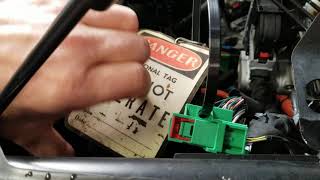
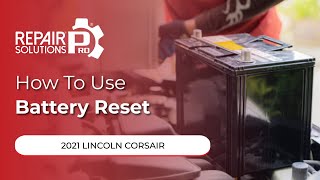
Used OEM Parts in Stock
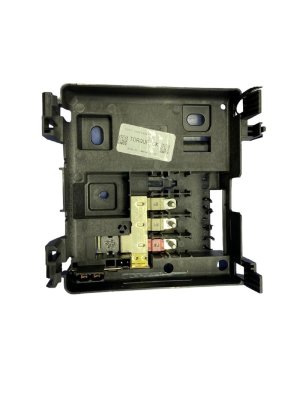
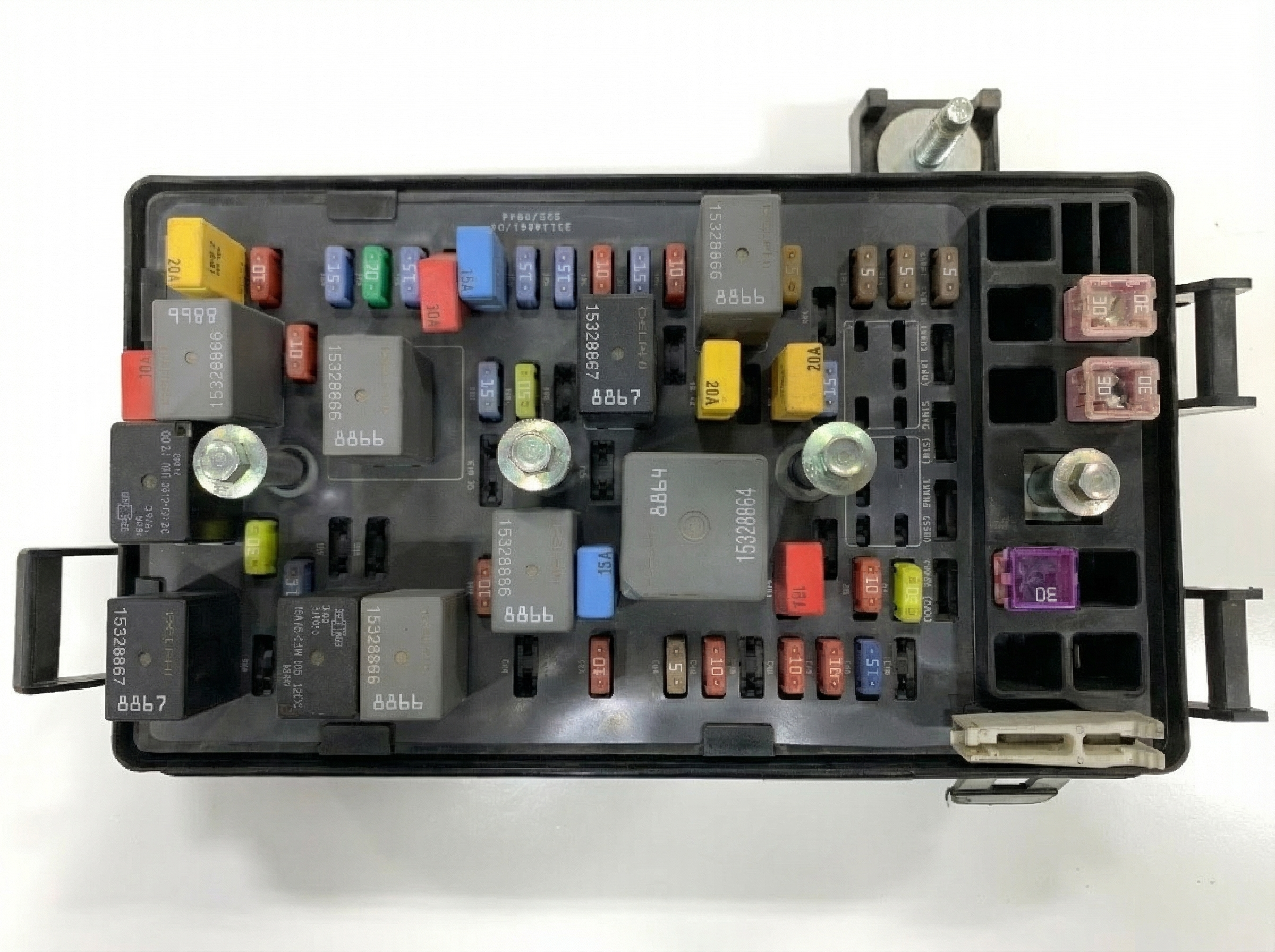
New Aftermarket Parts Available



The information in this article is provided for general reference and educational purposes only. Vehicle specifications, procedures, and part compatibility can vary by production date, trim level, and region. Always consult your vehicle's factory service manual and verify part numbers before purchasing or performing repairs. Safety-critical components such as airbags, seat belts, and braking systems should be installed by a qualified professional.
- Lincoln Corsair:
- 🧭 Diagnostic Flowchart
- 🎬 Helpful Videos
- 🛍️ Shop This Part
- What's Unique About the 2021-2023 Lincoln Corsair
- Symptoms You May Notice
- Most Likely Causes
- Rare But Worth Checking
- Diagnosis Steps
- Parts You'll Likely Need
- Related Codes That Often Appear With This One
- Technical Service Bulletins (TSBs) & Recalls
- Platform-Specific Known Issues
- Mechanic-Grade Diagnostic Values
- Scan Tool Commands That Help
- Wiring & Ground Locations
- OEM Part Supersession History
- Other Known Issues on This Vehicle
- Used vs. New Parts: Buying Guide for This Vehicle
- Real Owner Stories
- 2020 Lincoln Corsair
- 2023 Lincoln Corsair
- 2022 Ford Maverick HEV (Platform Mate)
- Related OBD-II Codes
- Frequently Asked Questions
- 🎟️ Get 5% Off