

OBD-II Code U3009: Control Module Ground 'B' Circuit Fault
The Ultimate 2026 Guide to Diagnosing and Fixing U3009
- Code U3009 indicates a specific electronic module lost its secondary ground connection, causing high resistance that disrupts CAN bus communication.
- Over 70% of U3009 faults stem from a loose or corroded ground bolt on the vehicle's chassis, requiring only a wire brush and a $10 socket set to fix.
- Symptoms range from flickering lights to a 200mA+ parasitic battery drain, and driving is unsafe due to the risk of sudden power steering or engine failure.
- Never replace a $500+ control module before performing a voltage drop test; a reading above 0.2 volts (200mV) confirms the issue is in the wiring, not the module.
What Does U3009 Mean?
U3009 signifies an electronic control module detected a fault in its secondary ground connection, labeled the 'B' circuit. Control modules require a stable ground to complete electrical circuits and communicate over the CAN bus network. When this ground connection loosens, corrodes, or breaks, it creates high resistance. This prevents the module from functioning or communicating, triggering cascading electrical failures.
Technical definition: The SAE/ISO definition for U3009 is 'Control Module Ground B'. This indicates a control module's internal diagnostics detected the voltage reference on its secondary ground circuit is outside specified parameters. Modern modules use multiple, redundant ground paths ('Ground A', 'Ground B'). U3009 specifically points to an open circuit, high resistance, or intermittent fault on a secondary ground path.
Can I Drive With U3009?
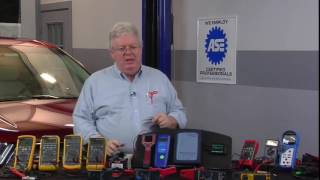
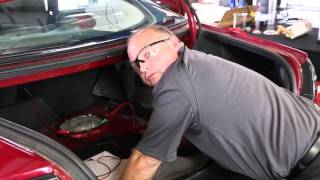
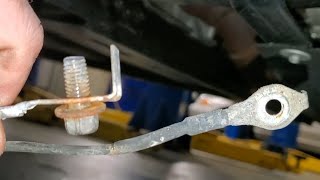
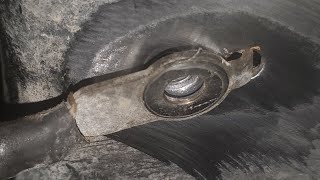
Yes, But With Caution. Driving is possible but not recommended. The fault causes unpredictable failures in critical systems. On a Ford Explorer, U3009 links to a sudden loss of power steering assist, 🎬 See how to fix notorious Ford ground problems affecting power steering. increasing crash risk. On other vehicles, a faulty Body Control Module (BCM) disables exterior lighting, stalls the engine, or triggers security lockouts. Continuing to drive forces voltage irregularities that damage sensitive electronic modules, turning a $100 wiring fix into a $2,000+ repair.
Common Causes
- Corroded or Loose Ground Strap/Bolt (Very Common) — The ground point, where a wire from the module bolts to the vehicle's metal chassis, is susceptible to moisture and vibration. Rust forms or the bolt vibrates loose, creating a poor connection with high resistance that triggers the code.
- Damaged or Broken Wiring (Common) — Physical abrasion against a sharp edge, constant flexing in a door hinge or steering column, or rodent damage causes the ground wire to fray or break completely, resulting in an open circuit.
- Water Intrusion / Liquid Damage (Common) — Leaks from clogged sunroof drains or degraded windshield seals allow water to drip onto a control module. This moisture corrodes the delicate connector pins and internal circuit board, leading to ground circuit failures.
- Corroded or Damaged Connector (Less Common) — Pins inside the electrical connector become corroded from moisture, bent during previous repairs, or lose their tension ('pin fit'), resulting in a poor connection for the ground circuit.
- Internal Control Module Failure (Less Common) — A cracked solder joint on the circuit board, failure of an internal component, or damage from a previous voltage spike causes the module to lose its own ground reference, setting a U3009 code even if external wiring is perfect.
- Improperly Installed Aftermarket Accessories (Less Common) — Poorly installed remote starters or stereo systems overload a module's ground path. Tapping into the wrong circuit or grounding to a painted surface creates the high resistance that triggers this code.
- Faulty or Failing Battery (Rare) — A weak battery causes significant voltage fluctuations during engine cranking. This electrical instability is misinterpreted by a module's sensitive diagnostic circuits, leading to false ground fault codes like U3009.
- Missing or Loose Main Ground Straps (Rare) — A missing or loose ground strap between the engine, chassis, and battery forces current to seek an alternative path, potentially through a smaller module's ground circuit, overloading it and causing a fault.
Symptoms
- Power Accessories Not Working — Intermittent or total failure of body-related accessories like power windows, door locks, power seats, sunroof, or the radio.
- Flickering or Inoperative Lights — Interior dome lights, dashboard illumination, or exterior headlights and taillights flicker, appear dim, stay on, or fail completely.
- Parasitic Battery Drain — A module with a bad ground fails to 'go to sleep' when the car is turned off. It continues drawing power, resulting in a dead battery overnight.
- Engine Hard Starting or Stalling — If the faulty ground affects the Powertrain Control Module (PCM) or Body Control Module (BCM), it interferes with ignition or fuel systems, causing hard starts or unexpected stalling.
- Security System Malfunctions — The anti-theft system acts erratically. The alarm randomly triggers, or the system fails to recognize a valid key, preventing the car from starting.
- Warning Lights on Dash (also visible on scanner) — A 'Check Engine' light illuminates, often accompanied by system-specific warning lights for the ABS, airbag, security system, or a 'service electrical system' message.
- Communication Errors on Scan Tool (scan-tool only — no driver-felt sign) — A professional scan tool reports a 'loss of communication' with the specific module that has the bad ground, often accompanied by codes like U0140.
Diagnostic Flowchart
Tap your situation to follow the diagnostic path that matches what you're seeing on this code.
Common Fixes & Costs
- Clean and Tighten Ground Connection — Parts: $0-$10, Labor: $100-$150, ~1 hr book time (DIY)
- Repair Damaged Ground Wire/Harness
— Parts: $10-$50, Labor: $150-$450, ~3 hr book time
(Intermediate)
Dodge / Ram 1500 (2013-2018): OEM 68163713AC (Alt: Dorman (Varies by specific application)) - Repair Water Leak Source — Parts: $20-$100, Labor: $100-$300, ~2 hr book time (Intermediate)
- Replace Body Control Module (BCM)
— Parts: $250-$800, Labor: $150-$350 (includes programming), ~2.5 hr book time
(Professional)
Ford F-150 (2009-2014): OEM DL3Z-15604-B, EC3T-14B476-BA (Alt: Dorman (e.g., 599-905 for some applications))
Chevrolet / GMC 1500 (2007-2018): OEM (Varies widely by year/options) (Alt: Dorman, Cardone) - Replace Ignition Switch
— Parts: $60-$200, Labor: $75-$150, ~1.5 hr book time
(Intermediate)
Ford F-150 (2009-2014): OEM (Varies by key type) (Alt: Standard Motor Products, Duralast)
Used vs. New Parts: Buying Guide
When a used part is worth it: For an older, high-mileage vehicle where a new OEM module is cost-prohibitive, a used module from a reputable salvage yard is a budget-conscious option. It only makes sense if you have access to a shop capable of programming a used module, as dealerships often refuse to do so.
Donor-vehicle mileage cap: roughly under 100000 miles for the part to have meaningful remaining life.
Donor quality checklist:
- Match the part number EXACTLY. A number off by one digit is incompatible.
- Visually inspect connector pins for corrosion, indicating water damage.
- Purchase from a reputable salvage operation offering a 30-90 day warranty.
- Verify the donor vehicle was not scrapped due to electrical or flood damage.
Decision logic:
- If The vehicle is less than 8 years old or has under 100k miles. → Buy a new OEM or high-quality remanufactured module. The risk of a used part failing is not worth the savings.
- If The vehicle is older, the budget is tight, and you confirmed programming capability. → A used module is a viable option, but carries a higher risk of failure.
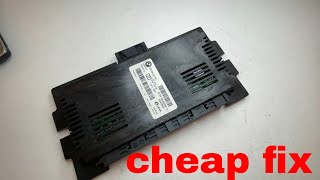
- If The specific module has a known high failure rate (e.g., BMW FRM). → Favor a new part or a specialized repair service that addresses the root design flaw.
Warranty tradeoff: Used parts typically come with a 30-90 day part-only warranty. New aftermarket parts carry a 1-year to limited lifetime warranty. New OEM parts usually have a 1-2 year warranty.
Worst-case if a used part fails: $300-$600 if the used part is dead on arrival or fails after the warranty period, requiring double labor and a second part.
What Happens If You Wait — Timeline
- 0-1 month: Code U3009 sets. Intermittent, minor electrical symptoms appear, such as a single power window failing or a light flickering. The issue appears to resolve itself, but the code remains stored. (MPG impact: 0%% · Added cost: $0)
- 1-4 months: Symptoms become frequent. A parasitic draw develops as the faulty module fails to enter 'sleep' mode, leading to a dead battery overnight. Required jump-starts stress the battery and electronics. (MPG impact: 0%% · Added cost: $150-$350 (Cost of a new battery permanently damaged by repeated deep cycling).)
- 4-12 months: Unstable ground connections create significant voltage fluctuations. This electrical 'noise' corrupts data on the CAN bus, causing healthy modules to set communication codes. Critical systems like power steering fail unpredictably. (MPG impact: 0-1% (If engine management is affected)% · Added cost: $100-$200 (Diagnostic fee to trace escalating, confusing symptoms).)
- 12+ months: Cascading failure begins. Persistent voltage instability causes internal failure of sensitive electronic modules. A simple ground wire fix becomes a complex diagnostic nightmare requiring multiple module replacements. (MPG impact: 1-5%% · Added cost: $800-$3000+ (Cost to diagnose and replace multiple damaged control modules).)
Cost of Not Fixing It
- Immediate: Intermittent failure of electrical systems like lights, power locks, or windows. If the fault is in the Power Steering Control Module, it causes a sudden loss of power assist. (Added cost: 0)
- 1-3 months: A module with a faulty ground fails to 'sleep' properly, causing a parasitic battery drain. Repeatedly draining a standard lead-acid battery permanently damages it, requiring replacement. (Added cost: $150-$350)
- 3+ months: Unstable grounds create voltage fluctuations throughout the vehicle. This causes cascading failures, damaging expensive electronic modules and turning a wiring repair into a multi-module replacement. (Added cost: $800-$3000+)
Diagnosis Steps
- Read All Trouble Codes
Use an advanced OBD-II scanner capable of communicating with all vehicle modules (BCM, ABS, PSCM, etc.). Document the U3009 code and note which specific module is reporting it. Pay close attention to any other 'U' (communication), 'B' (body), or 'C' (chassis) codes present.
Tools: Advanced OBD-II Scanner (Beginner) - Perform a Thorough Visual Inspection
Identify the physical location of the module that set the code using a service manual. Inspect the module's connector for corrosion (green/white powder) or water stains. Trace the ground wire from the module to its chassis mounting point. Look for looseness, heavy rust, or physical damage.
Tools: Flashlight, Service Manual (Beginner) - Perform a Voltage Drop Test (Definitive Test)
Turn the ignition on (KOEO) and activate the circuit in question. Set your multimeter to DC Volts. Connect the black lead to the battery's negative post and the red lead to the ground pin at the module's connector (back-probing). A reading above 0.2 volts (200mV) indicates a problem. Anything over 0.5V is a significant fault that must be repaired.
Tools: Digital Multimeter, Back-probe kit (Advanced) - Clean and Tighten the Ground Connection
Disconnect the vehicle's battery. Unbolt the main ground connection for the affected module. Use a wire brush to clean the wire's terminal, the bolt, and the chassis mounting point until all surfaces are bright, bare metal. Re-torque the bolt to the manufacturer's specification (usually 8–12 Nm). Apply dielectric grease.
Tools: Socket set, Wire brush, Torque wrench, Dielectric grease (Beginner) - Wiggle Test the Wiring Harness
While performing the Voltage Drop Test (Step 3), have an assistant gently wiggle and flex the wiring harness between the module and its ground point. If the voltage reading fluctuates wildly or drops to zero, you found an intermittent break or loose connection within the harness.
Tools: Digital Multimeter, Back-probe kit, Assistant (Intermediate) - Test Ground Circuit Continuity
With the battery disconnected, set a multimeter to Ohms (Ω). Place one probe on the ground pin at the module's connector and the other on the clean chassis ground point. A reading of less than 0.5 ohms is acceptable; under 0.1 ohms is ideal. A higher reading indicates excessive resistance.
Tools: Digital Multimeter, Wiring Diagram (Intermediate) - Perform a Parasitic Draw Test
If the symptom is a dead battery, disconnect the negative battery cable and place a multimeter (set to Amps) in series between the cable and the battery post. After modules go to sleep (5-45 minutes), total draw should be under 50mA (0.05A). If higher, pull fuses one by one until the draw drops to identify the faulty circuit.
Tools: Digital Multimeter with Amp clamp or 10A setting (Advanced) - Check Network Activity with an Oscilloscope
Connect an oscilloscope to the CAN High and CAN Low pins at the DLC. A healthy CAN bus shows a clean, symmetrical square wave pattern. At idle, both lines sit at 2.5V. A module with a bad ground corrupts this signal, causing distorted or missing waveforms, confirming the ground fault disrupts network communication.
Tools: Oscilloscope, DLC Breakout Box (Professional)
When This Code Triggers (Freeze-Frame Conditions)
- Module Voltage: 11.8V - 12.5V (During Key-On, Engine-Off (KOEO) self-test, or during engine cranking.)
- Ignition Status: RUN (The fault is detected immediately after the ignition is switched on as modules perform a power-on self-test.)
- Vehicle Speed: 0 mph (Ground faults are logged at startup before the vehicle moves. It also triggers at any speed if vibration causes an intermittent connection.)
- System Status: Active Command (The code sets when the driver attempts to use a function controlled by the affected module (e.g., pressing the power window switch).)
Related Codes
- U3003 — Indicates a general battery voltage issue. If both codes are present, test the battery and charging system first. A failing battery causes voltage instability that a module misinterprets as a ground fault. If the charging system is healthy, the U3009 ground fault is causing the module to incorrectly report a voltage problem.
- U0140 — Means 'Lost Communication With Body Control Module'. If you have U0140 along with a U3009 stored in another module, the BCM's bad ground is so severe it went completely offline. If you cannot communicate with the BCM at all, the U3009 fault is the root cause.
- B1318 — Another code for 'Battery Voltage Low'. Similar to U3003, if overall system voltage is too low, modules fail to power up correctly and falsely report a ground fault like U3009. Verify battery health before chasing ground faults.
- U-codes in the U00xx-U05xx range — Indicates CAN bus communication errors. A module with a bad ground broadcasts corrupted data onto the network, preventing other modules from communicating. Fixing the single ground fault at the source module resolves all the other U-codes.
Climate & Environmental Factors
- High Humidity & Salinity: Vehicles operated in coastal areas experience accelerated corrosion on electrical components. Salt in the air acts as a catalyst, significantly increasing the rate at which ground points on the chassis degrade, making U3009 faults common.
- Winter Road Salt ('Salt Belt'): In regions where roads are heavily salted, the undercarriage is constantly exposed to corrosive slush. This severely affects frame grounds, such as the EBCM ground on GM trucks, causing them to rust and fail at a much higher rate.
How to Talk to a Mechanic About This Code
Say this: "I have a U3009 code and I'm experiencing [mention specific symptoms]. I'd like to schedule a one-hour electrical diagnostic. Please focus on identifying which module is setting the code and performing a voltage drop test on its ground circuit. I want to confirm a wiring or ground fault before discussing module replacement."
This signals you are an informed customer. It directs them to perform the correct diagnostic test (voltage drop test) and prevents them from jumping to the most expensive conclusion (module replacement). It establishes a clear, time-boxed diagnostic plan.
Avoid saying:
- 'My check engine light is on, can you look at it?' (Too vague, invites a broad, expensive diagnostic process).
- 'I think I need a new BCM.' (Never diagnose the car for the mechanic; you anchor them to a costly and incorrect repair).
- 'Just fix whatever's wrong.' (Gives the shop a blank check to replace parts without approval).
Questions to ask before authorizing the repair:
- Which specific module set the U3009 code?
- What was the voltage drop reading on the module's ground circuit? Can you show me the reading?
- Did you find the cause to be a loose connection, corrosion, a broken wire, or an internal module fault?
- If a module needs replacement, is programming required, and is that included in the quote?
- What is the warranty on this specific repair, covering both parts and labor?
Where to Take It: Dealer vs Independent vs Chain
- Dealer:
Necessary evil. Go here if the repair requires manufacturer-specific software or is covered by a warranty/recall. For out-of-warranty diagnostics, start with an independent specialist.
Best for: Vehicles under warranty., Repairs covered by a specific recall or Technical Service Bulletin (TSB) (e.g., Ford PSCM, BMW FRM)., Complex module programming that independent shops cannot perform.
Downsides: Significantly higher labor rates and parts costs., Defaults to replacing an entire assembly rather than performing a nuanced wire repair. (Typical cost: +50% vs. baseline) - Independent Shop:
Best fit for most cases. An independent shop specializing in electrical work is the ideal choice for accurately diagnosing a U3009. They are more likely to perform a cost-effective wire or ground cleaning repair.
Best for: Out-of-warranty vehicles where cost is a factor., Diagnosing and repairing wiring and ground faults., Finding a technician who traces the circuit instead of just replacing parts.
Downsides: Quality and electrical expertise vary widely; you must find a shop with a strong reputation for electrical diagnostics., Lacks the proprietary tools needed for programming certain modules. (Typical cost: +0% vs. baseline) - Chain Shop:
AVOID. This fault requires diagnostic expertise typically not found at a chain shop. The risk of an expensive misdiagnosis is very high.
Best for: Simple, non-electrical repairs like tires and oil changes.
Downsides: Technicians lack specialized training for complex electrical diagnostics., High pressure to sell parts leads to misdiagnosis and unnecessary module replacement., Not equipped for module programming. (Typical cost: -10% vs. baseline)
When to Walk Away From the Repair
If the estimated repair cost for the U3009 fault and related damage exceeds 40-50% of the car's private-party value, seriously consider selling or trading it in.
- Car worth $5000, fix is $2500: Walk away. The repair cost is 50% of the car's value, and for an electrical issue, other problems are likely hiding.
- Car worth $15000, fix is $1200: Fix it. The cost is well below the threshold, and fixing it preserves the vehicle's value and safety.
- Car worth $3000, fix is $450: Fix it. This is a relatively inexpensive repair that resolves major usability and safety issues, making it a worthwhile investment.
What Scan Tool You Need for This Code
Minimum: A scanner that reads 'enhanced' or 'manufacturer-specific' codes from all vehicle modules, including the Body Control Module (BCM), ABS, and SRS. A basic engine-only code reader is useless for U3009.
A $20 scanner only talks to the engine computer. The U3009 code is almost always set by a different module. Without knowing which module is complaining, you cannot begin to diagnose the problem.
Budget: BlueDriver Pro (~$99) — Reads enhanced codes from all modules (ABS, SRS, BCM, etc.) on most major brands. It tells you exactly which module has the U3009 code, the critical first step for diagnosis.
Mid-range: Foxwell NT510 Elite / Autel MaxiCOM MK808 (~$180) — Adds bidirectional control. This allows you to command modules to perform actions (e.g., 'turn on headlights') to verify if a module is responsive after a ground repair.
Professional: Autel MaxiSys MS906 / Launch X431 Series (~$600-1500) — Provides full bidirectional control, advanced diagnostics, and module programming capabilities. If the final diagnosis is a failed module, a tool at this level is required to code the new part to the vehicle.
Rent vs buy: For U3009, renting is not recommended. Free loaner tools at auto parts stores are typically basic engine code readers that cannot access the necessary modules. You must buy a scanner with enhanced, all-system code reading capabilities.
How to Clear the Code After You Fix It
- Ensure the underlying physical fault (e.g., corroded wire) is fixed.
- With the ignition off, reconnect the battery if it was disconnected for the repair.
- Use a compatible OBD-II scan tool to erase the U3009 code from the specific module that stored it.
- Perform a complete drive cycle to allow the system's readiness monitors to run.
Drive cycle (~30 minutes): A generic drive cycle includes a cold start (engine off for 6+ hours), a 2-5 minute idle period, 15 minutes of steady highway driving at 55 mph, followed by 10-15 minutes of stop-and-go city driving. This allows the vehicle's self-test monitors to complete.
Readiness monitors affected: Comprehensive Component Monitor, CAN Bus System Readiness
Before emissions retest: drive at least 100 miles to fully set monitors.
Watch out for:
- Clearing the code without fixing the physical ground issue causes the code to return immediately.
- Disconnecting the battery clears the code from memory but resets all emissions readiness monitors to 'Not Ready', causing an automatic emissions test failure.
- Failing to drive the vehicle under the correct conditions after a repair leaves monitors 'Not Ready', preventing it from passing inspection.
Will This Fail Emissions / State Inspection?
Yes — this code typically fails an OBD-II emissions inspection.
- California: An illuminated Check Engine Light (MIL) due to a U-code is an automatic failure. All required readiness monitors must be set to 'Ready'. Clearing the code resets these monitors, requiring 100+ miles of driving before a re-test.
- New York: The NYS inspection includes an OBD-II scan. An active U3009 code commanding the MIL on results in an emissions test failure.
- Texas: An illuminated MIL is an automatic fail. For vehicles 2001 and newer, you pass with no more than one readiness monitor set to 'Not Ready'.
Most Commonly Affected Vehicles
- Ford F-150 (2009-2014) — Commonly caused by a poor ground for the Body Control Module (BCM) located behind the passenger-side kick panel. Water leaks from the windshield or A-pillar area are a frequent culprit.
- Ford Explorer (2011-2013) — Strongly associated with internal faults in the Power Steering Control Module (PSCM). Ford issued Safety Recall 14S06 (NHTSA 14V-286) for this issue, which causes a sudden loss of power steering. The fix involves a PSCM software update or a complete steering gear replacement.
- Chevrolet / GMC Silverado / Sierra 1500 (2007-2018) — Frequently caused by corrosion at the main ABS module (EBCM) ground located on the frame rail directly under the driver's door. Another known issue is a poor BCM ground at location G218 on the left-side A-pillar, addressed in TSB 18-NA-161.
- Dodge / Ram Ram 1500 (2013-2018) — A well-known issue involves the wiring harness inside the steering column (clock spring assembly) chafing and breaking. This causes ground and communication faults affecting the horn, radio controls, and driver information display.
- Jeep Grand Cherokee (2011-2021) — This code appears due to ground issues with the Drivetrain Control Module (DTCM), ABS module, or the Totally Integrated Power Module (TIPM). Check for corrosion on ground points near these components.
- Subaru Outback, Forester, Legacy (2010-2019) — The Body Integrated Unit (BIU) acts as the BCM. A U3009 code often points to an internal BIU failure. A replacement BIU must be programmed to the car's immobilizer system using specialized software for the engine to start.
- Volkswagen Jetta, Golf, Passat (2005-2019) — The Comfort Control Module (CCM) is notoriously prone to water damage. It is located under the front carpet, making it a prime target for clogged sunroof drains or leaking door seals, leading to a host of electrical failures.
- BMW X5 (E70), 3-Series (E9x), 1-Series (E8x) (2007-2014) — Failure of the Footwell Module (FRM) is extremely common. The module's memory is easily corrupted by voltage drops when jump-starting the car or replacing the battery. BMW has an extended warranty (SIB 01 20 16) for this issue, increased to 15 years/186,000 miles.
Manufacturer-Specific Notes
- Ford: A failing instrument cluster causes a flood of 'U' codes, including U3009. Bad internal solder joints affect the cluster's function as a network gateway. For 2011-2013 Explorers, Safety Recall 14S06 addresses PSCM failures that log U3009.
- General Motors (GM): U3009 is commonly traced to a corroded ground point for the ABS module (EBCM) on the driver's side frame rail. TSB 18-NA-161 points to a poor BCM ground at location G218 as a cause for numerous electrical issues.
- Chrysler/Dodge/Jeep: A known issue on Ram models is a chafed wiring harness within the steering column (part # 68163713AC), causing a U3009 or LIN bus fault affecting steering wheel controls. The Totally Integrated Power Module (TIPM) also causes electrical faults that mimic a ground issue.
- BMW: The Footwell Module (FRM) is extremely sensitive to low voltage. Jump-starting the vehicle corrupts the module's software, making it unresponsive. BMW issued an extended limited warranty (SIB 01 20 16) for the FRM, extending coverage to 15 years or 186,000 miles.
Real Owner Stories
2015 Chevy Silverado 1500 with ~70k miles
Owner experienced random loss of power steering, dash lights flickering, radio going blank, and Stabilitrak warnings when turning at low speeds.
What they tried:
- The owner suspected a recent brake system recall update.
- A shop visit confirmed U3009 and other communication codes.
- Following GM TSB 18-NA-161, the technician inspected the BCM ground point G218.
Outcome: The technician found the G218 ground nut on the A-pillar loose with dash insulation material caught under the terminal. Cleaning the connection, removing the obstruction, and properly torquing the nut resolved all electrical issues for minimal labor cost.
Lesson: On GM trucks with multiple electrical gremlins, always check the specific BCM ground point (G218) mentioned in TSBs before suspecting expensive module failures.
2013 BMW 3-Series (E90) at 100K miles
After a jump-start, the power windows, turn signals, and interior lights stopped working. A scanner showed a U3009-type fault in the Footwell Module (FRM).
What they tried:
- The owner checked all related fuses, which were intact.
- A local shop quoted $1,200 to replace and program a new FRM.
- Online research revealed voltage drops during a jump-start corrupt the FRM's software ('bricking' it).
Outcome: The owner used a mail-in repair service to reflash the corrupted firmware for $150. Reinstalling the repaired original module restored all functions. The owner later discovered the vehicle was covered under BMW's extended warranty (SIB 01 20 16) for 15 years/186,000 miles.
Lesson: On BMWs, if body electrical functions fail after a jump-start, suspect a corrupted FRM. Check for extended warranty coverage or use a $150 specialized repair service to reflash the original module instead of replacing it.
2014 Ram 1500 with 95K miles
The horn, steering wheel radio controls, and phone buttons stopped working. A scan tool revealed U1009 and U3009 in the Steering Column Control Module (SCCM).
What they tried:
- The owner suspected a failed clockspring.
- A mechanic diagnosed an open circuit in the steering wheel wiring.
- The mechanic referenced safety recall NHTSA 15V-459 regarding steering wheel wiring harness chafing.
Outcome: The technician found a broken ground wire within the harness exactly where the recall notice indicated. Repairing the broken wire and rerouting the harness fixed all functions for one hour of diagnostic labor.
Lesson: For steering wheel control issues on Dodge/Ram trucks, check for wiring harness chafing recalls before replacing the clockspring or control module.
2011 Ford F-150 with 120K miles
The truck developed a parasitic battery drain, killing the battery in two days. Power windows worked intermittently. A scan showed code U3009 in the Body Control Module (BCM).
What they tried:
- The owner mistakenly replaced the BCM for $500. The problem persisted.
- A parasitic draw test revealed a 200mA draw isolated to the BCM circuit.
- Visual inspection of the BCM area revealed water stains and corrosion on the main BCM ground bolt.
Outcome: The owner cleaned the terminal and chassis mounting point to bare metal, applied dielectric grease, and re-torqued the bolt. This permanently fixed the parasitic draw and the U3009 code.
Lesson: U3009 points to a circuit problem, not a module failure. Never replace a module before performing a full ground circuit diagnosis, including a visual inspection and voltage drop test.
How to Prevent This Code From Triggering
- Periodically Clean Key Chassis Grounds (Every 2-3 years, or when working in the area) — Corrosion on the main battery-to-chassis and engine-to-chassis ground straps causes electrical issues. Disconnecting, cleaning contact points to bare metal, and re-torquing ensures a low-resistance path.
- Apply Dielectric Grease to Cleaned Ground Connections (During any electrical repair) — Applying a thin layer of dielectric grease over a cleaned and tightened ground connection seals it from oxygen and moisture, significantly slowing future corrosion.
- Regularly Clear Water Drains (Sunroof, Cowl, A/C) (Once per year (Fall)) — Clogged drains force water into the vehicle's cabin, dripping directly onto sensitive electronics like the BCM or FRM. Keeping drains clear prevents water-damage-induced ground faults.
- Use a Battery Maintainer for Stored Vehicles (Any time the vehicle sits for more than 2-3 weeks) — A maintainer prevents deep discharges. Low voltage from a dying battery causes modules to behave erratically, corrupt software, and set false ground fault codes.
- Inspect Wiring Harnesses for Chafing (During other maintenance (e.g., oil change, brake job)) — Visually check for plastic harnesses rubbing against sharp metal edges. Securing a loose harness with a zip tie prevents a wire from rubbing through and causing an open ground circuit.
Frequently Asked Questions
Can I fix a U3009 code myself?
Yes, if the cause is a simple loose or corroded ground connection. Locating, cleaning, and tightening the ground bolt is a straightforward DIY repair. However, diagnosing an intermittent broken wire or programming a new module requires professional tools.
What is the most common misdiagnosis for a U3009 code?
The most common and costly mistake is replacing the control module without performing a full circuit diagnosis first. U3009 explicitly points to a circuit fault. If the root cause is a bad wire or loose ground, the new module will not fix the problem.
Can a bad battery cause a U3009 code?
Yes, a weak or failing battery causes low voltage conditions and electrical spikes that confuse a module's self-diagnostics. This leads it to set a false U3009 code. Always test the battery and ensure it is fully charged before beginning complex electrical diagnosis.
If I replace the module, will that fix the code immediately?
No. In most modern vehicles, a new control module is not plug-and-play. It must be programmed to the vehicle using manufacturer-specific software to configure options and sync with the anti-theft system.
Will clearing the code fix the problem?
No. Clearing the code only erases the fault record temporarily. Because U3009 triggers from a persistent physical problem like a corroded wire, the module detects the fault again immediately and the code returns.
What does the 'B' in 'Ground B' mean?
Modern control modules have multiple power and ground inputs for redundancy. The letters 'A' and 'B' differentiate between the primary and secondary circuits. This helps technicians narrow down which specific wire or pin has the fault.
Can a U3009 code prevent my car from starting?
Yes. If the module with the bad ground is the BCM or PCM, it causes a no-start condition. The BCM is part of the security system and will not send the 'ok to start' signal if it lacks a proper ground.
How much does it cost to diagnose a U3009 code?
Most repair shops charge a one-hour diagnostic fee ranging from $100 to $200. This fee covers the technician's time to use a scan tool, locate the faulty module, and perform circuit tests to pinpoint the exact cause.
Key Takeaways
- Code U3009 indicates a specific electronic module lost its secondary ground connection, causing high resistance that disrupts CAN bus communication.
- Over 70% of U3009 faults stem from a loose or corroded ground bolt on the vehicle's chassis, requiring only a wire brush and a $10 socket set to fix.
- Symptoms range from flickering lights to a 200mA+ parasitic battery drain, and driving is unsafe due to the risk of sudden power steering or engine failure.
- Never replace a $500+ control module before performing a voltage drop test; a reading above 0.2 volts (200mV) confirms the issue is in the wiring, not the module.
Helpful Videos

Shop the Parts Behind U3009
Below are the parts most often responsible for code U3009, ranked by how frequently each one is the actual culprit (per the diagnosis above). Tap any to see what we have for your vehicle.
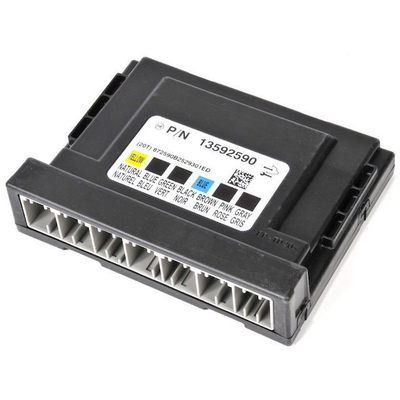
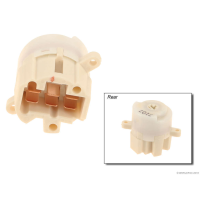

The information in this article is provided for general reference and educational purposes only. Vehicle specifications, procedures, and part compatibility can vary by production date, trim level, and region. Always consult your vehicle's factory service manual and verify part numbers before purchasing or performing repairs. Safety-critical components such as airbags, seat belts, and braking systems should be installed by a qualified professional.
- 🧭 Diagnostic Flowchart
- 🎬 Helpful Videos
- 🛍️ Shop This Part
- What Does U3009 Mean?
- Can I Drive With U3009?
- Common Causes
- Symptoms
- Common Fixes & Costs
- Used vs. New Parts: Buying Guide
- What Happens If You Wait — Timeline
- Cost of Not Fixing It
- Diagnosis Steps
- When This Code Triggers (Freeze-Frame Conditions)
- Related Codes
- Climate & Environmental Factors
- How to Talk to a Mechanic About This Code
- Where to Take It: Dealer vs Independent vs Chain
- When to Walk Away From the Repair
- What Scan Tool You Need for This Code
- How to Clear the Code After You Fix It
- Will This Fail Emissions / State Inspection?
- Most Commonly Affected Vehicles
- Manufacturer-Specific Notes
- Real Owner Stories
- 2015 Chevy Silverado 1500 with ~70k miles
- 2013 BMW 3-Series (E90) at 100K miles
- 2014 Ram 1500 with 95K miles
- 2011 Ford F-150 with 120K miles
- How to Prevent This Code From Triggering
- Frequently Asked Questions
- Can I fix a U3009 code myself?
- What is the most common misdiagnosis for a U3009 code?
- Can a bad battery cause a U3009 code?
- If I replace the module, will that fix the code immediately?
- Will clearing the code fix the problem?
- What does the 'B' in 'Ground B' mean?
- Can a U3009 code prevent my car from starting?
- How much does it cost to diagnose a U3009 code?
- Key Takeaways
- 🎟️ Get 5% Off