

OBD-II Code U3300: Control Module Communication Bus Off
What U3300 means, why it triggers, and how to fix it
- A weak battery dropping below 12.2 volts is the #1 cause of a U3300 code; test your battery and alternator before replacing any parts.
- U3300 triggers a total network shutdown, instantly disabling critical safety systems like ABS, airbags, and power steering.
- Never drive with an active U3300 code, as unexpected transmission downshifts or engine stalls at highway speeds cause severe accidents and $3,000+ in mechanical damage.
- Scan all vehicle modules with an advanced OBD-II tool; accompanying codes like U0121 (ABS) or U0140 (BCM) pinpoint exactly which computer crashed the network.
- Disconnect non-essential aftermarket accessories like radios or alarms first, as a single shorted device floods the CAN bus and triggers a network-wide failure.
What Does U3300 Mean?
Modern vehicles use a network of small computers (modules) to control everything from the engine to the power windows. Code U3300 means the main communication line (the CAN bus) connecting them has shut down. A module triggers this 'Bus Off' protective state when it detects overwhelming network errors, stopping all transmission to prevent erratic vehicle behavior.
Technical definition: The official SAE/ISO definition for U3300 is 'Control Module Communication Bus Off'. This indicates that a control module has detected a total loss of communication on the Controller Area Network (CAN) bus and has subsequently stopped transmitting messages to prevent further disruption. This is the result of an underlying network fault, such as a short circuit, a faulty terminating resistor, or a 'babbling' module flooding the network with corrupt data.
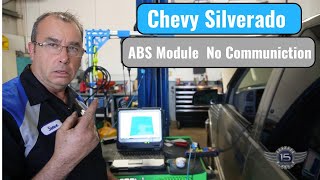
🎬 Watch: A master technician explains how to troubleshoot CAN bus faults.Can I Drive With U3300?
No — Do Not Drive. Do not drive. A 'Bus Off' status disables critical safety systems like ABS, airbags, power steering, and stability control. The engine stalls unexpectedly at any speed, creating a severe safety hazard. A sudden, erroneous downshift command causes loss of vehicle control and catastrophic engine or transmission damage, with repair costs easily exceeding $3,000.
Common Causes
- Low or Failing Battery (Very Common) — Low voltage from a weak or dying battery causes modules to malfunction and stop communicating correctly, triggering a U3300 code before any starting issues are noticeable.
- Corroded or Loose Battery Terminals/Grounds (Common) — Corrosion or a loose connection at the battery terminals or a main chassis ground strap interrupts the stable voltage all modules need to operate. This creates electrical noise and voltage drops that crash the communication network.
- Faulty Control Module (Common) — A single malfunctioning module (like the Body Control Module, Powertrain Control Module, or ABS module) shorts out the entire network or floods it with bad data (a 'babbling' module), causing all other modules to stop communicating.
- Damaged Wiring Harness (Less Common) — The CAN bus wiring harness sustains damage from chafing against sharp metal edges, previous accidents, improper repairs, or rodents. A short to power, short to ground, or an open circuit in the CAN High or CAN Low wires brings the network down.
- Alternator/Charging System Fault (Less Common) — A failing alternator produces excessive AC ripple voltage. This electrical 'noise' on the DC system disrupts sensitive module communications and triggers a U3300 code, often without illuminating the battery warning light.
- Faulty Aftermarket Accessory (Less Common) — Improperly installed remote starters, alarms, stereo equipment, or cheap phone chargers plugged into the OBD-II port interfere with or damage the CAN bus wiring.
- Gateway Module Failure (Rare) — In many vehicles, a central gateway module manages communication between different CAN bus networks. A failure of this specific module severs communication network-wide, leading to a U3300 code and preventing scan tools from connecting.
- Failed Terminating Resistor (Rare) — The CAN bus relies on two 120-ohm resistors to prevent signal reflections. If one fails (often built into the PCM or ABS module), communication stops completely.
- Module Software Glitch/Incompatibility (Rare) — A module's firmware corrupts or becomes outdated, causing it to send improper messages. A dealer-level software update or 'reflash' fixes this.
Symptoms
- Multiple Warning Lights — The dashboard illuminates with Check Engine, ABS, Traction Control, Airbag, and other warning lights simultaneously because the modules can no longer report their status.
- Engine Stalls or No-Start — The engine cranks but does not start, or starts and immediately stalls because the Engine Control Module (ECM) cannot communicate with the immobilizer or fuel pump.
- Loss of Gauges or Features — The speedometer, tachometer, and other gauges drop to zero or behave erratically. Power features like windows, the radio, and climate control stop working.
- Transmission Problems — The transmission shifts harshly, gets stuck in one gear (limp mode), or fails to shift entirely. Some Ford models unexpectedly downshift to first gear at highway speeds.
- Erratic Power Steering or Brake Warnings — Power steering effort suddenly increases, and ABS/traction control systems disable.
- Inability to Communicate with Scan Tool (scan-tool only — no driver-felt sign) — A standard OBD-II scanner fails to connect to the vehicle entirely, pointing to a failure at the CAN Gateway module or a short circuit on the main bus wires.
Diagnostic Flowchart
Tap your situation to follow the diagnostic path that matches what you're seeing on this code.
Common Fixes & Costs
- Replace Battery — Parts: $150-$350, Labor: $50-$100, ~0.5 hr book time (DIY)
- Clean or Replace Battery Terminals/Grounds — Parts: $5-$50, Labor: $75-$200, ~1.0 hr book time (DIY)
- Replace Body Control Module (BCM)
— Parts: $200-$800, Labor: $150-$300 (plus programming), ~1.5 hr book time
(Professional)
Ford F-150 (2015-2016): OEM FL3Z-15604-K (Alt: Blue Streak Electronics BCM13848M)
Chevrolet Silverado (2014): OEM Varies by VIN, check with dealer (Alt: Dorman (Remanufactured))
Dodge Ram 1500 (2016): OEM 68245054AC (Alt: Varies by supplier) - Replace Powertrain Control Module (PCM/ECM)
— Parts: $800-$1,500, Labor: $150-$300 (plus programming), ~1.0 hr book time
(Professional)
Dodge Ram 1500 (2016, 5.7L): OEM 68265842AF (Alt: Cardone (e.g., 79-series))
Ford F-150: OEM Varies significantly by year/engine, VIN match required (Alt: Cardone)
Chevrolet Silverado: OEM Varies significantly by year/engine, VIN match required (Alt: Cardone) - Replace ABS Module
— Parts: $400-$1,200, Labor: $150-$250 (plus programming/calibration), ~1.5 hr book time
(Professional)
Chevrolet Silverado 1500 (2014-2018): OEM 23223284 (Alt: Dorman 599-775 (Remanufactured))
Ford F-150: OEM Varies by VIN, check with dealer (Alt: Dorman (Remanufactured))
Dodge Ram 1500: OEM Varies by VIN, check with dealer (Alt: Cardone (Remanufactured)) - Repair Damaged Wiring — Parts: $10-$100, Labor: $300-$1,500+, ~2.5 hr book time (Professional)
- Module Reprogramming/Reflashing — Parts: $0, Labor: $100-$250, ~1.0 hr book time (Professional)
DIY vs Professional
- Replace Battery / Clean Terminals 🟢 Beginner
Tools: Basic hand tools (socket set, wire brush). - Repair Damaged Wiring 🟢 Beginner
Tools: Soldering iron, heat shrink tubing, wire strippers, multimeter, service manual with wiring diagrams. - Replace Control Module (BCM, PCM, ABS, etc.) 🟢 Beginner
Tools: Trim removal tools, socket set, OEM-specific diagnostic software, and a J2534 Pass-Thru vehicle interface.
Used vs. New Parts: Buying Guide
When a used part is worth it: For older, high-mileage vehicles where the cost of a new module is prohibitive. A used module from a reputable salvage yard with a warranty is a cost-effective solution if programming is available and affordable.
Donor-vehicle mileage cap: roughly under 100000 miles for the part to have meaningful remaining life.
Donor quality checklist:
- Match the OEM part number exactly. Even a single digit difference means incompatibility.
- Verify the donor vehicle's VIN to ensure it had similar options.
- Ask for a warranty (30-90 days is standard for used parts).
- Avoid modules from flood-damaged or fire-damaged vehicles.
Decision logic:
- If The part is a PCM, BCM, or ABS module that requires programming → Buy new or from a specialized remanufacturer who programs it to your VIN before shipping. The risk of a used part not accepting programming is high.
- If Vehicle is less than 10 years old and the part is under $800 → Buy new OEM or a quality remanufactured part for the longer warranty and guaranteed compatibility.
- If The module is 'plug-and-play' and does not require programming (e.g., some older door or radio modules) → A used part is a low-risk, high-reward option.
Warranty tradeoff: Used parts typically offer a 30-90 day warranty on the part only, not labor. New aftermarket parts often have a 1-year to limited lifetime warranty. New OEM parts usually carry a 1-2 year warranty.
Worst-case if a used part fails: $500-$1000 (Cost of repeat labor for installation and programming if the used part is faulty or incompatible)
What Happens If You Wait — Timeline
- Immediate: Code sets, multiple warning lights appear (Check Engine, ABS, Airbag, etc.). Vehicle fails to start or stalls while driving. (MPG impact: 0%% · Added cost: $200-$500 (Towing and initial diagnostic fees are required as the vehicle is unreliable and unsafe to drive.))
- Days to Weeks: Driving attempts lead to erratic behavior. Transmission enters 'limp mode' or shifts harshly. Power steering and ABS are inoperative. The risk of a sudden stall at speed remains high. (MPG impact: 0%% · Added cost: $3000-$8000 (A single event, like an unexpected downshift at highway speed caused by communication loss, destroys the transmission or engine.))
- Weeks to Months: The underlying electrical fault (e.g., a shorting module or excessive AC ripple) causes stress on other, previously healthy modules on the network. (MPG impact: 0%% · Added cost: $1000-$3000 (The initial faulty module causes cascading failures, requiring the replacement of multiple expensive control units like the BCM, PCM, or ABS module.))
- 6+ Months: Prolonged electrical instability causes permanent damage to wiring harnesses and connectors. A faulty BCM or other module causes circuits to overload, leading to blown fuses and damage to other components. The vehicle is effectively a large paperweight. (MPG impact: 0%% · Added cost: $4000+ (Cumulative cost of replacing multiple modules plus extensive diagnostic labor to trace widespread damage.))
Cost of Not Fixing It
- Immediate: Vehicle fails to start or stalls at any time, posing a severe safety risk. Critical safety systems like ABS, airbags, and stability control disable. (Added cost: $200-$500 (Towing and diagnostic fees))
- Days to Weeks: Attempting to drive leads to unpredictable transmission behavior, such as harsh shifting or getting stuck in gear. A sudden, erroneous downshift at speed causes catastrophic transmission or engine damage. (Added cost: $3000-$8000 (Transmission or engine replacement))
- Weeks to Months: Continued electrical instability causes cascading failures in other, previously healthy control modules. A faulty module permanently damages other modules on the network. (Added cost: $1000-$3000+ (Multiple control module replacements))
Diagnosis Steps
- Check Battery Voltage
Use a multimeter to measure voltage across the battery terminals with the car off. A healthy battery reads at least 12.4 volts. If lower, charge and load test it. A weak battery is the most common cause.
Tools: Multimeter (Beginner) - Inspect Battery Terminals and Grounds
Visually inspect battery terminals for corrosion. Clean them thoroughly with a wire brush. Verify the main negative battery cable and engine ground straps are clean and tight against the chassis.
Tools: Wire brush, Socket set (Beginner) - Scan for All Codes
Use a high-quality OBD-II scanner to read manufacturer-specific codes from all modules. Accompanying 'U' codes (like U0100, U0121) pinpoint which module initiated the communication loss.
Tools: Advanced OBD-II Scanner (Intermediate) - Visually Inspect Wiring Harnesses
Look for damaged wiring harnesses around the engine bay, under the dashboard, and near aftermarket parts. Check for wires rubbed through, melted, or chewed by rodents.
Tools: Flashlight (Intermediate) - Test CAN Bus Resistors
With the battery disconnected, measure resistance between Pin 6 (CAN High) and Pin 14 (CAN Low) on the OBD-II port. A healthy network reads 60 ohms. 120 ohms indicates an open circuit; near zero indicates a short.
Tools: Multimeter (Advanced) - Isolate Control Modules
Using a wiring diagram, disconnect one non-essential control module at a time (e.g., radio, door module) and re-check CAN bus resistance. If the network comes back online, that module is the source of the problem.
Tools: Multimeter, Service manual, Trim removal tools (Advanced) - Check for AC Ripple Voltage
With the engine running, set your multimeter to AC volts and probe the battery terminals. A reading above 0.5 volts (500mV) indicates failing alternator diodes introducing electrical noise.
Tools: Multimeter with AC Voltage function (Advanced) - [PRO TIP] Analyze the CAN Bus Waveform
Connect a dual-channel oscilloscope to CAN High (Pin 6) and CAN Low (Pin 14). A healthy bus shows clean, mirrored signals. Distorted or flat-lined signals indicate a wiring short or failed module.
Tools: Oscilloscope, OBD-II breakout box (optional) (Professional) - [PRO TIP] Perform a Parasitic Draw Test
Connect a multimeter in series with the negative battery cable. With the vehicle off and doors closed for 30 minutes, current draw must be under 50 milliamps. Higher draw indicates a module failing to 'sleep'.
Tools: Multimeter with 10A current function (Professional) - [ADVANCED] Check Module Internal Resistance
Disconnect a suspected faulty module and measure resistance between its CAN High and CAN Low pins. A low reading indicates an internal short. Resistance to the ground pin must be Mega-ohms or open.
Tools: Multimeter, Service manual with pinouts (Advanced)
When This Code Triggers (Freeze-Frame Conditions)
- System Voltage: <11.5V or >15.5V (During crank or due to charging system fault)
- Vehicle Speed: Any (Fault occurs at any time, including key-on/engine-off or while driving)
- Engine RPM: 0 - 3000 RPM (Often occurs during startup, but happens at cruise)
- Time Since Start: < 1 minute (Many network faults manifest immediately after the vehicle is started as modules perform their initial check-in)
Related Codes
- U0100 — Lost Communication With ECM/PCM. Indicates other modules cannot hear from the engine computer. If isolated, the fault lies with the ECM/PCM or its power supply.
- U0121 — Lost Communication With ABS Module. Points directly to the ABS module. On GM trucks, a failed ABS module is a primary cause of network failure leading to U3300.
- U0140 — Lost Communication With BCM. The BCM acts as a gateway; its failure causes a total bus shutdown. Check for symptoms related to lights, locks, and windows.
- U3000 — Control Module. Indicates an internal hardware failure within a specific module. If paired with U3300 in the ABS module, the ABS module has failed internally.
Climate & Environmental Factors
- Road Salt (Winter Climates): Salty water accelerates corrosion on exposed wiring harnesses and connector pins, creating high resistance or open circuits on the CAN bus.
- High Humidity / Water Intrusion: Water leaks from clogged sunroof drains or bad window seals saturate wiring harnesses in floor channels, causing intermittent short circuits.
- Extreme Cold: Cold temperatures cause solder joints on failing circuit boards to contract and create open circuits, a known issue for Volkswagen CAN Gateway modules.
How to Talk to a Mechanic About This Code
Say this: "I have a U3300 'Communication Bus Off' code with multiple warning lights on the dash. I've already tested the battery and it's healthy and fully charged. I'd like to schedule a diagnostic appointment to trace the network failure."
This signals you have already handled the most common cause (the battery) and prevents the shop from starting with and charging for a simple battery test. It focuses their efforts on the more complex network diagnosis, showing you are an informed consumer.
Avoid saying:
- 'Just fix whatever's wrong'
- 'My dashboard is lit up like a Christmas tree, can you look at it?' (too vague, invites a broad and expensive diagnostic process)
- 'I think it needs a new computer.' (Don't diagnose the problem for them; describe the symptoms.)
Questions to ask before authorizing the repair:
- What specific diagnostic tests led you to identify this part as the cause?
- Did you measure the CAN bus resistance at the OBD-II port? What was the reading?
- If you are recommending a module replacement, is programming required and is that cost included in the estimate?
- Can you show me the damaged wire or the test results (e.g., multimeter reading, oscilloscope waveform) that confirm the failure?
Where to Take It: Dealer vs Independent vs Chain
- Dealer:
A strong choice, especially if a specific TSB exists or if module programming is required. Often the only option for warranty work or complex software issues.
Best for: Vehicles under warranty, Complex, manufacturer-specific electrical issues (especially on German brands like VW), Repairs that require proprietary software updates or module programming
Downsides: Highest labor rates (often 1.5-2x independent shops), Defaults to replacing an entire assembly when a smaller component or wire could be repaired (Typical cost: +50% vs. baseline) - Independent Shop:
Excellent fit, but only if the shop is a reputable specialist in electrical and diagnostic work. Look for ASE certifications and positive reviews specifically mentioning electrical problem-solving.
Best for: Out-of-warranty vehicles where cost is a major factor, Diagnosing common pattern failures (e.g., known wiring chafe points or module failures), Shops that specialize in automotive electrical diagnostics
Downsides: Quality and expertise vary dramatically; a general mechanic lacks the specific tools (oscilloscope) or experience for network diagnosis., Lacks access to the latest manufacturer-specific software for programming new modules. (Typical cost: +0% vs. baseline) - Chain Shop:
AVOID. This type of complex electrical fault is outside the scope of most chain repair shops and results in an incorrect and expensive repair attempt.
Best for: Simple, unrelated jobs like new tires or oil changes.
Downsides: Technicians are not equipped or trained for complex network diagnostics., Business model focuses on high-volume, simple repairs, not time-consuming electrical troubleshooting., High risk of misdiagnosis, leading to unnecessary replacement of expensive parts. (Typical cost: -10% vs. baseline)
When to Walk Away From the Repair
If the estimated repair cost for the U3300 fault exceeds 40-50% of your car's private-party market value (e.g., from Kelley Blue Book), you should seriously consider selling the vehicle as-is or trading it in.
- Car worth $5000, fix is $2200: Walk away. The repair cost is nearly half the car's value. The risk of further electrical issues is high.
- Car worth $15000, fix is $1200: Fix it. The repair cost is well below the threshold and will restore significant value and safety to the vehicle.
- Car worth $3000, fix is $800: Borderline. Get a second opinion before proceeding. If the fix is confirmed, it's likely worth it, but be aware that other age-related issues may arise.
What Scan Tool You Need for This Code
Minimum: A scanner that performs a 'full system scan' or 'all module scan'. It must read codes from not just the engine (ECM), but also the ABS, BCM, TCM, and other modules.
A basic $20 code reader only talks to the engine computer. It cannot see which other modules are offline, which is the entire point of diagnosing a U3300 network failure. You will be completely blind to the root cause.
Budget: BlueDriver Pro (~$90) — Connects to your smartphone and its app reads codes from all major vehicle systems (Engine, ABS, Airbag, Transmission). This is the minimum required to see which module is the source of the communication loss.
Mid-range: Foxwell NT809 / Autel MaxiCOM MK808S (~$350-450) — These tablet-style scanners offer full system diagnostics plus bi-directional control. This allows you to actively command components to test their function, which helps isolate a faulty module without having to physically disconnect it.
Professional: Autel MaxiSys MS906 Pro / Launch X431 Series (~$1200-2500) — Provides full OEM-level diagnostics, bi-directional control, module programming/coding, and vehicle network topology maps. These tools are professional-grade and are what a high-end independent shop or dealer uses to definitively trace the fault.
Rent vs buy: The free rental scanners from auto parts stores are typically basic code readers and are NOT sufficient for this code. If this is a one-time issue, your best bet is to pay for a professional diagnosis. Buy a scanner only if you plan to perform your own diagnostics regularly.
How to Clear the Code After You Fix It
- Ensure the battery is fully charged and reconnected securely.
- Use an advanced OBD-II scan tool to perform a full system clear of all Diagnostic Trouble Codes (DTCs).
- Turn the ignition off for at least 1 minute, then start the vehicle to confirm the immediate return of the code.
- Perform a complete drive cycle to allow all system readiness monitors to run.
Drive cycle (~20 minutes): A generic drive cycle includes a cold start (engine temp below 122°F), 2-3 minutes of idling, 10-15 minutes of mixed city/highway driving (including steady speeds around 55 mph), and several deceleration periods without braking. The goal is to allow all onboard diagnostic tests to complete.
Readiness monitors affected: All monitors are affected as they cannot run without network communication., After repair, all monitors will be 'Not Ready' until a full drive cycle is completed.
Before emissions retest: drive at least 50 miles to fully set monitors.
Watch out for:
- Simply disconnecting the battery clears fault codes but resets all readiness monitors, guaranteeing an emissions test failure until a full drive cycle is completed.
- The U3300 code returns instantly if the underlying electrical or hardware fault has not been properly fixed.
- Using a basic code reader fails to clear codes from all modules, leading to the problem reappearing.
Will This Fail Emissions / State Inspection?
Yes — this code typically fails an OBD-II emissions inspection.
- California: An illuminated Check Engine Light results in an automatic smog check failure. Furthermore, after repairs, most readiness monitors must be set to 'Ready', which requires extensive driving.
- New York: The NYS vehicle inspection includes an On-Board Diagnostics (OBD-II) check. An active U3300 code with the Check Engine Light on is an automatic failure.
- Texas: In counties requiring emissions testing, an illuminated Check Engine Light is an automatic failure. The OBD-II system is scanned for all codes as part of the inspection.
Most Commonly Affected Vehicles
- Ford F-150 (2011-2018) — Prone to wiring issues in the driver-side door sill and failures of the Body Control Module (BCM). 2011-2013 models face recalls for unexpected downshifts.
- Chevrolet / GMC Silverado / Sierra (2007-2014) — Often caused by a faulty ABS module or chafed GMLAN wiring at the 16-way transmission connector.
- Dodge / Ram Ram 1500/2500 (2013-2019) — Frequently linked to failures in the main vehicle wiring harness or alternator AC ripple issues.
- Chrysler / Dodge 300 / Charger (2011-2020) — Faulty alternators produce excessive AC ripple voltage, disrupting the network.
- Nissan Sentra / Versa / Altima (2013-2017) — Internal failures within the CVT's Transmission Control Module (TCM) cause communication loss.
- Hyundai Elantra / Sonata (2014-2018) — Intermittent communication failures stem from a faulty radio or navigation unit shorting the CAN bus.
- Subaru Legacy / Outback / Forester (2008-2015) — Wiring harness problems or failures within the gauge cluster or TPMS module.
- Volkswagen Jetta / Passat / Golf (2006-2013) — Failing CAN Gateway modules prevent scan tools from communicating and cause start-and-die symptoms.
Manufacturer-Specific Notes
- General Motors (GM): TSB 08-07-30-021H addresses widespread GMLAN communication issues on 2007-2014 trucks due to chafed wiring and faulty ABS modules.
- Ford: Water intrusion into wiring channels in the driver's side kick panel or door sill corrodes connectors, leading to open or shorted CAN bus wires.
- Chrysler/Dodge/Jeep/Ram: Failing alternators produce excessive AC ripple voltage that disrupts module communication before the battery light illuminates.
- Volkswagen: The CAN Gateway Module fails intermittently in cold weather, causing a start-and-stall condition and blocking scan tool communication.
Real Owner Stories
2015 Chevrolet Silverado with 110K miles
While driving, the dashboard lit up with 'Check Traction Control' and other warnings. After parking, the truck would not crank and multiple service lights were on.
Outcome: The root cause was a faulty Electronic Brake Control Module (EBCM/ABS module) and a poor ground connection on the driver's side frame rail. Replacing the module and ensuring the ground was clean resolved the network-wide communication failure.
Lesson: On GM trucks, a U3300 or U0121 code points directly to the ABS module or its ground connection. This is a very common failure point and should be the first place to look after checking the battery.
2012 Dodge Ram 1500 with intermittent electrical issues
Owner experienced a wide range of bizarre electrical problems, including hazard lights flashing randomly, brake lights not working, and intermittent no-start conditions.
Outcome: The problem was traced to multiple corroded grounding points on the chassis and firewall. After thoroughly cleaning all major ground connections with sandpaper and a wire brush and applying dielectric grease, all electrical functions returned to normal.
Lesson: Never underestimate the chaos a bad ground causes. Before replacing expensive modules, perform a thorough cleaning of all major battery and chassis ground points. It is the cheapest and most effective first step.
2012 Volkswagen Passat with start-and-stall, no communication
Car started, ran for a second, then immediately shut off. A scan tool was unable to communicate with any module except the Transmission Control Module (TCM).
Outcome: The fault was a broken wire in a splice located inside the instrument panel wiring harness. The technician ran new jumper wires from the OBD-II port directly to the Gateway module connector, restoring communication and fixing the no-start issue.
Lesson: When a scan tool cannot communicate with the vehicle, it points to a major network failure like a faulty Gateway module or a break in the main CAN bus wiring leading to the diagnostic port.
Hyundai Elantra with U3300 after aftermarket stereo installation
Vehicle presented with a host of communication codes and a U3300 after several months of an aftermarket stereo working fine. The scan tool could not communicate with most modules.
Outcome: The aftermarket stereo had been wired incorrectly two years prior, but only recently developed an internal fault that caused it to short out the CAN bus. Disconnecting the stereo permanently solved the U3300 code.
Lesson: If a communication fault appears, always consider recent modifications. An improperly installed aftermarket accessory causes network failure. Isolating these components by pulling their fuses is a critical diagnostic step.
How to Prevent This Code From Triggering
- Clean battery terminals and chassis ground connections (Every 12 months or at every oil change) — Prevents corrosion that creates high resistance, leading to voltage drops that cause modules to crash. A clean, tight connection ensures stable voltage for the entire network.
- Apply dielectric grease to major electrical connectors (When servicing or replacing a component) — Seals connectors from moisture, dirt, and oxygen, preventing pin corrosion that leads to intermittent open circuits on the CAN bus. Particularly useful for connectors exposed to the elements, like those for the ABS module or on the frame rail.
- Periodically inspect wiring harnesses for security and condition (During any under-hood or under-vehicle maintenance) — Catching chafed or loose wiring harnesses early prevents them from rubbing through and shorting out the CAN bus. Ensure harnesses are properly secured in their clips and away from sharp metal edges or hot exhaust components.
- Address water leaks immediately (As needed) — Water leaking into the cabin via clogged sunroof drains or bad seals saturates floor-level wiring harnesses, causing hidden corrosion and shorts that are extremely difficult to trace.
- Use a battery maintainer/tender if the vehicle is stored for long periods (During storage periods longer than 2 weeks) — Prevents the battery from discharging to a low voltage state, which is the number one cause of communication codes upon restart. It keeps the battery healthy and the modules stable.
Frequently Asked Questions
Can a weak battery really cause all these problems?
Yes. Control modules require stable voltage (above 12.2V) to communicate. A weak battery causes unpredictable voltage drops that crash the network.
What is a CAN bus?
The Controller Area Network (CAN) bus is the vehicle's nervous system. It is a two-wire network allowing all computers to exchange information rapidly.
Is fixing a U3300 code expensive?
Costs depend entirely on the cause. A weak battery costs $200-$350 to fix, while a failed control module or damaged wiring harness ranges from $500 to over $2,000.
Can I fix this myself?
DIYers can handle battery replacement and cleaning ground connections. Diagnosing faulty modules or wiring requires advanced scanners, oscilloscopes, and wiring diagrams. Take the vehicle to a diagnostic specialist if basic multimeter tests fail.
Why did so many warning lights turn on at once?
When modules for ABS, airbags, and the engine stop communicating, they report a failure to the instrument cluster. The cluster then illuminates the warning light for every silent system.
The battery is new, why do I still have a U3300 code?
If a new battery does not solve the issue, the problem is a poor connection, a shorted module, or a damaged CAN bus wire. A new battery only fixes low voltage issues.
What is a 'babbling' module?
A 'babbling' module has failed internally and constantly floods the CAN bus with corrupt messages. This jams the network and triggers a U3300 code. Disconnect modules one by one to identify the culprit.
Can a bad radio cause a U3300 code?
Yes. The radio is a module on the CAN bus. An internal short or software fault in the radio brings down the entire network, a known issue on Hyundai models.
What is a common misdiagnosis for U3300?
A common misdiagnosis is replacing an expensive control module without testing the basics. Technicians often find the root cause is a corroded ground wire or a fault in a less critical module like the radio.
Key Takeaways
- A weak battery dropping below 12.2 volts is the #1 cause of a U3300 code; test your battery and alternator before replacing any parts.
- U3300 triggers a total network shutdown, instantly disabling critical safety systems like ABS, airbags, and power steering.
- Never drive with an active U3300 code, as unexpected transmission downshifts or engine stalls at highway speeds cause severe accidents and $3,000+ in mechanical damage.
- Scan all vehicle modules with an advanced OBD-II tool; accompanying codes like U0121 (ABS) or U0140 (BCM) pinpoint exactly which computer crashed the network.
- Disconnect non-essential aftermarket accessories like radios or alarms first, as a single shorted device floods the CAN bus and triggers a network-wide failure.
Helpful Videos
Shop the Parts Behind U3300
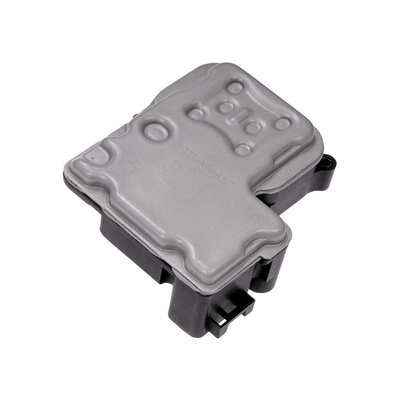
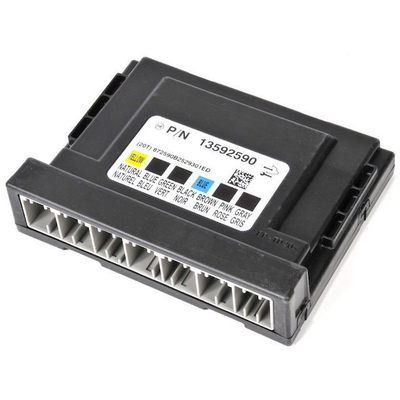
Below are the parts most often responsible for code U3300, ranked by how frequently each one is the actual culprit (per the diagnosis above). Tap any to see what we have for your vehicle.


The information in this article is provided for general reference and educational purposes only. Vehicle specifications, procedures, and part compatibility can vary by production date, trim level, and region. Always consult your vehicle's factory service manual and verify part numbers before purchasing or performing repairs. Safety-critical components such as airbags, seat belts, and braking systems should be installed by a qualified professional.
- 🧭 Diagnostic Flowchart
- 🎬 Helpful Videos
- 🛍️ Shop This Part
- What Does U3300 Mean?
- Can I Drive With U3300?
- Common Causes
- Symptoms
- Common Fixes & Costs
- DIY vs Professional
- Used vs. New Parts: Buying Guide
- What Happens If You Wait — Timeline
- Cost of Not Fixing It
- Diagnosis Steps
- When This Code Triggers (Freeze-Frame Conditions)
- Related Codes
- Climate & Environmental Factors
- How to Talk to a Mechanic About This Code
- Where to Take It: Dealer vs Independent vs Chain
- When to Walk Away From the Repair
- What Scan Tool You Need for This Code
- How to Clear the Code After You Fix It
- Will This Fail Emissions / State Inspection?
- Most Commonly Affected Vehicles
- Manufacturer-Specific Notes
- Real Owner Stories
- 2015 Chevrolet Silverado with 110K miles
- 2012 Dodge Ram 1500 with intermittent electrical issues
- 2012 Volkswagen Passat with start-and-stall, no communication
- Hyundai Elantra with U3300 after aftermarket stereo installation
- How to Prevent This Code From Triggering
- Frequently Asked Questions
- Can a weak battery really cause all these problems?
- What is a CAN bus?
- Is fixing a U3300 code expensive?
- Can I fix this myself?
- Why did so many warning lights turn on at once?
- The battery is new, why do I still have a U3300 code?
- What is a 'babbling' module?
- Can a bad radio cause a U3300 code?
- What is a common misdiagnosis for U3300?
- Key Takeaways
- 🎟️ Get 5% Off