

Equinox, Torrent, Vue & Captiva Brake Booster Failure: The Hissing Sound and Hard Pedal Explained (2007-2015)
This guide covers diagnosing and replacing the power brake booster in the 2007-2010 Chevrolet Equinox, 2007-2009 Pontiac Torrent, 2010 GMC Terrain, 2008-2010 Saturn Vue, and 2012-2015 Chevrolet Captiva Sport, including critical design differences you must know before buying.
- The most common symptoms of failure are a hissing sound when braking and a hard-to-press brake pedal.
- It is critical to verify the exact design needed for your vehicle, as there are variations for 2008 Equinox/Torrent and early 2010 Equinox/Terrain models.
- Driving with a failed brake booster is extremely dangerous due to significantly increased stopping distances.
- When replacing the booster, it is highly recommended to also replace the master cylinder to prevent premature failure of the new booster.
Compatibility Warnings & Design Differences
Before diagnosing or purchasing a power brake booster for these vehicles, it is critical to identify the exact version your vehicle requires. General Motors used several different designs during this period, and they are not interchangeable. Installing the wrong part can lead to improper brake function.
Important: Always verify your vehicle's specific requirements before ordering. Check the existing part or consult a dealer with your VIN if you are unsure.
2008 Chevrolet Equinox & 2008 Pontiac Torrent
For these two specific models, there was a mid-year design change. You must determine if your vehicle needs the '1st Design' or '2nd Design' booster.
- 1st Design: This version fits vehicles that do NOT have a bushing between the brake pedal pin and the booster's pushrod.
- 2nd Design: This version is designed for vehicles that DO have a bushing at the connection point between the brake pedal pin and the booster pushrod.
Early 2010 Chevrolet Equinox & 2010 GMC Terrain
For early 2010 models, a specific power brake booster was used that was later superseded. This change is identified by the vehicle's Vehicle Identification Number (VIN).
- Chevrolet Equinox: This early design fits vehicles with a VIN up to A6312574.
- GMC Terrain: This early design fits vehicles with a VIN up to A6312313.
If your 2010 Equinox or Terrain has a VIN higher than these numbers, it requires a different power brake booster.
Symptoms of a Failing Power Brake Booster
A failing brake booster will almost always provide clear warning signs. Because this is a critical safety component, these symptoms should be addressed immediately.
1. Hissing Noise When Pressing the Brake Pedal
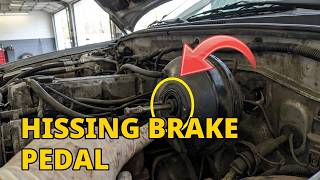
This is the most common and distinct symptom. A loud hissing or "whooshing" sound that occurs when you press or release the brake pedal points to a vacuum leak. This sound is caused by air being sucked through a tear in the booster's internal rubber diaphragm. If the sound is loud inside the cabin near the driver's feet, it almost certainly 🎬 Watch: Hear what a leaking booster diaphragm sounds like. confirms the booster itself has failed.
2. Hard Brake Pedal
If the brake pedal suddenly becomes very difficult to press down, the booster is no longer providing power assistance. You are now pushing against the full force of the hydraulic brake system with only your leg strength. This is a major safety hazard as it dramatically increases the effort needed to stop the vehicle.
3. Increased Stopping Distance
A direct result of the hard pedal is that your vehicle will take much longer to stop. Because you cannot apply as much force to the master cylinder without the booster's help, the brakes will not engage as strongly, leading to dangerously long stopping distances.
4. Engine Stalling or Stumbling When Brakes Are Applied
A large vacuum leak in the brake booster allows unmetered air into the engine's intake manifold. This disrupts the engine's air-fuel mixture and can cause the engine RPMs to drop, stumble, or even stall completely when you press the brake pedal.
How to Diagnose a Bad Brake Booster
You can perform a simple, definitive test in your driveway to confirm if the brake booster has failed.
🎬 See this video for a walkthrough of these diagnostic tests.- Deplete Stored Vacuum: With the vehicle's engine turned OFF, pump the brake pedal five to six times. You should feel the pedal get progressively harder to push as the vacuum reserve is used up.
- Apply and Hold Pedal Pressure: Once the pedal is firm, press down on it with light, steady pressure (about 15-25 pounds).
- Start the Engine: While still holding pressure on the brake pedal, start the engine.
- Observe Pedal Movement:
- Good Booster: If the booster is working correctly, the pedal will sink down slightly (about an inch or two) under your foot as soon as the engine starts and creates a vacuum.
- Bad Booster: If the booster has failed, the pedal will not move or may even push back against your foot. This confirms the booster is not holding a vacuum and needs to be replaced.
Pro Tip: While a bad booster is the most likely cause, also inspect the vacuum hose that runs from the engine to the booster. A cracked, disconnected, or collapsed hose can cause the same symptoms. Also, check the small plastic check valve where the hose connects to the booster; this one-way valve can fail and prevent vacuum from being stored.
Buying a Used Power Brake Booster
A quality, low-mileage used OEM power brake booster can be an excellent value compared to expensive new parts. Since this is a critical safety item, careful inspection is key.
- Verify Compatibility: This is the most important step. Double-check the design requirements for your specific year and model (bushing vs. no bushing, VIN split for 2010 models). Compare photos of the used part to your original part, paying close attention to the pushrod and mounting points.
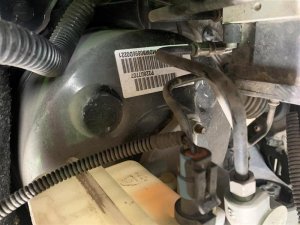
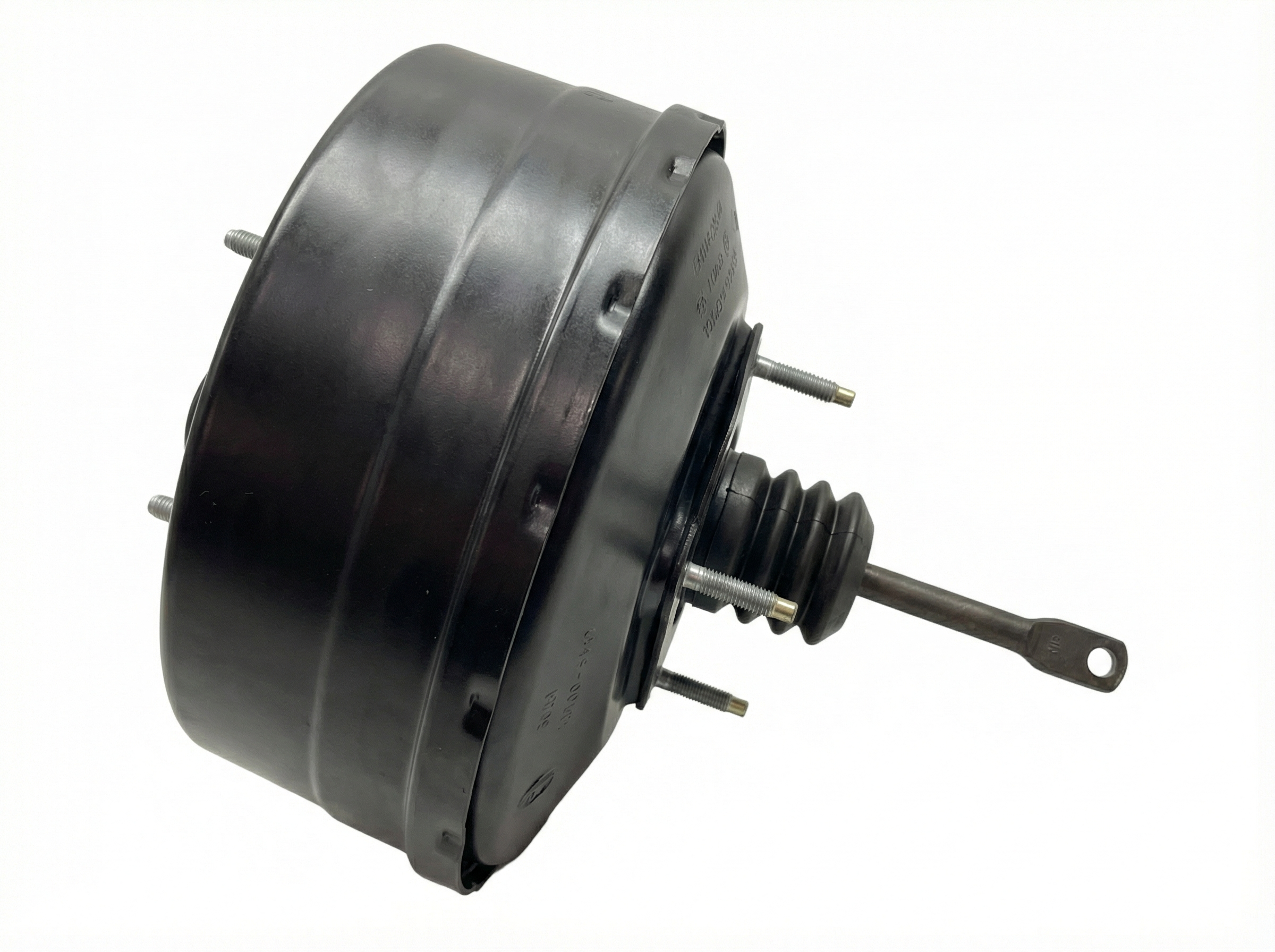
- Physical Inspection: Look for any signs of heavy rust or corrosion on the metal canister. Check the pushrod that connects to the brake pedal; it should be straight and undamaged. Ensure the vacuum port is intact and not cracked.
- Check for Leaks: A major red flag is any sign of brake fluid leaking from the rear of the master cylinder mounting flange. This indicates the master cylinder has failed and leaked fluid into the booster, which will quickly destroy the booster's internal diaphragm. If you see this, the booster is likely bad, and you should replace the master cylinder along with it.
- Mileage Considerations: Power brake boosters are generally durable parts and can last over 150,000 miles. However, rubber components like the internal diaphragm can degrade over time. A used booster from a vehicle with under 100,000 miles is an ideal choice.
- Why Used OEM is a Good Choice: Original Equipment (OEM) boosters are built to GM's exact specifications for fit and performance. Cheaper aftermarket parts can have variations in pushrod length or internal valving that may affect brake feel and performance. A recycled OEM part ensures you get the original quality and correct fitment.
Cost Breakdown
The cost to replace a power brake booster can vary based on your vehicle and the type of part you choose. Labor costs are also significant due to the location of the part.
| Part Type | Estimated Part Cost |
|---|---|
| New OEM (GM/ACDelco) | $250 - $400 |
| New Aftermarket | $150 - $250 |
| Used OEM | $50 - $125 |
| Remanufactured | $150 - $300 (plus core charge) |
| Shop Labor Cost | $350 - $600 |
(Note: Prices are estimates as of early 2026 and can vary by supplier and location.)
Related Parts to Inspect or Replace
- Master Cylinder: The master cylinder bolts directly to the front of the power brake booster. If the rear seal of the master cylinder fails, it will leak corrosive brake fluid directly into the booster, destroying it. It is highly recommended to replace the master cylinder at the same time as the booster, especially if there is any sign of a leak.
- Vacuum Hose & Check Valve: The rubber vacuum hose can become brittle and crack over time, and the plastic check valve can fail. These are inexpensive parts and should be inspected carefully and replaced if they show any signs of wear or damage.
Frequently Asked Questions (FAQ)
Can I drive my car with a bad brake booster?
It is extremely dangerous and not recommended. While the brakes will still function manually, the effort required to stop the vehicle is significantly increased, leading to much longer stopping distances. This poses a serious risk of an accident, especially in an emergency. The vehicle should be repaired as soon as possible.
Is replacing a brake booster a DIY job?
This is an advanced DIY repair. It requires working both inside the vehicle's cabin (under the dashboard to disconnect the brake pedal) and in the engine bay. The master cylinder must be unbolted, and in some cases, the brake lines may need to be disconnected, which then requires bleeding the brake system. Due to the complexity and safety-critical nature of the job, it is often best left to a professional mechanic unless you have significant experience.
What is the difference between a hard pedal and a spongy pedal?
A hard pedal, which is a symptom of a bad brake booster, means the pedal is very difficult to push down. A spongy or soft pedal, where the pedal goes down too easily or sinks to the floor, is typically a sign of air in the brake lines or a failing master cylinder, not a booster problem.
Will a bad brake booster cause a Check Engine Light?
Yes, it can. A significant vacuum leak from the booster can cause the engine to run lean (too much air, not enough fuel), which can trigger the Check Engine Light. You may see diagnostic trouble codes like P0171 (System Too Lean Bank 1) or P0174 (System Too Lean Bank 2).
Helpful Videos
Technical Specifications
OEM Part Numbers: 15835854 1780786 1780788 1780826 20849578 20996840 25847530
Vacuum-assisted, dual-diaphragm design for most applications.
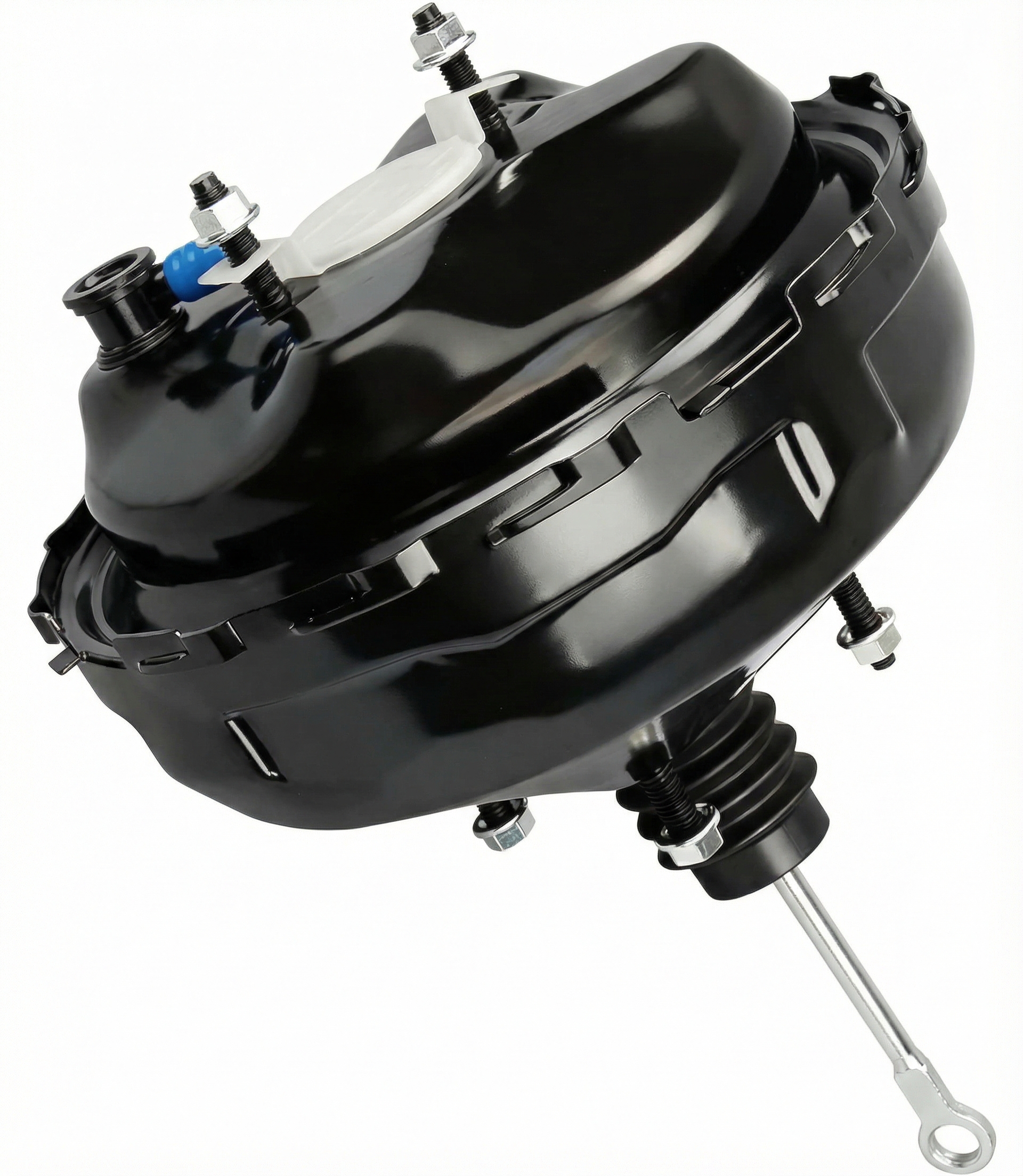
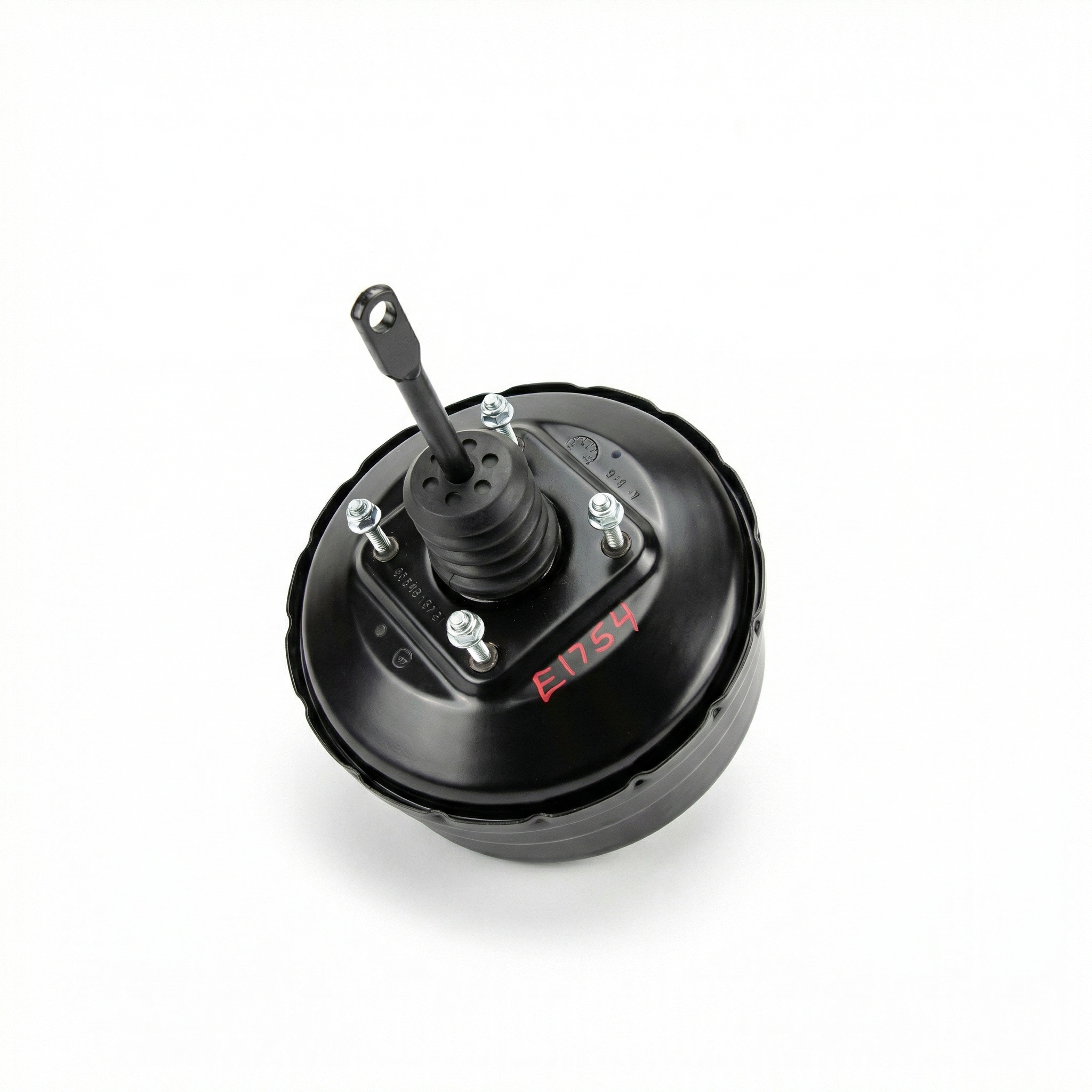
We Have This Part in Stock

The information in this article is provided for general reference and educational purposes only. Vehicle specifications, procedures, and part compatibility can vary by production date, trim level, and region. Always consult your vehicle's factory service manual and verify part numbers before purchasing or performing repairs. Safety-critical components such as airbags, seat belts, and braking systems should be installed by a qualified professional.
- Chevrolet Equinox:
- Pontiac Torrent:
- Chevrolet Captiva Sport:
- GMC Terrain:
- Saturn Vue:
- 🎬 Helpful Videos
- 🛍️ Shop This Part
- Compatibility Warnings & Design Differences
- 2008 Chevrolet Equinox & 2008 Pontiac Torrent
- Early 2010 Chevrolet Equinox & 2010 GMC Terrain
- Symptoms of a Failing Power Brake Booster
- 1. Hissing Noise When Pressing the Brake Pedal
- 2. Hard Brake Pedal
- 3. Increased Stopping Distance
- 4. Engine Stalling or Stumbling When Brakes Are Applied
- How to Diagnose a Bad Brake Booster
- Buying a Used Power Brake Booster
- Cost Breakdown
- Related Parts to Inspect or Replace
- Frequently Asked Questions (FAQ)
- 🎟️ Get 5% Off