

2007-2015 Mazda CX-9 Brake Booster: Hissing Sounds and Hard Pedal Diagnosis
This guide details the common failure symptoms, warranty extension program, and replacement considerations for the power brake booster in the first-generation Mazda CX-9.
- The most common failure is a torn internal diaphragm, causing a hissing sound from the pedal and a hard pedal feel.
- A leaking brake master cylinder is a primary cause of booster failure; always inspect the master cylinder and replace both if a leak is found.
- Mazda issued a warranty extension (SSP 93) for this issue, confirming it's a widespread problem, though the program is now expired.
- Driving with a failed brake booster is extremely dangerous due to increased stopping distances and should not be done.
Known Issues, Investigations, and Warranty Extension
The power brake booster on the 2007-2015 Mazda CX-9 is known for a specific failure that can make the vehicle difficult to stop. While there was no formal recall, the problem was widespread enough that Mazda issued a Special Service Program (SSP 93) and the National Highway Traffic Safety Administration (NHTSA) opened a preliminary investigation.
The core issue is the deterioration of the internal rubber diaphragm, especially after prolonged use in high ambient temperatures. This causes small cracks or tears to form, leading to a vacuum leak. When the tear is small, it creates a hissing sound. As it grows, the booster loses its ability to provide power assist, resulting in a hard brake pedal and increased stopping distances.
In March 2014, Mazda acknowledged this issue by creating Special Service Program (SSP 93), which extended the warranty on the power brake booster to 7 years or 90,000 miles from the vehicle's original warranty start date. For vehicles that were already past those limits, the coverage was extended through March 31, 2015. While this program has since expired, it confirms the common nature of this failure.
Shared Platform with Ford Edge / Lincoln MKX
The Mazda CX-9 from this generation shares its platform and many components with the 2007-2010 Ford Edge and Lincoln MKX. These Ford and Lincoln models were subject to a similar warranty extension (Customer Satisfaction Program 13N02) and a recall for the same brake booster diaphragm failure. This is important because the parts are often interchangeable, but verifying the specific OEM part number on your vehicle is always the safest approach.
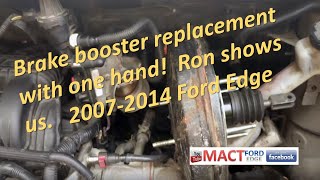
🎬 Watch: Brake booster replacement on the related Ford Edge platformSymptoms of a Failing Power Brake Booster
A failing brake booster will provide clear warning signs. Ignoring them is a major safety risk.
- Hissing Noise: The most common initial symptom is a hissing or whistling sound coming from the driver's side footwell. This sound is often most noticeable when you press or release the brake pedal and is the sound of air leaking through a tear in the diaphragm.
- Hard Brake Pedal: As the failure progresses, the brake pedal will become very difficult to press. This indicates a loss of power assist, meaning you are relying solely on mechanical force to stop the vehicle.
- Increased Stopping Distance: Without power assist, your vehicle will take much longer to stop. This can be unpredictable and extremely dangerous in an emergency situation.
- Engine Stalling or Rough Idle: A significant vacuum leak from the booster can affect the engine's performance. It can cause the engine to stumble, run rough, or even stall when you apply the brakes.
- High or Spongy Brake Pedal: Less commonly, some drivers report the pedal feeling higher than normal or having a spongy feel as the diaphragm tear interacts with the booster housing.
Step-by-Step Diagnosis
If you suspect a bad brake booster, you can perform a simple test:
🎬 Watch: How to test if your brake booster has failed- Engine Off Test: With the engine off, pump the brake pedal 5-6 times. This will bleed off any residual vacuum in the booster. The pedal should feel firm.
- Engine On Test: Hold firm pressure on the brake pedal with your foot, then start the engine. As the engine starts and creates vacuum, you should feel the brake pedal drop slightly (about an inch) under your foot.
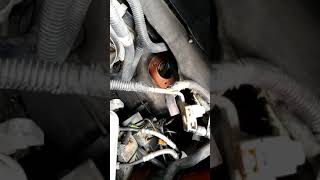
- Test Results: If the pedal drops, the booster is likely working correctly. If the pedal does not drop and remains hard, the booster is not getting vacuum or is failing internally and likely needs to be replaced. 🎬 See this walkthrough on removing the Mazda CX-9 booster
Warning: A leaking brake master cylinder can cause a power brake booster to fail. Brake fluid is corrosive and will destroy the rubber diaphragm inside the booster. If you see brake fluid leaking from the rear of the master cylinder where it bolts to the booster, you MUST replace both components. Replacing only the booster will result in the new booster failing very quickly.
Buying a Used Power Brake Booster
A quality used OEM booster can be an excellent value compared to expensive new parts. Here’s what to look for:
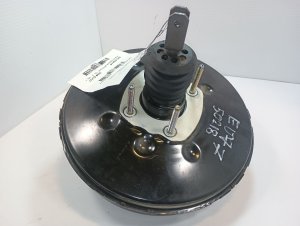
- Physical Inspection: Check the entire booster for significant rust or physical damage. Most importantly, inspect the area where the master cylinder mounts. Look for any signs of paint peeling, staining, or wetness. This is a tell-tale sign of brake fluid contamination from a bad master cylinder, and you should reject the part immediately.
- Verify Compatibility: The 2007-2015 CX-9 uses several part numbers that supersede each other. It also shares parts with the Ford Edge and Lincoln MKX. Always match the OEM part number from your original booster to the used part you are buying. Do not rely on visual comparison alone.
- Mileage Considerations: Since the diaphragm fails from heat and use over time, a lower-mileage unit is always preferable. While there is no specific mileage where they fail, problems are more common on vehicles with over 80,000 miles.
- Why Used OEM is a Good Choice: A used OEM booster from a low-mileage vehicle that shows no signs of fluid contamination is often more reliable than a new aftermarket or even a remanufactured unit. Some remanufactured parts have been reported to have issues with the length of the non-adjustable pushrod, causing the brakes to drag after installation. An inspected, used OEM part avoids this risk.
Cost Comparison
Prices can vary by location and supplier, but this provides a general cost expectation for replacing a Mazda CX-9 power brake booster.
| Part Type | Estimated Cost |
|---|---|
| New OEM (Mazda/Ford) | $350 - $500 |
| New Aftermarket | $90 - $225 |
| Remanufactured (Cardone, etc.) | $100 - $150 (plus core charge) |
| Used OEM | $75 - $200 |
| Shop Labor | $285 - $540 |
Pro Tip: The master cylinder must be unbolted from the booster for replacement. While you don't have to disconnect the brake lines, it's often easier to remove the master cylinder completely. If you do, you will need to bleed the entire brake system afterward. This is also the perfect time to replace the master cylinder as a preventative measure, especially on a higher-mileage vehicle.
Frequently Asked Questions (FAQ)
What's that hissing sound I hear when I press the brakes?
A hissing sound from the brake pedal area is the most common sign of a failing power brake booster on a CX-9. It's caused by a tear in the internal diaphragm, which creates a vacuum leak.
Can I still drive my CX-9 with a bad brake booster?
No. It is extremely unsafe to drive with a failed brake booster. The effort required to press the brake pedal will be dangerously high, and your stopping distance will be significantly longer, increasing the risk of a crash. The vehicle should be towed for repair.
Is the Mazda CX-9 brake booster the same as a Ford Edge booster?
Yes, the 2007-2015 Mazda CX-9 shares its brake booster with the 2007-2010 Ford Edge and Lincoln MKX. However, you must verify the specific OEM part number on your original part to ensure you are buying a compatible replacement.
Why did my replacement brake booster fail so quickly?
The most common reason for a rapid failure of a replacement booster is a leaking master cylinder. Brake fluid leaks into the new booster and destroys its internal diaphragm. If you are replacing the booster, it is critical to inspect the master cylinder and replace it if there is any sign of a leak.
Helpful Videos
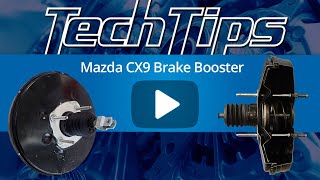
Technical Specifications
OEM Part Numbers: TD1143800C TDY1-43-80Z TDY14380ZA TKY8-43-80ZA 7T4Z2005A 8T4Z2005A AT4Z2005A
Vacuum-assisted power brake booster. Shared design with Ford Edge/Lincoln MKX of the same era.
We Have This Part in Stock

The information in this article is provided for general reference and educational purposes only. Vehicle specifications, procedures, and part compatibility can vary by production date, trim level, and region. Always consult your vehicle's factory service manual and verify part numbers before purchasing or performing repairs. Safety-critical components such as airbags, seat belts, and braking systems should be installed by a qualified professional.
- Mazda CX-9: