

2024-2025 Kia EV9 Power Converter, ICCU, and 12V System Guide
This guide explains common 12V battery drain and charging system failures in the Kia EV9, how the power converter (ICCU) is involved, and what to look for in a used replacement.
- The power converter is part of the Integrated Charging Control Unit (ICCU), which is responsible for both AC charging and keeping the 12V battery alive.
- The most critical failure symptom is a repeatedly dead 12V battery, which will make the entire vehicle inoperable, even if the main drive battery is full.
- A Technical Service Bulletin (TSB ELE330/SA570) exists for early 2024 models to prevent ICCU damage during AC charging in cold weather.
- Replacement is a high-voltage job that is not safe for DIY mechanics and requires a qualified technician.
Understanding the EV9's Power Converter and ICCU
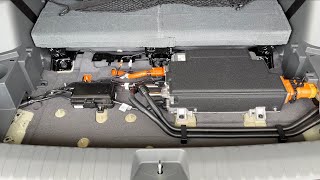
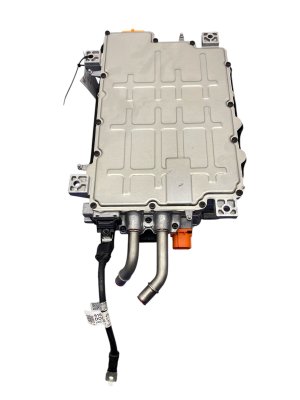
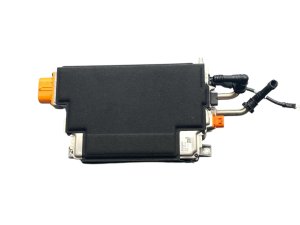
For the 2024-2025 Kia EV9, the term 'power converter' refers to the Integrated Charging Control Unit (ICCU). This single, liquid-cooled module is responsible for both charging the main high-voltage drive battery and keeping the essential 12V auxiliary battery topped off. This is a critical distinction from older electric vehicles or conventional cars with separate alternators. If the ICCU's DC-to-DC converter function fails, the 12V battery will no longer be charged by the main battery, leading to a rapid drain and a car that won't power on.
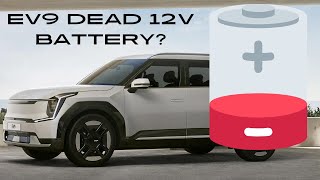
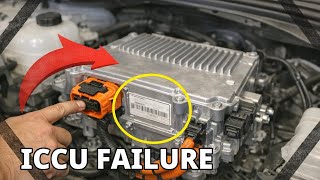
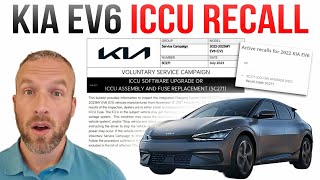
🎬 Watch: What to do if your EV9 battery diesThis system architecture is shared across Hyundai and Kia's E-GMP platform, which includes the Ioniq 5 and EV6. 🎬 See how ICCU failure affects similar E-GMP platform vehicles These vehicles have a history of ICCU-related issues, and while the EV9 uses an updated part, early owner reports and a technical service bulletin suggest it is not entirely immune to problems.
Known Issues, TSBs, and Recalls
While there are no widespread recalls specifically for total ICCU failure on the EV9 as of early 2026, there are related service actions and owner complaints that point to issues within this system.
Technical Service Bulletin ELE330 / SA570
Kia issued a TSB for certain 2024 EV9s produced between September 2023 and January 2024. The bulletin addresses a software issue where, during Level 1 or Level 2 AC charging in cold weather, a temperature discrepancy within the ICCU could cause it to become damaged. The primary symptom is the inability to AC charge, though DC fast charging may still work. The fix involves a software update for the Vehicle Control Unit (VCU). However, if specific Diagnostic Trouble Codes (DTCs) like P1E011C, P1E0211, P1E1300, or P1E0C73 are present, the TSB instructs dealers to replace the entire ICCU assembly.
Owner-Reported 12V Battery Drain
Numerous owners on forums have reported their 12V batteries dying unexpectedly, sometimes within days or weeks of taking delivery. This is a classic symptom of a problem with the DC-to-DC charging system. In some cases, dealers have replaced the 12V battery, only for the problem to reoccur, indicating the battery itself is not the root cause. Some owners have noted that disabling features like the digital key and fingerprint reader seemed to reduce the frequency of the 12V battery being topped off, suggesting a potential parasitic drain that overworks the ICCU's charging function.
Symptoms of a Failing Power Converter (ICCU)
A failing ICCU can present a range of confusing electrical symptoms. Because it manages both high-voltage charging and the 12V system, the signs can vary.
- Repeatedly Dead 12V Battery: This is the most common and critical symptom. If you find your EV9 is dead and requires a jump start, and the problem returns even after replacing the 12V battery, the ICCU is the primary suspect.
- Warning Lights: A message stating "Check Electrical Vehicle System" is a strong indicator of an ICCU or other high-voltage system fault. You may also see a variety of other seemingly unrelated warning lights for the ABS or SRS systems as various modules lose stable power.
- Inability to Charge: The vehicle may suddenly stop charging on a Level 1 or Level 2 AC charger. In some cases, DC fast charging might still be possible.
- Vehicle Won't Power On ('Start'): Even with a fully charged main battery, a dead 12V battery will prevent the car's computers and contactors from activating, so the car will not enter the 'Ready' state.
- Flickering Lights or Electronics: As the 12V battery's voltage drops, you may notice flickering interior or exterior lights, or the infotainment screen behaving erratically.
Warning: The ICCU is a high-voltage component. Diagnosis and replacement must only be performed by qualified technicians who are trained to properly de-energize the vehicle's high-voltage system. Attempting to service this part without proper training and equipment can result in severe injury or death.
Buying a Used Power Converter (ICCU)
Given the high cost of a new ICCU from a dealer, a used OEM unit can be a cost-effective solution, especially for vehicles outside of the factory warranty. However, careful inspection and verification are critical.
- Verify the Part Number: The most important step is to match the part number exactly. The known OEM part numbers are 36400-1XHA0 and 36400-1XHA1. The -1XHA1 version is a later revision and is the preferred part, as it likely incorporates improvements over the original. Always confirm the part number on your original unit before purchasing 🎬 Watch: How to find the part number on your ICCU a replacement.
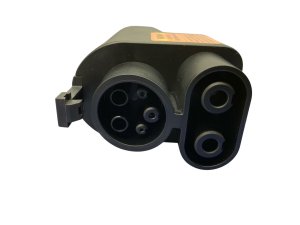
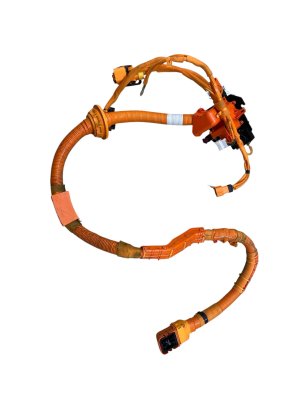
- Physical Inspection: Carefully inspect the used ICCU's casing for any cracks, dents, or signs of physical damage. Pay close attention to the high-voltage and low-voltage electrical connectors. Look for any corrosion, bent pins, or heat damage. Also inspect the coolant ports for damage or corrosion.
- Check the Donor Vehicle's History: If possible, obtain the VIN and mileage of the vehicle the part came from. A part from a low-mileage, collision-damaged vehicle is generally a better bet than one from a high-mileage car. Ask if the donor vehicle had the TSB for the ICCU software update (SA570) performed.
- Why Used OEM is a Good Choice: For a complex, safety-critical component like the ICCU, a genuine used OEM part is often superior to new aftermarket alternatives, which are generally unavailable or untrustworthy for this type of high-voltage application. A used OEM part that has been tested and comes with a warranty from a reputable recycler offers a balance of value and reliability.
Cost of Replacement
Replacing the ICCU is an expensive repair, though prices can vary significantly.
| Part or Service | Estimated Cost | Notes |
|---|---|---|
| New OEM (Dealer) | $1,600 - $2,600 | MSRP for part number 36400-1XHA1 can be over $2,500, but online dealers often sell it for less. |
| New Aftermarket | Not Available | Trustworthy aftermarket versions of this complex component are not currently available. |
| Used OEM | $800 - $1,500 | Price depends on condition, mileage, and seller. |
| Remanufactured | $400 - $700 | Specialty shops are beginning to offer repair services for ICCUs from related models like the EV6, which may become an option for the EV9. |
| Shop Labor | $300 - $600 | Experienced shops quote around 2-3 hours for this job, which includes de-powering the HV system and bleeding the coolant loop. |
Frequently Asked Questions (FAQ)
Can I drive my EV9 if I suspect the power converter is failing?
No. If the ICCU is failing to charge the 12V battery, you risk the vehicle shutting down completely while driving or being stranded when you try to start it next. It is unsafe to operate the vehicle until the charging system is repaired.
Is the ICCU covered under Kia's warranty?
Yes, the ICCU is part of the Electric Vehicle (EV) System Warranty, which is typically 10 years or 100,000 miles for the original owner in the US. However, for subsequent owners or vehicles with a salvage title, this warranty coverage may not apply, making a used part a necessary option.
Does a replacement ICCU need to be programmed?
Yes, in most cases. After physical installation, the new ICCU will likely require a software update or configuration using Kia's diagnostic tools (KDS) to ensure it communicates correctly with the rest of the vehicle's systems. This is typically a dealer or specialist-level task.
What causes the ICCU to fail?
Based on TSBs and issues with related models, failures can be linked to software logic that doesn't properly manage component temperatures during AC charging, especially in cold weather. Other theories suggest that certain hardware components may be under-specified, leading to overload and eventual failure.
Helpful Videos
Technical Specifications
OEM Part Numbers: 36400-1XHA0 36400-1XHA1 364011XHA0
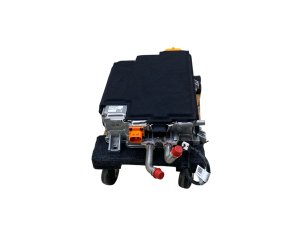
The power converter, or ICCU, is a liquid-cooled module that integrates the onboard AC charger and a DC-to-DC converter for the 12V system.
We Have This Part in Stock

The information in this article is provided for general reference and educational purposes only. Vehicle specifications, procedures, and part compatibility can vary by production date, trim level, and region. Always consult your vehicle's factory service manual and verify part numbers before purchasing or performing repairs. Safety-critical components such as airbags, seat belts, and braking systems should be installed by a qualified professional.
- Kia EV9:
- 🎬 Helpful Videos
- 🛍️ Shop This Part
- Understanding the EV9's Power Converter and ICCU
- Known Issues, TSBs, and Recalls
- Technical Service Bulletin ELE330 / SA570
- Owner-Reported 12V Battery Drain
- Symptoms of a Failing Power Converter (ICCU)
- Buying a Used Power Converter (ICCU)
- Cost of Replacement
- Frequently Asked Questions (FAQ)
- 🎟️ Get 5% Off