

2019-2024 Lexus UX250h & Toyota Prius, C-HR, Corolla Power Converter Failure: A Buyer's Guide
Diagnosing the common 'Hybrid System Malfunction' warning and navigating the critical differences between front and rear power converters for these popular hybrid models.
- The power converter is covered by the 8-year/100,000-mile Hybrid System Warranty, so check your coverage first.
- AWD models like the UX250h and Prius AWD-e have a separate REAR inverter that is different from the FRONT inverter. You must match your OEM part number exactly.
- Symptoms often include a 'Hybrid System Malfunction' warning and the vehicle entering a reduced-power 'limp mode'.
- Before condemning the inverter, always test the 12V auxiliary battery, as a weak battery can cause similar electronic warnings.
Symptoms of a Failing Power Converter
A failing power converter can cause a range of symptoms, from confusing warning lights to a complete shutdown of the vehicle. Because it manages the entire hybrid system, a fault here can mimic other problems, but certain signs point strongly to the inverter.
- "Hybrid System Malfunction" Message: This is the most common and immediate sign. This message will appear on the multi-information display, often accompanied by multiple other warning lights.
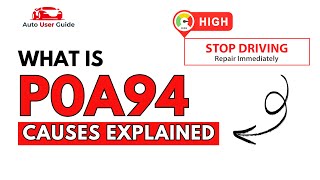
- Check Engine Light: A fault in the power converter will almost always trigger the check engine light. Scanning for codes is the first step in diagnosis. Common codes include P0A94 🎬 Watch: Learn what causes the P0A94 error code to trigger. (DC/DC Converter Performance), P0A93 (Inverter Cooling System Performance), P324E, P3004, and P0A1A.
- Vehicle Enters "Limp Mode" or Has Reduced Power: The car's computer will limit power to protect the hybrid components. You'll experience sluggish acceleration and an inability to maintain higher speeds.
- Complete Loss of Power: In severe cases, the vehicle may shut down while driving or fail to start altogether. While steering and braking systems should remain operational, a stall at high speed is a significant safety risk.
- Vehicle Won't Go Into Drive or Reverse: The car may turn on, but the gear selector will not engage, leaving you stranded.
- Unusual Noises: A distinct whining, humming, or buzzing sound from under the hood can indicate an electrical issue within the inverter.
- Decreased Fuel Economy: If the inverter is operating inefficiently, the gasoline engine will have to run more often, leading to a noticeable drop in MPG.
Known Issues, Recalls, and Warranty Information
As of early 2026, there are no specific safety recalls or technical service bulletins (TSBs) directly related to power converter failure for the 2019-2024 Lexus UX250h, 2019-2022 Toyota Prius, 2020-2023 Toyota C-HR, or 2019-2022 Toyota Corolla. Older generations of the Prius had well-known inverter recalls, but these do not apply to the models covered in this guide.
Warranty Coverage
This is a critical consideration for any owner. The power converter (inverter with converter) is considered a key hybrid component and is covered by Toyota and Lexus's Hybrid System Warranty. This warranty provides coverage for 8 years or 100,000 miles, whichever comes first. If your vehicle is within this period, a failure should be repaired by a dealer at no cost. For vehicles manufactured in 2020 or later, the high-voltage hybrid battery itself has an extended warranty of 10 years/150,000 miles, but this extension does not apply to the inverter.
Buying a Used Power Converter: What to Check
Given the high cost of a new OEM power converter, a used unit from a reputable recycler is a smart financial choice, especially for vehicles outside the factory warranty. However, this is a complex electronic part, and careful purchasing is essential.
Warning: The single most important step is to verify the exact OEM part number from your original unit. There are different converters for Front-Wheel Drive (FWD) and All-Wheel Drive (AWD) models, and using the wrong one will not work.
1. Match the Part Number Exactly
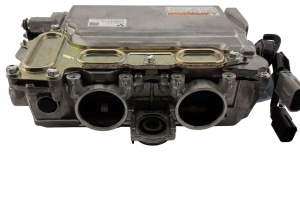
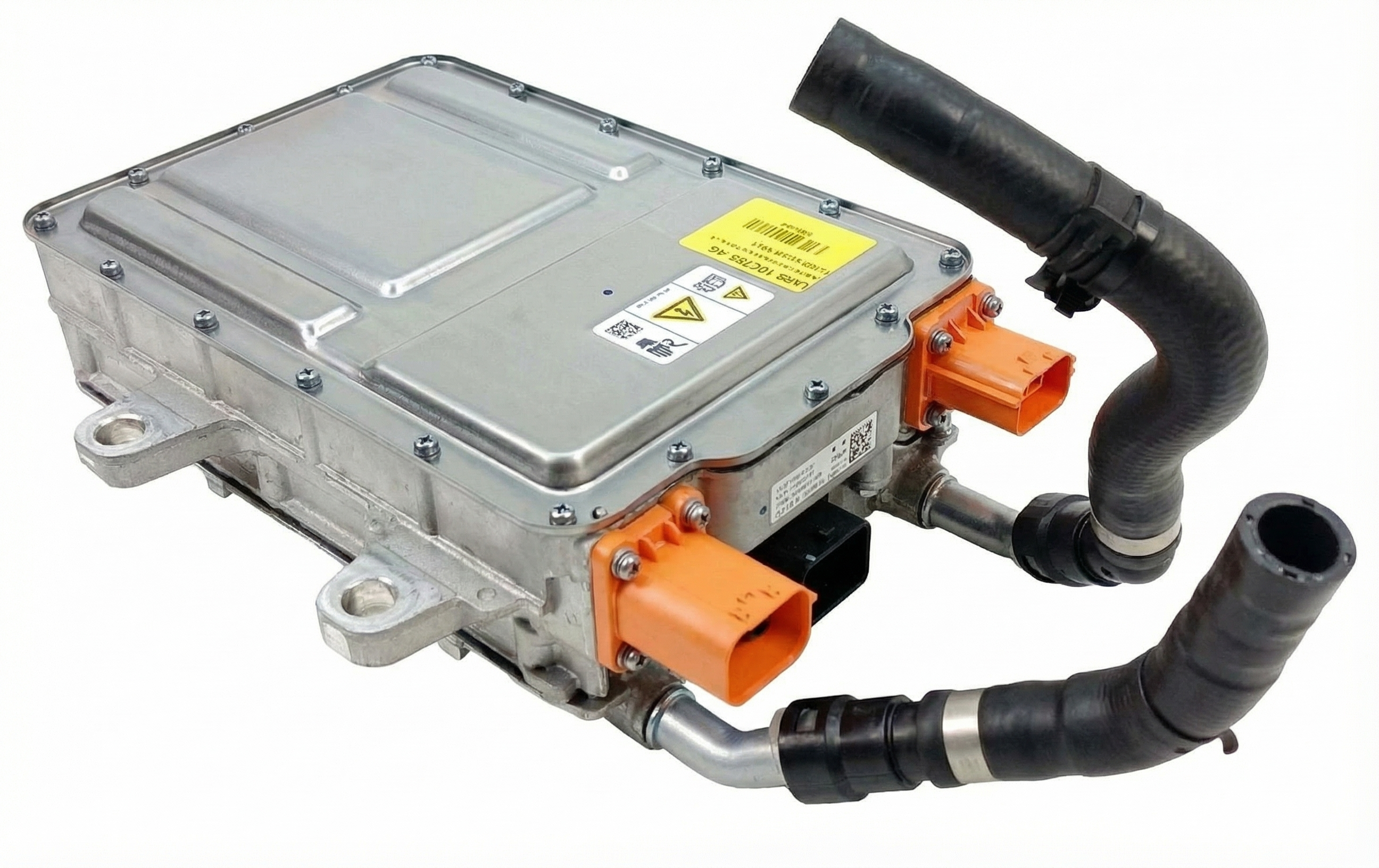
Do not rely on visual similarity. The Lexus UX250h and Toyota Prius AWD-e use a separate rear inverter assembly to power the rear wheels. This part is completely different from the main front inverter. Before ordering, physically inspect your vehicle's original part and match the number stamped on its case to the number on the used part you intend to buy.
- Front Inverter Assembly: Typically used on all models.
- Rear Inverter Assembly: Used ONLY on AWD models like the Lexus UX250h and Toyota Prius AWD-e. Part number G92B0-47011 is a common rear inverter for these models.
2. Physical Inspection
Even if you can't test the unit electronically, a thorough visual inspection is crucial.
- Check for Corrosion: Look for any white or greenish powder-like residue on the aluminum casing or around the electrical connectors. This indicates moisture intrusion, which is fatal to these electronics.
- Inspect Connectors: All connector pins should be straight, clean, and free of any signs of burning or melting. Damaged pins suggest an electrical short in the donor vehicle.
- Look for Physical Damage: The aluminum casing should be free of cracks, deep gouges, or signs of being dropped. Damage from a collision can harm internal components even if the outside looks okay.
- Smell the Unit: A strong, burnt electronic smell is a major red flag. It indicates that internal components have overheated and failed.
3. Source Vehicle Information
Ask the seller for the VIN and mileage of the vehicle the part came from. Lower mileage is always better. A part from a vehicle that suffered a rear-end collision is generally a safer bet for a front-mounted inverter than one from a vehicle with front-end or flood damage.
4. Why Used OEM is Often Better
For a complex component like a power converter, a used OEM unit is often superior to a new, cheap aftermarket part. The original Toyota/Lexus engineering, quality control, and software are designed to integrate perfectly with your vehicle's other systems. Aftermarket units can have compatibility issues or lower-quality internal components that lead to premature failure.
Pro Tip: It is nearly impossible to bench-test a used inverter without specialized, high-voltage equipment. The only true test is installation on a working vehicle. For this reason, always buy from a seller who offers a warranty and a clear return policy in case the part is non-functional.
Replacement Information
Replacing a hybrid power converter is a complex and potentially dangerous job due to the high-voltage electricity involved. This is not recommended for beginners.
- Difficulty Rating: 4 out of 5.
- Key Challenges: Requires strict adherence to high-voltage safety protocols, including disconnecting the high-voltage service plug and waiting for the system to discharge. The unit is heavy and located in a crowded engine bay, requiring removal of other components for access. The cooling system for the inverter must also be drained and properly refilled/bled after installation.
- DIY Feasible?: For experienced mechanics with knowledge of hybrid vehicle safety procedures only. For everyone else, this job should be left to a professional.
| Part Type | Estimated Cost |
|---|---|
| New OEM | $1,600 - $2,100 |
| New Aftermarket | Not widely available |
| Used OEM | $400 - $900 |
| Shop Labor | $300 - $600 |
Frequently Asked Questions (FAQ)
Can I drive my car with a failing power converter?
It is not recommended. While the vehicle may be drivable in a reduced-power "limp mode," a complete shutdown can occur at any time, which is a serious safety hazard, especially at high speeds. It's best to have the vehicle towed to a repair facility.
Is a bad power converter covered by the powertrain warranty?
No. The power converter is not part of the standard powertrain (engine, transmission). It is covered under the separate Hybrid System Warranty, which is 8 years or 100,000 miles for these models.
Could the problem just be the small 12V battery?
Sometimes, yes. A weak or failing 12V auxiliary battery can cause a cascade of confusing electronic issues and warning lights, including the "Hybrid System Malfunction" message. Before assuming the expensive inverter has failed, it is always wise to have your 12V battery professionally tested and fully charged. If the battery is more than 3-4 years old, consider replacing it as a first diagnostic step.
What is the difference between the front and rear power converters on an AWD model?
The front power converter (inverter) is the primary unit that manages power for the front electric motor and the entire hybrid system. The rear inverter on AWD models like the UX250h and Prius AWD-e is a smaller, separate unit dedicated solely to controlling the rear electric motor that provides all-wheel drive capability. They are not interchangeable. The rear inverter is often labeled as part number G92B0-47011.
Helpful Videos
Technical Specifications
OEM Part Numbers: G9200-76020 G9200-76060 G9200-79045 G9200-79055 G9200-79056 G92B0-47011 G92B0-76020
Converts high-voltage DC from the hybrid battery to AC for the electric motors. Also contains a DC-DC converter to charge the 12V auxiliary battery.
We Have This Part in Stock

The information in this article is provided for general reference and educational purposes only. Vehicle specifications, procedures, and part compatibility can vary by production date, trim level, and region. Always consult your vehicle's factory service manual and verify part numbers before purchasing or performing repairs. Safety-critical components such as airbags, seat belts, and braking systems should be installed by a qualified professional.
- Lexus UX250h:
- Toyota Prius:
- Toyota C-HR:
- Toyota Corolla:
- Toyota Prius AWD-e:
- 🎬 Helpful Videos
- 🛍️ Shop This Part
- Symptoms of a Failing Power Converter
- Known Issues, Recalls, and Warranty Information
- Warranty Coverage
- Buying a Used Power Converter: What to Check
- 1. Match the Part Number Exactly
- 2. Physical Inspection
- 3. Source Vehicle Information
- 4. Why Used OEM is Often Better
- Replacement Information
- Frequently Asked Questions (FAQ)
- 🎟️ Get 5% Off