

2007-2011 Toyota Camry Hybrid Inverter Failure: Diagnosing P0A94 and the 'Check Hybrid System' Light
This guide explains the common causes of power converter failure, what to inspect on a used unit, and how to understand the critical 'Check Hybrid System' warning on your 2007-2011 Toyota Camry Hybrid.
- The most common symptom of failure is the 'Check Hybrid System' warning light, often caused by diagnostic trouble code P0A94.
- Failure is typically due to internal overheating of electronic components (IPM/IGBTs), not a specific recall issue for this model.
- Do NOT drive the vehicle if the 'Check Hybrid System' light is on, as it can shut down unexpectedly or cause further damage.
- Replacement involves dangerous high voltage and should only be attempted by those experienced with hybrid systems after properly disabling the battery.
What Does the Power Converter Do on a 2007-2011 Toyota Camry Hybrid?
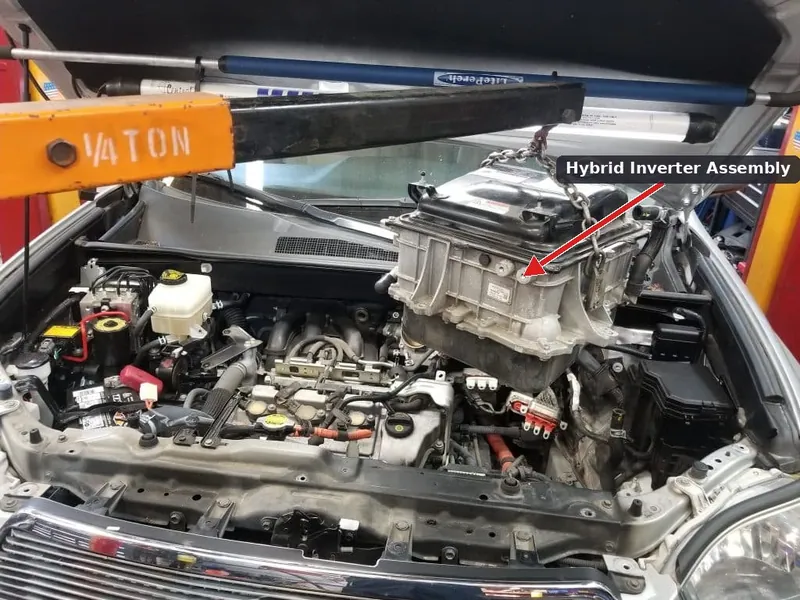
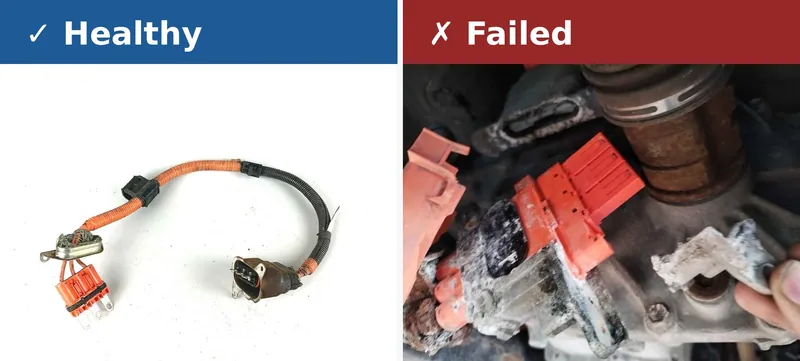
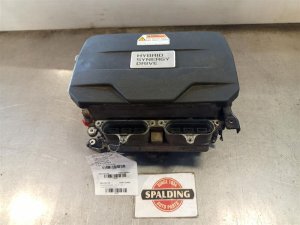
Think of the power converter as the brain and muscle of the hybrid drivetrain. It manages the flow of electricity between the high-voltage hybrid battery and the electric motors (known as motor-generators). It converts the battery's DC power to AC power to propel the car and reverses the process during regenerative braking to recharge the battery. At the same time, it functions like a powerful alternator, supplying all the 12-volt power the car needs for its lights, computers, and accessories by converting it from the main hybrid battery pack. Because it handles so much power, it generates significant heat and has its own dedicated liquid cooling system to stay at a safe operating temperature.
Common Symptoms of a Failing Power Converter
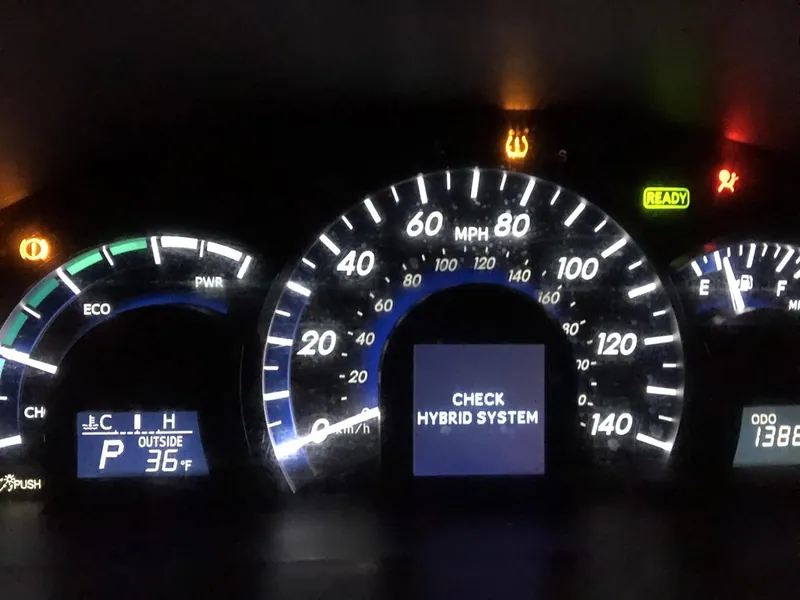
Failure of the power converter can happen suddenly. The most common signs point to a major hybrid system fault.
- "Check Hybrid System" Warning: This is the most common and immediate symptom. This message will appear on the multi-information display, often accompanied by multiple warning lights on the dashboard.
- Vehicle Won't Start or Enter "Ready" Mode: You may press the power button, the dash lights will come on, but the "Ready" indicator will not appear and the gasoline engine will not start. This happens because the hybrid system has detected a critical fault and is preventing operation.
- Sudden Loss of Power: In some cases, the vehicle may shut down while driving and enter a "limp mode" with severely reduced power, or it may lose all propulsion.
- Whining or Humming Noises: Unusual electronic whining sounds can sometimes be heard, which may be associated with the inverter or its cooling pump failing.
Common Diagnostic Trouble Codes (DTCs)
An OBD-II scanner is required to retrieve the specific codes. The generic "Check Hybrid System" light will almost always be accompanied by one of the following:
- P0A94 - DC/DC Converter Performance: This is the most frequent code and points directly to a failure within the inverter assembly. It often indicates that the internal components responsible for converting high-voltage DC to 12V DC have failed. The root cause is frequently burned-out transistors (IGBTs) inside the unit due to age or overheating.
- P0A7A - Generator Inverter Performance: This code points to a fault in the inverter side of the assembly, which controls the electric motors.
Known Issues and Related Failures
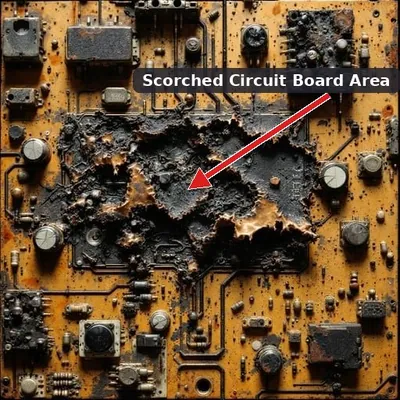
While no specific safety recall for the inverter was found for the 2007-2011 Camry in research, the failure of the Intelligent Power Module (IPM) within the inverter is a well-documented issue across many Toyota hybrid models of this era. The failure is typically caused by heat and age degrading the transistors and solder joints inside the sealed unit.
A related and critical failure point is the inverter's independent cooling system. This system includes a small, dedicated radiator and an electric water pump. If this small radiator develops a leak or the pump fails, the inverter will quickly overheat and destroy itself. A symptom of a cooling issue is an empty inverter coolant reservoir.
Warning: Never attempt to reset the "Check Hybrid System" light without a proper diagnosis. Ignoring the warning can lead to further damage to other expensive components, including the hybrid battery itself.
Buying a Used 2007-2011 Camry Power Converter: What to Check
Given that a new OEM power converter can be extremely expensive, a quality used unit is often the most cost-effective solution. Here’s what to look for:
- Verify Part Numbers: Ensure the part number on the used unit matches one of the known compatible numbers for your vehicle. The primary numbers are G9200-33010, G9200-33020, G9200-33050, G9200-33100, and G9200-33101.
- Physical Inspection: Carefully inspect the aluminum housing for any signs of corrosion, physical damage, or cracks. Pay close attention to all electrical connectors. They should be clean, free of corrosion, and have no bent or broken pins.
- Check the Coolant Ports: Look at the inlet and outlet coolant ports. Any signs of heavy corrosion or dried, crusty coolant could indicate a past leak or poor maintenance.
- Ask for the Donor VIN: If possible, get the Vehicle Identification Number (VIN) from the car the part came from. You can use Toyota's official recall lookup site to see if the donor car had any open recalls, which can give you an idea of its maintenance history.
- Mileage vs. Condition: For an electronic part like this, low mileage is less important than its history. A part from a vehicle that was wrecked with no signs of inverter failure is preferable to a high-mileage part that may have been subjected to years of heat cycles. The failure is electronic, not mechanical wear.
Pro Tip: When replacing the inverter, it is highly recommended to also replace the small electric water pump for the inverter cooling system and flush the coolant. A weak pump can cause a brand new or used inverter to fail prematurely.
Replacement Difficulty and Cost
Replacing the power converter is a complex job that involves working with the high-voltage hybrid system. It is not recommended for beginners.
- Difficulty Rating: 4 out of 5
- Primary Risk: The hybrid system operates at over 200 volts, which can cause serious injury or death. The system MUST be properly disabled by removing the high-voltage service plug and waiting at least 10 minutes for the capacitors to discharge before beginning work.
- Key Steps: The process involves disconnecting the 12V battery, removing the high-voltage service plug, draining the inverter's dedicated cooling system, removing the air cleaner assembly and other components to gain access, disconnecting multiple high-voltage and low-voltage connectors, and then unbolting the unit itself. After installation, the cooling system must be carefully refilled and bled to remove all air pockets.
Cost Breakdown
Prices can vary significantly based on location and part source.
| Part Source | Estimated Cost |
|---|---|
| New OEM | $3,000 - $5,000+ |
| Remanufactured | $1,200 - $1,800 |
| Used OEM | $200 - $550 |
| Shop Labor | $450 - $750 |
Frequently Asked Questions (FAQ)
Can I drive my Camry with a "Check Hybrid System" light on?
No. A fault in the power converter can cause the vehicle to shut down unexpectedly while driving, creating a serious safety hazard. The vehicle should be towed to a repair facility.
Do I need to program a replacement power converter?
No, for the 2007-2011 Toyota Camry, a replacement power converter does not typically require special programming. It is a plug-and-play component, provided it is the correct part number for the vehicle.
My "Check Hybrid System" light is on, but the car drives fine. What should I do?
Do not continue to drive the car. Even if it seems to operate normally, the system has detected a serious fault. Continuing to drive could cause the inverter to fail completely, potentially damaging the expensive hybrid battery or transaxle in the process. Get the trouble codes read immediately.
How do I safely disable the high-voltage system for repair?
First, disconnect the negative terminal of the 12-volt auxiliary battery in the trunk. Then, locate the high-voltage service plug on the hybrid battery pack (typically under a cover in the trunk). Pull the handle up and then pull the plug out. You must wait at least 10 minutes for the high-voltage capacitors in the inverter to fully discharge before working on any orange high-voltage cables or components.
Helpful Videos
Technical Specifications
OEM Part Numbers: G920033010 G920033020 G920033050 G920033100 G920033101
Converts ~245V DC from the hybrid battery to three-phase AC for the motor-generators and to 12V DC for the vehicle's auxiliary systems. Features a dedicated liquid cooling system.
We Have This Part in Stock

The information in this article is provided for general reference and educational purposes only. Vehicle specifications, procedures, and part compatibility can vary by production date, trim level, and region. Always consult your vehicle's factory service manual and verify part numbers before purchasing or performing repairs. Safety-critical components such as airbags, seat belts, and braking systems should be installed by a qualified professional.
- Toyota Camry:
- 🎬 Helpful Videos
- 🛍️ Shop This Part
- What Does the Power Converter Do on a 2007-2011 Toyota Camry Hybrid?
- Common Symptoms of a Failing Power Converter
- Common Diagnostic Trouble Codes (DTCs)
- Known Issues and Related Failures
- Buying a Used 2007-2011 Camry Power Converter: What to Check
- Replacement Difficulty and Cost
- Cost Breakdown
- Frequently Asked Questions (FAQ)
- 🎟️ Get 5% Off