

2012 Toyota Prius C Power Converter: Failure Symptoms & Production Date Warning
This guide covers common failure symptoms, diagnostic codes, and the crucial manufacturing date split for the early 2012 Toyota Prius C inverter.
- This power converter ONLY fits 2012 Prius C models built on or before December 31, 2011. You must verify your car's production date.
- Failure is critical, often causing a "Check Hybrid System" warning and a complete shutdown of the vehicle, making it undrivable.
- Replacement involves dangerous high voltages and should only be performed by a qualified hybrid technician.
- A used OEM unit is a viable, cost-effective alternative to a new part, which can cost over $2,500.
Critical Compatibility Warning: For Early 2012 Models Only

Warning: This specific power converter assembly fits ONLY the 2012 Toyota Prius C manufactured on or before December 31, 2011. Toyota used a different part for vehicles built after this date. Before ordering, you must verify your vehicle's production date, which is printed on the driver's side door jamb sticker. Ordering the wrong part will result in incompatibility. The part numbers associated with this early 2012 model are G9200-59015, G9200-59035, G9200-59065, and the latest supersession, G92A052020.
Symptoms of a Failing Power Converter

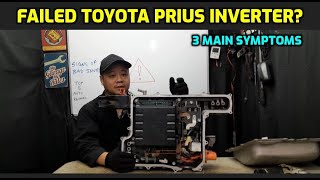
A failing power converter will not go unnoticed. The vehicle's complex self-diagnostic systems will immediately detect a problem and alert the driver. Failure is often 🎬 Watch: A breakdown of common symptoms and warning signs sudden and can leave the vehicle stranded.
Warning Lights and Messages
The most common symptom is a dashboard illuminated with multiple warning lights. You will almost certainly see the master warning light (a red triangle) and a message on the multi-information display that reads "Check Hybrid System" or "Stop the car in a safe place." The check engine light will also typically be on.
Driving Performance Issues
- Vehicle Won't Start or Enter "Ready" Mode: The car may power on its accessories, but it will refuse to go into the "Ready" state, preventing you from driving.
- Sudden Loss of Power: The vehicle may stall or lose all propulsion while driving, sometimes entering a low-power "limp mode" before shutting down completely. This is a significant safety risk.
- Inability to Charge the 12V Battery: Since the converter function is responsible for charging the 12-volt battery, a failure can lead to a dead 12V battery, causing a no-start condition that might be mistaken for a simple battery issue.
Common Diagnostic Trouble Codes (DTCs)
A professional scan tool will be needed to read the specific codes, but some of the most common ones pointing to an inverter/converter failure include:
- P0A94 - DC/DC Converter Performance: This is a very common code indicating a fault within the converter section of the assembly.
- P0A78 - Drive Motor 'A' Inverter Performance: This points to a problem with the inverter side of the unit.
- P3004 - High Voltage Power Resource: This code can be triggered by an inverter failure.
- P0AA6 - Hybrid Battery Voltage System Isolation Fault: While this code can point to several high-voltage components, it is often associated with a failed inverter. Further diagnostic sub-codes are needed to pinpoint the inverter as the cause.
Buying a Used 2012 Prius C Power Converter: What to Check

Due to the extremely high cost of a new OEM power converter, a quality used unit is often the most practical and economical solution. However, care must be taken to purchase a good, compatible part.
Key Inspection Points
- Verify the Part Number: Absolutely confirm the part number on the used unit matches one of the compatible numbers: G9200-59015, G9200-59035, G9200-59065, or G92A052020. This is the best way to ensure you are getting the correct part for the early 2012 production run.
- Inspect for Physical Damage: Check the aluminum housing for any cracks, dents, or signs of heavy impact. Pay close attention to the high-voltage connectors; they should be clean, straight, and free of any corrosion or burn marks.
- Check the Coolant Ports: The inverter is liquid-cooled. Inspect the coolant inlet and outlet ports for damage or corrosion. Ensure there are no signs that coolant has leaked from the main housing itself.
- Low Mileage is a Plus: While these units are generally reliable, choosing an inverter from a lower-mileage donor vehicle is always preferable.
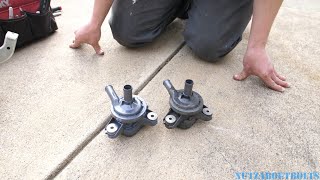
Pro Tip: Consider replacing the separate, small electric water pump for the inverter cooling system at the same time you replace the inverter. A failing pump can cause the new inverter to overheat and fail 🎬 See how to replace the inverter water pump yourself prematurely.
Known Issues, Recalls, and Warranty Information
While many Toyota hybrid models were subject to recalls and warranty extensions for inverter issues (specifically the Intelligent Power Module or IPM), the 2012 Prius C was largely excluded from these major campaigns. Owners on forums have repeatedly confirmed that their 2012 Prius C VINs were not part of these programs. There was a recall (K0K) for a DC-DC converter issue, but it applied to much later 2018-2019 models, not the 2012. Always check your specific VIN with a Toyota dealer or on the NHTSA website for any applicable safety recalls.
Cost of Replacement
Replacing the power converter is a significant expense, primarily due to the cost of the part itself.
| Part Type | Estimated Cost |
|---|---|
| New OEM | $2,200 - $3,300 |
| New Aftermarket | Not commonly available |
| Used OEM | $250 - $500 |
| Remanufactured | Varies, check with specialty shops |
| Shop Labor | $400 - $600 |
Replacement Overview
Warning: This is not a beginner-friendly DIY job. The hybrid system contains extremely high voltages that can cause serious injury or death if not handled properly. This repair should be performed by a qualified technician experienced with hybrid vehicles.
- Difficulty: 4.5 out of 5
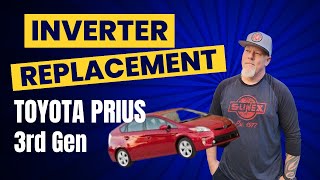
- Procedure: The process involves properly disabling the high-voltage system by removing the service plug, disconnecting the 12V battery, draining the dedicated inverter coolant loop, disconnecting multiple high-voltage cables and low-voltage connectors, and unbolting the assembly from the vehicle. 🎬 Watch: Step-by-step walkthrough of the inverter replacement process
- Special Tools: Insulated gloves are mandatory. A good quality multimeter is needed to verify the system is discharged. A spill-free funnel is recommended for refilling the coolant.
Frequently Asked Questions (FAQ)
Can I drive my Prius C with a failing power converter?
No. A failing inverter can cause the vehicle to shut down completely and unexpectedly in traffic, which is a serious safety hazard. The vehicle should be towed to a repair facility.
What causes the power converter to fail?
Failure is often due to heat stress on internal electronic components, particularly the high-power transistors known as IGBTs. A common cause of overheating is the failure of the small, dedicated electric water pump that circulates coolant through the inverter. Age and internal component malfunction can also lead to failure.
Is the power converter the same as the hybrid battery?
No. The hybrid battery is the large, high-voltage battery pack (usually located under the rear seat) that stores energy. The power converter is the electronic module under the hood that manages how that energy is used by the rest of the car.
Does a used power converter need to be programmed?
No, for this specific vehicle, the power converter assembly does not typically require special programming. It is a direct replacement, though some systems may need to be initialized after the 12V battery has been disconnected.
Helpful Videos
Technical Specifications
OEM Part Numbers: G9200-59015 G9200-59035 G9200-59065 G92A052020
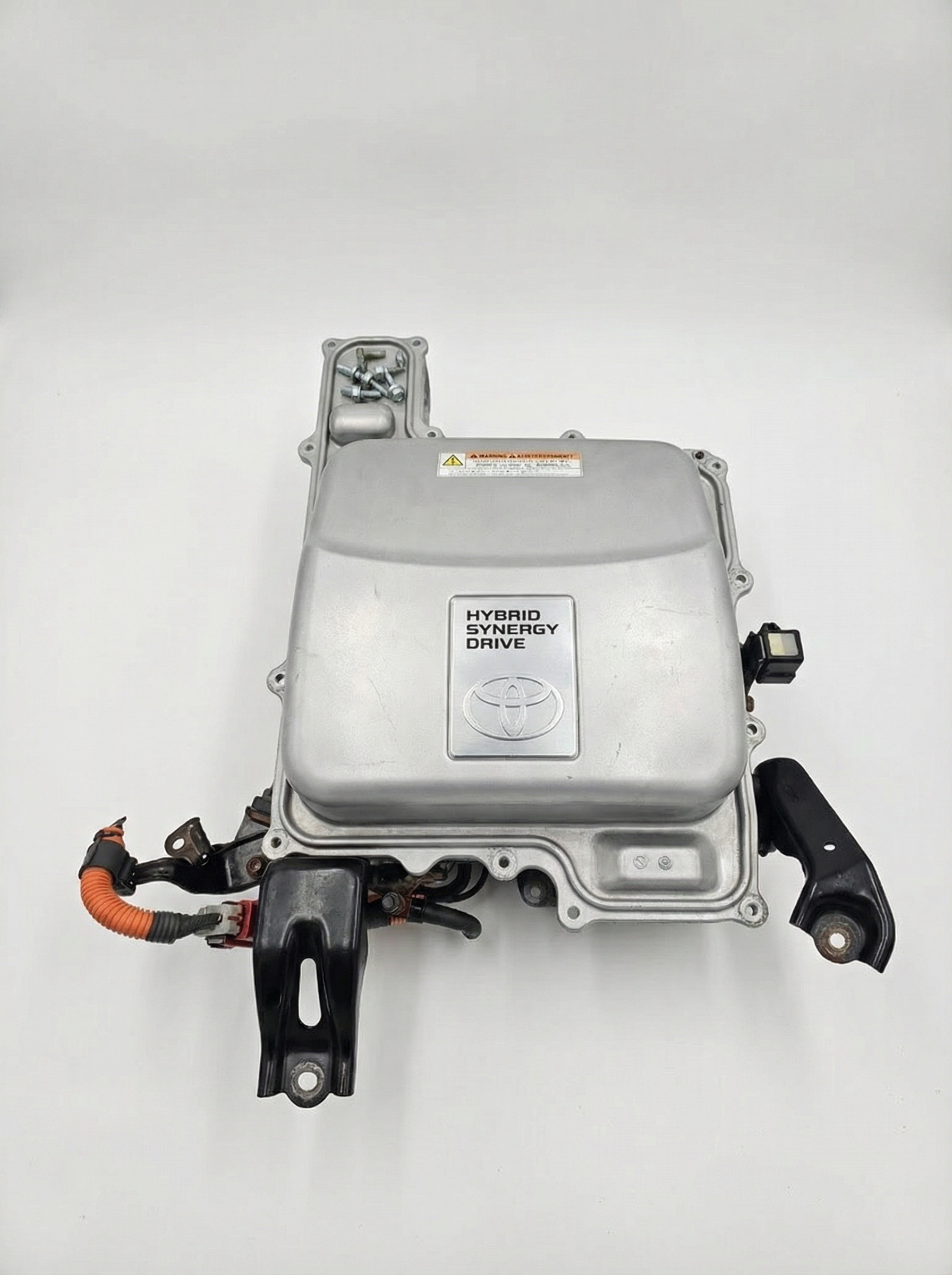
Liquid-cooled assembly containing an inverter (DC-to-AC) and a converter (high-voltage DC to 12V DC).
We Have This Part in Stock

The information in this article is provided for general reference and educational purposes only. Vehicle specifications, procedures, and part compatibility can vary by production date, trim level, and region. Always consult your vehicle's factory service manual and verify part numbers before purchasing or performing repairs. Safety-critical components such as airbags, seat belts, and braking systems should be installed by a qualified professional.
- Toyota Prius C:
- 🎬 Helpful Videos
- 🛍️ Shop This Part
- Critical Compatibility Warning: For Early 2012 Models Only
- Symptoms of a Failing Power Converter
- Warning Lights and Messages
- Driving Performance Issues
- Common Diagnostic Trouble Codes (DTCs)
- Buying a Used 2012 Prius C Power Converter: What to Check
- Key Inspection Points
- Known Issues, Recalls, and Warranty Information
- Cost of Replacement
- Replacement Overview
- Frequently Asked Questions (FAQ)
- 🎟️ Get 5% Off