

2004-2009 Toyota Prius Inverter Failure: Causes, Symptoms, and Replacement Costs
This guide explains the common failures of the hybrid inverter in the 2004-2009 Toyota Prius, including the infamous P0A94 code, and what you need to know before buying a used replacement.
- Inverter failure is often caused by a separate, inexpensive part: the inverter coolant pump. Check for pump operation before replacing the entire inverter.
- The most common sign of failure is the 'Red Triangle of Death' and a P0A94 trouble code.
- A new OEM inverter is often uneconomical; used or remanufactured units are the most common repair, but carry risks.
- This is not a DIY-friendly repair due to the extreme danger of high voltage in the hybrid system.
Symptoms of a Failing Prius Inverter
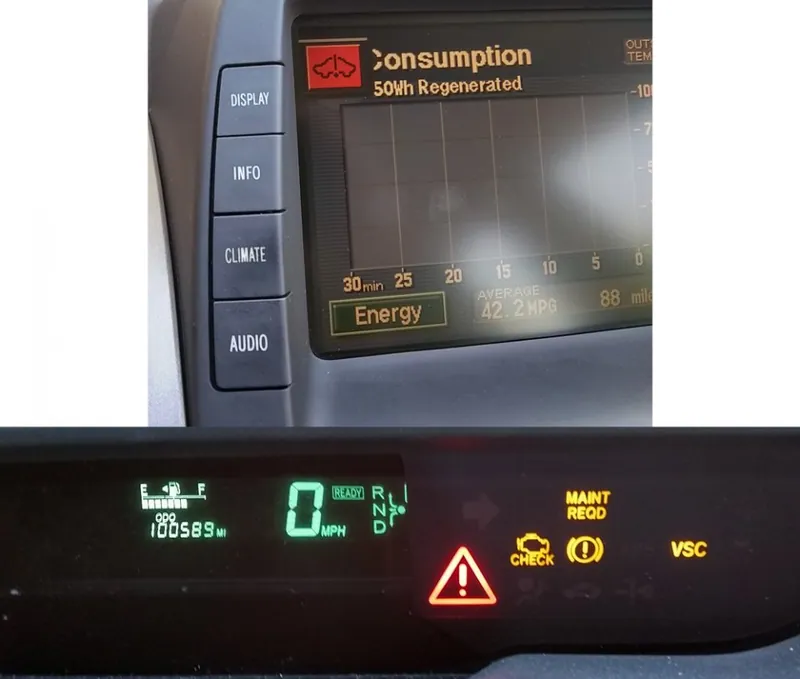
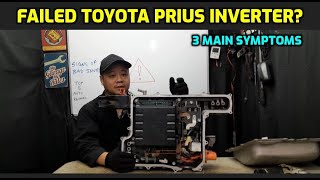
A failing inverter is one of the most serious issues a 2nd generation Prius can experience. The symptoms are often sudden and can leave the vehicle disabled.
🎬 Watch: A breakdown of common symptoms when an inverter fails.Master Warning Light (Red Triangle of Death)
The most common indicator of a serious hybrid system problem is the illumination of the master warning light, often called the 'red triangle of death', on the dashboard. This is usually accompanied by a 'Problem' message on the multi-function display and multiple other warning lights, including the Check Engine light.
Vehicle Stalls or Enters 'Limp Mode'
A primary symptom of inverter failure is the vehicle stalling while driving, sometimes at high speeds, and refusing to restart. The hybrid system may shut down to protect itself, causing a sudden loss of motive power. In other cases, the car may enter a 'fail-safe' or 'limp' mode, where acceleration is severely limited, making it difficult to drive. Some owners report being able to temporarily reset the system by turning the car off and on, allowing them to move the vehicle to a safer location.
Diagnostic Trouble Codes (DTCs)
Specific trouble codes are the most definitive sign of an inverter issue. A professional scan tool is needed to read these. The most notorious code is:
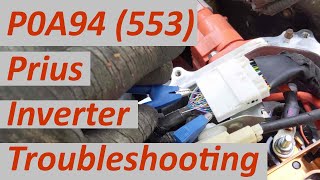
- P0A94 - DC/DC Converter Performance: This is the hallmark code for inverter failure, often pointing to an internal malfunction or overheating. 🎬 See this expert walkthrough on troubleshooting the P0A94 diagnostic code.
Other related codes that may indicate inverter or Intelligent Power Module (IPM) failure include P0A7A, P0A78, P324E, and P3004. It's crucial to get the specific sub-codes (information codes) as well, as they can help pinpoint the exact nature of the fault within the complex inverter assembly.
Known Issues, Recalls, and Warranty Extensions
The inverter and its related components have been the subject of numerous recalls and customer support programs due to known defects.
Inverter Coolant Pump Failure (Recall C0U / NHTSA 12V536000)
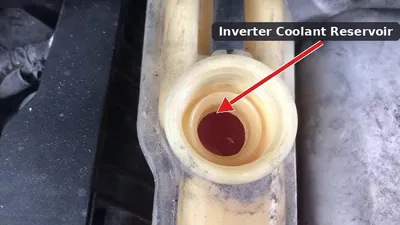
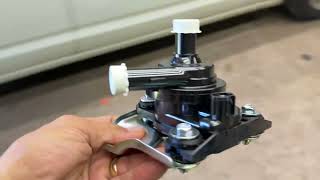
The most common cause of inverter overheating and subsequent failure is a faulty inverter coolant pump. This small electric pump is responsible for circulating coolant through the inverter assembly. A manufacturing defect could cause the pump's motor coil wire to break, stopping coolant circulation. This leads to the inverter overheating and shutting down. Toyota issued a safety recall to replace this pump free of charge on 2004-2009 Prius models. A key diagnostic step is to check for turbulence in the inverter coolant reservoir; if the coolant is still, the pump has likely failed.
Pro Tip: Before assuming the entire inverter has failed, always check the operation of the inverter coolant pump. A gurgling or buzzing sound from the pump area when the car is 'Ready' is a sign of impending failure. Replacing a $150 pump can prevent a $1,500+ inverter replacement.
🎬 Watch: How to identify the specific sounds of a failing pump.Intelligent Power Module (IPM) Failures
Inside the inverter is the Intelligent Power Module (IPM), which contains transistors that are susceptible to failure from thermal stress. This issue was so widespread on later generation models that it led to class-action lawsuits and extended warranty programs from Toyota. While the 2004-2009 models were not part of these specific programs, the failure pattern is similar: high-load driving can stress the transistors, leading to damage and eventual system shutdown. This highlights a known vulnerability in the part's design.
Buying a Used 2004-2009 Prius Inverter
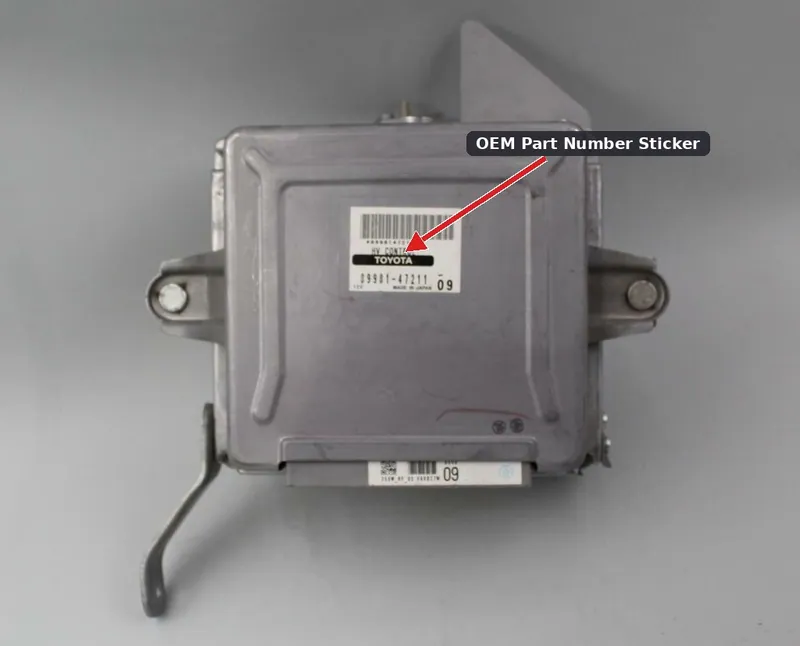
Due to the high cost of a new inverter from a dealer, a used or remanufactured unit is the most common repair strategy. However, there are significant risks to consider.
What to Check Before You Buy
- Verify Part Numbers: The primary part number for the 2004-2009 Prius inverter changes based on production date. Early models may use G9200-47100, while later models use G9200-47120 or G9200-47121. Always match the part number from your original unit or verify compatibility with the seller using the donor vehicle's VIN.
- Ask About the Donor Vehicle: Inquire about the mileage and accident history of the vehicle the inverter came from. An inverter from a low-mileage, side-impact collision is preferable to one from a high-mileage vehicle with an unknown history.
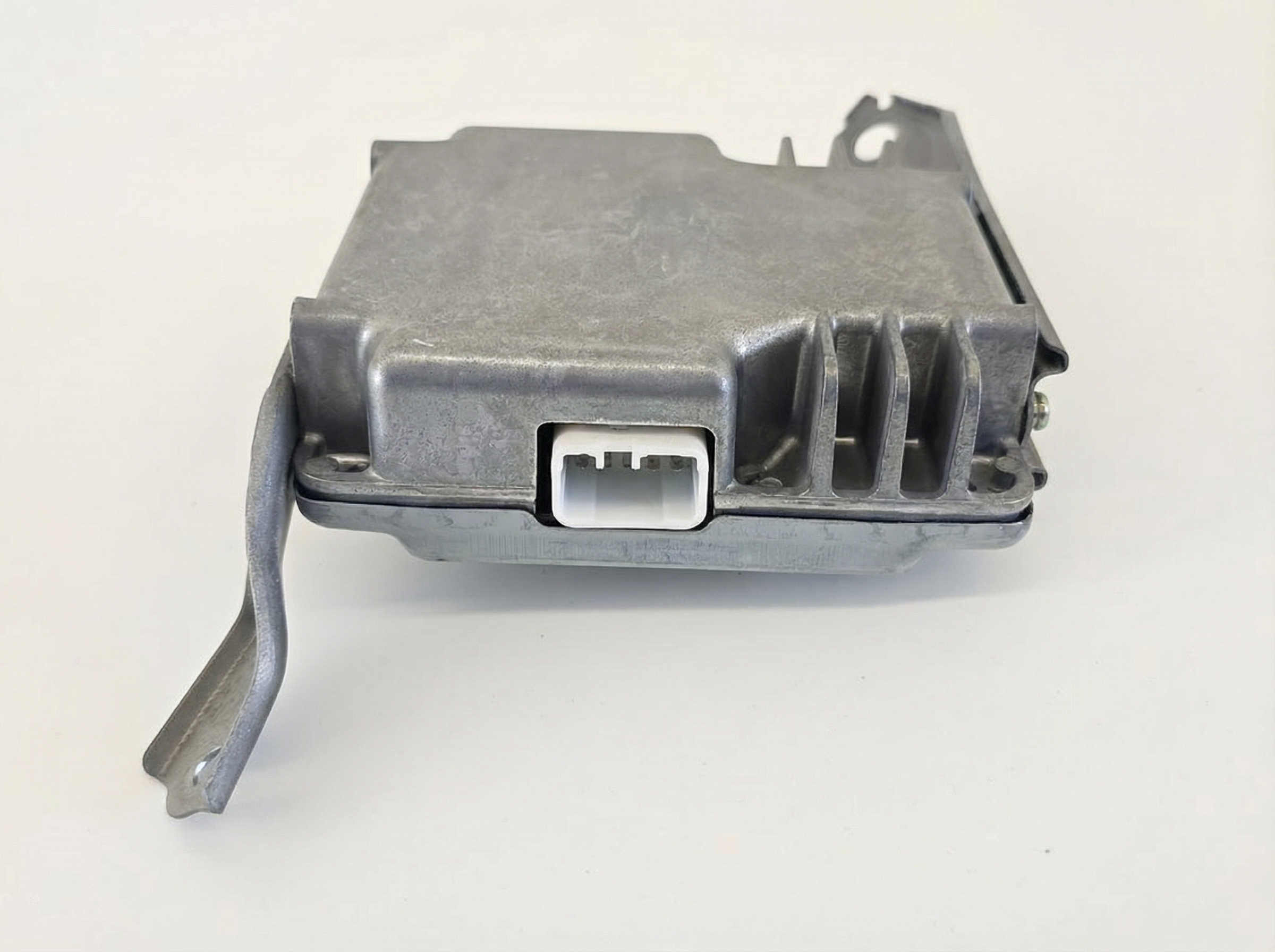
- Inspect for Physical Damage: Check the casing for cracks, corrosion, or signs of being opened. Pay close attention to the high-voltage connectors for any damage or arcing marks. A broken connector can render the part useless.
- Warranty and Return Policy: Only buy from sellers who offer a warranty and a clear return policy. Since there is no way to test an inverter without installing it, you need protection in case the part is dead on arrival.
Used OEM vs. Remanufactured
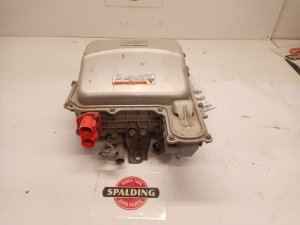
A used OEM inverter is a unit pulled directly from a salvage vehicle. It's the most affordable option but carries the highest risk, as it may have the same inherent flaws or be near the end of its life. A remanufactured inverter has been professionally disassembled, cleaned, tested, and had failed or known-to-fail components (like the IPM) replaced with new or upgraded parts. They are more expensive than used units but typically come with a longer warranty and offer greater peace of mind.
Warning: There is no reliable way to bench-test a Prius inverter. It must be installed in a vehicle to confirm its function. This makes the seller's warranty and your mechanic's willingness to install a customer-supplied part absolutely critical.
Cost to Replace a Prius Inverter
The cost can vary dramatically based on the part source and labor rates.
| Part Type | Estimated Part Cost | Estimated Labor Cost | Total Estimated Cost |
|---|---|---|---|
| New OEM (Dealer) | $4,000 - $5,500+ | $300 - $500 | $4,300 - $6,000+ |
| Remanufactured | $1,500 - $2,500 | $300 - $500 | $1,800 - $3,000 |
| Used OEM | $200 - $500 | $300 - $500 | $500 - $1,000 |
| Inverter Coolant Pump Only | $50 - $150 | $100 - $200 | $150 - $350 |
(Cost estimates are based on search results from 2024 and may vary.)
Replacement Overview
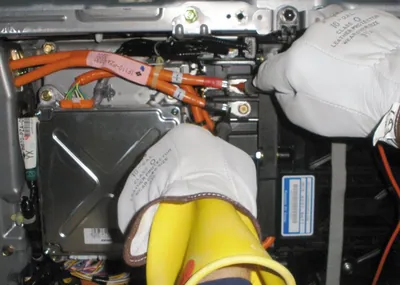
Replacing the inverter is a serious job that involves working with the high-voltage hybrid system. It is not recommended for beginners.
- Difficulty: 4 out of 5
- Procedure: The process involves disconnecting the 12V auxiliary battery and the high-voltage service plug, draining the dedicated inverter cooling system, removing air intake components for access, disconnecting multiple electrical connectors and high-voltage cables, unbolting the inverter assembly, and then reversing the process.
- Special Procedures: After installation, the inverter cooling system must be properly refilled and bled of all air to prevent the new inverter from immediately overheating. This is a critical step.
Warning: The hybrid system contains dangerously high voltages (up to 500V) that can cause serious injury or death. Only qualified technicians should attempt this repair. Always follow proper safety procedures, including using insulated gloves and disconnecting the high-voltage service plug.
Frequently Asked Questions
Can I drive my Prius with a bad inverter?
No. A failed inverter will typically prevent the car from entering 'Ready' mode or will cause it to stall, making it undrivable. If it enters a 'limp mode', it should only be driven a very short distance to a safe location off the road. Continued operation risks further damage.
Is a bad inverter the same as a bad hybrid battery?
No, they are separate components, though their failure symptoms can sometimes seem similar (warning lights, no-start condition). A bad inverter often throws code P0A94, while a failing hybrid battery typically shows code P0A80. A professional diagnosis is needed to tell the difference.
My mechanic wants over $4,000 to fix my Prius. Is it worth it?
Paying a dealer $4,000+ for a new inverter on a car that may only be worth $5,000 is often not economical. However, using a used or remanufactured part can bring the total repair cost down to the $1,000-$2,000 range, which can be a very cost-effective way to keep an otherwise reliable car on the road.
Will a used inverter from a 2007 fit my 2005 Prius?
Yes, likely. The inverters for the 2004-2009 model years are generally interchangeable, though there was a minor part number change around May 2007. It is always best to match part numbers, but cross-compatibility within the 2nd generation is high. The key is to ensure it's from a 2004-2009 Prius and not a different generation.
Helpful Videos
Technical Specifications
OEM Part Numbers: G9200-47100 G9200-47120 G9200-47121
Converts ~201V DC from the hybrid battery to a three-phase AC voltage up to 500V for the motor-generators. Also contains a DC-DC converter to step down voltage for the 12V auxiliary system.
We Have This Part in Stock

The information in this article is provided for general reference and educational purposes only. Vehicle specifications, procedures, and part compatibility can vary by production date, trim level, and region. Always consult your vehicle's factory service manual and verify part numbers before purchasing or performing repairs. Safety-critical components such as airbags, seat belts, and braking systems should be installed by a qualified professional.
- Toyota Prius:
- Lexus ES300:
- Lexus ES330:
- Lexus GS300:
- Lexus GS400:
- Lexus GS430:
- Lexus IS300:
- Lexus LS430:
- Lexus RX300:
- Lexus SC430:
- Lincoln Aviator:
- Lincoln LS:
- Lincoln Navigator:
- Lincoln Town Car:
- Mazda 6:
- Mazda RX-8:
- Toyota Avalon:
- Toyota Sienna:
- 🎬 Helpful Videos
- 🛍️ Shop This Part
- Symptoms of a Failing Prius Inverter
- Master Warning Light (Red Triangle of Death)
- Vehicle Stalls or Enters 'Limp Mode'
- Diagnostic Trouble Codes (DTCs)
- Known Issues, Recalls, and Warranty Extensions
- Inverter Coolant Pump Failure (Recall C0U / NHTSA 12V536000)
- Intelligent Power Module (IPM) Failures
- Buying a Used 2004-2009 Prius Inverter
- What to Check Before You Buy
- Used OEM vs. Remanufactured
- Cost to Replace a Prius Inverter
- Replacement Overview
- Frequently Asked Questions
- 🎟️ Get 5% Off