

2003-2014 Cadillac CTS Power Steering Pump: Decoding Noises and RWD vs. AWD Fitment
This guide covers the common failure symptoms, replacement costs, and critical compatibility differences for the hydraulic power steering pump in the 2003-2014 Cadillac CTS.
- The single most critical factor is compatibility: RWD and AWD models use completely different pumps that are not interchangeable.
- For the 2014 model year, this pump only fits the Coupe and Wagon, not the redesigned Sedan.
- The most common symptom of failure is a whining noise that gets louder when turning the steering wheel.
- After replacement, the system must be properly bled of air by turning the wheels lock-to-lock to prevent damage to the new pump.
Compatibility: Critical Warnings for Buyers
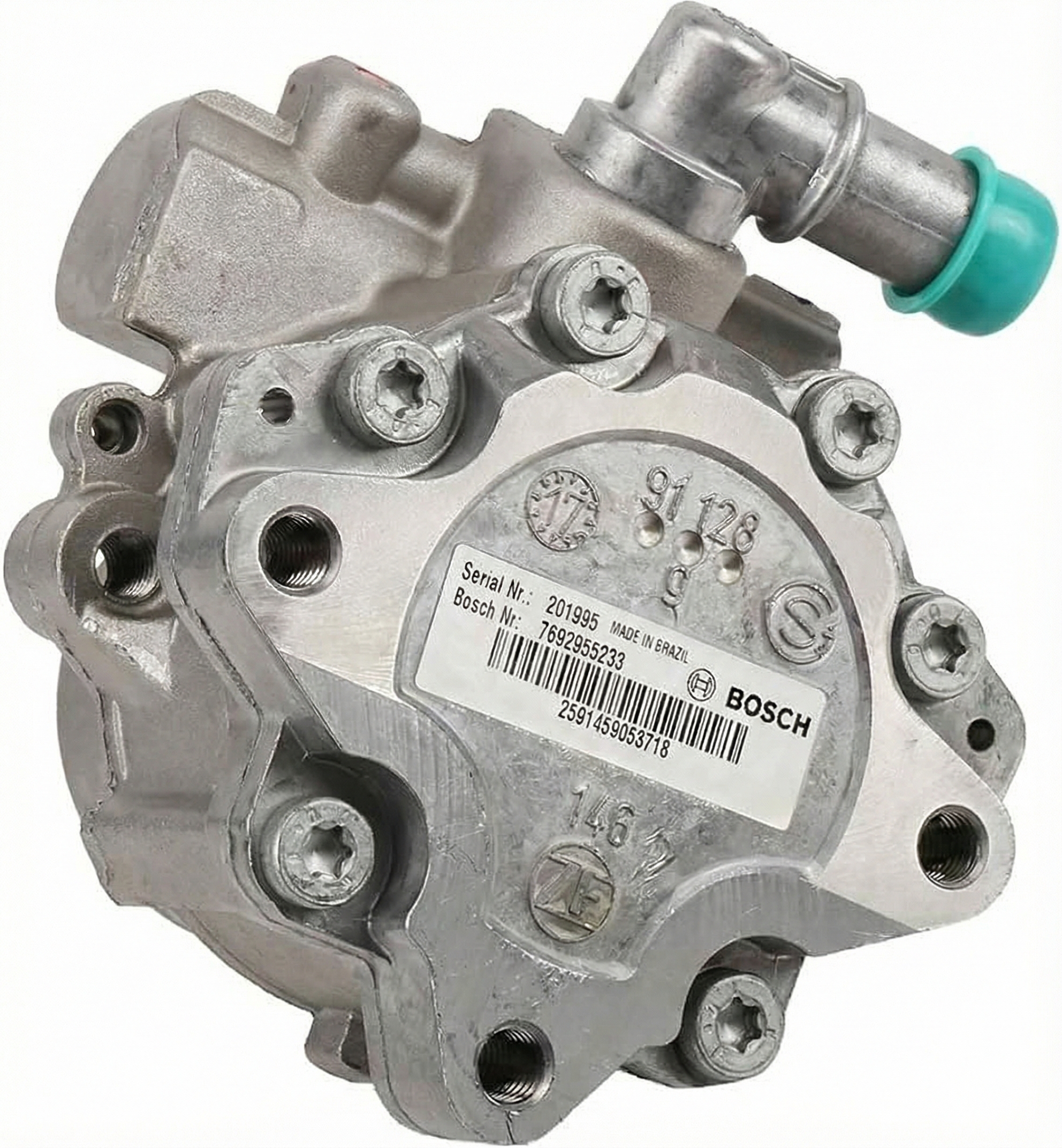
Warning: The most common purchasing error for this part is confusing the Rear-Wheel Drive (RWD) and All-Wheel Drive (AWD) versions. They are not interchangeable. This guide and the listed OEM part numbers primarily cover the RWD models. AWD models use a different pump with a distinct shape and mounting points.
Before purchasing, confirm your vehicle's drivetrain. If you have an AWD model, you will need a different power steering pump.
- 2003-2013 Cadillac CTS: Fits RWD models with 3.0L and 3.6L V6 engines.
- 2014 Cadillac CTS: For the 2014 model year, this pump only fits the older body style Coupe and Station Wagon models. It does NOT fit the redesigned 2014 CTS Sedan, which uses a different steering system.
Symptoms of a Failing Power Steering Pump
A failing power steering pump will almost always give you audible or physical warnings. Ignoring them can lead to a complete loss of steering assist, making the vehicle difficult to control.
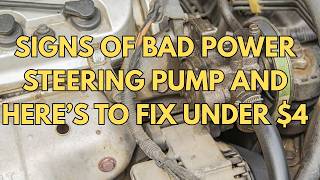
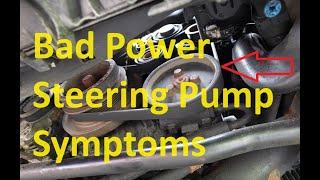
🎬 Watch: A visual guide to bad power steering pump symptoms1. Whining or Groaning Noises
This is the most common symptom. You'll hear a distinct whining or groaning sound that rises and falls with the engine's RPM. The noise will get noticeably louder when you turn the steering wheel, especially at low speeds like in a parking lot. This sound is caused by the pump struggling to move fluid, either due to low fluid levels from a leak or internal wear.
2. Stiff or Heavy Steering
If turning the steering wheel suddenly requires much more effort, the pump is likely not producing enough hydraulic pressure. This will be most apparent when the car is stopped or moving slowly. At highway speeds, the effort may feel closer to normal, but parking will feel like you're driving a vehicle with no power steering at all.
3. Squealing Noise on Startup
A loud squeal when you first start the car, especially on a cold morning, can point to a problem. This can be caused by the serpentine belt slipping on a pump pulley that is beginning to seize or has a worn bearing.
4. Fluid Leaks
Power steering fluid is typically clear with a reddish or light brown tint. If you see puddles of this fluid under the front of your car, check the pump and its connecting hoses immediately. The pump itself can leak from its main shaft seal (behind the pulley) or from the housing gaskets.
5. Metal Flakes in the Fluid
When checking the power steering fluid reservoir, look closely at the fluid on the dipstick. If you see shiny, metallic particles, it's a sign of severe internal wear. The pump is essentially grinding itself apart, and these metal fragments can contaminate and damage the entire steering system, including the expensive steering rack. If you see this, a simple pump replacement may not be enough; a full system flush is required.
🎬 See how to identify and fix common pump failuresKnown Issues, TSBs, and Recalls
For the 2003-2014 Cadillac CTS with hydraulic power steering, there are no major recalls or widespread, documented Technical Service Bulletins (TSBs) for the power steering pump itself. Failure is typically the result of normal wear and tear over time and mileage, or from fluid leaks that starve the pump of lubrication.
Note: Later generation Cadillac CTS models (2014+ Sedans) switched to an Electric Power Steering (EPS) system. Recalls related to EPS failure on newer models do NOT apply to the 2003-2014 hydraulic systems covered here.
Buying a Used Power Steering Pump: What to Look For
A used OEM power steering pump can be a reliable and cost-effective alternative to expensive new parts or lower-quality aftermarket options. Since these pumps don't have a high failure rate from manufacturing defects, a lower-mileage used unit is often a smart buy. Here's what to inspect:
- Check for Leaks: Thoroughly inspect the pump body, especially around the shaft seal behind where the pulley mounts and where the reservoir and lines connect. Look for any signs of old, caked-on fluid or fresh wetness.
- Spin the Shaft: If the pulley is removed, turn the central shaft by hand. It should spin smoothly with some resistance. If it feels gritty, makes noise, or has excessive side-to-side play, the internal bearings are worn.
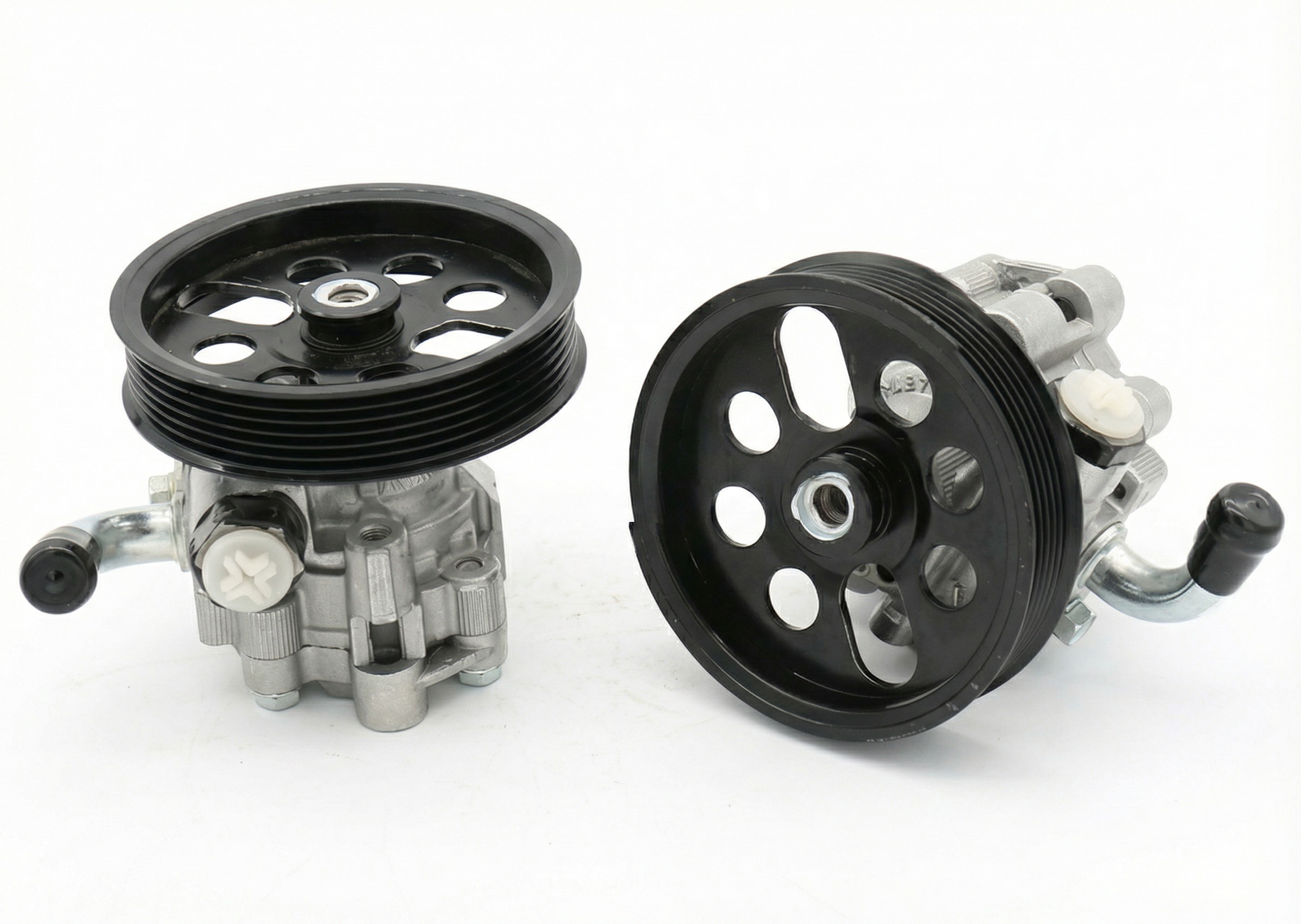
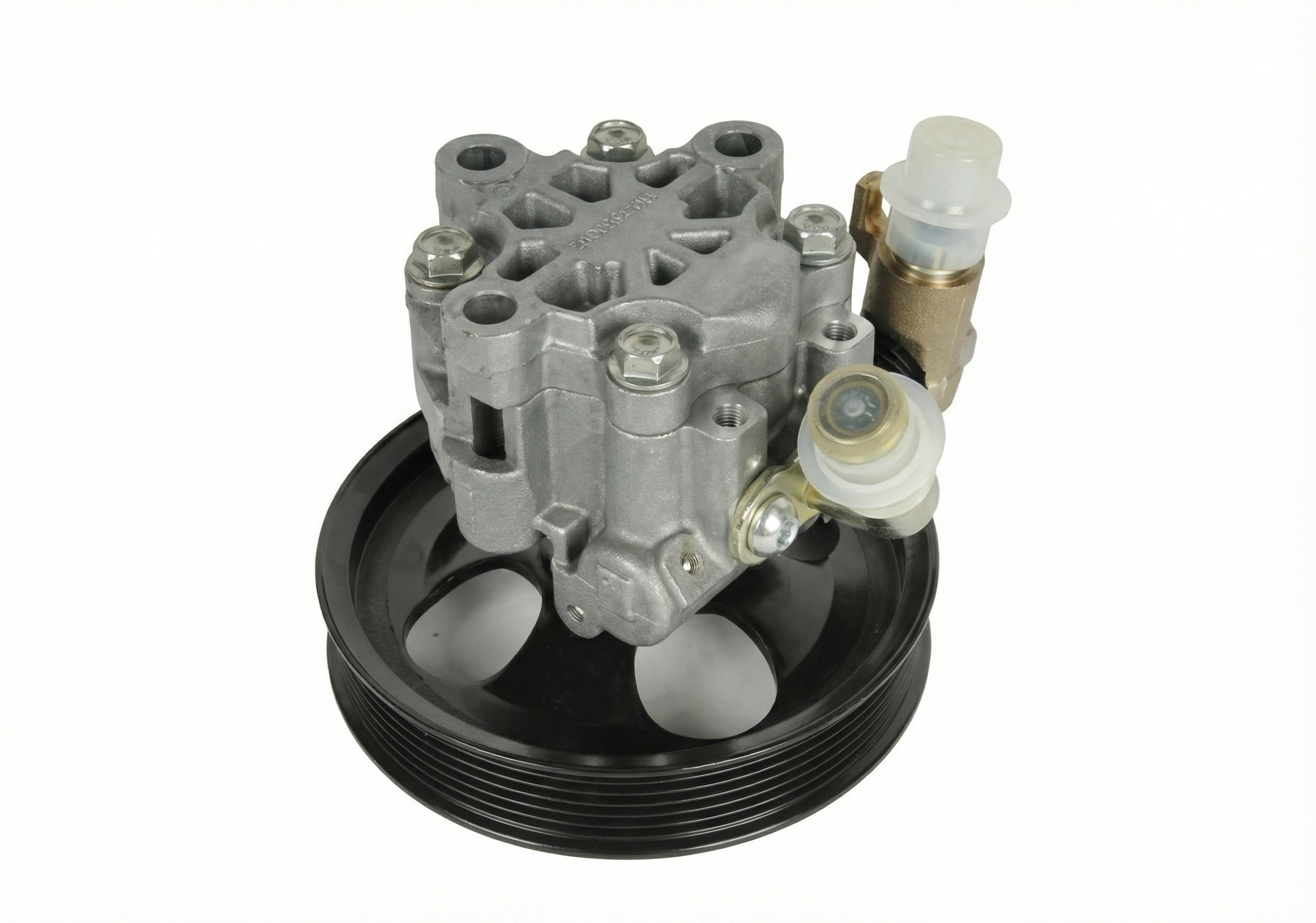
- Verify the Drivetrain: Double-check that the pump came from a vehicle with the same drivetrain as yours (RWD or AWD). Place your old pump next to the replacement to ensure the mounting holes and hose ports line up perfectly.
- Mileage History: Whenever possible, choose a pump from a vehicle with the lowest mileage. Pumps typically last over 100,000 miles, so a part from a 60,000-mile vehicle has plenty of life left.
Cost Comparison
The cost to replace a power steering pump can vary significantly based on the type of part you choose and whether you do the work yourself.
| Part Type | Estimated Cost |
|---|---|
| New OEM (Dealer) | $400 - $500+ (Many are discontinued) |
| New Aftermarket | $150 - $230 |
| Remanufactured | $110 - $215 |
| Used OEM | $45 - $110 |
| Shop Labor | $260 - $400 |
Replacement Overview & System Bleeding
Replacing the power steering pump is a moderately difficult job that a skilled DIY mechanic can perform. The key challenges are accessing the pump and properly removing/installing the press-fit pulley.
Special Tools Required: You will need a power steering pump pulley puller and installer kit. Using a standard jaw puller will likely damage the pulley. These tool kits can often be rented from auto parts stores.
Key Replacement Steps:
- Siphon the old power steering fluid out of the reservoir.
- Release the tension on the serpentine belt and remove it from the pump pulley.
- Use the special tool to remove the power steering pump pulley.
- Disconnect the high-pressure and low-pressure (return) lines from the pump. Be prepared for fluid spillage.
- Unbolt the pump from its mounting bracket and remove it.
- Install the new pump, reconnect the lines, and use the installer tool to press the pulley back onto the new pump shaft.
- Reinstall the serpentine belt.
- Fill the reservoir with fresh, correct-spec power steering fluid and bleed the system.
How to Bleed the Power Steering System
This is the most critical step. Trapped air will cause noise and damage the new pump.
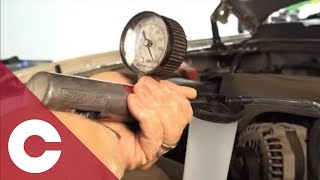
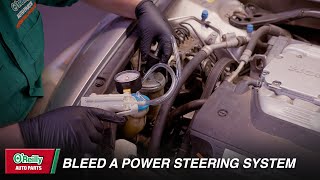
🎬 Watch: How to correctly fill and bleed your steering system- With the new pump installed, fill the reservoir to the 'COLD' mark.
- Raise the front wheels off the ground so they can turn freely.
- With the engine OFF, slowly turn the steering wheel from full lock to full lock 15-20 times. Check the fluid level and top it off if it has dropped. You may see bubbles in the reservoir; this is normal.
- Once the fluid level is stable with the engine off, start the engine.
- With the engine ON, slowly turn the wheel lock-to-lock again several times. The pump may be noisy at first, but it should quiet down as the air is purged.
- Turn off the engine, check the fluid level one last time, and top off as needed. Lower the vehicle.
Frequently Asked Questions (FAQ)
Do I need a different pump for my AWD Cadillac CTS?
Yes, absolutely. The power steering pumps for Rear-Wheel Drive (RWD) and All-Wheel Drive (AWD) models are different and are not interchangeable. You must purchase the correct pump for your specific drivetrain.
What type of power steering fluid should I use?
For the 2003-2014 CTS, you should use a standard, high-quality power steering fluid. ACDelco is the OEM supplier, but any fluid that meets GM specifications is acceptable. Do not use automatic transmission fluid (ATF) unless specifically stated as compatible on the bottle.
Can I replace the power steering pump myself?
This is a feasible DIY job for someone with mechanical experience. However, it requires a special power steering pulley puller/installer tool. If you are not comfortable with this tool or with working on belt-driven engine accessories, it is best to leave this job to a professional.
Is it safe to drive with a whining power steering pump?
It is not recommended. A whining pump is a sign of a problem, usually low fluid or imminent failure. If the pump fails completely while driving, you will experience a sudden and dramatic increase in the effort required to steer, which can be dangerous.
Helpful Videos
Technical Specifications
OEM Part Numbers: 21997861 21997867 25683323 25683329 25756609 25767200 25770107 25914590
Pulley Attachment Type: Press-on. This guide covers the hydraulic pump for RWD models.
We Have This Part in Stock

The information in this article is provided for general reference and educational purposes only. Vehicle specifications, procedures, and part compatibility can vary by production date, trim level, and region. Always consult your vehicle's factory service manual and verify part numbers before purchasing or performing repairs. Safety-critical components such as airbags, seat belts, and braking systems should be installed by a qualified professional.
- Cadillac CTS:
- 🎬 Helpful Videos
- 🛍️ Shop This Part
- Compatibility: Critical Warnings for Buyers
- Symptoms of a Failing Power Steering Pump
- 1. Whining or Groaning Noises
- 2. Stiff or Heavy Steering
- 3. Squealing Noise on Startup
- 4. Fluid Leaks
- 5. Metal Flakes in the Fluid
- Known Issues, TSBs, and Recalls
- Buying a Used Power Steering Pump: What to Look For
- Cost Comparison
- Replacement Overview & System Bleeding
- Key Replacement Steps:
- How to Bleed the Power Steering System
- Frequently Asked Questions (FAQ)
- 🎟️ Get 5% Off