

2008 Chrysler Aspen Power Steering Pump: Diagnosing Whines, Leaks, and Pulley Problems
This guide covers the common failure symptoms of the 2008 Chrysler Aspen power steering pump, with a focus on fluid types, replacement costs, and the critical pulley issue.
- The 2008 Aspen requires ATF+4 transmission fluid for its power steering system, not standard power steering fluid.
- Replacement pumps, whether new or used, typically do not include the pulley. You must transfer the old one with a special puller/installer tool or buy a new pulley.
- The most common failure symptom is a whining noise that gets louder when you turn the wheel or rev the engine.
- After replacing the pump, you must bleed all air from the system by turning the wheels lock-to-lock to prevent noise and damage to the new pump.
Symptoms of a Failing Power Steering Pump
A bad power steering pump on a 2008 Chrysler Aspen will usually provide clear warning signs. Paying attention to these symptoms can help you diagnose the problem before it leads to a complete loss of steering assist.
Whining or Groaning Noises
The most common symptom of a failing power steering pump is a distinct whining or groaning noise that changes with engine speed. You will likely hear the noise as soon as you start the car, and it will get louder as you turn the steering wheel or increase the engine's RPM. This sound is often caused by low fluid levels, air trapped in the system, or internal wear causing metal components to rub.
Stiff or Heavy Steering
If the pump is failing, it cannot generate enough hydraulic pressure to assist in steering. This results in a steering wheel that feels very heavy and difficult to turn, especially at low speeds or when parking. In some cases, the power assist may feel intermittent, working one moment and failing the next. A complete loss of power steering can also occur if the engine stalls for any reason.
Leaking Power Steering Fluid
Puddles or drips of a reddish or pinkish fluid under the front of your vehicle are a strong indicator of a power steering leak. The pump itself can develop leaks from cracks in its housing or from worn-out internal seals. You should also inspect the power steering hoses and the steering rack for any signs of wetness. Low fluid is a primary cause of pump failure, so any leak should be addressed immediately.
Contaminated Fluid
Healthy power steering fluid should be a clear red color (ATF+4). If you check the reservoir and the fluid appears dark, murky, or foamy, it's a sign of a problem. Foamy fluid indicates that air is getting into the system, possibly through a bad seal on the pump. Dark fluid with shiny metal flakes in it is a critical symptom of severe internal pump damage, where the pump is grinding itself apart. If metal particles are present, the entire system, including the lines and cooler, must be flushed thoroughly when the pump is replaced to avoid damaging the new components.
Known Issues and Recalls
As of early 2026, there are no specific recalls or widespread Technical Service Bulletins (TSBs) from Chrysler or the NHTSA that target the power steering pump on the 2008 Chrysler Aspen. The most prominent recall for this vehicle involves the passenger-side airbag inflator.
Fluid Type is Critical: The most significant known issue is the use of incorrect power steering fluid. The 2008 Chrysler Aspen requires Mopar ATF+4 Automatic Transmission Fluid, not generic power steering fluid. Using the wrong fluid can lead to whining noises, seal deterioration, and premature pump failure. Any brand of fluid that is officially licensed as ATF+4 is acceptable.
Buying a Used 2008 Chrysler Aspen Power Steering Pump
A used OEM power steering pump can be a reliable and cost-effective alternative to expensive new parts. However, there are critical details to be aware of for this specific part.
What to Inspect
- Housing: Carefully inspect the aluminum pump body for any cracks, especially around the mounting bolt holes and hose ports.
- Ports and Threads: Ensure the threads on the high-pressure line port are clean and not stripped.
- Shaft: Check the pump shaft for any play or roughness when turned by hand. It should spin smoothly.
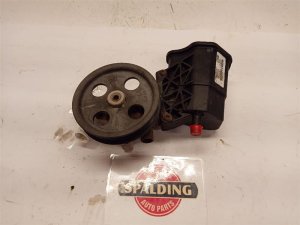
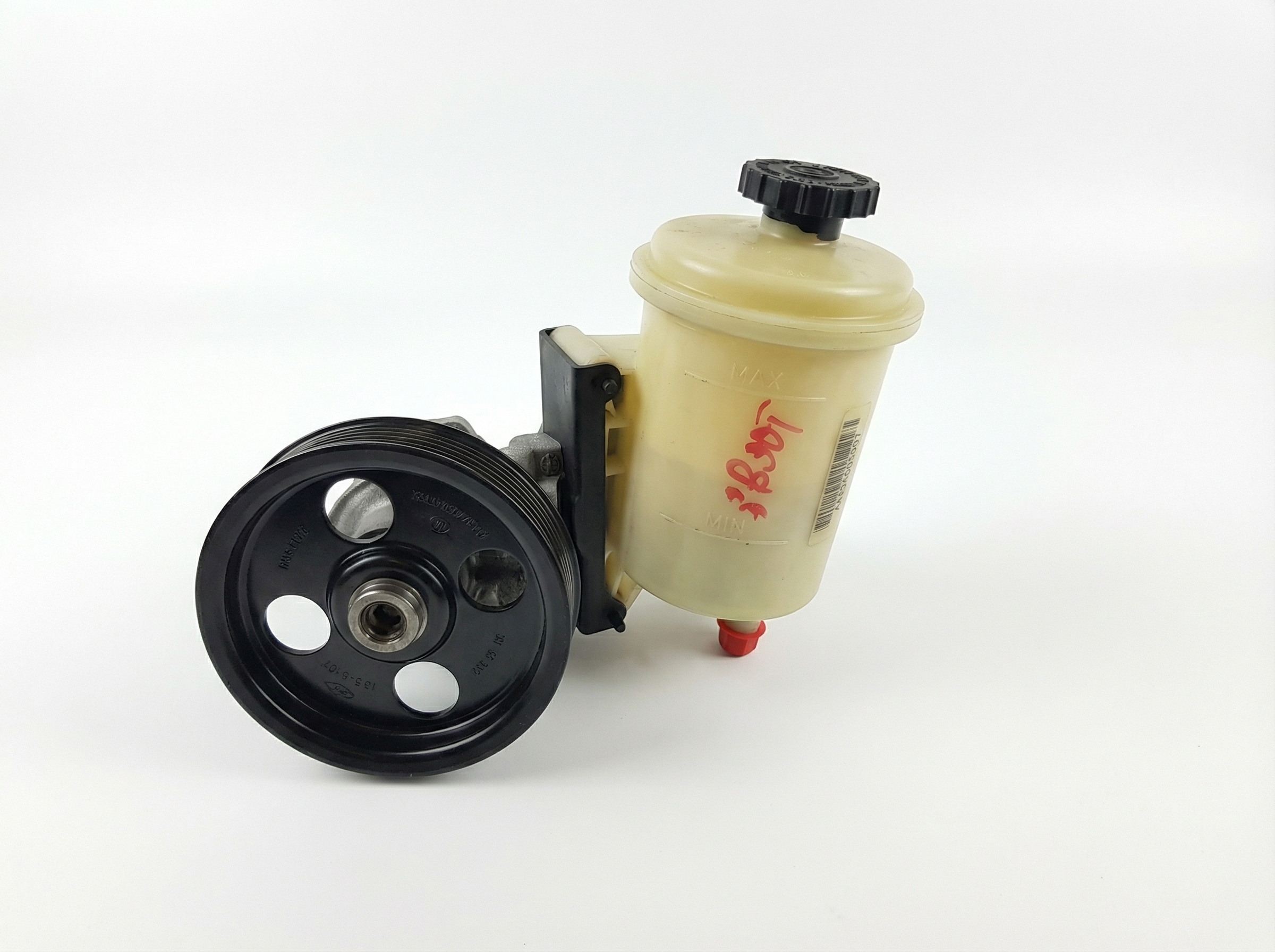
- Reservoir: Most pumps for the Aspen come with the fluid reservoir attached. Check it for cracks or damage.
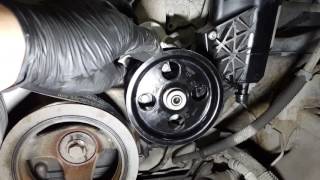
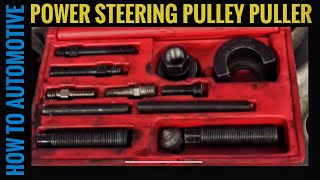
Warning: The Pulley is Not Included. The most important thing to know when buying a used or even a new aftermarket pump for the 2008 Aspen is that it will almost certainly be sold without the pulley. The original pulley is often damaged during removal or simply not included. You will need to either transfer the pulley from your old pump or purchase a new one separately. Transferring the pulley requires a special power steering pump pulley puller/installer tool, which can be rented from most auto parts stores or purchased. Do not attempt to hammer the pulley on or off, as this will destroy the pump.
🎬 See how to use the pulley puller and installer tool correctly.Mileage and Compatibility
Power steering pumps can last over 100,000 miles, but failures can occur at any time, especially if the fluid has been neglected. When buying used, look for a pump from a vehicle with the lowest verifiable mileage possible. The pump for the 5.7L Hemi V8 in the Aspen is also shared with the 2005-2008 Dodge Durango with the same engine, which can broaden your search options.
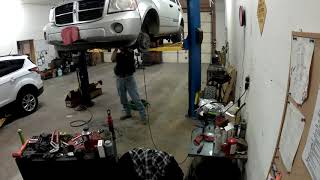
🎬 Watch this full power steering system replacement on a Durango.Replacement Overview
Replacing the power steering pump on a 2008 Aspen is a moderately difficult job that a skilled DIYer can perform with the right tools.
- Difficulty: 3 out of 5
- Estimated Time: 2-3 hours
- Special Tools: Serpentine belt tool, power steering pulley puller/installer tool, line wrenches.
Key Steps
- Drain as much fluid as possible from the reservoir.
- Use a serpentine belt tool to release tension on the belt and slip it off the power steering pump pulley.
- There are three mounting bolts that hold the pump to its bracket. These are typically accessed through the holes in the pulley. A 13mm socket is often used for these bolts.
- Once unbolted, carefully lower the pump to get better access to the high-pressure and low-pressure fluid lines on the back. Disconnect them and be prepared for more fluid to spill.
- If your replacement pump does not have a pulley, use the specific puller tool to remove the pulley from the old pump and the installer tool to press it onto the new pump.
- Install the new pump by reversing the steps.
- Fill the reservoir with new, clean ATF+4 fluid.
- Bleed the System: This is a crucial final step. With the engine OFF, turn the steering wheel from lock to lock (all the way left to all the way right) several times to work air out of the steering rack. Check the fluid level and top off as needed. Then, start the engine and repeat the lock-to-lock turning to purge any remaining air. The pump may be noisy until all air is bled out. 🎬 Follow this guide to properly fill and bleed your steering system.
Torque Specifications
While specific factory torque values should always be referenced from a service manual, typical torque specs for similar Chrysler/Dodge power steering pumps are in the range of 18-35 ft-lbs for the main mounting bolts and around 35 ft-lbs for the high-pressure line's banjo bolt. Do not overtighten these fittings.
Cost Comparison
Prices for a 2008 Chrysler Aspen power steering pump can vary significantly based on the source.
| Part Type | Estimated Price Range |
|---|---|
| New OEM (Mopar) | $275 - $400 (+ core charge) |
| New Aftermarket | $65 - $150 |
| Remanufactured | $70 - $160 |
| Used OEM | $50 - $120 |
| New Pulley (Aftermarket) | $25 - $45 |
| Shop Labor Cost | $170 - $250 |
Frequently Asked Questions (FAQ)
What kind of power steering fluid does a 2008 Chrysler Aspen use?
It requires Mopar ATF+4 Automatic Transmission Fluid or any other brand of ATF+4 licensed fluid. Do not use generic power steering fluid, as it can cause noise and damage to the system.
Can I reuse my old power steering pump pulley?
Yes, provided it is not cracked or damaged. Most replacement pumps do not come with a pulley, so you will likely need to transfer your old one. This requires a special pulley puller and installer tool to do it without damaging the pump or pulley.
Do I need to bleed the system after replacing the pump?
Yes, bleeding the air out of the system is absolutely essential. Failure to do so will cause loud whining noises, inconsistent steering assist, and can quickly damage the new pump due to fluid starvation.
Is it safe to drive with a failing power steering pump?
It is not recommended. While the vehicle can be steered without power assist, it will require a very large amount of physical effort, especially at low speeds. This can make it difficult to react in an emergency, posing a significant safety risk.
Helpful Videos

Technical Specifications
OEM Part Numbers: 52013976AB 52013976AD 52013976AC 52113240AB 52113240AC 52113240AE 52113240AF 52113240AG 52113240AH
Fluid Type: Mopar ATF+4 Automatic Transmission Fluid. Pulley Grooves: 7.
We Have This Part in Stock

The information in this article is provided for general reference and educational purposes only. Vehicle specifications, procedures, and part compatibility can vary by production date, trim level, and region. Always consult your vehicle's factory service manual and verify part numbers before purchasing or performing repairs. Safety-critical components such as airbags, seat belts, and braking systems should be installed by a qualified professional.
- Chrysler Aspen:
- 🎬 Helpful Videos
- 🛍️ Shop This Part
- Symptoms of a Failing Power Steering Pump
- Whining or Groaning Noises
- Stiff or Heavy Steering
- Leaking Power Steering Fluid
- Contaminated Fluid
- Known Issues and Recalls
- Buying a Used 2008 Chrysler Aspen Power Steering Pump
- What to Inspect
- Mileage and Compatibility
- Replacement Overview
- Key Steps
- Torque Specifications
- Cost Comparison
- Frequently Asked Questions (FAQ)
- 🎟️ Get 5% Off