

2013-2014 Hyundai Genesis Coupe Power Steering Pump: Fixing the Whine and When to Replace
This guide covers the common whining noise, failure symptoms, part numbers, and replacement costs for the 2013-2014 Genesis Coupe power steering pump.
- A whining noise does not automatically mean the pump is bad; it is often caused by a clogged filter in the power steering reservoir.
- The 2.0T and 3.8L V6 engines use different power steering pumps; verify the correct OEM part number before buying (2.0T: 57100-2M200, 3.8L: 57100-2M100).
- You MUST use a specific fluid that meets the Pentosin CHF 202 specification; using standard power steering fluid will cause damage.
- A used OEM pump is often a better choice than a cheap new aftermarket pump due to higher build quality and reliability.
Engine-Specific Part Numbers
The 2013-2014 Hyundai Genesis Coupe uses two different power steering pumps depending on the engine. Using the wrong pump will result in fitment issues. Always verify the correct part for your specific engine before ordering.
| Engine | OEM Part Number |
|---|---|
| 2.0L Turbo (2.0T) | 57100-2M200 |
| 3.8L V6 | 57100-2M100 (may be superseded by 57100-2M400) |
Symptoms of a Failing Power Steering Pump
A failing power steering pump will give clear audible and physical warnings. Ignoring them can lead to a complete loss of power assist, making the vehicle very difficult to steer at low speeds.
- Whining or Groaning Noise: This is the most common symptom. The noise is often described as a whine, groan, or moan that gets louder when you turn the steering wheel. It may also be present at idle and increase with engine RPM.
- Stiff or Heavy Steering: The steering wheel becomes difficult to turn, especially during parking or other low-speed maneuvers. This happens because the pump is no longer providing enough hydraulic pressure to assist.
- Slow or Delayed Steering Response: You may notice a lag between when you turn the wheel and when the car responds. The power assist might feel like it's kicking in late.
- Vibrations in the Steering Wheel: A failing pump can cause inconsistent fluid flow, leading to a shaking or vibrating feeling in the steering wheel, particularly at idle or low speeds.
- Foamy or Discolored Fluid: If you check the power steering reservoir and the fluid appears foamy, bubbly, or dark and murky, it's a sign of a problem. Foaming indicates air is getting into the system, and a dark color suggests contamination or fluid breakdown.
Pro Tip: Before you replace the pump, check the reservoir! A very common issue on the Genesis Coupe is a loud power steering whine caused by a clogged filter screen inside the power steering fluid reservoir. This blockage starves the pump of fluid, causing it to suck in air (aeration) and whine loudly. Many owners have fixed the noise simply by cleaning the reservoir screen or replacing the reservoir and flushing the fluid, saving hundreds of dollars on an unnecessary pump replacement.
🎬 Watch: How to fix a loud pump by flushing the system.Known Issues, Recalls, and TSBs
As of early 2026, there are no active recalls or widespread Technical Service Bulletins (TSBs) from Hyundai for the hydraulic power steering pump on the 2013-2014 Genesis Coupe in the North American market. While other Hyundai models have had recalls for *electric* power steering systems, this does not apply to the hydraulic system used in the Genesis Coupe.
Buying a Used Power Steering Pump
A used OEM power steering pump can be a reliable and cost-effective alternative to an expensive new unit, especially when compared to cheap, low-quality aftermarket options. Since these pumps are generally durable, a low-mileage used unit is a smart buy. Here’s what to look for:
- Verify the Part Number: This is the most critical step. Ensure the part number matches your engine (57100-2M200 for 2.0T, 57100-2M100 for 3.8L). Ask the seller for a clear photo of the part number sticker if it's not visible in the listing.
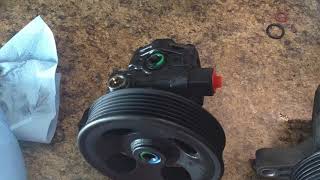
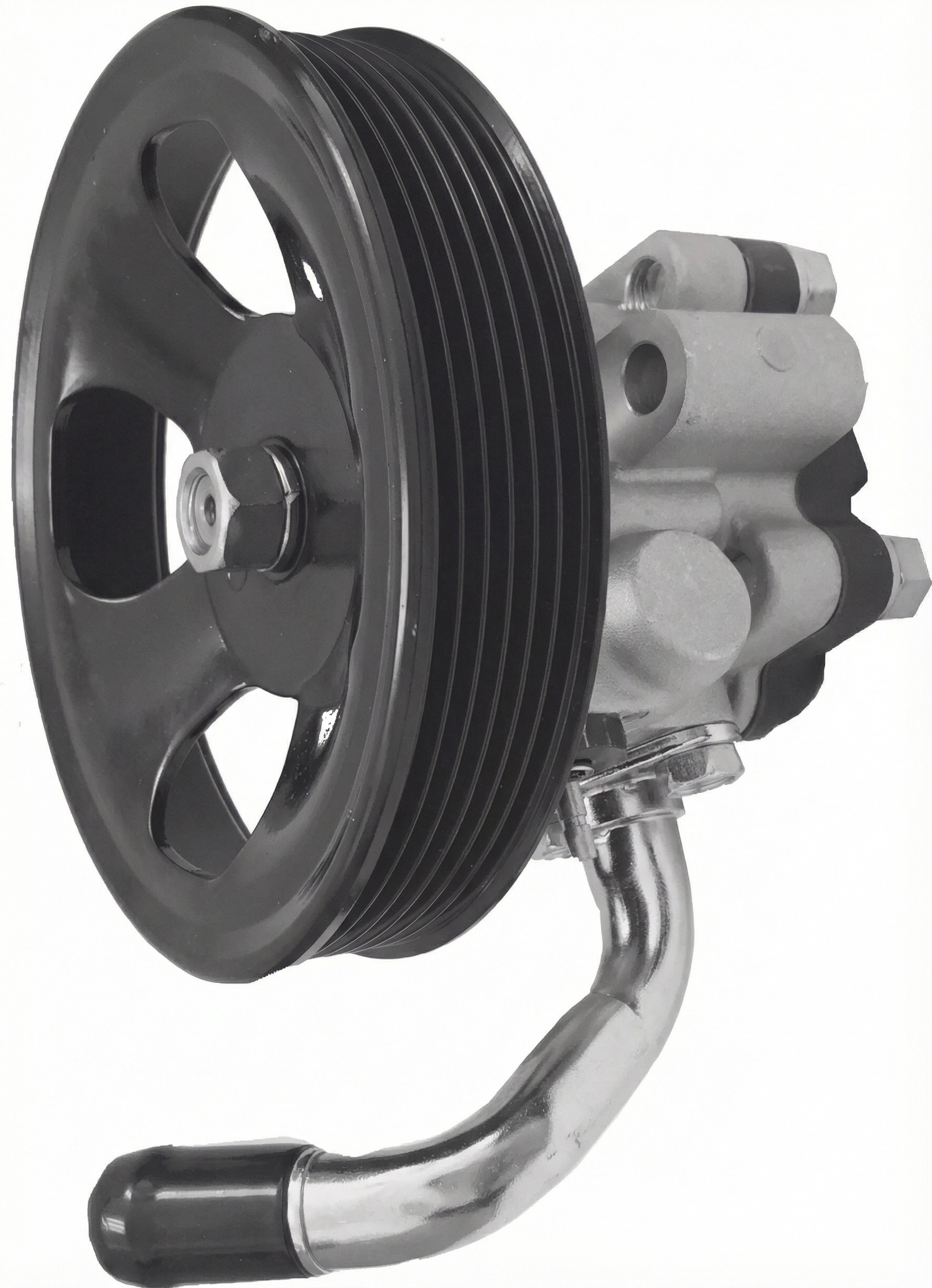
- Inspect the Pulley: Check the pulley for any cracks, deep grooves, or wobbling. It should spin freely and smoothly by hand with no grinding or roughness. While you can often swap your old pulley onto the replacement pump, starting with a good one is better.
- Check for Leaks: Examine the pump body, especially around the shaft seal (behind the pulley) and where the hoses connect. Any signs of old, caked-on fluid or fresh wetness indicate a potential leak.
- Examine the Hose Ports: Look at the threaded ports where the high and low-pressure hoses attach. The threads should be clean and undamaged to ensure a proper seal.
- Mileage and Vehicle History: Opt for a pump from a lower-mileage vehicle if possible (under 100,000 miles is ideal). A part from a vehicle that was not in a major front-end collision is preferable.
- Why Used OEM is a Good Choice: The original Hyundai pumps are built to a high standard. Many aftermarket pumps, especially budget-priced ones, are known to fail prematurely or be noisy right out of the box. A used OEM pump has already proven its manufacturing quality.
Cost Comparison
The cost to replace a Genesis Coupe power steering pump can vary significantly based on the part source and whether you do the work yourself.
| Part/Service | Estimated Cost |
|---|---|
| New OEM (Dealer) | $630 - $925 |
| Remanufactured | $250 - $350 |
| Used OEM | $75 - $200 |
| New Aftermarket | $60 - $150 |
| Shop Labor | $150 - $300 (includes flush & bleed) |
Replacement Overview & Fluid
Replacing the pump is manageable for an experienced DIY mechanic. The process generally takes 2-4 hours.
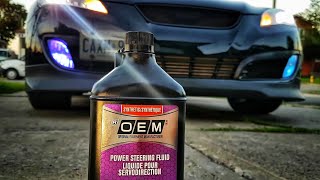
🎬 See this step-by-step 2.0T power steering pump replacement walkthrough.Important: The 2013-2014 Genesis Coupe requires a specific type of fluid. Do NOT use generic power steering fluid or Automatic Transmission Fluid (ATF). You must use a fluid that meets the Pentosin CHF 202 specification. Using the wrong fluid can damage the pump and other steering components.
Key Replacement Steps:
- Drain the Fluid: The easiest way is to place a drain pan under the front of the car and disconnect the return line from the power steering cooler. Turning the steering wheel lock-to-lock (with the engine off) will help push more old fluid out.
- Remove Serpentine Belt: Use a 17mm wrench or breaker bar on the belt tensioner to release tension and slip the belt off the power steering pump pulley.
- Disconnect Hoses & Sensor: Disconnect the high-pressure and low-pressure lines from the pump. Be prepared for more fluid to spill. Unplug the electrical connector for the pressure sensor.
- Unbolt the Pump: The pump is typically held on by two 12mm bolts. Access can be tight.
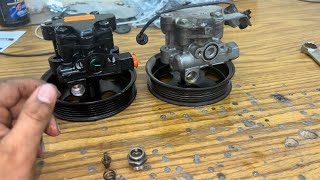
- Swap Components: You will likely need to transfer the power steering pressure sensor (a 19mm sensor) from your old pump to the new one. You may also need to swap the pulley.
- Installation & Torque: Installation is the reverse of removal. The high-pressure line fitting (banjo bolt) is the most critical to torque correctly to prevent leaks. The specification is 55 - 65 N.m (40 - 47 lb-ft).
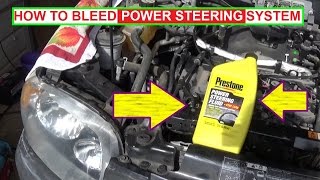
- Bleed the System: This is a crucial final step. Fill the reservoir with fresh CHF 202 fluid. With the front wheels off the ground and the engine OFF, turn the steering wheel slowly from lock to lock about 20 times. Check and top off the fluid. Then, start the engine for a few seconds, shut it off, and re-check the level. Repeat until the fluid level is stable and no more bubbles appear in the reservoir. It may take significant time to work all the air out. 🎬 Watch: How to bleed your power steering system the right way.
Frequently Asked Questions (FAQ)
Is it safe to drive with a whining power steering pump?
You can drive with a whining pump, but it's a warning sign. If the noise is due to low fluid, you risk burning out the pump completely. If the pump fails, you will lose all power assist, making the car very difficult to steer, which is a safety hazard. It's best to diagnose and fix the issue promptly.
Do I have to replace the pump if it's whining?
Not necessarily. On the Genesis Coupe, a common cause of whining is a clogged filter in the power steering reservoir. Before replacing the pump, try cleaning the reservoir and flushing the system with the correct CHF 202 fluid. This is a much cheaper fix that often solves the problem.
What fluid should I use in my 2013-2014 Genesis Coupe?
You must use a synthetic hydraulic fluid that meets the Pentosin CHF 202 specification. This is often sold as 'European Power Steering Fluid'. Do not use standard American power steering fluid or ATF, as it can cause damage to the system.
Is rebuilding the power steering pump an option?
Rebuild kits are not commonly available for these specific pumps, and it is not a common practice. The standard repair options are to replace the unit with a new OEM, remanufactured, or used OEM part. Given the reasonable cost of remanufactured and used units, replacement is the more practical choice.
Helpful Videos
Technical Specifications
OEM Part Numbers: 57100-2M200 (2.0L) 57100-2M100 (3.8L) 57100-2M400 (3.8L)
Required Fluid: Pentosin CHF 202 specification. High-Pressure Line Torque: 55-65 N.m (40-47 lb-ft).
We Have This Part in Stock

The information in this article is provided for general reference and educational purposes only. Vehicle specifications, procedures, and part compatibility can vary by production date, trim level, and region. Always consult your vehicle's factory service manual and verify part numbers before purchasing or performing repairs. Safety-critical components such as airbags, seat belts, and braking systems should be installed by a qualified professional.
- Hyundai Genesis Coupe: