

2001-2009 Hyundai Santa Fe Power Steering Pump: A Guide to Whines, Leaks, and Replacement
This guide covers the common failure points, symptoms, and replacement nuances for the power steering pump across two generations of the Hyundai Santa Fe.
- Compatibility is critical: The pump must match your Santa Fe's generation (2001-2006 vs. 2007-2009) AND specific engine (2.4L, 2.7L, 3.3L, or 3.5L).
- A whining noise doesn't always mean a bad pump. Check the fluid level and inspect the reservoir's internal filter screen for clogs first, as noted in a Hyundai TSB.
- Properly bleeding the air out of the system after installation is mandatory. Skipping this step will cause a loud whine and can quickly destroy the new pump.
- Consider replacing the serpentine belt and power steering hoses at the same time, as they are common wear items that are already accessible during the job.
Vehicle Fitment & Generation Differences: 2001-2009

The 2001-2009 Hyundai Santa Fe spans two distinct generations, each with different engine options and corresponding power steering pumps. It is critical to correctly identify your vehicle's generation and engine before purchasing a replacement part.
Warning: Part numbers and designs are specific to engine and year. Using a pump from a different engine or generation will not work. Always verify compatibility with your specific vehicle.
First Generation (SM): 2001-2006
The first-generation Santa Fe had three primary engine options in the North American market. Power steering pumps are generally specific to the engine size.
- 2.4L 4-Cylinder: Used a specific pump for this smaller engine.
- 2.7L V6: This was a very common engine, and its pump is one of the most frequently replaced.
- 3.5L V6 (2003-2006): This larger V6 used a different pump to meet its power steering demands.
Second Generation (CM): 2007-2009
The second-generation Santa Fe featured a completely new body style and updated engine choices. These models use different pumps than the first generation.
- 2.7L V6: While the displacement is the same as the previous generation, the pump is a different design.
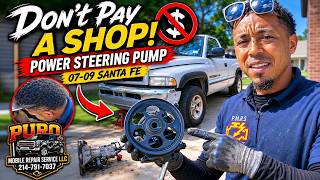
- 3.3L V6: This engine uses a unique power steering pump not shared with the 2.7L V6. 🎬 Watch this step-by-step 2007 Santa Fe pump replacement walkthrough.
Symptoms of a Failing Power Steering Pump


Power steering pump failure is often gradual, giving you several warning signs before a complete breakdown.
1. Whining or Groaning Noises
🎬 Listen to an example of bad power steering pump noise.This is the most common symptom. You'll hear a whining or groaning sound that gets louder when you turn the steering wheel and may change pitch with engine RPM. This is often caused by low fluid levels, air bubbles in the system (cavitation), or internal wear. A Hyundai service bulletin notes that a clogged filter screen in the power steering reservoir can also cause a whining noise by aerating the fluid.
2. Stiff or Heavy Steering
If the pump isn't generating enough pressure, the steering will feel heavy and difficult to turn, especially at low speeds or when parking. This indicates a significant loss of hydraulic assistance.
3. Fluid Leaks
Visible leaks of reddish or brownish fluid under the front of the vehicle are a clear sign of a problem. Inspect the pump body, the shaft seal behind the pulley, and the hose connections for wetness or active drips. A leaking pump can drip fluid onto the serpentine belt, causing it to slip or degrade prematurely.
4. Metal Flakes in the Fluid
When checking the power steering fluid, look for a glittery or metallic sheen. This indicates that metal components inside the pump are grinding against each other and shedding particles into the fluid. This is a sign of severe internal failure, and the pump should be replaced immediately.
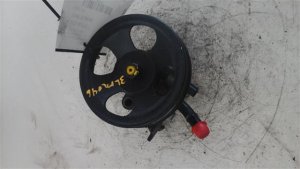
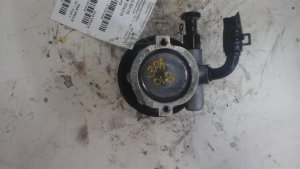
Buying a Used Power Steering Pump
A recycled OEM power steering pump can be a reliable and cost-effective alternative to a new or remanufactured unit. Here’s what to look for:
- Verify Compatibility: This is the most important step. Double-check that the pump came from a Santa Fe of the same generation (2001-2006 or 2007-2009) and, most importantly, with the exact same engine (2.4L, 2.7L, 3.3L, or 3.5L).
- Physical Inspection:
- Housing: Check the cast iron or aluminum body for any cracks, especially around the mounting points and hose ports.
- Pulley: Spin the pulley by hand. It should turn smoothly with minimal resistance and no grinding sounds or side-to-side wobble. Check the pulley for cracks or significant chips.
- Hose Ports: Inspect the threaded ports for the high-pressure line and the nipple for the return hose. Ensure the threads are clean and not stripped or cross-threaded.
- Shaft Seal: Look for any signs of fluid leakage from behind the pulley. A wet, grimy area here indicates a failed shaft seal.
- Mileage and Condition: Power steering pumps can often last 80,000 to 120,000 miles or more. A pump from a lower-mileage vehicle is generally preferable. Ask about the donor vehicle's history if possible. Avoid pumps that are excessively rusty or appear to have been sitting exposed to the elements.
- Why Used OEM is a Good Choice: An original equipment (OEM) pump is designed by Hyundai for your specific vehicle, ensuring proper fit, pressure output, and noise levels. Many aftermarket pumps, especially budget-friendly options, can be noisy right out of the box or may not have the same durability as the original part. A used OEM pump has a proven track record of performance.
Known Issues, Recalls, and Technical Service Bulletins (TSBs)
While there are no direct recalls for the power steering pump itself on the 2001-2009 Santa Fe, there are related items of note:
- TSB 08-ST-001: Hyundai issued a service tip regarding a "whine" noise. Before replacing the pump, technicians are advised to check the filter screen at the bottom of the power steering fluid reservoir. If this screen is clogged, it can starve the pump of fluid, causing aeration and noise. Replacing the reservoir may solve the issue without needing a new pump.
- Corrosion Recalls (Salt Belt States): Several recalls (like NHTSA 09V-123) were issued for 2001-2003 models in states with heavy road salt use. These recalls focused on corrosion of the front subframe and rear trailing arms. While not directly related to the pump, severe subframe corrosion could potentially affect steering components mounted to it.
Replacement Overview
Replacing the power steering pump is an intermediate-level DIY task that typically takes 2-4 hours.
Pro Tip: This is an excellent time to replace the serpentine belt and the power steering pressure and return hoses, as they often degrade over time and must be removed for access anyway.
Key Steps & Procedures
- Drain Fluid: Use a suction pump to remove as much fluid as possible from the reservoir. Place a drain pan underneath to catch spills.
- Remove Belt: Use a breaker bar or serpentine belt tool on the belt tensioner to release tension and slide the belt off the power steering pump pulley.
- Disconnect Hoses: Disconnect the low-pressure suction hose (usually held by a clamp) and the high-pressure line (a threaded fitting) from the pump. Be prepared for more fluid to drain out.
- Unbolt Pump: Remove the mounting bolts that secure the pump to the engine bracket. Access can be tight, especially on V6 models.
- Installation: Installation is the reverse of removal. Ensure all hose connections are clean and use new O-rings or sealing washers for the high-pressure line to prevent leaks.
- Bleeding the System (CRITICAL STEP): After installation and refilling with the correct fluid, you must bleed all air from the system. Failure to do so will cause a loud whining noise and can damage the new pump.
- With the engine OFF, turn the steering wheel from full lock to full lock several times.
- Check the fluid level and top off as needed. Bubbles may appear in the reservoir; this is normal.
- Repeat until the fluid level stabilizes and bubbles are minimal.
- Start the engine for a few seconds, then shut it off and re-check the level.
- Finally, start the engine and slowly turn the wheel lock-to-lock again to purge any remaining air. The whining should disappear. 🎬 See a demonstration on how to bleed your power steering.
Important Torque Specs
- Pump Mounting Bolts: 25–36 lb-ft (35–50 Nm)
- High-Pressure Hose Eye Bolt: 40–47 lb-ft (55–65 Nm)
Cost Comparison
Prices can vary based on location, brand, and supplier. The following is an estimated range.
| Part Type | Estimated Cost |
|---|---|
| New OEM | $330 - $570 |
| New Aftermarket | $110 - $240 |
| Used OEM | $50 - $125 |
| Remanufactured | $95 - $220 |
| Shop Labor | $117 - $172 |
Frequently Asked Questions (FAQ)
What type of power steering fluid does the 2001-2009 Santa Fe use?
Most 2001-2009 Santa Fe models specify Hyundai-specific fluid like PSF-3 or PSF-4. Using a generic or incorrect fluid type can cause noise, seal damage, or poor performance. Always check your owner's manual, but high-quality synthetic fluids compatible with Asian vehicles are generally acceptable if the OEM fluid is unavailable.
My new pump is whining loudly. Is it defective?
Not necessarily. The most common reason for a new pump to whine is air trapped in the system. This is caused by improper bleeding. Before assuming the pump is bad, perform the air bleeding procedure again carefully, turning the wheels lock-to-lock with the engine off, and then again with the engine running, until the fluid level is stable and no more bubbles appear in the reservoir.
Is the power steering pump the same for Front-Wheel Drive (FWD) and All-Wheel Drive (AWD) models?
Yes, for the 2001-2009 Santa Fe, the power steering pump is determined by the engine size, not the drivetrain. FWD and AWD models with the same engine use the same pump.
Can I just rebuild the pump myself?
While rebuild kits with seals and O-rings are available, rebuilding a power steering pump is a complex task that requires special tools and a very clean environment. Given the affordable cost of quality remanufactured or used OEM units, replacement is almost always the more practical and reliable option for most DIY mechanics.
Helpful Videos

Technical Specifications
OEM Part Numbers: 57100-26100 57100-38500 57100-26500 57100-0W300 57100-0W500 57100-2B300 5710026100 5710026500 571000W300 571000W500 571002B300
Fluid Type: PSF-3, PSF-4 or compatible full synthetic fluid for Asian vehicles. Housing Material: Cast Iron or Aluminum. Pulley Attachment: Varies by model (Press-on or Splined).
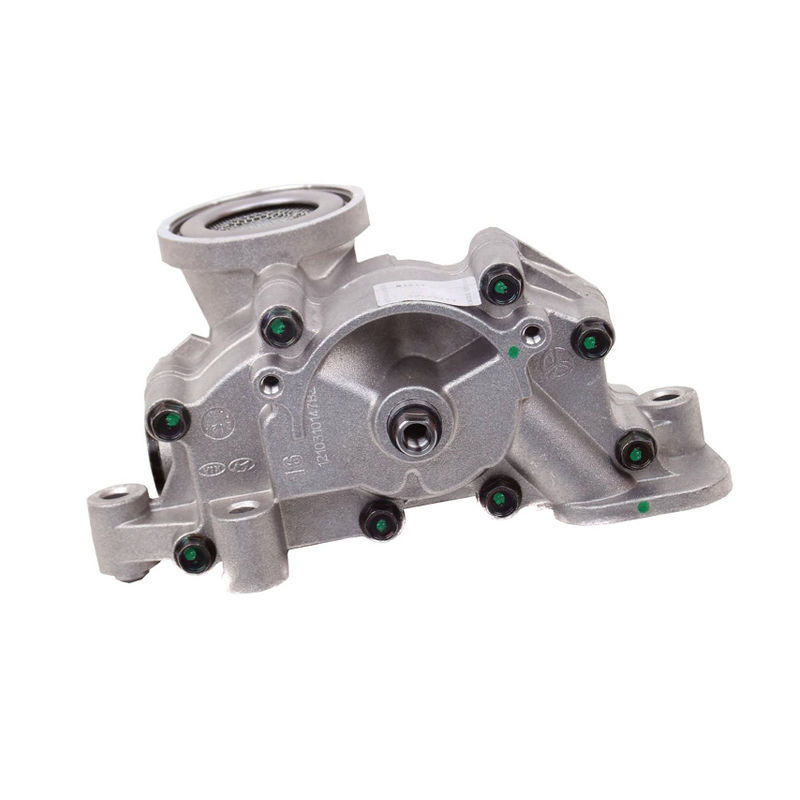
We Have This Part in Stock

The information in this article is provided for general reference and educational purposes only. Vehicle specifications, procedures, and part compatibility can vary by production date, trim level, and region. Always consult your vehicle's factory service manual and verify part numbers before purchasing or performing repairs. Safety-critical components such as airbags, seat belts, and braking systems should be installed by a qualified professional.
- Hyundai Santa Fe:
- 🎬 Helpful Videos
- 🛍️ Shop This Part
- Vehicle Fitment & Generation Differences: 2001-2009
- First Generation (SM): 2001-2006
- Second Generation (CM): 2007-2009
- Symptoms of a Failing Power Steering Pump
- 1. Whining or Groaning Noises
- 2. Stiff or Heavy Steering
- 3. Fluid Leaks
- 4. Metal Flakes in the Fluid
- Buying a Used Power Steering Pump
- Known Issues, Recalls, and Technical Service Bulletins (TSBs)
- Replacement Overview
- Key Steps & Procedures
- Important Torque Specs
- Cost Comparison
- Frequently Asked Questions (FAQ)
- 🎟️ Get 5% Off