

2010-2011 Kia Soul Power Steering Pump: Diagnosing Whines, Squeals, and Stiff Steering
This guide covers the common symptoms, causes, and replacement costs for the hydraulic power steering pump in the 2010-2011 Kia Soul, including why checking the belt first can save you money.
- The most common failure symptom is a whining noise that gets louder when turning; however, always check for a loose or worn belt first, as it causes a similar noise and is a cheaper fix.
- There are no major recalls for this specific part on these model years; failures are due to normal wear and tear.
- Using the correct fluid is critical. The original PSF-3 is discontinued; use a high-quality fluid for Asian vehicles or one meeting the PSF-4 spec. Do not use standard ATF.
- Properly bleeding the air out of the system after installation is mandatory to prevent noise and damage to the new pump.
Symptoms of a Failing Power Steering Pump
A failing power steering pump on a 2010-2011 Kia Soul will give several distinct warnings. Ignoring them can lead to a complete loss of steering assist, making the vehicle very difficult to control at low speeds.
Whining or Groaning Noises
The most common symptom is a whining or groaning noise that changes with engine speed (RPM). The noise will typically get louder when you turn the steering wheel. This sound is often caused by air bubbles in the fluid (cavitation) or by the internal components of the pump wearing out.
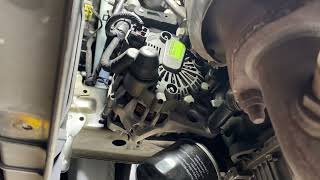
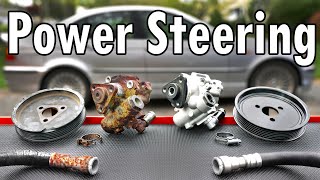
Pro Tip: Before condemning the pump, check the power steering belt. A loose or worn belt will squeal or whine, especially on startup or when turning, mimicking a bad pump. 🎬 Watch: How to diagnose a failing power steering pump Tightening or replacing the belt is a much cheaper first step.
Stiff or Difficult Steering
If the steering wheel becomes hard to turn, especially when parking or driving slowly, the pump is likely failing to generate enough hydraulic pressure. This can be sudden or a gradual increase in effort over time. In some cases, the steering may feel jerky or inconsistent.
Fluid Leaks or Contamination
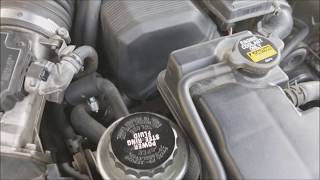
Look for puddles of reddish or light brown fluid under the front of your vehicle. The pump has seals that can fail over time, causing leaks. You should also check the fluid in the reservoir. If the fluid looks grey, milky, or has shiny metal particles in it, the pump is likely destroying itself internally and must be replaced immediately to avoid damaging other parts of the steering system.
Known Issues: Recalls and TSBs for 2010-2011 Kia Soul Steering
While there are steering-related recalls for other Kia Soul model years, there are no active recalls from the NHTSA specifically for the power steering pump on the 2010-2011 models. An investigation was opened in 2010 for a single incident of a steering shaft decoupling, but this did not lead to a recall for the pump itself. The failures associated with this part are typically due to age, mileage, and wear rather than a specific manufacturing defect covered by a recall campaign.
Buying a Used 2010-2011 Kia Soul Power Steering Pump
A recycled OEM power steering pump can be an excellent value, often outlasting new aftermarket alternatives. However, since it's a hydraulic part, careful inspection is key.
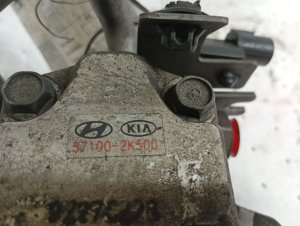
- Verify Compatibility: The primary OEM part number for the 2.0L engine is 571002K500. Ensure the part you are buying matches your vehicle's engine and year.
- Physical Inspection: Check the pump's housing for any cracks or signs of heavy corrosion. Ensure the mounting points are intact. The pulley should be free of major dents and should spin smoothly by hand with no grinding or excessive side-to-side wobble.
- Check the Ports: The inlet and outlet ports where the hydraulic lines connect should be clean, with no stripped threads. Ask the seller to ensure they are capped during shipping to prevent contamination.
- Mileage vs. Condition: While lower mileage is generally better, a well-maintained, leak-free pump from a higher-mileage vehicle is preferable to a low-mileage one that shows signs of damage or has been sitting empty and exposed to moisture. Failures can occur anywhere from 100,000 miles onward.
- Source Matters: Purchase from a reputable seller that offers a warranty and can provide information about the donor vehicle. A part pulled from a running, driving vehicle is always a better bet.
Cost of Replacement
The cost can vary significantly depending on whether you do the work yourself and the type of part you choose.
| Part/Service | Estimated Cost |
|---|---|
| New OEM (Dealer) | $310 - $475 |
| New Aftermarket | $75 - $200 |
| Used OEM | $50 - $85 |
| Shop Labor | $125 - $180 |
| Total Professional Replacement | $580 - $640 (with new OEM part) |
Replacement Overview & Essential Procedures
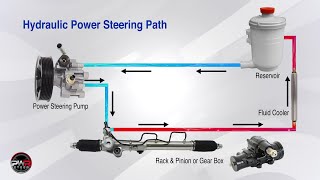
Replacing the pump is a moderately difficult job that a skilled DIYer can perform. The basic process involves removing the drive belt, disconnecting the hydraulic lines, unbolting the old pump, 🎬 See this step-by-step power steering pump replacement guide and installing the new one. However, two procedures are critical for success.
Required Fluid Type
Warning: The original fluid specification for this vehicle was Kia PSF-3, which is now largely discontinued. Do NOT use standard Automatic Transmission Fluid (ATF). Use a high-quality synthetic power steering fluid specifically labeled as compatible with Asian vehicles or one that explicitly meets the PSF-3 or PSF-4 specification. If you are unsure what fluid is in the system, it is best to perform a complete flush.
Bleeding the Power Steering System
This is the most important step after installation. Failure to properly bleed the system will cause the new pump to whine and can lead to premature failure.
- With the engine OFF, fill the new power steering reservoir to the 'MAX' line.
- Raise the front wheels off the ground so they can turn freely.
- Slowly turn the steering wheel all the way to the left, then all the way to the right. Repeat this lock-to-lock motion 10-15 times.
- Check the fluid level in the reservoir; it will have dropped as fluid filled the system. Top it off as needed. You may see bubbles.
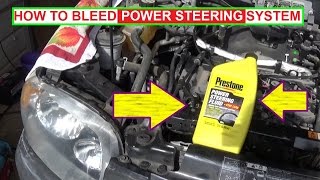
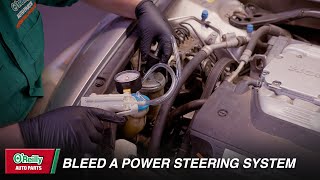
- Repeat the lock-to-lock turning until the fluid level remains stable and you see no more bubbles. 🎬 Watch: How to bleed your steering system the right way
- Lower the vehicle, start the engine for a few seconds, then shut it off. Re-check the fluid level and top off if necessary.
Frequently Asked Questions (FAQ)
Can I drive with a whining power steering pump?
You can, but it's not recommended for long. The whining indicates a problem that will likely lead to a complete failure of the pump, resulting in a sudden loss of power assist. This makes the car much harder to steer, especially at low speeds, increasing the risk of an accident.
What fluid should I use in my 2010-2011 Kia Soul?
Use a high-quality power steering fluid that is specified for Asian vehicles or meets the Kia PSF-3 or PSF-4 specification. The original PSF-3 fluid is hard to find. Many universal or multi-vehicle fluids will list compatibility. Do not use standard ATF.
My new power steering pump is still whining. What's wrong?
The most common reason is air trapped in the system. You must perform the bleeding procedure correctly. Other causes could be a restriction in one of the power steering hoses, a faulty remanufactured pump, or a loose belt.
Do I need a special tool to remove the pulley?
No. On the 2010-2011 Kia Soul, the power steering pump is replaced as an assembly with the pulley already attached. You do not need a pulley puller tool for this job.
Helpful Videos
Technical Specifications
OEM Part Numbers: 571002K500
Belt-driven hydraulic pump. Uses Kia PSF-3 or PSF-4 compatible fluid.
We Have This Part in Stock

The information in this article is provided for general reference and educational purposes only. Vehicle specifications, procedures, and part compatibility can vary by production date, trim level, and region. Always consult your vehicle's factory service manual and verify part numbers before purchasing or performing repairs. Safety-critical components such as airbags, seat belts, and braking systems should be installed by a qualified professional.
- Kia Soul:
- 🎬 Helpful Videos
- 🛍️ Shop This Part
- Symptoms of a Failing Power Steering Pump
- Whining or Groaning Noises
- Stiff or Difficult Steering
- Fluid Leaks or Contamination
- Known Issues: Recalls and TSBs for 2010-2011 Kia Soul Steering
- Buying a Used 2010-2011 Kia Soul Power Steering Pump
- Cost of Replacement
- Replacement Overview & Essential Procedures
- Required Fluid Type
- Bleeding the Power Steering System
- Frequently Asked Questions (FAQ)
- 🎟️ Get 5% Off