

2016-2018 Toyota Prius Power Steering Motor: Failure, Diagnosis, and Replacement
Learn to diagnose a failing electric power steering motor in your fourth-gen Prius and understand the critical programming steps required for replacement.
- This is an electric power steering motor and control unit, not a hydraulic pump; there is no fluid to check or replace.
- Replacement is not a simple bolt-on job; it requires a "Zero Point Calibration" using a professional scan tool like Toyota Techstream to function correctly.
- The specific part number 89650-47560 is for models with 15-inch wheels; using the wrong part can cause functionality issues.
- The most common failure symptom is a sudden loss of steering assist accompanied by the 'P/S' warning light on the dashboard.
Symptoms of a Failing Power Steering Motor
Failure of the electric power steering system in the 2016-2018 Prius is typically sudden and electronic in nature, rather than mechanical. Because this is an electric system, there are no fluids to leak or pumps to whine as they would in a hydraulic system.
- Sudden Heavy Steering: The most common symptom is a sudden and complete loss of power assist. The steering wheel will become very difficult to turn, especially at low speeds or when parking. The car is still steerable, but it requires significantly more physical effort.
- "P/S" Warning Light: When the system detects a fault, a red or yellow warning light with a steering wheel and an exclamation point will illuminate on the dashboard. This is the primary indicator of an EPS system problem.
- Intermittent Assist: The power steering may work intermittently, cutting in and out without warning. This can be dangerous and is a clear sign that the system needs immediate inspection.
- Squeaking or Rubbing Noises: Some owners report a squeaking or rubbing sound from the steering column area when turning the wheel, which could indicate an issue with the motor or related components.
Known Issues, Recalls, and Technical Service Bulletins (TSBs)
As of early 2026, there are no specific recalls or widespread TSBs from Toyota or the NHTSA for catastrophic failure of the electric power steering motor assembly on the 2016-2018 Prius models. While older Prius generations had recalls related to steering shafts, these do not apply to the 2016-2018 models. Any issues are typically isolated failures of the electronic components.
Compatibility Warning: The power steering motor assembly is specific to the vehicle's configuration. Part number 89650-47560 is designated for Front-Wheel Drive (FWD) models equipped with 15-inch wheels. Using a part from a model with 17-inch wheels may result in improper steering feel or functionality due to different software tuning.
Buying a Used 2016-2018 Prius Power Steering Motor
A used OEM power steering motor assembly is a cost-effective alternative to a new part. Since this is an electronic component, careful inspection and verification are key.
- Verify the Part Number: The most critical step is to match the part number exactly. For FWD models with 15-inch wheels, you need part number 89650-47560. Check the listing and photos to confirm.
- Inspect the Connectors: When you receive the part, check all electrical connectors for signs of corrosion, bent pins, or damage. Water intrusion is a primary cause of failure for electronic modules.
- Check for Physical Damage: Inspect the housing of the motor and control unit for cracks or signs of impact, which could indicate it came from a vehicle involved in a collision.
- Mileage vs. Condition: For an electronic part like this, mileage is less of a concern than its history. A low-mileage part from a car with flood damage is worse than a higher-mileage part from a well-maintained vehicle. Since failure is often sudden, a used part can have a long service life.
- Why Used OEM is a Good Choice: Used OEM units are the same parts that were installed at the factory, ensuring perfect fitment and communication with the vehicle's other systems. They are often more reliable than new aftermarket electronic components, which can have compatibility and quality control issues.
Replacement and Programming Requirements
Replacing the power steering motor assembly is a moderately difficult job that requires special procedures after installation.
Pro Tip: Before suspecting a major failure, check the simple things first. A weak 12V battery or a blown fuse can cause the EPS system to malfunction. Always check battery voltage and the relevant fuses in the fuse box before ordering a replacement motor.
Zero Point Calibration
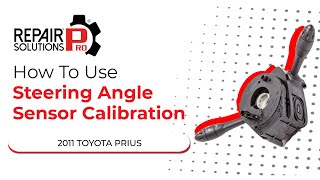
After the new or used power steering motor and ECU assembly is installed, it must be calibrated. This procedure is called "Torque Sensor Zero Point Calibration." 🎬 See this walkthrough of the 10-step zero point calibration process This process tells the control module the steering wheel's straight-ahead position and ensures the system applies assist correctly. Failure to perform this calibration can result in an active warning light, uneven steering assist, or other issues.
This calibration requires a professional-grade diagnostic scan tool, such as Toyota's Techstream software, or a high-end aftermarket scanner with Toyota-specific functions. 🎬 Watch: Using a diagnostic tool to calibrate the steering sensor While some online tutorials show methods using paper clips to jump terminals on the OBD-II port for other Toyota models, this is not the recommended or reliable procedure for this specific, modern system.
Cost to Replace Power Steering Motor
Costs can vary significantly based on the part source and labor rates. The part itself is the most expensive component.
| Part Type | Estimated Part Cost |
|---|---|
| New OEM | $750 - $900 |
| Used OEM | $150 - $400 |
| Remanufactured | $400 - $600 |
| Shop Labor | $250 - $450 |
Note: Prices are estimates as of early 2026 and can vary. Shop labor typically includes installation and the required electronic calibration.
Frequently Asked Questions (FAQ)
Can I drive my Prius with a failed power steering motor?
Yes, but it is not recommended for extended periods. The steering will be extremely heavy, especially at low speeds, making parking and emergency maneuvers difficult and potentially unsafe. The vehicle remains mechanically steerable.
Do I need to check power steering fluid on my 2017 Prius?
No. The 2016-2018 Prius uses an Electric Power Steering (EPS) system that has no hydraulic fluid, pump, or reservoir to check or fill.
What does the "P/S" warning light mean on my Prius dashboard?
The "P/S" light stands for Power Steering. When it illuminates, it indicates that the vehicle's computer has detected a fault in the Electric Power Steering system. You should have the vehicle scanned for diagnostic trouble codes (DTCs) to identify the specific problem.
Can I replace the power steering motor myself?
The physical replacement is possible for an experienced DIY mechanic. However, the final, mandatory step is the "Zero Point Calibration," which requires a specialized, expensive scan tool like Toyota Techstream. Without this tool, you cannot complete the job correctly, so you will need to factor in a visit to a dealer or a well-equipped independent shop for programming.
Helpful Videos
Technical Specifications
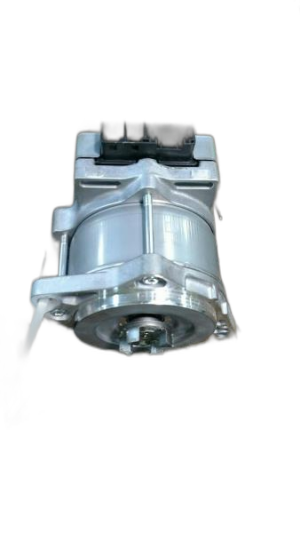
OEM Part Numbers: 89650-47560
For Front-Wheel Drive models with 15-inch wheels. Includes integrated control module and steering motor.
We Have This Part in Stock

The information in this article is provided for general reference and educational purposes only. Vehicle specifications, procedures, and part compatibility can vary by production date, trim level, and region. Always consult your vehicle's factory service manual and verify part numbers before purchasing or performing repairs. Safety-critical components such as airbags, seat belts, and braking systems should be installed by a qualified professional.
- Toyota Prius:
- 🎬 Helpful Videos
- 🛍️ Shop This Part
- Symptoms of a Failing Power Steering Motor
- Known Issues, Recalls, and Technical Service Bulletins (TSBs)
- Buying a Used 2016-2018 Prius Power Steering Motor
- Replacement and Programming Requirements
- Zero Point Calibration
- Cost to Replace Power Steering Motor
- Frequently Asked Questions (FAQ)
- 🎟️ Get 5% Off