

Spark Plug Guide for the 1936 Packard Model 1402 Eight
Keep your straight-eight running smoothly with the correct new spark plugs.
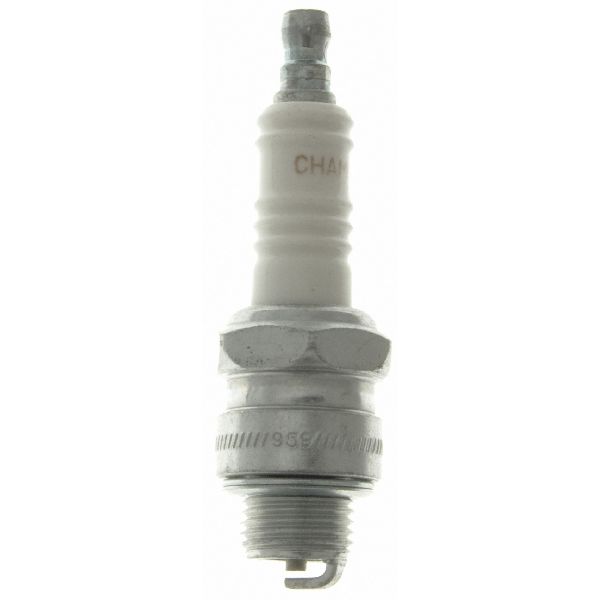
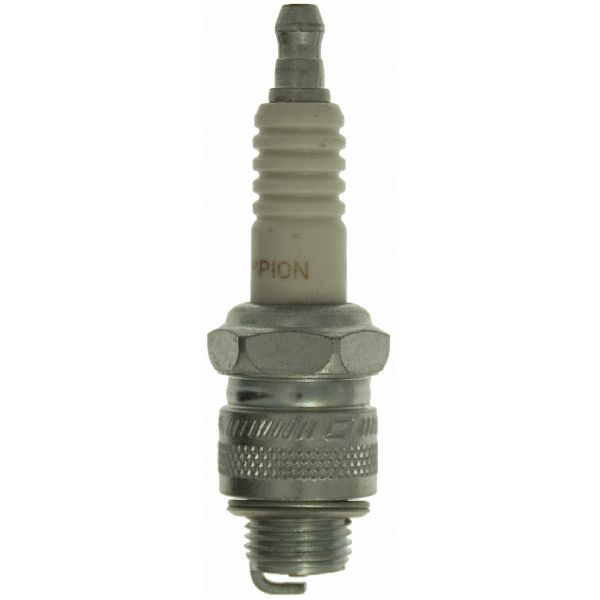
- The recommended modern aftermarket spark plug is the Champion D16 (non-resistor).
- The correct spark plug gap for the 1936 Packard Eight engine is 0.025 inches.
- Replacement is an easy DIY job due to excellent engine accessibility.
- Be careful not to over-tighten plugs in the aluminum cylinder head to avoid costly thread damage.
Signs of Failing Spark Plugs
When the spark plugs in your 1936 Packard 1402 begin to wear out, the engine's performance will suffer. Because the straight-eight engine is naturally smooth, symptoms can sometimes be subtle at first. You might notice the engine is harder to start, especially when cold. A rough idle or a feeling of hesitation when you accelerate are also common signs. If one or more plugs are badly fouled or failing, you may hear a misfire, which sounds like a stumbling or popping noise from the engine. You might also notice a decrease in power and worse fuel mileage.
Choosing the Right Aftermarket Spark Plugs
For a vintage vehicle like a 1936 Packard, the idea of "OEM vs. Aftermarket" is different than for a modern car. The original Packard company is long gone, so you cannot buy a factory-original part. Instead, the goal is to find a modern, reliable equivalent from a brand that has a long history with these vehicles. Champion was a common spark plug brand during this era and continues to be a trusted choice for Packard owners.
The key is to select a plug with the correct specifications for your engine. The 1936 Packard Eight engine uses a 14mm spark plug. Based on vintage specifications and owner community knowledge, the original Champion C-7 is the correct plug. The modern, non-resistor equivalent is the Champion D16. It is important to use a non-resistor plug to match the original ignition system unless you have specifically upgraded to modern electronic ignition that requires resistor plugs.
Spark Plug Cost Comparison: 1936 Packard 1402
| Part Type | Typical Price Range (per set of 8) | Notes |
|---|---|---|
| New Aftermarket (Champion) | $29 - $38 | Readily available and reliable. The recommended choice for most owners. |
| New Old Stock (NOS) | $80 - $200+ | Period-correct plugs that were never used. Can be very expensive and hard to find. Performance may not be better than a modern equivalent. |
Installation Tip: Gapping and Tightening
The correct spark plug gap for the 1936 Packard Eight is 0.025 inches. Always check the gap on new plugs with a feeler gauge before installation. When installing the plugs into the aluminum cylinder head, be very careful. Screw them in by hand as far as possible to avoid cross-threading. Then, use a wrench to tighten them just enough to crush the gasket—typically about a quarter-turn once the plug is seated. Over-tightening can damage the threads in the engine's head.
Frequently Asked Questions (FAQ)
Do I need special tools to change the spark plugs?
No, the job requires basic tools. You will need a spark plug socket that fits the plugs, a socket wrench with an extension, and a spark plug gap gauge. The engine bay of the Packard 1402 offers excellent access to all eight plugs.
Should I use resistor or non-resistor spark plugs?
For a stock 1936 Packard with its original-style ignition system, you should use non-resistor plugs like the Champion D16. Resistor plugs are designed for vehicles with later-model radios or electronic ignition systems to reduce radio frequency interference (RFI).
How often should I change the spark plugs?
With modern fuels and oils, spark plugs in a well-maintained classic car can last for many years and thousands of miles. However, it is good practice to inspect them annually for fouling or wear. Given their low cost, replacing them every few years is cheap insurance for maintaining engine health and performance.
What do different deposits on my old plugs mean?
Inspecting your old plugs can tell you a lot about your engine's health. A light tan or grayish color on the insulator nose means the engine is running well. Black, sooty deposits indicate a rich fuel mixture or weak spark. Oily deposits can point to internal engine wear, such as worn piston rings or valve guides.
Technical Specifications
Recommended Plug: Champion D16 (or equivalent non-resistor plug) Thread Size: 14mm Gap Specification: 0.025 inches
We Have This Part in Stock

The information in this article is provided for general reference and educational purposes only. Vehicle specifications, procedures, and part compatibility can vary by production date, trim level, and region. Always consult your vehicle's factory service manual and verify part numbers before purchasing or performing repairs. Safety-critical components such as airbags, seat belts, and braking systems should be installed by a qualified professional.