

Spark Plug Guide for the 1936-1943 Lincoln Zephyr V12
Keep your classic Zephyr's V12 engine running smoothly with the correct spark plugs.
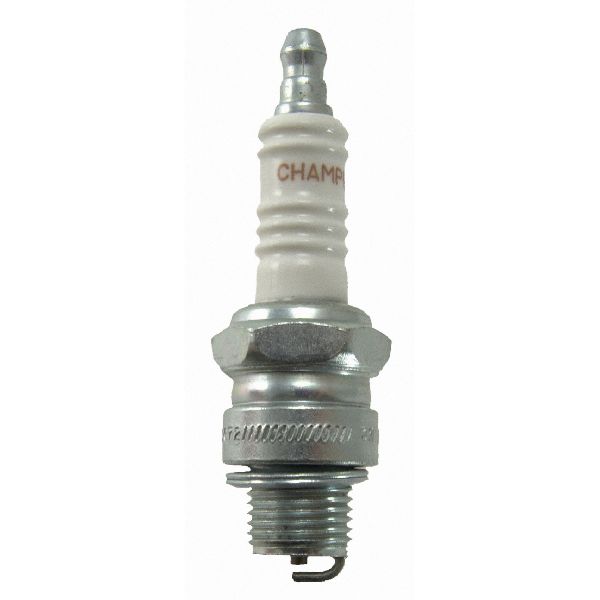
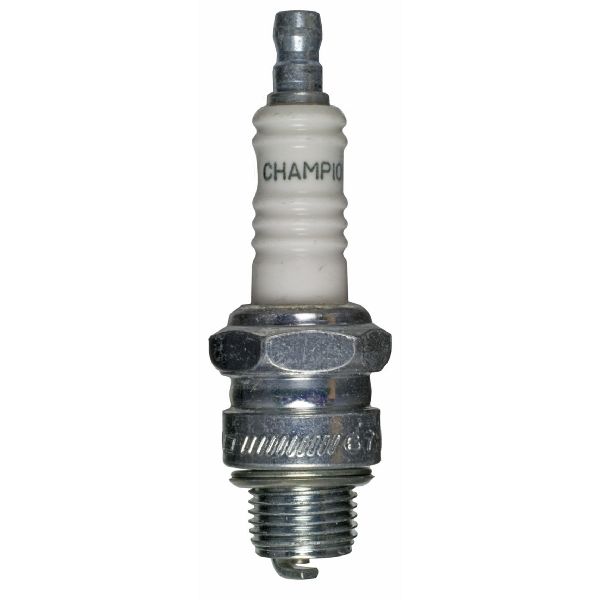
- The correct spark plug for the Lincoln Zephyr V12 is the Champion H10 or H10C.
- The spark plug gap is critical: use .025" for '36-'37 models and .028" for '38-'43 models.
- Replace all twelve spark plugs at the same time to ensure the engine runs smoothly.
- For a stock ignition system, avoid modern platinum or iridium plugs and use the recommended standard copper-core type.
Symptoms of Failing Spark Plugs
The V12 engine in the Lincoln Zephyr is a complex machine, but sometimes the simplest parts cause the biggest headaches. Worn or fouled spark plugs are a common cause of engine problems. Because there are twelve cylinders, a single bad plug might be hard to notice at first, but as the problem gets worse, you'll feel it.
- Rough Idle: The engine may shake or run unevenly when stopped.
- Poor Acceleration: The car will feel sluggish and slow to respond when you press the gas pedal.
- Engine Misfires: You might feel a jerking or stumbling sensation as you drive, which is a cylinder failing to fire correctly.
- Difficulty Starting: A weak spark from old plugs can make the engine hard to start, especially when cold.
- Black, Fouled Plugs: If you pull a plug and it's covered in black soot, it's a sign that it's not firing correctly or the fuel mixture is too rich.
Choosing the Right Aftermarket Spark Plug
For a vintage vehicle like the 1936-1943 Lincoln Zephyr, the concept of "OEM vs. Aftermarket" is different than for a modern car. Original parts are no longer mass-produced. Today, new replacement parts are all from the aftermarket. The key is to choose a part that meets or exceeds the original specifications.
Spark Plug Brand Comparison
| Brand Tier | Brand(s) | General Assessment & Vehicle-Specific Notes |
|---|---|---|
| Standard Replacement | Champion | Champion H-10 or H10C plugs are widely cited as the correct original-style plug for the Lincoln Zephyr V12. These are non-resistor plugs with a copper core, which is appropriate for the original ignition system. They offer reliable, proven performance suitable for the specific needs of this vintage engine. Given the unique dual-coil ignition system of the Zephyr, using the recommended plug type is crucial for proper engine function. |
A Note on Modern Plugs
While modern iridium or platinum plugs are available in the same size, they are designed for high-energy electronic ignition systems. The original Zephyr ignition system was designed for standard copper-core plugs. Using modern plugs may not provide any benefit and could potentially cause issues if the rest of the ignition system is not upgraded to match. For a stock engine, sticking with the recommended Champion H10C is the safest choice.
Cost of Replacing Spark Plugs
Replacing the spark plugs on a Lincoln Zephyr is more time-consuming than on a modern car due to the number of plugs and access to the V12 engine. All twelve plugs should be replaced at the same time for balanced performance.
| Part Type | Price Range (12 Plugs) |
|---|---|
| New Aftermarket (Champion) | $45 - $55 |
| Shop Labor | $150 - $300 |
Frequently Asked Questions
What is the correct spark plug gap for my Lincoln Zephyr?
The correct spark plug gap is critical for performance. For 1936-1937 models, the gap should be set to .025 inches. For 1938 and later models, the gap was increased to .028 inches. Always double-check the gap on new plugs before installation.
Why are my new spark plugs getting fouled with black soot?
Black, sooty plugs are a sign of a rich fuel mixture, weak spark, or excessive oil consumption. While old plugs can be a cause, if new plugs foul quickly, you may need to have your carburetor or ignition system inspected and adjusted. The Zephyr's complex dual-distributor setup requires precise timing to function correctly.
Are there any recalls for spark plug issues on the 1936-1943 Lincoln Zephyr?
No. There are no recalls or Technical Service Bulletins (TSBs) in modern databases for this vehicle regarding spark plugs. Recalls for the "Lincoln Zephyr" nameplate apply to a much newer Ford model from the 2000s.
How difficult is it to change the spark plugs myself?
Changing the plugs is feasible for a DIY mechanic, but it requires patience. Accessing all 12 plugs on the V12 engine can be challenging. You will need a proper spark plug socket. It's also a good time to inspect the spark plug wires for cracks or wear, as they are also a common failure point on these engines.
Technical Specifications
Recommended Plug: Champion H10 or H10C Thread Diameter: 14mm Hex Size: 13/16" (21mm) Seat Type: Gasket Resistor: No Gap: .025" (1936-37) or .028" (1938-43)
We Have This Part in Stock

The information in this article is provided for general reference and educational purposes only. Vehicle specifications, procedures, and part compatibility can vary by production date, trim level, and region. Always consult your vehicle's factory service manual and verify part numbers before purchasing or performing repairs. Safety-critical components such as airbags, seat belts, and braking systems should be installed by a qualified professional.