

Choosing the Right Spark Plugs for Your 1947-1967 Chevrolet Suburban
Keep your classic Suburban's engine running strong with the correct set of spark plugs.
- For stock 1947-1967 Suburban engines, standard copper-core spark plugs from brands like Autolite or NGK are the most reliable and cost-effective choice.
- Always verify the spark plug gap with a tool before installation, as it is critical for engine performance.
- Symptoms of failure are straightforward: rough idle, hard starting, poor acceleration, and decreased gas mileage.
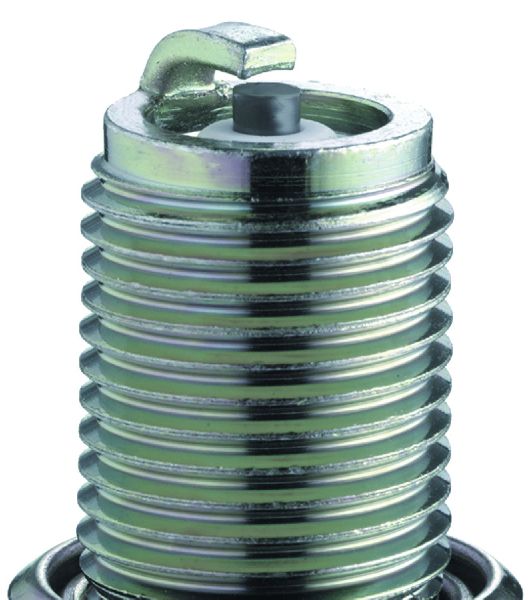
- Be sure to confirm the thread size (e.g., 10mm or 14mm) required for your specific engine's cylinder heads before purchasing.
Symptoms of Failing Spark Plugs
The ignition system on your 1947-1967 Suburban is straightforward, and worn spark plugs will give you clear signs that they need attention. Because these engines are not computer-controlled, you have to rely on what you see, hear, and feel. Common symptoms include difficulty starting, especially on cold mornings, a rough or shaky idle, and a noticeable loss of power when you accelerate. You might also notice the engine hesitating or 'misfiring'—a feeling like a stumble or a jerk during acceleration. Another tell-tale sign is a decrease in fuel economy, as inefficient combustion wastes fuel. In some cases, you may even see black smoke from the exhaust, which indicates unburned fuel.
Don't Ignore the Signs
While these classic trucks are built tough, continuing to drive with severely fouled or worn-out spark plugs can lead to other problems. It can cause excessive carbon buildup in the cylinders and on the valves, and in extreme cases, unburned fuel can wash oil from the cylinder walls, increasing engine wear.
Choosing the Right Aftermarket Spark Plug
For a vintage vehicle like the 1947-1967 Suburban, sticking with the basics is often the best approach. The original ignition systems were designed for standard copper-core spark plugs, and for most owners, these remain the best choice.
Material Matters: Copper vs. Precious Metals
Copper Core (Good): Brands like Autolite and Champion have been around as long as these trucks and offer standard copper plugs that are very similar to what the truck would have used originally. They are inexpensive and conduct electricity very well. The main downside is a shorter lifespan, typically needing replacement every 10,000 to 20,000 miles. For a classic that isn't a daily driver, this is often perfectly acceptable.
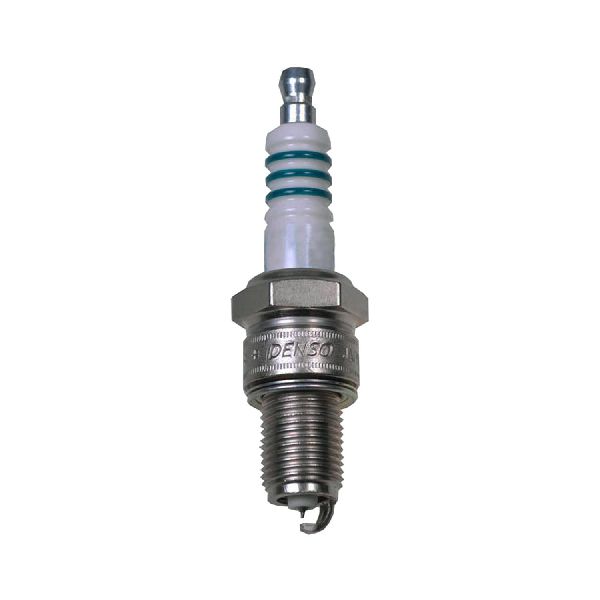
Platinum/Iridium (Better/Best for Longevity): Brands like NGK and Denso are famous for their high-quality precious metal plugs (platinum and iridium). These materials are much harder than copper, so the electrodes wear down much more slowly, offering a significantly longer service life. However, the lower-energy ignition systems in these older Suburbans may not always benefit from these advanced plugs. For a stock or lightly modified engine, a standard copper plug from a quality brand like NGK or Autolite is often the most reliable and cost-effective choice. If your engine is modified for high performance, a colder plug from a brand like Accel might be necessary.
Understanding Heat Range
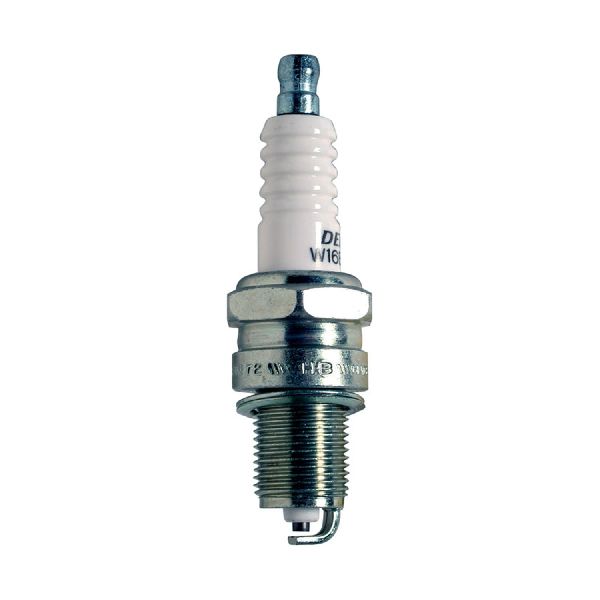
A spark plug's "heat range" refers to how quickly it transfers heat away from its tip. A "hot" plug has a longer insulator nose and stays hotter to burn off carbon deposits, which is good for engines that see a lot of low-speed, city driving. A "cold" plug has a shorter insulator nose, transfers heat faster, and is better for high-RPM, high-load engines to prevent overheating the plug. For a stock Suburban engine, the standard heat range recommended by the plug manufacturer is almost always the right choice. Using a plug that is too hot can lead to engine damage (pre-ignition), while a plug that is too cold can foul quickly.
| Tier | Brands | Quality & Notes |
|---|---|---|
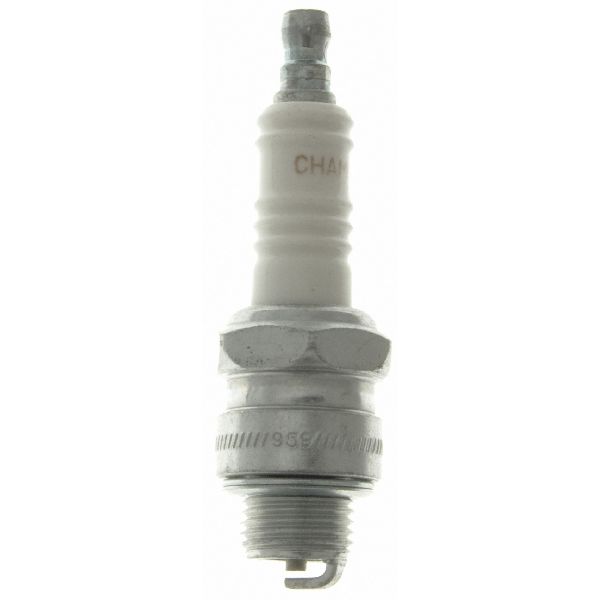
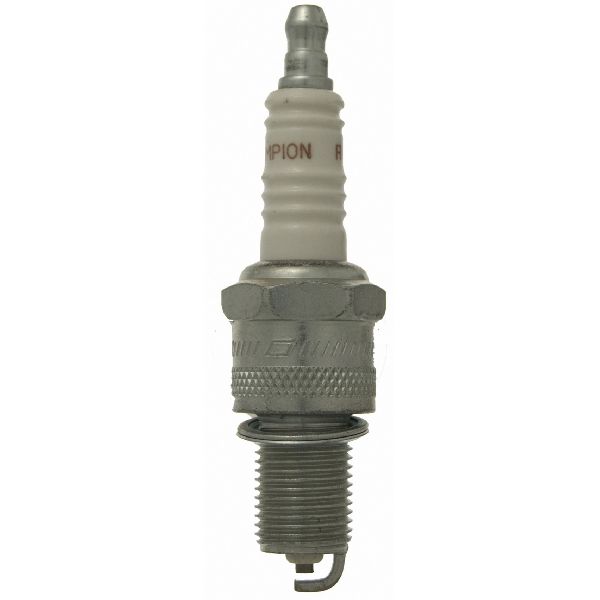
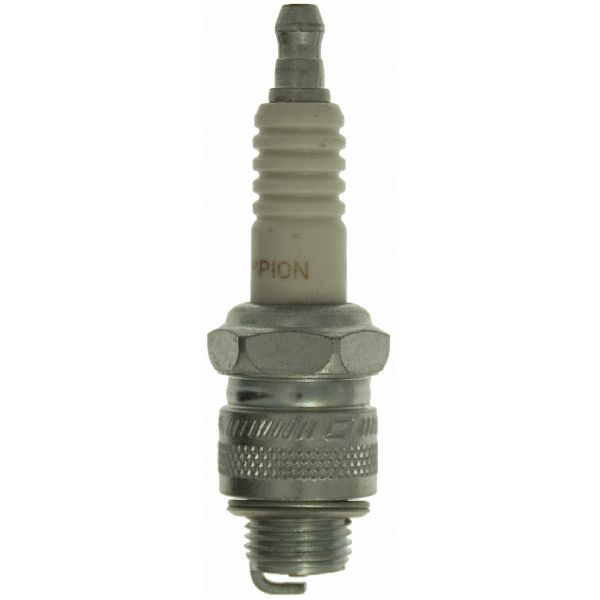
| Good | Autolite, Champion | Classic, period-appropriate choices. Their standard copper plugs are an excellent, budget-friendly option for stock engines. Some users report inconsistent quality with Champion in modern times, but they were a common original fitment. |
| Better | NGK (Copper), Denso (Copper) | Known for excellent quality control and consistency. Their standard copper V-Power (NGK) plugs are a favorite among many mechanics for older vehicles, providing a reliable spark and good performance at a reasonable price. |
| Best (Performance/Modified) | Accel, NGK (Iridium), Denso (Iridium) | Accel specializes in performance ignition components and may be a good choice for modified engines. Iridium plugs from NGK and Denso offer the longest life and a strong spark, but may be overkill and are not always necessary for the stock ignition systems on these trucks. |
Frequently Asked Questions
Do I need to gap my new spark plugs?
Yes. Even if the plugs are advertised as "pre-gapped," you should always verify the gap with a feeler gauge or gapping tool before installation. The correct gap for your specific engine (inline-6 or V8) is critical for performance. An incorrect gap can cause misfires and poor running.
Should I use anti-seize on the threads?
This is a topic of debate. Some plug manufacturers, like NGK, use a special plating on their threads and recommend NOT using anti-seize, as it can lead to over-torquing. If you do use it, apply only a very small amount to the threads, avoiding the electrode and insulator, and reduce the manufacturer's torque specification by about 10-15%.
What is the difference between a 10mm and 14mm plug?
This refers to the diameter of the threaded part of the spark plug. Some early engines in this range, particularly from 1941-1948, may have used a 10mm plug, while later and more common engines use a 14mm plug. It is crucial to order the correct size for your cylinder heads. An easy way to check is by the socket size needed to remove the plug; 10mm plugs often use a 5/8" socket, while 14mm plugs typically use a 13/16" or 5/8" socket depending on the specific plug design.
Are expensive iridium plugs better for my classic Suburban?
Not necessarily. While iridium plugs last much longer, the low-energy ignition systems of these vintage trucks were designed for copper plugs. A standard copper plug from a quality brand like NGK or Autolite will provide a strong spark and reliable performance. For a stock engine, the extra cost of iridium plugs may not provide a noticeable benefit.
Technical Specifications
Varies significantly by engine (I6, V8) and year. Key specifications to confirm are Thread Size (e.g., 10mm, 14mm), Thread Reach, and Heat Range. Always consult a parts catalog for your specific engine.
We Have This Part in Stock

The information in this article is provided for general reference and educational purposes only. Vehicle specifications, procedures, and part compatibility can vary by production date, trim level, and region. Always consult your vehicle's factory service manual and verify part numbers before purchasing or performing repairs. Safety-critical components such as airbags, seat belts, and braking systems should be installed by a qualified professional.