

1949-1972 Ford Custom Brake Light Switch Diagnosis and Replacement
Don't get caught with non-working brake lights; find the right switch for your classic Ford Custom.
- First, identify if your car uses a hydraulic switch on the master cylinder or a mechanical switch on the brake pedal.
- Be cautious of cheap, generic hydraulic switches, as they are known to fail quickly or require too much pressure to activate.
- For a more reliable, long-term fix, consider converting from an older hydraulic switch to a modern mechanical switch.
- Driving without working brake lights is extremely dangerous and illegal; this repair should be done immediately.
Is it a Hydraulic or Mechanical Switch?
Before buying a replacement, you need to know which type of switch your Ford Custom has. The 1949-1972 model years span several design changes.
- Hydraulic Switch: Common on models from 1949 through the mid-1960s. Look for a small, two-prong sensor screwed directly into the brake master cylinder under the hood. This type is activated by the increase in brake fluid pressure when you step on the pedal.
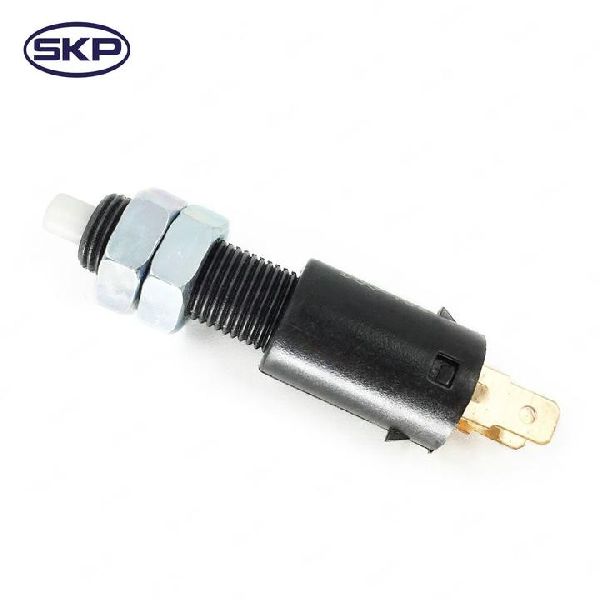
- Mechanical Switch: Common on later models, typically from the mid-1960s to 1972. Look for a switch mounted on a bracket near the top of your brake pedal arm, under the dashboard. It has a plunger or lever that is activated by the pedal's movement.
Pro Tip: Many owners of cars with hydraulic switches convert to a more reliable mechanical switch. Kits are available, or it can be done with a universal switch and some simple fabrication. This is often a permanent solution to the common issue of failing aftermarket hydraulic switches.
Symptoms of a Failing Brake Light Switch
A bad brake light switch can cause several obvious and dangerous problems. Here’s what to look for:
- Brake Lights Don't Work: The most common symptom is a total failure of the brake lights to illuminate, even with good bulbs and fuses.
- Brake Lights Stay On: The switch can get stuck in the 'on' position, leaving your brake lights permanently on and draining your battery.
- Delayed or Flickering Lights: Cheap aftermarket hydraulic switches are known for requiring too much pedal pressure to activate, causing a dangerous delay before your lights turn on. Flickering can indicate a switch that is about to fail completely.
- Brake and Turn Signal Issues: On these classic Fords, the brake light power runs through the turn signal switch in the steering column. If you have brake light problems on only one side, or other strange behavior involving turn signals, the turn signal switch itself could be the culprit.
Choosing the Right Aftermarket Part
Since original Ford parts for these vehicles are no longer made, you will be buying an aftermarket part. Quality can vary significantly, especially with hydraulic switches.
| Brand Tier | Brands | General Assessment |
|---|---|---|
| Better | Standard Ignition (SMP) | Standard Motor Products is a long-established brand known for producing reliable replacement parts that often meet or exceed original specifications. They are a trusted choice in the repair community. |
| Good | Rostra Powertrain | Rostra is known for a wide range of electronic and powertrain components. While specific reviews for this exact part are limited, they are generally considered a standard replacement-grade option. |
| Value | Skyward | Skyward is a budget-friendly brand. For a critical safety component like a brake light switch, be aware that lower cost can sometimes correlate with a shorter service life, a common complaint with generic, low-cost hydraulic switches. |
A Warning on Hydraulic Switches
Many owners in forums report that cheap, unbranded aftermarket hydraulic brake light switches are unreliable. They may fail quickly or require very hard pedal pressure to work, creating a safety hazard. If you must use a hydraulic switch, choosing a reputable brand is important. Some owners have even found success using higher-quality switches designed for Harley-Davidson motorcycles.
Brake Light Switch Replacement Cost
Replacing the brake light switch is an inexpensive repair. The part itself is very affordable, and labor is minimal.
| Part Type | Cost Range |
|---|---|
| New Aftermarket Part | $5.40 - $29.97 |
| Shop Labor | $50 - $100 |
Frequently Asked Questions (FAQ)
Can I replace the brake light switch myself?
Yes, this is a very DIY-friendly job for both hydraulic and mechanical switches. For a mechanical switch, it's usually located under the dash on the brake pedal and is easy to access and swap. For a hydraulic switch on the master cylinder, you simply unscrew the old one and screw in the new one. Having the new switch ready to install quickly will minimize brake fluid loss.
Do I need to bleed the brakes after replacing a hydraulic switch?
Opinions vary. If you are very quick swapping the old switch for the new one, you may only lose a drop or two of fluid and not introduce air into the system. However, many mechanics recommend bleeding the brakes afterward just to be safe, as a spongy pedal is a sign that air has entered the lines.
My brake lights don't work, but the switch is new. What else could it be?
First, check the fuse for the brake light circuit. Next, check the bulbs and the sockets for corrosion. The problem could also be in the turn signal switch, as the brake light circuit passes through it. Test for power going into and out of the brake light switch to confirm it's working correctly.
Why do my brake lights stay on after I replaced the switch?
If you have a mechanical switch, it is likely misaligned. These switches need to be adjusted so that the plunger is fully released when the brake pedal is at rest, and depressed as soon as the pedal is pushed. If a hydraulic switch is stuck on, it is defective internally and must be replaced.
Technical Specifications
OEM Part Numbers: C1AZ-13480-A 0A-13480 SW-24
Switch Type: Hydraulic or Mechanical. Thread Size (Hydraulic): 1/8"-27 NPT. Connector: 2-Prong.
We Have This Part in Stock


The information in this article is provided for general reference and educational purposes only. Vehicle specifications, procedures, and part compatibility can vary by production date, trim level, and region. Always consult your vehicle's factory service manual and verify part numbers before purchasing or performing repairs. Safety-critical components such as airbags, seat belts, and braking systems should be installed by a qualified professional.