

Ignition Coil Guide for the 1950-1954 Chrysler Imperial
Keep your classic Imperial's engine firing reliably with the right new aftermarket ignition coil.
- Ensure you buy a 6-volt ignition coil specifically for a positive-ground system.
- Symptoms of failure include hard starting, misfiring, backfiring, and loss of power.
- Replacement is a simple DIY task that takes less than 30 minutes with basic tools.
- Investing in a premium aftermarket brand like NGK or Standard Ignition is recommended for reliability.
Is Your Imperial's Ignition Coil Failing?
An ignition coil is a simple but vital component. Over time, heat and vibration can cause the delicate wire windings inside to break down, leading to a weak or inconsistent spark. If your classic Chrysler is experiencing new performance issues, a failing coil could be the culprit. Watch for these common symptoms.
Common Symptoms of a Bad Ignition Coil
- Hard Starting or No Start: The engine cranks but struggles to fire up, or won't start at all. This can happen if the coil isn't producing enough voltage to create a spark.
- Engine Misfires: You might feel the engine jerking, sputtering, or running unevenly, especially under load. This is often caused by an inconsistent spark.
- Rough Idle: The engine may shake or vibrate when you're stopped.
- Loss of Power: The car feels sluggish and doesn't accelerate as it should. This can be due to one or more cylinders not firing correctly.
- Engine Backfiring: Loud popping sounds from the exhaust can occur when unburned fuel ignites in the exhaust system due to a lack of spark.
- Stalling: The engine may stall unexpectedly, particularly after it has warmed up.
Choosing the Right Aftermarket Coil
For a vintage vehicle like the 1950-1954 Imperial, finding a "new old stock" (NOS) or original equipment (OEM) coil is nearly impossible. The good news is that modern aftermarket coils are readily available and often benefit from better materials and manufacturing than the originals. The key is to choose a quality brand known for reliability.
Aftermarket Brand Tiers
When shopping for a replacement, you'll find a few different brands available. They generally fall into these tiers:
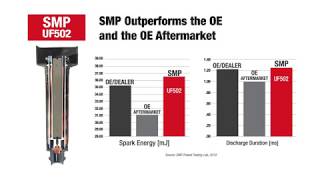
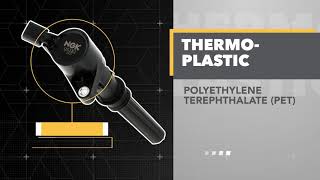
- Premium Aftermarket (NGK, Standard Ignition 'Blue Streak' 🎬 Learn about the quality and engineering inside an NGK box.): Brands like NGK and Standard's premium 'Blue Streak' line are well-respected for their quality and engineering. They often use superior materials and undergo rigorous testing to meet or exceed original specifications. A former employee of Standard Motor Products (SMP) noted their coil production was moved to Poland to maintain quality over Chinese-sourced parts, and their testing is OEM-grade. 🎬 See how Standard coils are engineered to outperform original equipment. These are excellent choices for owners who prioritize reliability and performance.
- Standard Aftermarket (Standard Ignition, Spectra 🎬 Watch an overview of the Standard and Blue Streak coil lines.): Standard Motor Products (SMP) has been a major name in ignition parts for decades and is a solid choice for American classic cars. Spectra Premium is another option, often at a lower price point. While they market their parts as meeting OE specifications, some user reviews suggest a higher chance of premature failure compared to premium brands.
- Economy Brands (Global Parts): These are typically the most affordable option. While they may function correctly, their long-term durability can be inconsistent. For a critical component like an ignition coil, spending a little more on a reputable brand is often a wise investment to avoid being stranded.
Pro Tip: Your 1950-1954 Imperial uses a 6-volt, positive-ground electrical system. It is absolutely critical that you purchase a 6-volt coil designed for this system. Using a 12-volt coil will result in a very weak spark, and running 12 volts through a 6-volt system can damage components. Also, ensure the coil is wired correctly for a positive ground system (the '+' terminal on the coil goes to the distributor).
Replacement Cost
Replacing the ignition coil on a 1950s Imperial is an affordable and straightforward job. The part itself is not expensive, and labor is minimal.
| Part/Service | Estimated Cost |
|---|---|
| New Aftermarket Ignition Coil | $23 - $39 |
| Shop Labor | $50 - $100 |
| Total Estimated Cost | $73 - $139 |
Frequently Asked Questions
Can I replace the ignition coil myself?
Yes, this is a very DIY-friendly job. The ignition coil is typically mounted on the engine or firewall and held by a single bracket. The process involves disconnecting the battery, removing two small electrical wires and the main high-tension wire to the distributor, swapping the coil, and reconnecting everything. It usually takes less than 30 minutes with basic hand tools.
Do I need an external resistor with my new coil?
Some ignition systems use an external resistor, but many coils for this era have the correct internal resistance. The Standard Ignition UC-14, a common replacement, is specified for vehicles without an external resistor. Always check the specifications of the part you are buying to ensure it matches your vehicle's setup.
Should I replace my spark plugs and wires at the same time?
It's a good idea. If your coil has failed, your spark plugs and wires have been subjected to the same conditions and are of a similar age. Replacing the coil, distributor cap, rotor, and spark plug wires at the same time is good preventative maintenance and ensures your entire ignition system is in top shape.
What is the difference between a 6-volt and 12-volt coil?
A 6-volt coil is designed for the lower voltage of older electrical systems like the one in your Imperial. A 12-volt coil is designed for modern systems. They are not interchangeable. Using a 12-volt coil on a 6-volt system will produce a weak spark, and using a 6-volt coil on a 12-volt system will cause it to overheat and fail quickly.
Helpful Videos
Technical Specifications
Voltage: 6V, System: Positive Ground, Style: Canister, Primary Resistance: Approx. 1.25 ohms
We Have This Part in Stock


The information in this article is provided for general reference and educational purposes only. Vehicle specifications, procedures, and part compatibility can vary by production date, trim level, and region. Always consult your vehicle's factory service manual and verify part numbers before purchasing or performing repairs. Safety-critical components such as airbags, seat belts, and braking systems should be installed by a qualified professional.