

Replacing the Universal Joints on Your 1950-1954 Mercury Monterey
Keep your classic Mercury's driveline smooth and reliable by understanding when and how to replace your U-joints.
- A clunking noise when shifting or a vibration at speed are the most common signs of a failing U-joint on your Monterey.
- For maximum reliability, choose a premium non-greaseable U-joint from a brand like Dana/Spicer.
- If one U-joint has failed, it is best practice to replace both on the driveshaft at the same time.
- A complete U-joint failure can cause the driveshaft to separate from the car, making it a critical safety repair.
Symptoms of a Failing Universal Joint
When a U-joint starts to wear out on a classic car like the Monterey, it will give you clear warning signs. Ignoring them can lead to more damage or even the driveshaft separating from the car, which is very dangerous. Look for these common symptoms:
- Clunking Noise: A loud "clunk" or "bang" when you shift from Park into Drive or Reverse is a classic sign of a worn U-joint. This is caused by excessive play in the joint.
- Vibration at Speed: A vibration that you can feel through the floor or seats, which gets worse as you drive faster, often points to a bad U-joint. This happens because the worn joint throws the driveshaft out of balance.
- Squeaking or Chirping: A rhythmic squeaking noise that matches your speed, especially at low speeds, usually means the U-joint is dry and has lost its lubrication.
- Visible Rust or Damage: If you look under the car, you might see rust-colored dust around the U-joint caps. This is a sign that the needle bearings inside have failed.
Driveshaft Failure is a Critical Safety Risk
Do not ignore a failing U-joint. If it breaks completely while driving, the driveshaft can fall, dig into the pavement, and cause you to lose control or severely damage the underside of your car.
Choosing the Right Aftermarket U-Joint
For a 1950-1954 Mercury, new original factory parts are not available. The good news is that modern aftermarket U-joints from quality brands are made with better materials and technology than what was available in the 1950s. Here’s a breakdown of the brands available, sorted by quality and reputation among classic car owners.
Brand Quality Tiers
| Tier | Brands | Description |
|---|---|---|
| Premium | Dana / Spicer | Often considered the gold standard and an original equipment supplier for many vehicles. Spicer U-joints are known for their durability and are a top choice for a reliable, long-lasting repair. Many restorers prefer their non-greaseable versions for maximum strength. |
| High-Quality | Moog, SKF | Moog has a long-standing reputation for strong "problem-solver" parts, though some forum users feel recent quality can be mixed. SKF is a global leader in bearings and is known for producing reliable, high-quality parts that meet or exceed original specifications. Both are excellent choices for your Monterey. |
| Standard / Economy | GMB | GMB offers a more budget-friendly option and is a major supplier of parts worldwide. They are a suitable replacement for a daily driver or a car that sees limited use. |
Pro Tip: Greaseable vs. Sealed U-Joints
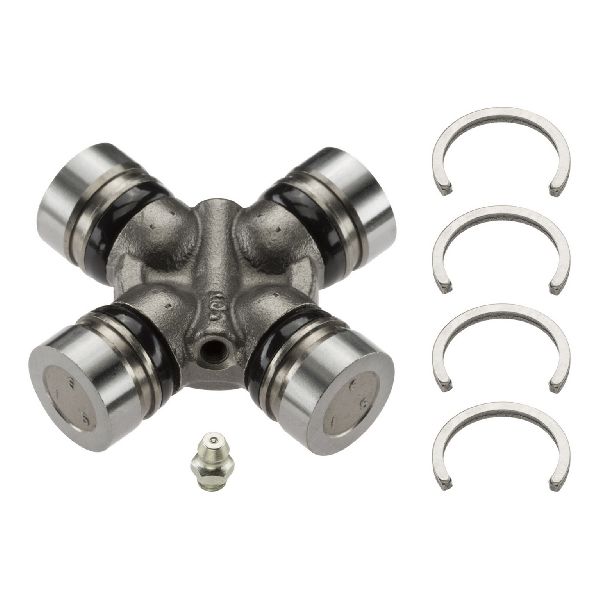
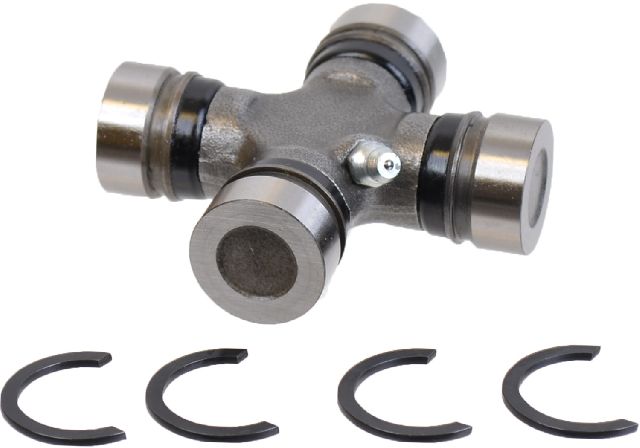
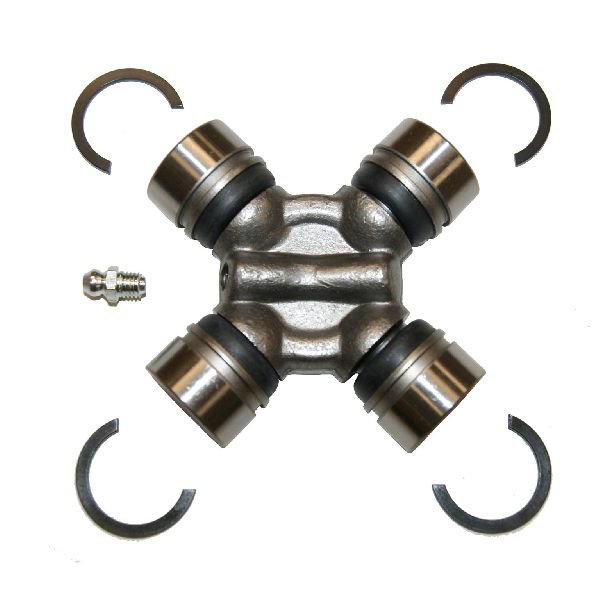
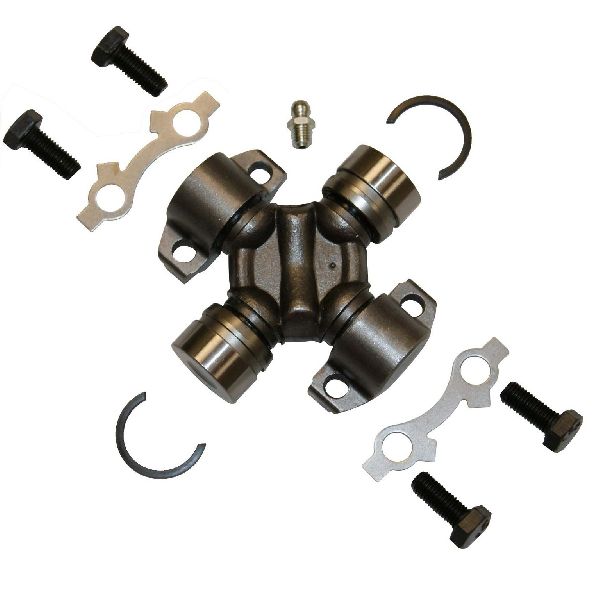
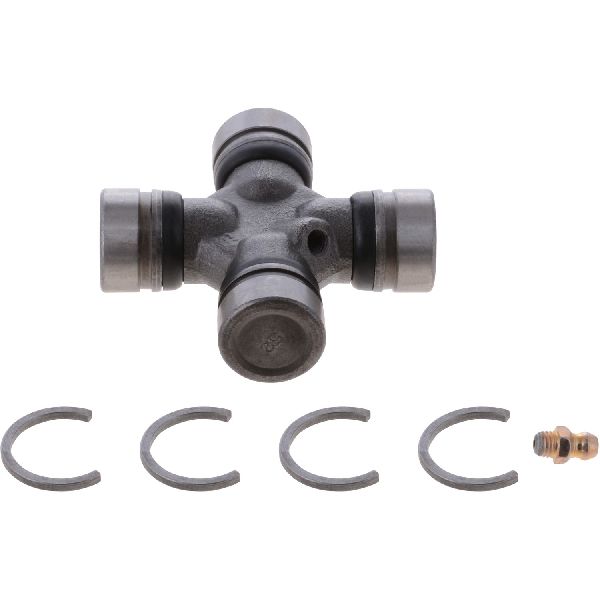
You will see both "greaseable" (with a zerk fitting) and "non-greaseable" (sealed) U-joints. While greaseable joints can last a long time with regular maintenance, many experts prefer high-quality sealed joints. Sealed joints are stronger because the cross is solid, not drilled for grease channels, and they are filled at the factory with a high-quality lubricant. For a classic car that may not be driven daily, a sealed joint from a premium brand like Spicer is often the most reliable "fit-and-forget" option.
Frequently Asked Questions (FAQ)
Should I replace both U-joints at the same time?
Yes. Your Monterey's driveshaft has two U-joints (front and rear). If one has failed, the other has been subjected to the same age and stress. It is highly recommended to replace both at the same time to save on future labor and ensure a balanced, reliable driveline.
Is replacing a U-joint a DIY job?
This can be a DIY project if you have the right tools and are comfortable working under your car. You will need to safely raise the vehicle on jack stands, remove the driveshaft, and then use a bench vise or a hydraulic press to push the old joints out and press the new ones in. Doing this without a press can be difficult and may damage the driveshaft yoke if not done carefully.
Do I need to get my driveshaft balanced after replacing the U-joints?
It's a good idea, especially on a classic car. Mark the driveshaft's orientation before you remove it so you can put it back the same way. If you still have a vibration after installing new U-joints, having the driveshaft professionally balanced is the next step.
Are there any recalls for the universal joint on my Monterey?
No. There are no recalls or Technical Service Bulletins (TSBs) for the universal joints on the 1950-1954 Mercury Monterey. The National Highway Traffic Safety Administration (NHTSA), which manages recalls, was not established until 1970.
Technical Specifications
The 1950-1954 Mercury Monterey uses a rear-wheel-drive configuration with a driveshaft connecting the transmission to the rear differential. The driveshaft typically contains two universal joints.
We Have This Part in Stock

The information in this article is provided for general reference and educational purposes only. Vehicle specifications, procedures, and part compatibility can vary by production date, trim level, and region. Always consult your vehicle's factory service manual and verify part numbers before purchasing or performing repairs. Safety-critical components such as airbags, seat belts, and braking systems should be installed by a qualified professional.