

Ignition Coil Guide for the 1950-1959 Mercury Monterey
Everything you need to know to choose the right ignition coil for your classic Monterey.
- For a 1950s Monterey, a high-quality aftermarket coil from a brand like NGK or Standard Ignition is the best choice for reliability.
- This is a very simple DIY repair that most owners can do in under 30 minutes with basic tools.
- Ensure you buy a coil that matches your car's voltage (6V or 12V) and is designed for a points-style ignition.
- Avoid the cheapest economy brands if you want long-term reliability, as forums show they have a higher failure rate.
Signs of a Failing Ignition Coil
On a classic car like a 1950s Mercury Monterey, the signs of a bad ignition coil are usually easy to feel and hear. Because these cars have a single coil for all cylinders, a failure will affect the entire engine. Look out for these common symptoms:
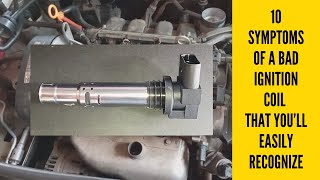
🎬 Watch: See these common ignition coil failure symptoms in action.- Hard Starting or No Start: The engine cranks but struggles to fire up, or won't start at all. This happens when the coil isn't producing enough voltage for a spark.
- Engine Misfires: The engine may sputter, shake, or hesitate, especially when you try to accelerate. This can feel like a stumble or a loss of power.
- Rough Idle: When the car is stopped, the engine may shake or sound uneven.
- Backfiring: Loud popping sounds from the exhaust can occur when unburned fuel ignites in the exhaust system due to a weak or inconsistent spark.
- Poor Performance and Fuel Economy: Your Monterey may feel sluggish and less powerful than usual. A weak spark leads to inefficient fuel burning, meaning you'll use more gas.
- Stalling: The engine may cut out unexpectedly, either while driving or when idling.
A Note on Vehicle Systems
Your 1950-1959 Monterey was built before modern on-board computers. It does not have a "Check Engine Light" or generate diagnostic trouble codes (DTCs) like modern cars. Diagnosis relies on observing these physical symptoms.
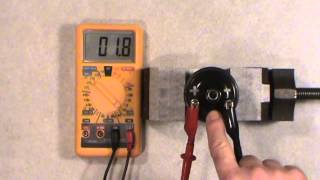
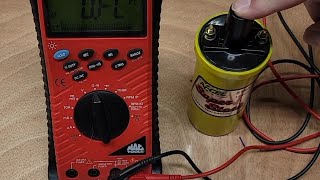
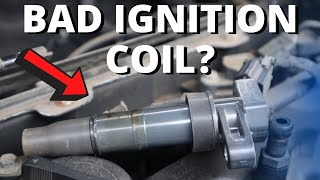
🎬 Learn how to test an old-school points style coil.Choosing the Right Aftermarket Ignition Coil
For a vehicle of this age, original "new" parts from Mercury (Motorcraft) are no longer manufactured. The market consists of New Old Stock (NOS) parts—which are rare and expensive—and new aftermarket parts. Aftermarket coils are the most common and practical choice. Here’s a breakdown of available brand tiers to help you decide.
Premium & OEM-Quality Brands
Brands: NGK, Standard Ignition (SMP)
These brands are widely respected in the auto repair community for producing high-quality parts that meet or exceed original specifications. NGK is a trusted name known for excellent durability and performance in ignition components. Standard Ignition is a long-standing American manufacturer with a reputation for reliability. For a daily driver or a car you want to be as reliable as possible, choosing a coil from one of these brands is a smart investment.
Performance Brands
Brand: Accel
Accel markets its coils as a performance upgrade, often promising a hotter spark for improved throttle response and power. While some users are happy with them, online forums for various classic cars contain mixed reviews. Some owners report premature failures, including overheating and leaking. An Accel coil might offer a slight performance edge, but it may come with a shorter lifespan and a shorter warranty compared to standard coils.
Standard & Economy Brands
Brands: Global Parts, Spectra
These brands offer a budget-friendly price point. While a lower price is tempting, be cautious with critical parts like ignition coils. Forum discussions frequently mention economy-brand coils, like Spectra, failing much sooner than premium alternatives. While they come with a warranty, replacing the part repeatedly can be a hassle. These may be suitable for a car that is driven very little, but for regular use, spending a bit more for a reputable brand is recommended.
Pro Tip: Match the Voltage
Early 1950s Mercurys used a 6-volt electrical system, while later models switched to 12-volt. Ensure the ignition coil you buy is rated for your car's specific system. Using a 12-volt coil on a 6-volt system (without a ballast resistor) will result in a very weak spark, while using a 6-volt coil on a 12-volt system will cause it to overheat and fail quickly.
Cost of a New Ignition Coil (1950-1959 Mercury Monterey)
| Part Type | Price Range | Notes |
|---|---|---|
| New Aftermarket | $23 - $52 | Price depends on brand quality. Premium brands are at the higher end. |
| New Old Stock (OEM) | $75 - $200+ | Original, unused parts. Can be very difficult to find and expensive. |
| Shop Labor | $50 - $100 | Typically less than one hour of work for a professional mechanic. |
Frequently Asked Questions
Is replacing the ignition coil a difficult job?
No, this is a very easy job for a DIYer. The coil is usually mounted to the firewall or engine with a simple bracket. It involves disconnecting the battery, removing two or three small wires, and unbolting the coil. The entire process typically takes less than 30 minutes with basic hand tools.
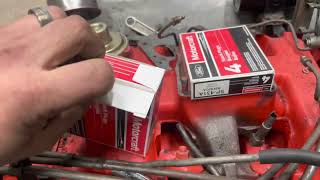
🎬 See this replacement walkthrough on a classic 1956 Ford engine.Do I need a special type of coil for my Monterey?
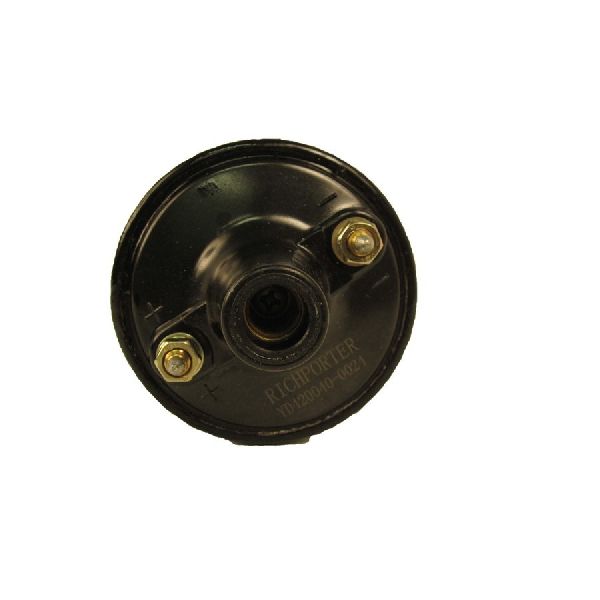
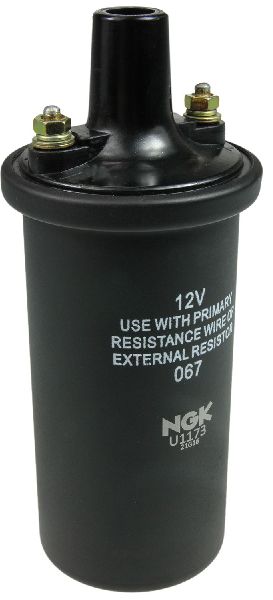
You need a canister-style, oil-filled ignition coil that is compatible with a points-style ignition system. The most important factor is matching the voltage (6V or 12V) to your car's electrical system. Check your service manual or the old coil for specifications.
Are there any recalls for the ignition coil on my Monterey?
No. There are no recalls or Technical Service Bulletins (TSBs) from the NHTSA related to the ignition coil for the 1950-1959 Mercury Monterey. Recall systems were not as comprehensive during this period.
Should I replace my coil as preventative maintenance?
If your coil is old and you are already tuning up the ignition system (replacing points, condenser, plugs, and wires), replacing the coil at the same time is inexpensive peace of mind. Coils can fail without warning due to age, heat, and vibration. However, if the engine is running well, there is no urgent need to replace it.
Helpful Videos


Technical Specifications
The 1950-1959 Mercury Monterey uses a single, canister-style, oil-filled ignition coil for a points-and-condenser ignition system. The primary resistance and voltage (6V or 12V) must match the vehicle's specific year and original electrical system. A ballast resistor may be required depending on the coil and application.
We Have This Part in Stock


The information in this article is provided for general reference and educational purposes only. Vehicle specifications, procedures, and part compatibility can vary by production date, trim level, and region. Always consult your vehicle's factory service manual and verify part numbers before purchasing or performing repairs. Safety-critical components such as airbags, seat belts, and braking systems should be installed by a qualified professional.
- 🎬 Helpful Videos
- 🛍️ Shop This Part
- Signs of a Failing Ignition Coil
- A Note on Vehicle Systems
- Choosing the Right Aftermarket Ignition Coil
- Premium & OEM-Quality Brands
- Performance Brands
- Standard & Economy Brands
- Pro Tip: Match the Voltage
- Cost of a New Ignition Coil (1950-1959 Mercury Monterey)
- Frequently Asked Questions
- 🎟️ Get 5% Off