

Ignition Coil Guide for the 1950-1966 Volkswagen Beetle
Keep your classic air-cooled Beetle running strong by understanding its simple but vital ignition coil.
- You must confirm if your Beetle has a 6-volt or 12-volt electrical system before ordering a new coil; they are not interchangeable.
- Stalling after the engine warms up is a tell-tale sign of a failing ignition coil in an air-cooled VW.
- Replacing the ignition coil is a simple, beginner-friendly DIY task that takes less than 30 minutes.
- For a stock engine, a quality standard replacement coil from a brand like NGK or Standard Ignition is a reliable choice.
Signs of a Failing Ignition Coil
A bad ignition coil in a 1950-1966 VW Beetle can cause problems that might seem related to the carburetor or fuel system. Because the coil is a simple electrical component, it is often sensitive to heat, which can make symptoms worse after the car has been running for a while.
- Stalling When Hot: This is a classic symptom. The engine runs fine when cold, but after 15-20 minutes of driving, it begins to sputter and eventually stalls. After it cools down, 🎬 Watch this video to see a warm start diagnosis in action. it may start right back up. This is often due to the coil's internal windings failing when they expand with heat.
- Engine Misfires or Stuttering: You might feel the engine hesitating, sputtering, or running irregularly, especially under acceleration. This happens because the weak coil can't provide a consistent spark to all cylinders.
- Difficult or No Start: A completely failed coil will not produce any spark, and the engine will turn over but never start. A weak coil can make the car very difficult to start, especially in cold weather.
- Rough Idle: If your Beetle is shaking or idling unevenly when stopped, a faulty coil could be disrupting the smooth combustion process.
The Most Common Ordering Mistake: 6-Volt vs. 12-Volt
The single most important thing to verify before buying a new ignition coil is your Beetle's electrical system voltage. Beetles made before 1967 were originally 6-volt. However, many owners have converted their cars to a more modern 12-volt system for better lights and starting. Using the wrong coil will cause problems:
- 6V Coil on 12V System: The coil will receive too much voltage, causing it to overheat and fail very quickly.
- 12V Coil on 6V System: The coil will not receive enough voltage to produce a strong spark, resulting in poor performance, hard starting, and misfires.
How to Check: Use a simple voltmeter on the battery terminals to see if it reads around 6 volts or 12 volts. You can also check the label on your battery or generator/alternator.
🎬 See this guide for testing your Beetle's engine wiring and electrical system.Choosing the Right Aftermarket Ignition Coil
For a classic Beetle, you don't need a high-performance racing coil unless you have a highly modified engine. A quality stock replacement is usually the best choice. Aftermarket brands offer a good balance of price and quality.
Brand Quality Tiers
Based on owner experiences and general reputation in the ignition world, aftermarket brands can be grouped into tiers:
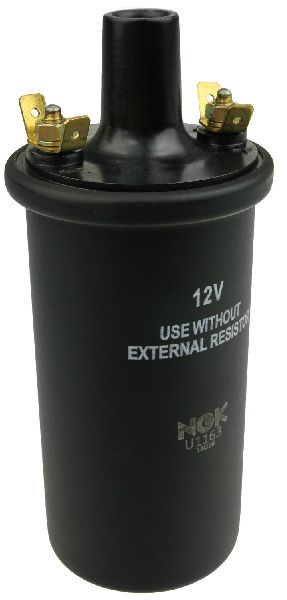
- Tier 1 (High-Quality Aftermarket): Brands like NGK and Standard Ignition (SMP) are well-regarded for their reliability and adherence to original specifications. They are known for quality materials and manufacturing, making them a dependable choice for a daily driver or a car you want to be reliable.
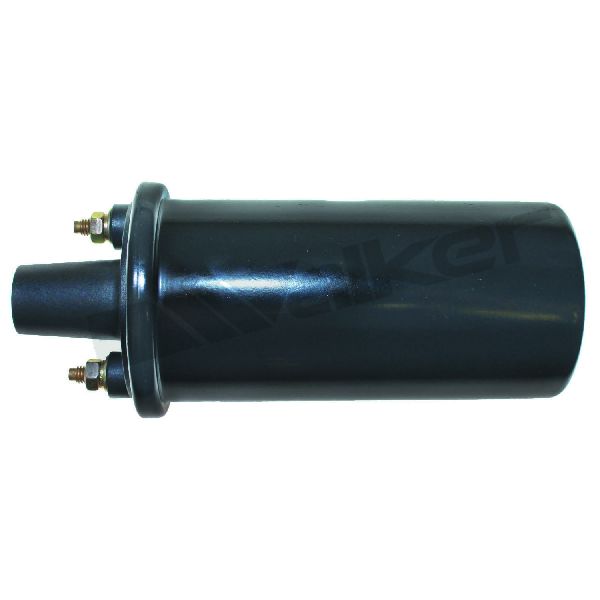
- Tier 2 (Standard Replacement): Brands such as Spectra and Walker Products often provide a good balance of value and performance. They are suitable for most stock applications and are a significant step up from generic, unbranded parts.
- Tier 3 (Budget-Friendly): Brands like Global Parts and Skyward fall into the economy category. While they are the most affordable, their long-term durability may not match that of the higher-tier brands. They can be a viable option for a car that is driven infrequently or if budget is the primary concern.
Pro Tip: Many classic VW owners consider Bosch the original equipment benchmark. While not on the provided list, comparing aftermarket options to a Bosch coil for your specific voltage system is a good way to gauge quality.
| Part Tier | Typical Cost |
|---|---|
| New Aftermarket (Budget) | $23.53 - $45.00 |
| New Aftermarket (Standard/Premium) | $45.00 - $102.30 |
| Shop Labor Cost | $50 - $100 |
Frequently Asked Questions
Do I need a coil with an internal resistor?
It depends on your ignition system. Classic Beetles with original points-based ignition systems require a resistor to protect the points from burning out. Some coils have this resistor built-in, while others require a separate, external ballast resistor. Check if your current setup has an external resistor (a small ceramic block near the coil) and buy a new coil to match that configuration. If you're unsure, consulting a classic VW mechanic or a resource like TheSamba.com forums is a good idea.
Is replacing the ignition coil a DIY job?
Yes, this is a very easy job for a beginner. It typically involves disconnecting the battery, labeling and removing three wires from the old coil, loosening a single clamp bolt to remove the coil, and then installing the new one in the reverse order. The entire process usually takes less than 30 minutes.
How do I test my current ignition coil?
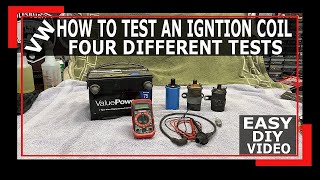
You can perform a basic test with a multimeter. You'll measure the resistance between the two small (primary) terminals and between one small terminal and the large center (secondary) post. A good coil for a Beetle should have a primary resistance of about 3-4.5 ohms. The secondary resistance should be around 9,500-10,000 ohms. A reading of zero or significantly higher indicates a bad coil.
🎬 Watch: How to test a VW Beetle ignition coil with a multimeter.Are there any recalls on Beetle ignition coils?
No, there are no NHTSA recalls or Technical Service Bulletins (TSBs) for ignition coils on the 1950-1966 Volkswagen Beetle. Recalls are generally not issued for vehicles of this age, and any safety issues would have been addressed decades ago.
Helpful Videos
Technical Specifications
OEM Part Numbers: 111905105H 111905105K 113905105
Voltage: 6V or 12V (must match vehicle system). Primary Resistance: Approx. 3.0 - 4.5 Ohms. Secondary Resistance: Approx. 9,000 - 10,500 Ohms. Style: Canister, oil-filled. Terminals: Typically marked '1' (Negative) and '15' (Positive).
We Have This Part in Stock


The information in this article is provided for general reference and educational purposes only. Vehicle specifications, procedures, and part compatibility can vary by production date, trim level, and region. Always consult your vehicle's factory service manual and verify part numbers before purchasing or performing repairs. Safety-critical components such as airbags, seat belts, and braking systems should be installed by a qualified professional.