

Ford Customline Universal Joint Replacement Guide (1952-1956)
Everything a Customline owner needs to know about replacing a worn-out universal joint.
- Listen for squeaking at low speeds and clunking when shifting; these are the earliest signs of U-joint failure.
- For maximum durability and peace of mind, choose a premium non-greasable U-joint from a brand like Dana Spicer.
- Replacing a U-joint is possible for a skilled DIYer with a vise and sockets, but a shop press is the ideal tool.
- Always consider having your driveshaft balanced after installing new U-joints to prevent vibrations and further damage.
Is Your Customline's U-Joint Failing?
A U-joint from the 1950s is well past its service life. Failure isn't a matter of if, but when. Ignoring the signs can lead to a driveshaft separating from the vehicle, causing major damage and a dangerous situation. Listen and feel for these common symptoms:
- Squeaking Noise at Low Speeds: This is often the first sign. A rhythmic squeak when you start moving, which may fade at higher speeds, points to a dry and failing U-joint.
- Clunking or Banging Sound: A distinct "clunk" when you shift into Drive or Reverse means there is too much play in the joint.
- Vibration While Driving: A vibration that you can feel through the floor or seats, especially at highway speeds, is a serious symptom. It can feel like an unbalanced tire, but it's caused by the driveshaft being thrown out of balance by the worn joint. A 1952 Customline owner on a forum described this exact issue.
- Visible Rust or Missing Parts: If you look under the car, rust-colored dust around the U-joint caps is a clear sign the seals have failed and the internal bearings are deteriorating.
Choosing the Right Aftermarket U-Joint
For a classic car like the 1952-1956 Customline, new original Ford parts are not available. You will be buying an aftermarket part. The good news is that modern manufacturing and materials mean a high-quality aftermarket U-joint is often stronger and more durable than the original part from the 1950s. The choice comes down to brand quality and your budget.
Aftermarket Brand Quality Tiers
| Tier | Brands | Description |
|---|---|---|
| Premium (Best) | Dana Spicer | Widely considered the gold standard. Spicer is a trusted OEM supplier known for exceptional strength and durability. Many professionals recommend their non-greasable "Life Series" joints for maximum strength, as they don't have a grease channel that can be a weak point. |
| Quality (Better) | SKF, Moog | SKF is a major bearing manufacturer with a reputation for high-quality parts that meet or exceed original specs. Moog was once a top brand, but modern reviews are mixed, with some users reporting inconsistent quality. For a classic car, both are generally considered reliable choices above economy brands. |
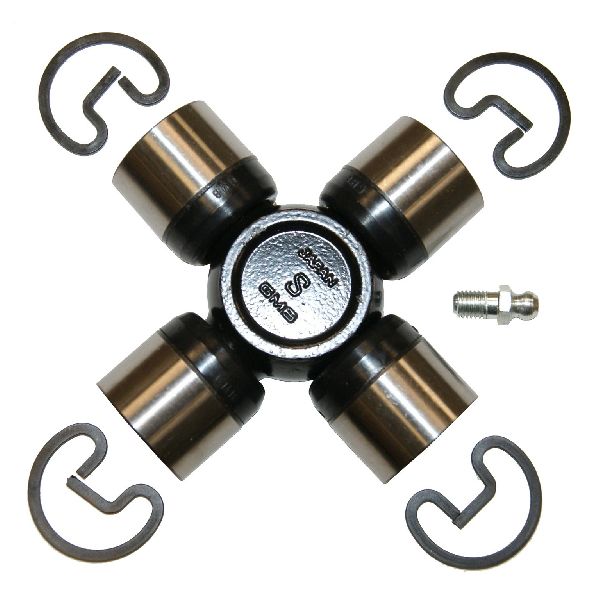
| Standard (Good) | GMB | GMB is a known budget-friendly brand. While functional, they are not typically recommended by enthusiasts for high-performance or long-term durability compared to premium brands. This is a suitable option for a car that is driven sparingly or if budget is the primary concern. |
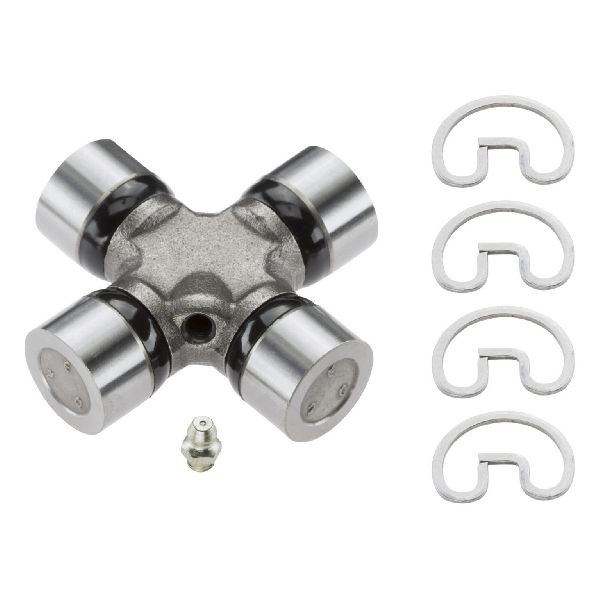
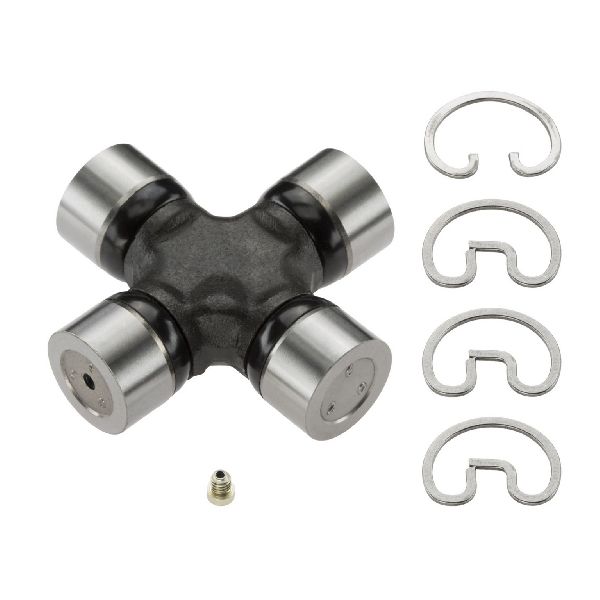
Pro Tip: Greaseable vs. Non-Greasable. Non-greasable (or sealed) U-joints are often stronger because the cross is solid metal, without the channel drilled for a grease fitting. They are filled with high-quality grease at the factory and designed to last the life of the part. Greaseable joints require regular maintenance but can have their life extended if serviced properly. For a classic car that sees limited miles, a quality non-greasable joint from a brand like Spicer is often the best "fit and forget" option.
Frequently Asked Questions
How hard is it to replace a U-joint on a Customline?
It's a job for an experienced home mechanic. The driveshaft must be removed. The most difficult part is pressing the old joint out and the new one in. While a shop press is best, it can be done with a strong bench vise, a hammer, and correctly sized sockets. Patience is key to avoid damaging the driveshaft yoke.
How many U-joints does my Ford Customline have?
A standard single-piece driveshaft on a 1952-1956 Ford Customline will have two universal joints: one at the transmission end (front) and one at the rear axle end (rear). Some models may have a two-piece driveshaft, which would include a third U-joint and a center support bearing.
Do I need to get my driveshaft balanced after replacing the U-joints?
It is highly recommended. Even a careful installation can slightly alter the balance of the driveshaft. An unbalanced driveshaft will cause vibrations that can lead to premature wear on your new U-joints and transmission seals. A professional driveline or machine shop can balance it for a reasonable cost.
What are the most common mistakes when ordering a U-joint?
The biggest mistake is getting the wrong size. U-joints are identified by their cap diameter and overall width. For a classic car, it's best to remove the old U-joint and measure it with calipers before ordering a new one. Taking the old part to the auto parts store to match it up is also a good strategy.
Technical Specifications
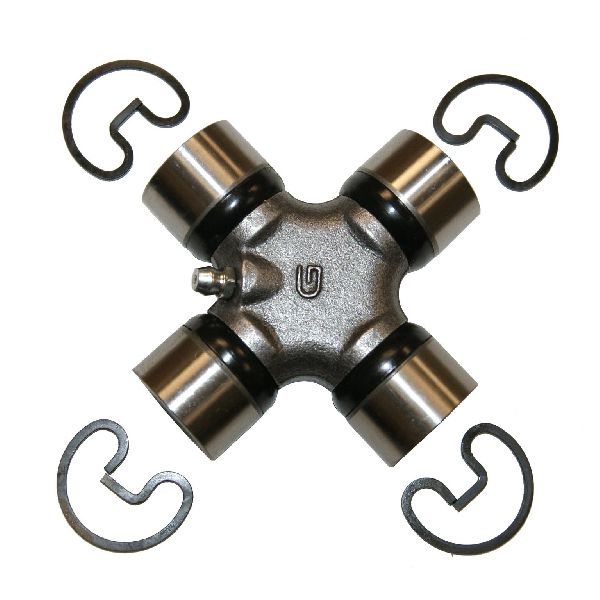
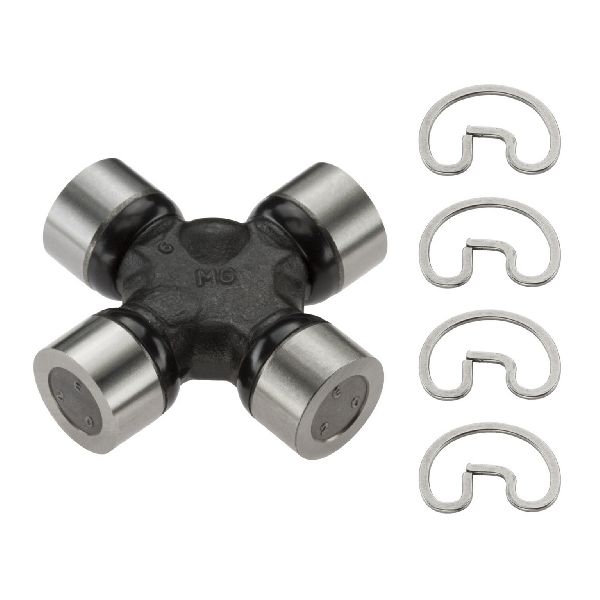
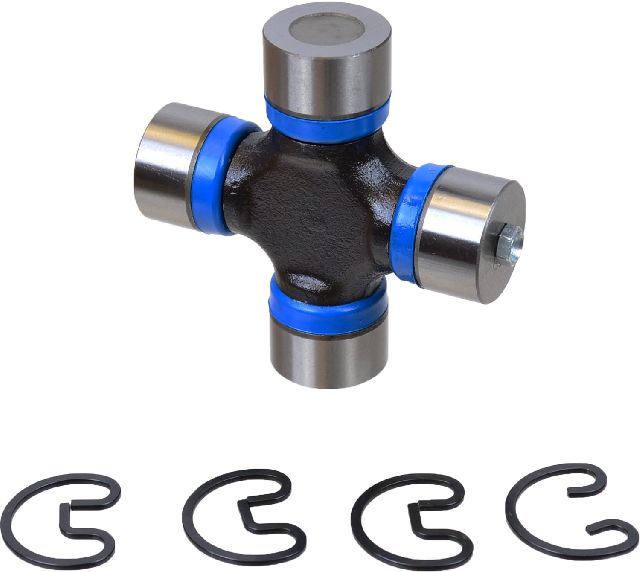
U-joints for the 1952-1956 Ford Customline use an outside lock ring (or snap ring) design. Measurements of the original part are required for a guaranteed fit, as multiple sizes may have been used over the production years.
We Have This Part in Stock

The information in this article is provided for general reference and educational purposes only. Vehicle specifications, procedures, and part compatibility can vary by production date, trim level, and region. Always consult your vehicle's factory service manual and verify part numbers before purchasing or performing repairs. Safety-critical components such as airbags, seat belts, and braking systems should be installed by a qualified professional.