

Engine Coolant Thermostat Guide for the 1952-1956 Ford Mainline
Keep your classic Ford's engine running at the right temperature by understanding, diagnosing, and replacing its thermostat.
- A stuck-closed thermostat is critical and can cause severe engine damage; pull over immediately if you see the temperature gauge spike.
- Always replace the gasket when replacing the thermostat to prevent leaks.
- For Y-block V8 engines, choose a high-flow aftermarket thermostat to ensure proper cooling.
- A 180°F temperature rating is a safe and effective choice for most stock 1952-1956 Mainlines.
Is Your Mainline's Thermostat Failing?
A thermostat is a simple mechanical part, but its failure can lead to serious engine problems. For a classic car like the 1952-1956 Ford Mainline, watching the temperature gauge is key. Thermostats can fail in two ways: stuck open or stuck closed.
Stuck-Open Failure
If the thermostat is stuck open, coolant will flow to the radiator constantly. This will cause your engine to take a very long time to warm up, or it may never reach its proper operating temperature. Symptoms include poor heater performance in the cabin and reduced fuel efficiency as the engine runs too cool.
Stuck-Closed Failure
This is the more dangerous failure. If the thermostat is stuck closed, it prevents coolant from reaching the radiator. Your engine's temperature will rise quickly, leading to overheating. You might see the temperature gauge spike into the hot zone, smell hot coolant, or even see steam coming from under the hood. This can cause severe and expensive damage, like a blown head gasket.
Choosing the Right Aftermarket Thermostat
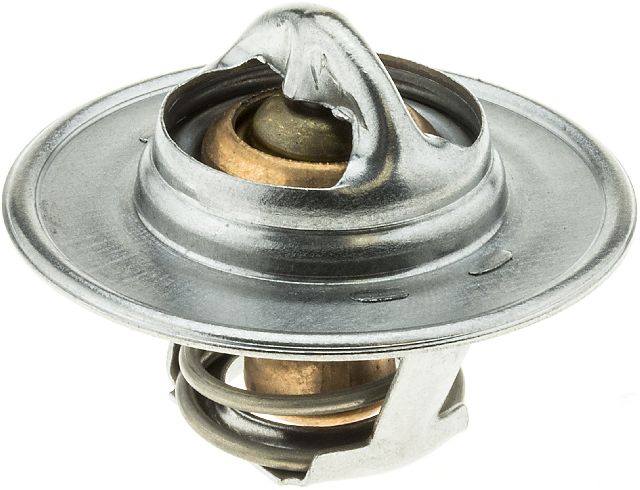
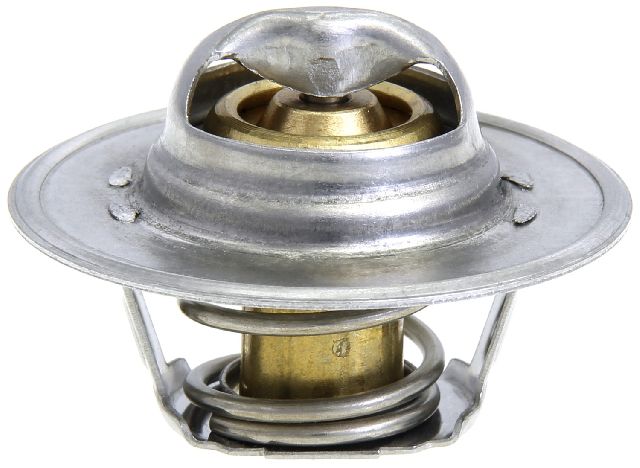
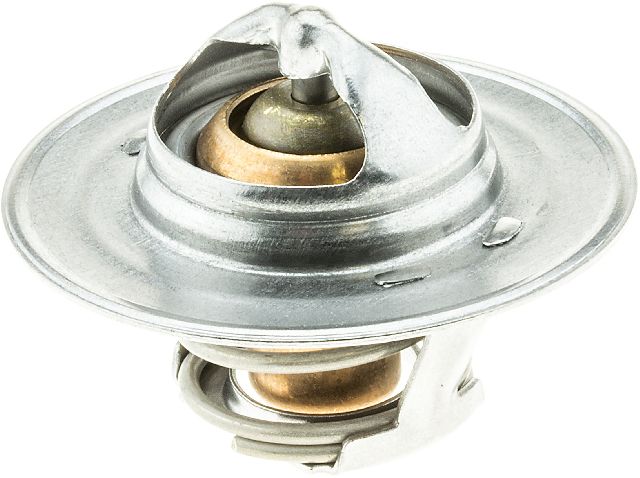
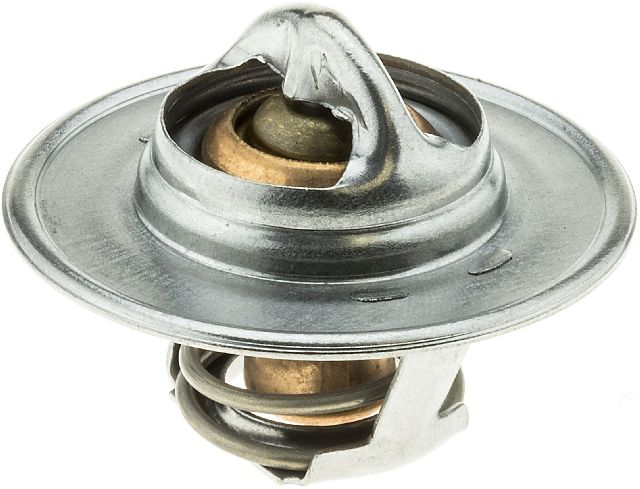
Original Ford thermostats for a 1950s vehicle are not available new. Aftermarket parts are the only practical option. The good news is that thermostats are simple devices, and reputable aftermarket brands offer reliable quality. For a Y-block V8, it's important to use a high-flow thermostat, as modern standard thermostats may not flow enough coolant compared to the original design.
Your Mainline came with either an inline-6 or a Y-block V8 engine, which use a standard-sized thermostat. When choosing a replacement, you have two main decisions: brand and temperature rating.
Brand Quality Tiers
For a classic vehicle like the Mainline, brand choice often comes down to reputation and availability. Many brands today are manufactured by a few large companies.
- Standard Replacement (Good): Brands like Gates and Motorad offer OE-type thermostats that are a reliable choice for daily driving and general use. They are affordable and widely available. Some users note that quality can be inconsistent across all brands in this tier, but many have good experiences.
- Performance (Better): Brands like Edelbrock and Mishimoto offer 'high-performance' or 'racing' thermostats. These are often built with more robust materials and may be designed for higher coolant flow. They are a good option if you have a modified engine or want extra peace of mind. Note that some 'racing' thermostats open at a lower temperature, which may not be ideal for a stock street-driven car.
Temperature Rating
The most common temperature ratings for your Mainline are 180°F and 195°F. Original specifications often called for a 180°F thermostat. Using a 195°F thermostat can slightly improve fuel vaporization and efficiency, but a 180°F unit provides a greater safety margin against overheating, which is often preferred in classic cars. For most stock applications, a 180°F thermostat is a safe and effective choice.
Aftermarket Thermostat Cost
| Quality Tier | Price Range | Notes |
|---|---|---|
| Standard Replacement (Gates, Motorad) |
$7.93 - $25.00 | Good for stock vehicles and daily driving. |
| Performance (Edelbrock, Mishimoto) |
$25.00 - $68.95 | Recommended for modified engines or for owners seeking higher flow and durability. |
Common Ordering Mistakes
The most common mistake is not buying a new gasket. A thermostat replacement always requires a new gasket to prevent leaks. Also, inspect the thermostat housing itself. On these older cars, the cast iron housing can become corroded or cracked. If the sealing surface is pitted, the new gasket may not seal properly, and you should replace the housing as well. For Y-block engines, ensure you are getting a high-flow design.
Pro Tip: While replacing the thermostat, it's a perfect time to inspect all your coolant hoses. On a car this old, rubber hoses are likely brittle and prone to failure. Replacing the thermostat, radiator hoses, and bypass hose (on V8s) at the same time can save you from future breakdowns.
Frequently Asked Questions (FAQ)
What temperature thermostat should I use in my Mainline?
For a stock or near-stock engine, a 180°F thermostat is a great choice. It was a common original temperature and provides a good balance of efficient warm-up and a safe operating margin. A 195°F thermostat can also be used and may offer slight efficiency benefits, but it reduces the safety margin before overheating begins.
Do I need to replace the gasket too?
Yes, absolutely. You must use a new gasket every time you replace the thermostat to ensure a leak-free seal. Gaskets are inexpensive and critical for a successful repair. Also, take the time to thoroughly clean the old gasket material from both the engine and the thermostat housing surfaces.
Are there any recalls for the thermostat on my Ford Mainline?
No. There are no recalls or Technical Service Bulletins (TSBs) from Ford or the NHTSA related to the engine coolant thermostat for the 1952-1956 Ford Mainline. Recalls for vehicles this old are extremely rare, and any issues today are due to the age of the components.
Should I run my engine without a thermostat?
No, this is not recommended. Running without a thermostat will cause the engine to run too cool, which increases engine wear, reduces fuel efficiency, and can lead to the formation of sludge in the oil. The thermostat is necessary to help the engine reach and maintain its proper operating temperature.
Technical Specifications
OEM Part Numbers: B5A-8592-A
Standard size for Ford inline-6 and Y-block V8 engines of the era. Common temperature ratings are 180°F and 195°F. Y-block V8s benefit from a high-flow design.
We Have This Part in Stock


The information in this article is provided for general reference and educational purposes only. Vehicle specifications, procedures, and part compatibility can vary by production date, trim level, and region. Always consult your vehicle's factory service manual and verify part numbers before purchasing or performing repairs. Safety-critical components such as airbags, seat belts, and braking systems should be installed by a qualified professional.