

Ignition Coil Guide for the 1952-1957 Hudson Hornet
Keep your classic Hudson running strong by understanding its ignition coil needs.
- Ensure you buy a 6-volt coil unless your Hornet has been converted to a 12-volt system.
- Symptoms of a bad coil include no-start, rough idle, and poor performance.
- Replacing the coil is an easy DIY job that takes less than an hour.
- Consider replacing the points and condenser at the same time for best results.
Is a Failing Ignition Coil a Big Deal?
Yes, it can be. A weak or dead ignition coil will cause noticeable problems. You might find the car is hard to start, or it might turn over but never fire up. If the coil is failing, you could experience a rough idle, poor acceleration, and even stalling. In a classic car like the Hornet, these issues can sometimes be confused with fuel system problems, but the ignition system is often the place to start your diagnosis. A complete failure will leave you stranded.
Aftermarket vs. OEM Quality
For a vintage vehicle like the 1952-1957 Hudson Hornet, "OEM" (Original Equipment Manufacturer) parts are no longer produced. All new replacement parts are considered aftermarket. The good news is that ignition coils are a relatively simple, universal component from this era. Aftermarket brands have been making reliable replacements for decades. The key is to choose a quality brand known for good materials and testing. Cheaper, low-quality coils are known to fail prematurely, causing the same problems you were trying to fix.
Choosing the Right Aftermarket Ignition Coil
When shopping for a new ignition coil for your Hornet, you'll find several options. They can generally be grouped into different quality tiers. It is critical to ensure you are purchasing a 6-volt coil, as this was the standard for most of the production run.
| Brand Tier | Brands | General Assessment |
|---|---|---|
| Premium Aftermarket | Standard Ignition (Blue Streak) | Standard's Blue Streak line is often considered a higher-quality option, designed to meet or exceed original specifications. They focus on durability and performance, which is a good choice for a classic vehicle you want to be reliable. |
| Standard Aftermarket | Standard Ignition (T-Series), Spectra | Standard's regular line provides a good balance of quality and price and has been a staple in auto parts stores for years. Spectra Premium is another well-known aftermarket manufacturer offering parts for a wide range of vehicles, including classics. Owner reviews on Spectra can be mixed, with some experiencing premature failures, suggesting quality can be inconsistent. |
| Economy | Skyward, other store brands | Economy brands meet the basic need and can get your vehicle running. However, their longevity and performance may not match that of the higher-tiered brands. For a classic car, it's often worth spending a little more for the reliability of a better-known brand. |
Pro Tip: Check Your Bracket
Some aftermarket coils may have a slightly different diameter than the original part. While they will function correctly electrically, you might need to slightly modify your existing mounting bracket to ensure a snug and secure fit. Always compare the new coil to the old one before installation.
Known Issues, Recalls, and Service Bulletins
Searches for official recalls or technical service bulletins (TSBs) from the National Highway Traffic Safety Administration (NHTSA) for the 1952-1957 Hudson Hornet ignition coil yielded no results. This is expected for a vehicle of this age. Any common problems are typically shared among owners in forums and clubs. The most frequently discussed issues are related to diagnosing a no-spark condition, which often points to the coil, condenser, or points within the distributor.
Frequently Asked Questions
How do I know if I need a 6-volt or 12-volt coil?
Your Hudson Hornet originally came with a 6-volt positive ground electrical system. Unless your vehicle has been specifically converted to a 12-volt system (a common modification), you must use a 6-volt ignition coil. Using a 12-volt coil on a 6-volt system will result in a very weak spark, and using a 6-volt coil on a 12-volt system will cause it to overheat and fail quickly.
What other parts should I replace with the ignition coil?
When you replace the ignition coil, it's a good time to inspect other parts of the ignition system. Consider replacing the ignition points and condenser at the same time. These are inexpensive parts that wear out and are crucial for the coil to operate correctly. Also, check your spark plug wires and distributor cap for any cracks or corrosion.
Can I replace the ignition coil myself?
Yes, this is a very straightforward job for a DIY mechanic. The ignition coil is usually mounted to the engine block or firewall with a simple bracket. It involves disconnecting the battery, removing a few electrical wires (make sure to label them!), and unbolting the coil. The entire process typically takes less than an hour.
What is the difference between a standard and an oil-filled coil?
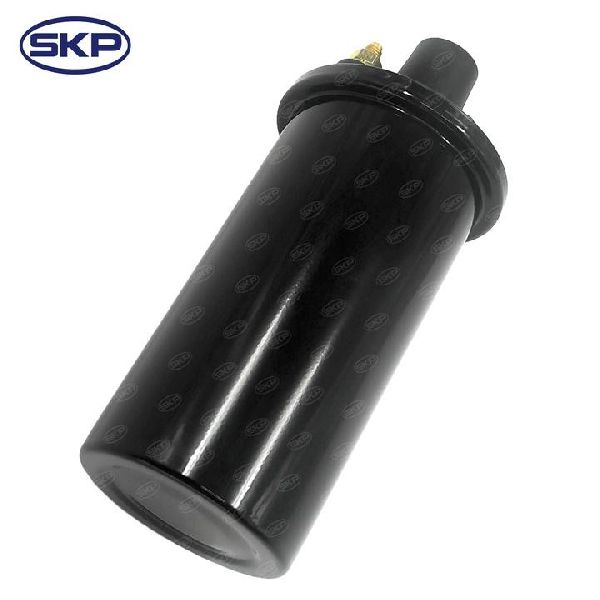
Most coils for this era, including aftermarket replacements, are oil-filled. The oil helps to cool the internal windings of the coil and prevent them from overheating. This is a standard and reliable design for this type of ignition system.
Technical Specifications
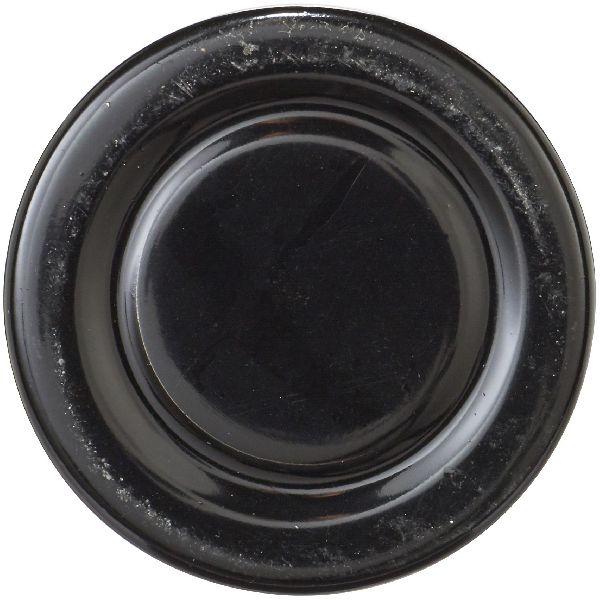
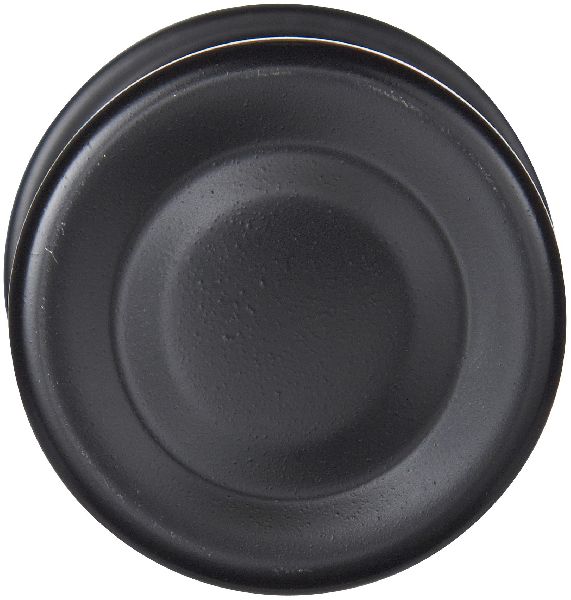
Voltage: 6V, Terminal Quantity: 2, Coil Type: Canister/Conventional, Oil Filled: Yes
We Have This Part in Stock


The information in this article is provided for general reference and educational purposes only. Vehicle specifications, procedures, and part compatibility can vary by production date, trim level, and region. Always consult your vehicle's factory service manual and verify part numbers before purchasing or performing repairs. Safety-critical components such as airbags, seat belts, and braking systems should be installed by a qualified professional.