

A Deep Dive into the 1953-1957 Dodge Coronet Mechanical Fuel Pump
Keep your classic Coronet's engine fed correctly by understanding its mechanical fuel pump.
- Ensure any new pump is made with modern, ethanol-resistant materials to prevent premature failure from today's gasoline.
- A leaking fuel pump is a critical fire hazard and must be replaced immediately.
- Symptoms of failure include engine hesitation, stalling, and no-start conditions.
- High-performance brands like Edelbrock offer excellent quality, while standard replacements require careful selection to ensure reliability.
Symptoms of a Failing Fuel Pump
A failing mechanical fuel pump gives clear warning signs. Because it delivers fuel inconsistently, the engine can be starved of the gasoline it needs to run properly. You might first notice the engine sputtering or hesitating when you accelerate, especially when climbing a hill or putting the engine under load. Other common symptoms include a rough idle, stalling for no apparent reason, and a general loss of power. In a severe case, a complete pump failure will prevent the engine from starting at all. A visual inspection may also reveal fuel leaking from the pump body, which is a serious fire hazard that requires immediate attention.
Special Warning: Modern Fuels Can Damage Original-Style Pumps
The most significant issue facing 1953-1957 Dodge Coronet owners is the effect of modern gasoline. Today's fuel often contains up to 10% ethanol, which can be corrosive to the rubber diaphragm inside original or older-style reproduction fuel pumps. A forum member with a 1957 Coronet reported experiencing repeated fuel pump failures for this exact reason. The ethanol blend can cause the diaphragm to rupture, leading to a dangerous fuel leak into the engine bay or crankcase. When buying a new aftermarket pump, it is critical to choose one specifically made with modern, ethanol-compatible materials.
Choosing the Right Aftermarket Fuel Pump
Since new original equipment (OEM) pumps for a classic vehicle like this are no longer made, you will be choosing from aftermarket brands. The quality can vary, so it's important to understand your options.
Brand Quality Tiers
- Performance Tier (e.g., Edelbrock): Edelbrock is a well-known American brand that produces high-performance parts. Their pumps are designed to support engines up to 600 horsepower and are often a good match for other Edelbrock performance parts like carburetors. They typically produce around 6 PSI, which is ideal for a carbureted engine and may not require a separate fuel pressure regulator. While they are more expensive, they have a reputation for quality.
- Standard Replacement Tier (e.g., Spectra, US Motor Works): These brands offer more budget-friendly, OE-style replacements. Spectra Premium is a common aftermarket brand with a wide range of parts. US Motor Works states that their pumps are made with modern materials compatible with today's fuel blends. However, reviews for these standard brands can be mixed, with some customers reporting early failures on other vehicle applications. If choosing a standard replacement, verify it is designed to be resistant to ethanol.
Pro Tip: Consider Rebuilding Your Original Pump
If you still have your car's original fuel pump, another excellent option is to have it professionally rebuilt or to rebuild it yourself with a modern kit. Some companies, like Then and Now Automotive, specialize in rebuilding vintage pumps using ethanol-compatible rubber components. This allows you to keep the original look of your engine bay while gaining modern reliability.
Typical Replacement Costs
The cost for a new aftermarket mechanical fuel pump is relatively affordable. The installation is also straightforward for a DIY mechanic with basic tools.
| Item | Estimated Cost |
|---|---|
| New Aftermarket Mechanical Fuel Pump | $87.13 - $98.72 |
| Shop Labor | $100 - $200 |
| Total Estimated Cost | $187 - $299 |
Frequently Asked Questions
Do I need a fuel pressure regulator with these pumps?
Generally, no. Most mechanical pumps for this application, including performance models from brands like Edelbrock, are designed to output pressure around 6 PSI, which is safe for a carburetor's needle and seat. A regulator is usually not necessary unless you are using a high-pressure racing pump.
What is vapor lock and can a new pump help?
Vapor lock is when engine heat causes the fuel in the line to boil and turn into vapor. The pump cannot move this vapor, and the engine stalls from lack of fuel. While a healthy pump helps, this issue is often caused by the lower boiling point of modern fuels and how the fuel lines are routed near hot engine components. Some owners switch to an electric pump mounted near the tank to solve chronic vapor lock, as electric pumps are better at pushing fuel than mechanical pumps are at pulling it.
Is an aftermarket pump as good as the original OEM one?
A high-quality aftermarket pump from a reputable brand can be as good or even better than the original, primarily because it will be constructed with modern materials designed to withstand ethanol-blended fuels. An original pump, or an old reproduction, will likely fail quickly with modern gasoline.
How can I test my current fuel pump?
A simple test is to remove the air cleaner, look down the throat of the carburetor, and pump the throttle linkage. You should see a squirt of fuel. If not, the pump may have failed. For a more accurate test, you can disconnect the fuel line at the carburetor, place the end in a container, and crank the engine. Strong, steady spurts of fuel indicate the pump is working. A pressure gauge can also be used to check if the output is within specification (typically 5-6 PSI).
Technical Specifications
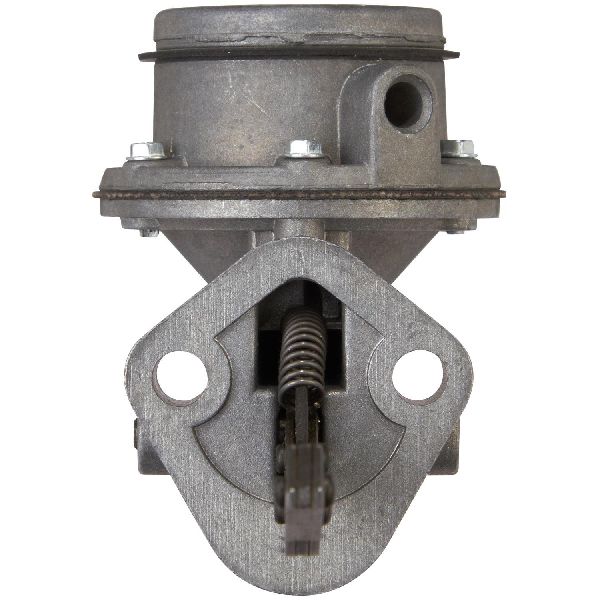
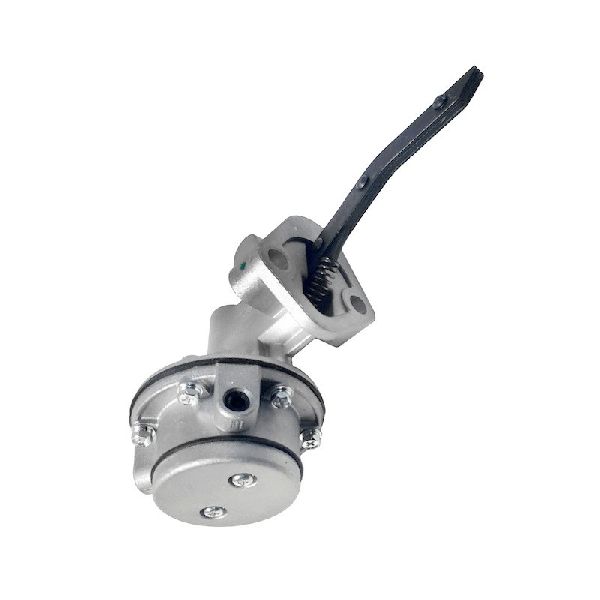
OEM Part Numbers: 5594453
Drive Type: Mechanical Pressure: Approximately 5-6 PSI Inlet/Outlet: Varies by brand, often 3/8" NPT
We Have This Part in Stock

The information in this article is provided for general reference and educational purposes only. Vehicle specifications, procedures, and part compatibility can vary by production date, trim level, and region. Always consult your vehicle's factory service manual and verify part numbers before purchasing or performing repairs. Safety-critical components such as airbags, seat belts, and braking systems should be installed by a qualified professional.