

Choosing the Right Spark Plug Wire Set for Your 1953-1959 Ford F-100
Keep your classic F-100's Y-block V8 or inline-6 running strong with a new set of spark plug wires.
- Always replace spark plug wires one at a time to avoid mixing up the firing order.
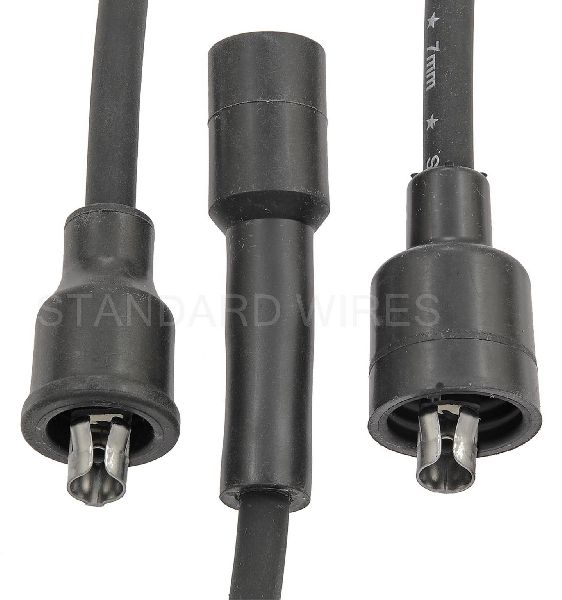
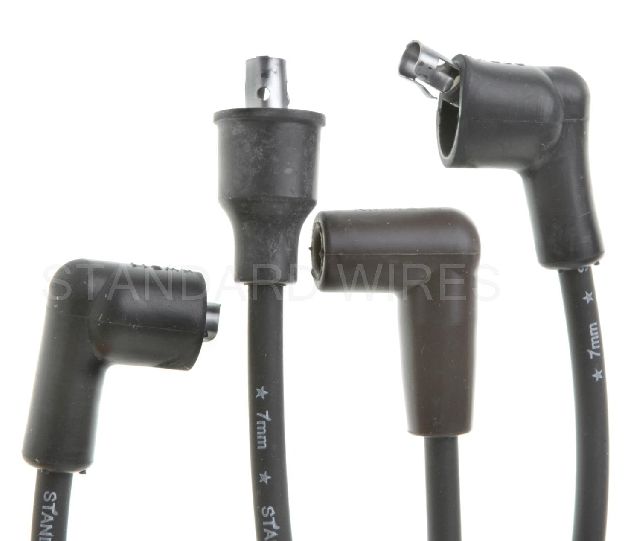
- Choose between stock-style 7mm wires for a classic look or upgraded 8mm silicone wires for better durability and performance.
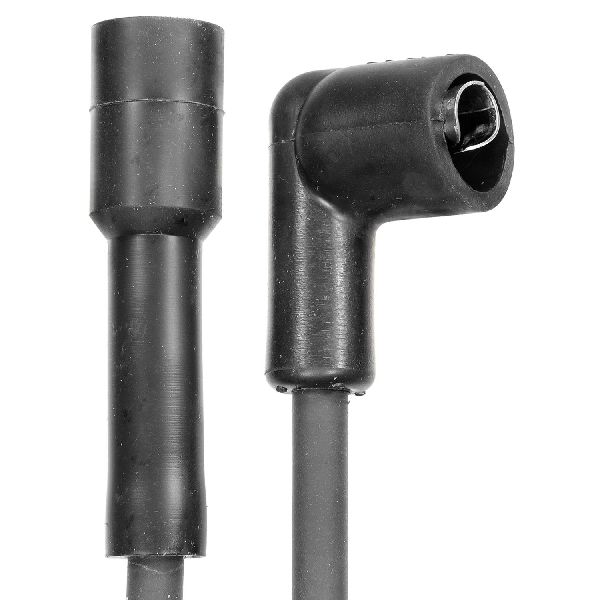
- Inspect your distributor cap terminals (male vs. female) before ordering to ensure compatibility.
- Use wire separators to prevent crossfire, a common issue that can cause misfires.
Signs of Failing Spark Plug Wires
Old spark plug wires can cause problems that you might notice while driving. When wires wear out, the electricity they carry can weaken or leak out before it reaches the spark plug. This can lead to several noticeable symptoms.
Common signs of failing wires include a rough idle, engine hesitation or stumbling when you accelerate, and a general loss of power. You might also experience the engine misfiring, which can feel like a jerking or stumbling sensation. In some cases, you can see physical damage on the wires, like cracks, melting, or burn marks from touching hot engine parts. Because these trucks pre-date modern computer diagnostics, you won't get a "Check Engine" light, so you have to rely on these physical signs.
Choosing the Right Aftermarket Wires
For a 1953-1959 F-100, original Ford (OEM) wires are no longer manufactured. All available options are aftermarket, but they fall into a few categories:
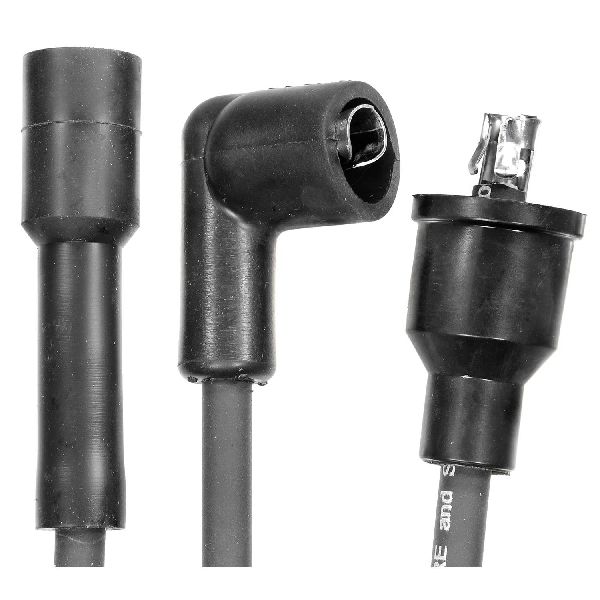
- Stock Replacement: These are designed to look and perform like the originals. They often have 7mm diameter wires and may even feature period-correct lettering like the "FOMOCO" script for a factory-fresh look on a restoration. Brands like Standard Motor Products offer reliable, budget-friendly replacement sets that meet original specifications.
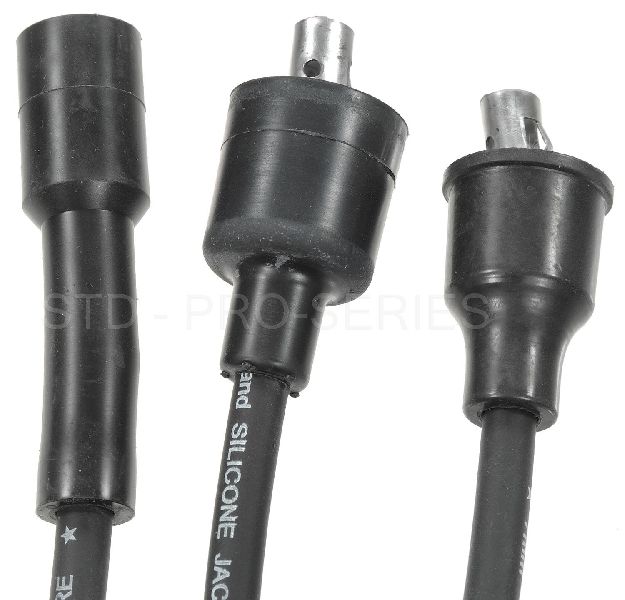
- Street Performance: These are a popular upgrade for daily drivers or lightly modified trucks. They typically feature thicker 8mm silicone jackets for better heat resistance and durability. Brands like Pertronix and Taylor Cable are well-regarded in this category. They offer better insulation and lower electrical resistance, which can provide a stronger, more reliable spark, especially if you've upgraded your ignition coil or distributor.
- Custom/Racing Wires: For highly modified engines, brands like Taylor offer wires with very thick insulation (up to 10.4mm) and extremely low resistance for maximum spark energy. These often come in "cut-to-fit" kits, allowing you to create perfect wire lengths for your specific engine setup.
Pro Tip: Check Your Distributor Cap
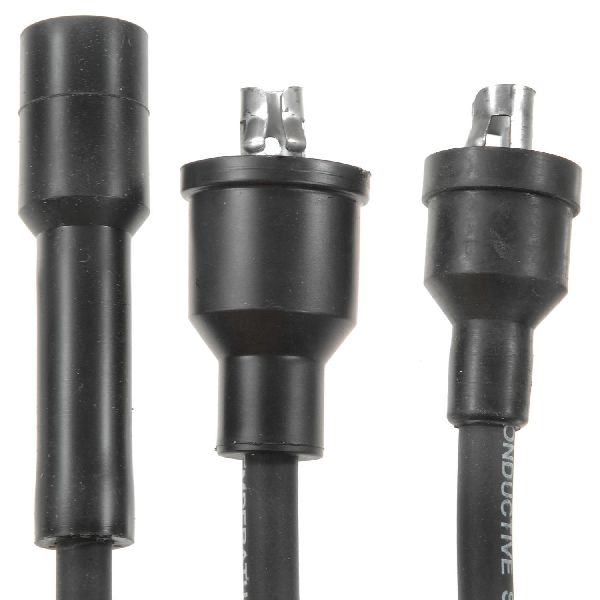
Before ordering, check if your distributor cap has male posts (like a modern car) or female sockets (original style). Some wire sets are designed for one or the other, or come with terminals for both. Upgraded distributors, like those from Pertronix, often use the more common male post cap.
Aftermarket Spark Plug Wire Cost
| Brand Tier | Typical Price Range | Best For |
|---|---|---|
| Standard Replacement (e.g., Standard Wires) | $25 - $50 | Stock restorations and budget-friendly tune-ups. |
| Street Performance (e.g., Pertronix, Taylor) | $50 - $100 | Daily drivers and modified trucks needing better heat and electrical protection. |
| Premium/Custom Fit (e.g., Taylor, MSD) | $80 - $155+ | Custom engine builds, high-performance applications, and achieving a clean, tailored look. |
Frequently Asked Questions (FAQ)
How often should I replace my spark plug wires?
For a classic truck, there's no strict schedule. It's best to inspect them during every major tune-up. Look for cracks, stiffness, or any signs of burning. If they are original or very old, replacing them is a good preventative measure to ensure reliability.
What's the difference between 7mm and 8mm wires?
The measurement refers to the wire's outer diameter. A thicker wire, like an 8mm one, generally has better insulation. This provides more protection against heat and helps prevent the spark from arcing to the engine block or other metal parts, which is especially useful in a hot engine bay.
Do I need special tools to replace spark plug wires?
No special tools are required for pre-made sets. A good pair of spark plug boot pullers can be helpful to avoid damaging the wires or boots during removal. If you buy a "cut-to-fit" set, you will need a wire stripping and crimping tool designed for spark plug wires.
Should I replace the wires one at a time?
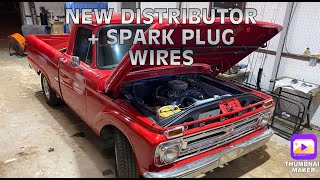
Yes, this is the best way to do it. Replace one wire at a time to ensure the new wire goes to the correct cylinder, maintaining the engine's firing order. 🎬 Watch a demonstration of spark plug wire installation and timing. Mixing up the wires will cause the engine to run poorly, backfire, or not start at all.
Are there any recalls or known issues?
There are no recalls or Technical Service Bulletins (TSBs) from Ford for spark plug wires on the 1953-1959 F-100. The most common issue reported by owners is getting the firing order wrong during installation. Another potential problem is crossfire, which can happen if wires for cylinders that fire in sequence are routed too close together. Using wire separators can help prevent this.
Helpful Videos
Technical Specifications
Common diameters are 7mm for stock-style and 8mm for performance. Core material can be carbon for radio suppression or spiral wound for lower resistance. Boot angles are typically 90-degrees for the distributor cap.
We Have This Part in Stock

The information in this article is provided for general reference and educational purposes only. Vehicle specifications, procedures, and part compatibility can vary by production date, trim level, and region. Always consult your vehicle's factory service manual and verify part numbers before purchasing or performing repairs. Safety-critical components such as airbags, seat belts, and braking systems should be installed by a qualified professional.