

Ford F-100 Spark Plug Guide for 1953-1960 Models
Get the right spark and keep your classic Ford F-100 running strong with the correct new spark plugs.
- You must identify your engine (I6 or Y-block V8) to buy the correct spark plugs.
- Standard copper plugs from Autolite (like the 45 or 46) or NGK are highly recommended by other owners for reliability.
- Always check and adjust the spark plug gap to 0.035 inches before installation.
- This is an easy and affordable DIY job that requires only basic tools.
Choosing the Right Spark Plug for Your F-100 Engine
Before buying spark plugs, the most important step is to identify which engine is in your truck. During this era, Ford offered several options, most commonly the inline-six (I6) and the Y-block V8. Using the wrong plug can lead to poor performance or even engine damage. Always check your engine to be sure.
Aftermarket Brand Quality
For a classic truck like the F-100, you don't need expensive, fancy-metal spark plugs. Standard copper-core plugs are what these engines were designed for, and they work great. The brands you choose from today are often the same ones that made the original parts for Ford. Here’s an honest look at your options based on what experienced owners use.
Brand Recommendations
| Brand | Notes |
|---|---|
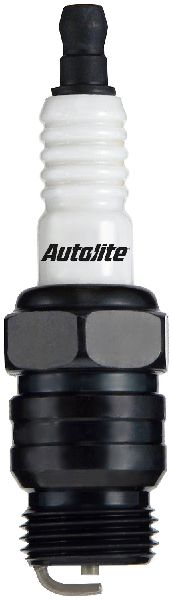
| Autolite | Highly recommended by classic Ford owners. The Autolite 45 and 46 are very common choices for the Y-block V8s. The Autolite 46 is a slightly "hotter" plug, which can be better for engines that are a bit older and might burn a little oil. |
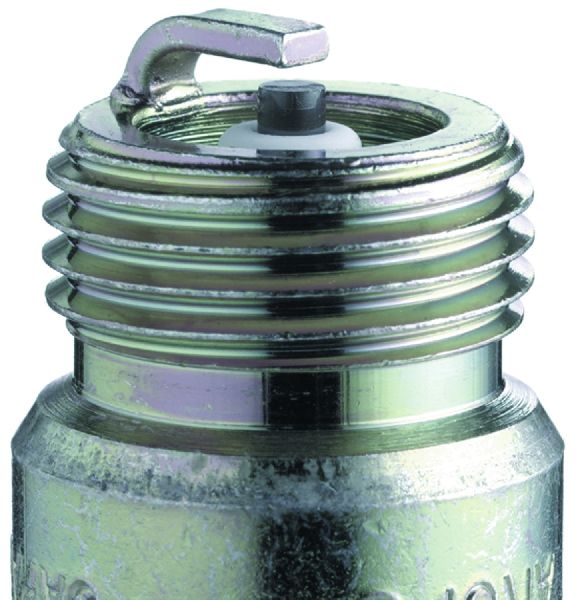
| NGK | A top choice for many enthusiasts who report smooth idling and reliable performance. They are considered a very high-quality alternative to Autolite. The NGK WR5 is a common cross-reference for the popular Autolite 46. |
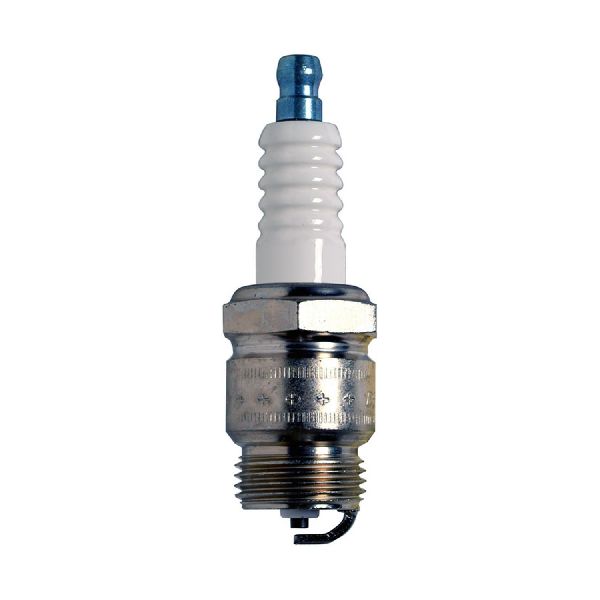
| Denso | A well-respected Japanese brand known for quality, similar to NGK. While not as commonly discussed in F-100 forums as Autolite or NGK, they are a solid choice if available for your engine. |
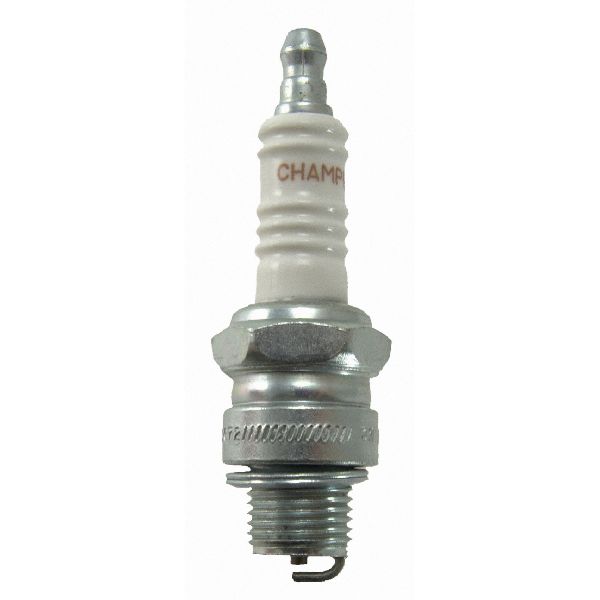
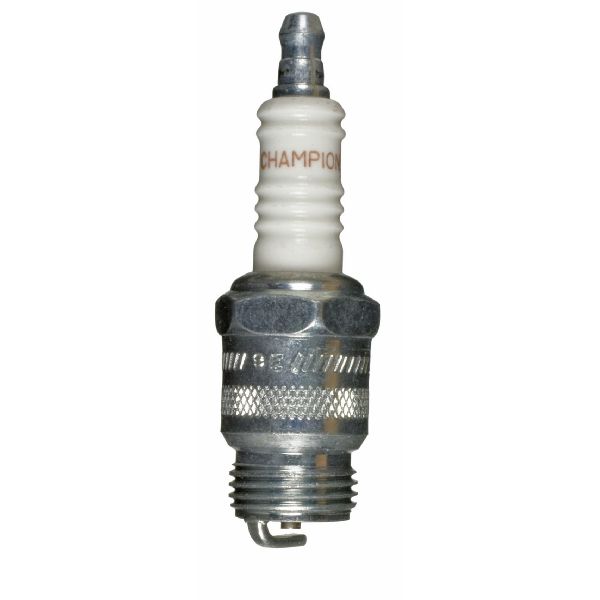
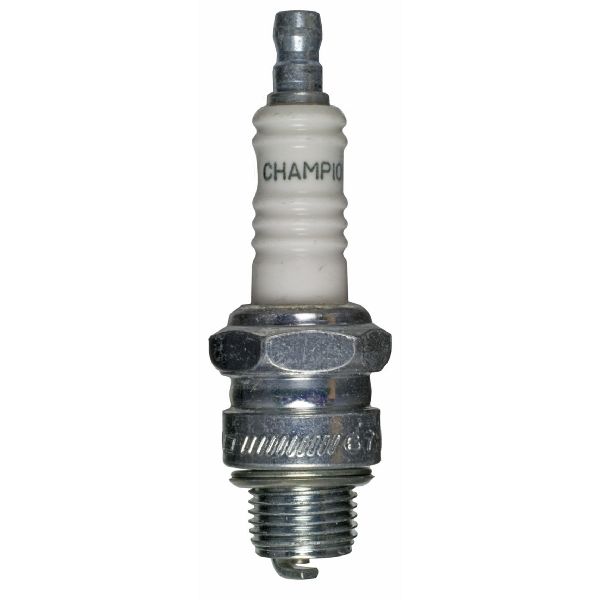
| Champion | Champion was an original supplier for many Ford vehicles. However, some long-time mechanics and owners feel the quality of modern Champion plugs is not what it used to be. They can still work, but Autolite and NGK are generally preferred by the community. |
Pro Tip: Check the Gap! New spark plugs are not always gapped correctly for your specific truck. For a stock 1953-1960 F-100, a spark plug gap of 0.035 inches is the standard starting point. Use a feeler gauge or gapping tool to check and set each plug before installation. An incorrect gap is a common cause of poor performance.
Known Issues & Recalls
There are no active recalls or technical service bulletins (TSBs) from the NHTSA for spark plugs on the 1953-1960 Ford F-100. These trucks are very simple. Problems that seem like bad spark plugs, such as hard starting or misfiring, can sometimes be caused by other simple parts in the ignition system like the distributor cap, rotor, points, or ignition coil, especially after they get wet.
Cost of New Aftermarket Spark Plugs
Replacing spark plugs is one of the most affordable maintenance jobs you can do. The parts themselves are inexpensive, and if you have basic tools, you can do the job yourself.
Estimated Costs
| Item | Cost |
|---|---|
| New Aftermarket Spark Plugs (per plug) | $3.61 - $7.59 |
| Shop Labor (Estimated) | $50 - $100 |
Frequently Asked Questions (FAQ)
How often should I change the spark plugs?
For these classic trucks using standard copper spark plugs, a good rule of thumb is to inspect them every 10,000 miles and plan on replacing them every 20,000 to 30,000 miles, or whenever you are doing a major tune-up.
What does a "hotter" or "colder" spark plug mean?
This refers to the plug's ability to transfer heat, not the intensity of its spark. A "hotter" plug (like the Autolite 46) retains more heat, which helps burn off carbon deposits. This is often good for older engines that run a little rich or burn some oil. A "colder" plug is used in high-performance, high-compression engines to prevent overheating the plug itself.
Do I need to use anti-seize on the threads?
This is a debated topic. Some plug manufacturers, like NGK, advise against it because their plugs have a special coating. If you do use it, use only a very small amount and be aware that you should reduce the final torque setting slightly. For most owners, simply installing the plugs clean and dry is fine.
Is it hard to replace the spark plugs myself?
No, this is a great job for a beginner. The spark plugs on both the I6 and V8 engines in these trucks are generally easy to access. You will need a ratchet, a spark plug socket (usually 13/16-inch), and an extension. Just be sure to work on a cool engine and replace the plugs one at a time to avoid mixing up the spark plug wires.
Technical Specifications
{ "Common Brands": "Autolite, NGK, Champion, Denso", "Common Part Numbers (Y-Block V8)": "Autolite 45, Autolite 46, NGK WR5, Champion H10C", "Common Part Numbers (223 I6)": "Autolite 46, Champion RF14YC", "Material": "Copper Core (Recommended Standard)", "Socket Size": "13/16 inch", "Standard Gap": "0.035 inches" }
We Have This Part in Stock

The information in this article is provided for general reference and educational purposes only. Vehicle specifications, procedures, and part compatibility can vary by production date, trim level, and region. Always consult your vehicle's factory service manual and verify part numbers before purchasing or performing repairs. Safety-critical components such as airbags, seat belts, and braking systems should be installed by a qualified professional.