

Selecting the Correct Spark Plugs for Your 1953-1963 AC Ace Engine
Your Ace's performance depends entirely on choosing the right plug for its specific AC, Bristol, or Ford engine.
- You must identify your engine (AC, Bristol, or Ford) before buying plugs, as they are not interchangeable.
- Modern aftermarket brands like Champion and NGK are excellent, reliable replacements for original plugs.
- For Bristol engines, NGK C7HSA or C6HSA are popular choices among owners.
- Always verify the spark plug gap is set to your engine's specification before installation.
Identifying Your Engine is the First Step
CRITICAL: The 1953-1963 AC Ace was fitted with three different straight-six engines during its production run. They are not interchangeable and use different spark plugs. Before purchasing, you must identify which engine is in your car.
- AC 2.0L OHC Engine (1953-1963): The original engine for the Ace.
- Bristol 2.0L Engine (1956-1963): A higher-performance option, identifiable by its valve cover design and chassis numbers starting with 'BE'.
- Ford 2.6L Zephyr Engine (1961-1963): Used in the final years, often tuned by Ruddspeed. Chassis numbers typically start with 'RS'.
Symptoms of Failing Spark Plugs
Worn or fouled spark plugs can cause noticeable issues with your Ace's performance. Because these classic engines require precise tuning, a bad plug can quickly make the car run poorly. Look for these common signs.
- Rough Idle: The engine may shake or sound uneven when the car is stopped.
- Engine Misfires: You may feel a hesitation or stumble from the engine, especially under acceleration.
- Difficulty Starting: A weak spark makes it harder for the engine to fire up, especially when cold.
- Poor Acceleration: The car may feel sluggish or down on power when you press the gas pedal.
- Reduced Fuel Economy: Inefficient combustion from a bad spark wastes fuel.
Choosing the Right Aftermarket Spark Plug
For a vehicle of this vintage, finding New Old Stock (NOS) original brand plugs like Lodge is difficult and often unnecessary. Modern aftermarket plugs from brands like Champion or NGK offer excellent, reliable performance, often exceeding the quality of the originals. The key is to match the specifications for your specific engine.
For the AC 2.0L Engine:
The original factory plug was typically a Lodge C14 (14mm). Owners have found modern equivalents work very well. A slightly hotter plug can help prevent fouling with today's fuels.
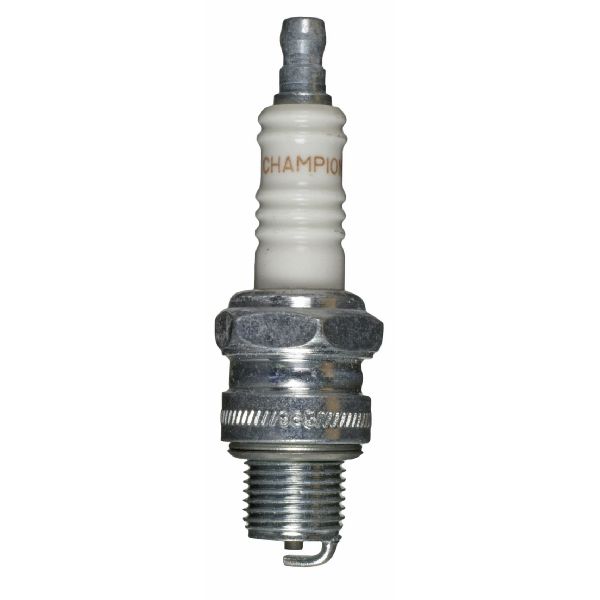
- Standard Replacements: Champion L86C, NGK B5HS.
For the Bristol 2.0L Engine:
This engine is more sensitive, and using the correct plug is important. Original plugs were often Lodge or Champion. Modern NGK plugs are a very popular and reliable choice among owners.
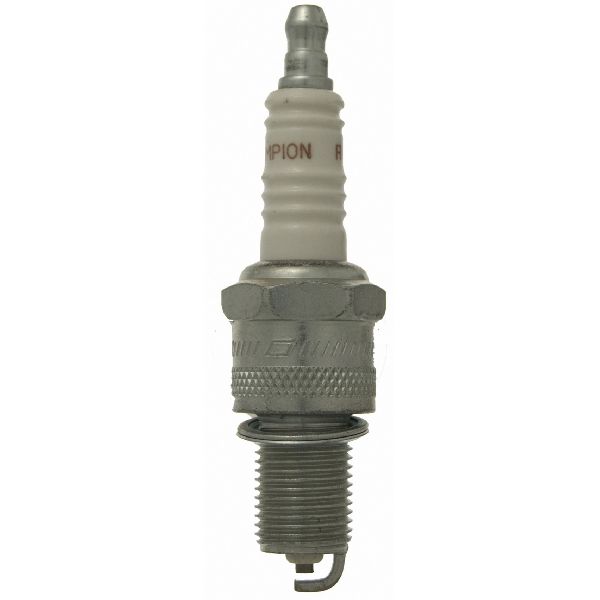
- Standard Replacements: Champion N3C or N5C.
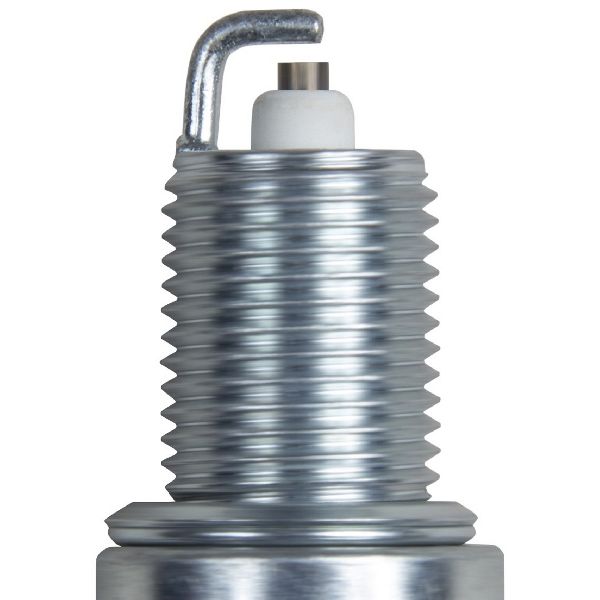
- Popular Upgrade: NGK C7HSA or a slightly hotter C6HSA are widely used. Be mindful of the thread reach to ensure the electrode sits correctly in the combustion chamber.
For the Ford 2.6L (Ruddspeed) Engine:
This engine is a modified Ford Zephyr unit. Spark plugs for the Zephyr 6 MkII are the correct starting point. Given the performance modifications by Ruddspeed, you may need to experiment with heat ranges depending on your specific state of tune.
Pro Tip: Check the Gap. Always check the spark plug gap with a feeler gauge before installation. A common gap setting for these engines is around 0.025 inches (0.64mm), but consult your service manual for the exact specification for your engine and ignition setup.
| Brand Tier | Typical Price Range | Notes |
|---|---|---|
| Value (Copper) | $3.50 - $6.00 | Standard copper plugs like Champion or Autolite Copper provide reliable performance and are a great value. They are very similar to the original technology. |
| Premium (Platinum/Iridium) | $7.00 - $14.90 | Plugs like NGK Iridium IX offer a stronger spark and longer life. While not necessary, some owners report smoother running, especially on highly-tuned engines. |
Frequently Asked Questions
How can I be sure which engine I have?
The easiest way is to check your chassis number. AC-engined cars start with 'AE', Bristol with 'BE', and Ford with 'RS'. You can also visually inspect the engine; the Bristol engine has a distinct valve cover and intake manifold setup compared to the AC and Ford units.
What is a spark plug 'heat range' and why does it matter?
The heat range refers to how quickly the plug transfers heat away from its firing tip. A 'hotter' plug retains more heat, which helps burn off carbon deposits at low speeds. A 'colder' plug transfers heat away faster to prevent overheating and detonation under high-performance conditions like racing. For street driving, the standard recommended heat range is almost always correct.
How often should I change the spark plugs on my Ace?
For a classic car that may not be driven daily, time is a bigger factor than mileage. It's good practice to inspect your spark plugs annually and replace them every 2-3 years or around 10,000-15,000 miles, regardless of appearance. This ensures your ignition system stays in top shape.
Are expensive iridium plugs worth it for my classic?
For a standard engine in good tune, traditional copper plugs from Champion or NGK are perfectly adequate and cost-effective. However, some owners, particularly those with modified Bristol engines, report smoother idling and better performance with iridium plugs. They are a potential upgrade but not a requirement.
Technical Specifications
OEM Part Numbers: Lodge C14 (AC Engine) Lodge CLN-H (Bristol Engine) Champion N3 (Bristol Engine) Champion N5 (Bristol Engine)
Engine Type: AC 2.0L, Bristol 2.0L, or Ford 2.6L Inline-6 Quantity: 6 spark plugs required Common Thread Size: 14mm Common Gap Setting: ~0.025 in (0.64 mm)
We Have This Part in Stock


The information in this article is provided for general reference and educational purposes only. Vehicle specifications, procedures, and part compatibility can vary by production date, trim level, and region. Always consult your vehicle's factory service manual and verify part numbers before purchasing or performing repairs. Safety-critical components such as airbags, seat belts, and braking systems should be installed by a qualified professional.