

A Guide to Spark Plugs for the 1953-1964 Chevrolet Corvette
Keep your classic C1 Corvette's engine firing on all cylinders with the correct set of spark plugs.
- Verify your Corvette's specific engine (I6, 265, 283, 327) to select the correct spark plug.
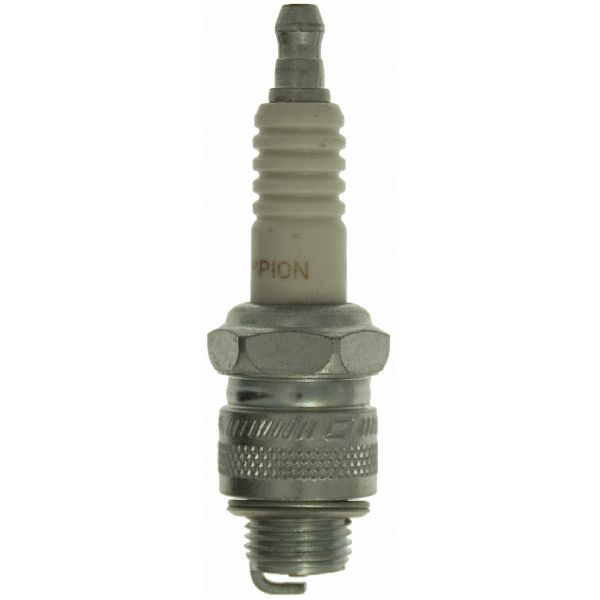
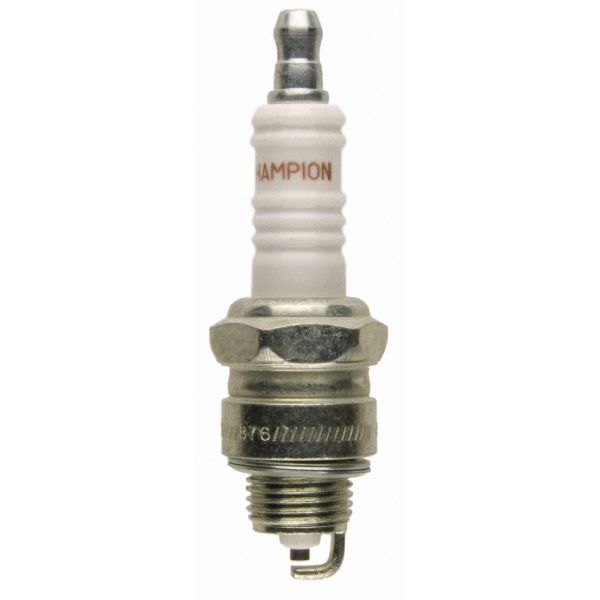
- For stock engines, a standard copper plug from ACDelco or Champion is an excellent, period-correct choice.
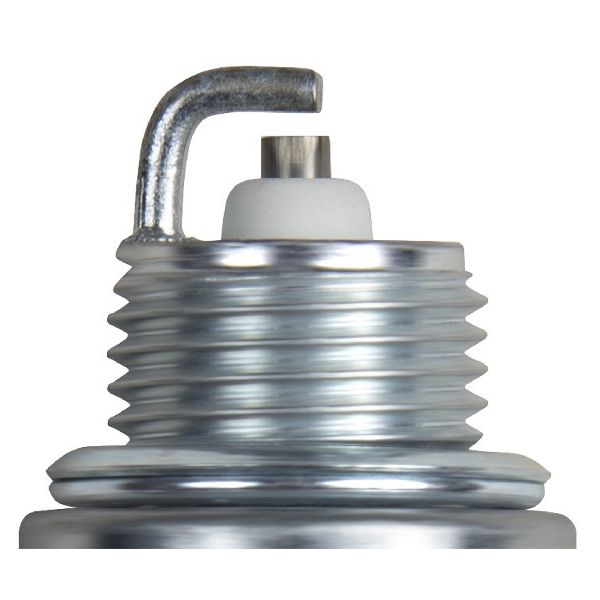
- Always check and set the spark plug gap to 0.035" for a stock ignition system before installation.
- Choose the correct heat range; a hotter plug (like ACDelco R45) is for standard street driving, while a colder plug (R43) is for high-performance use.
Symptoms of Failing Spark Plugs
Worn-out spark plugs can cause noticeable problems in your classic Corvette. Because these cars provide a lot of feedback to the driver, you'll likely feel and hear the issues. Common signs include a rough or shaky idle, engine hesitation or stumbling during acceleration, and a general lack of power. You may also find the engine is harder to start, especially when cold, or that your fuel economy has gotten worse. An engine misfire, which feels like a jerk or stutter, 🎬 Watch this video to help troubleshoot your engine misfire symptoms. is a very common symptom.
Choosing the Right Aftermarket Spark Plug
For a classic car like the 1953-1964 Corvette, choosing a spark plug involves balancing originality with modern technology. Your C1 came with several different engines over its production run—from the early 'Blue Flame' six-cylinder to the legendary 265, 283, and 327 V8s—and the right plug depends on your specific engine and how you drive.
OEM Style vs. Modern Technology
OEM-Style (Original Equipment Manufacturer): For a factory-correct restoration, ACDelco is the original brand. Their conventional copper-core plugs, like the R43 or R45, are excellent choices for maintaining originality and delivering reliable performance. Champion is another period-correct brand that was a common replacement part back in the day and remains a solid, affordable option.
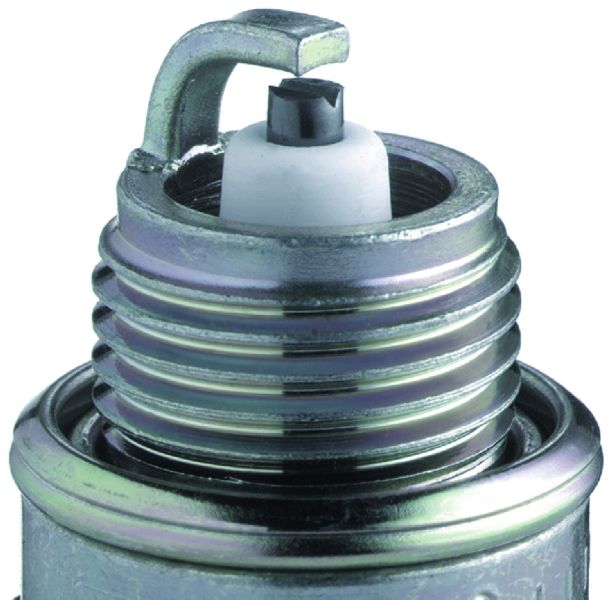
Modern Equivalents: Brands like NGK and Denso offer modern engineering and materials, such as iridium or platinum tips, which can provide a longer service life and a more consistent spark. While not original, many owners choose these for their daily drivers or modified cars for added reliability.
Aftermarket Brand Tiers
| Tier | Brands | Assessment |
|---|---|---|
| Premium / OEM-Style | ACDelco, NGK, Denso | ACDelco is the original choice for a factory restoration. NGK and Denso are top-tier Japanese brands known for exceptional quality and reliability, offering modern options for improved performance. |
| Quality Aftermarket | Champion, Autolite | Both are long-standing, reputable American brands that offer dependable, standard-replacement copper plugs that perform well in these classic engines. |
| Performance | Accel | Accel focuses on high-performance applications and may offer plugs in different heat ranges suitable for modified engines. |
Heat Range is Key
For these V8 engines, ACDelco offered different heat ranges. Plugs like the R43 are 'colder' and were specified for high-performance engines that run hotter. Plugs like the R45 are 'hotter' and are better for standard, street-driven engines as they help burn off carbon deposits from lower-RPM driving. Using the wrong heat range can lead to plug fouling (if too cold) or engine damage (if too hot).
Known Issues, Recalls, or TSBs
There are no active recalls or Technical Service Bulletins (TSBs) from the NHTSA regarding spark plugs for the 1953-1964 Chevrolet Corvette. This is expected for a vehicle of this age. Any widespread issues would have been addressed decades ago. Most 'problems' are related to normal wear, incorrect installation, or using the wrong plug 🎬 Watch: A step-by-step guide to changing classic Corvette spark plugs. for the application.
Frequently Asked Questions (FAQ)
What is the correct spark plug gap for my C1 Corvette?
For a stock engine with a points-style ignition, the recommended spark plug gap is 0.035 inches. If you have upgraded to a high-energy electronic ignition system (like an HEI or MSD), you can often use a wider gap, such as 0.045 inches, but you should consult the ignition manufacturer's recommendation.
How often should I change the spark plugs?
With standard copper-core spark plugs, a good interval for these classic cars is every 10,000 to 15,000 miles or every few years, regardless of mileage. 🎬 See how to replace both spark plugs and ignition wires. The fuels and oils used today are different from the 1960s, and regular inspection helps monitor your engine's health.
Are more expensive iridium or platinum plugs better for my classic Corvette?
Not necessarily. While modern plugs last longer, the ignition systems in stock C1 Corvettes were designed for standard copper plugs. Copper is an excellent conductor and works perfectly with the original coil and distributor. Unless you have a modified, high-output ignition, you will likely see little to no performance benefit from expensive plugs. Sticking with quality copper plugs from ACDelco, Champion, or NGK is a reliable and cost-effective choice.
Do I need a different plug for my 283 vs. my 327 engine?
Often, the same spark plug model (like an ACDelco R45S) will work for the 265, 283, and 327 V8 engines in standard tune. However, high-horsepower versions (like the fuel-injected 'Fuelie' or dual-quad engines) may have originally specified a colder plug (like an R43) to prevent detonation under high load. Always check the recommendation for your specific engine code and horsepower rating.
Helpful Videos
Technical Specifications
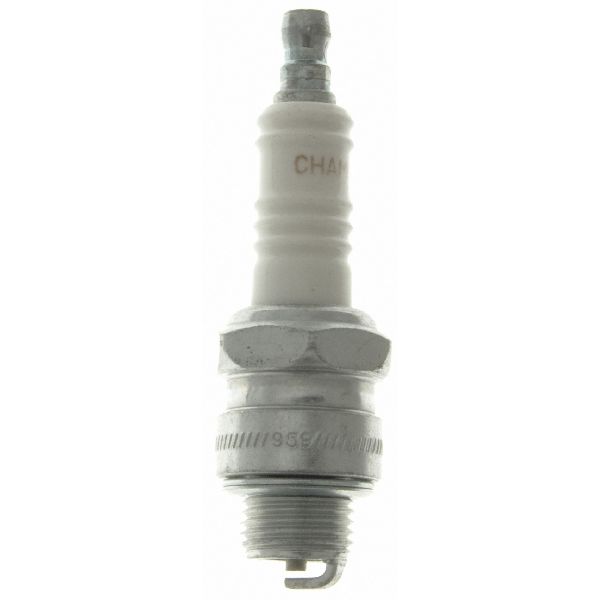
OEM Part Numbers: ACDelco R43 ACDelco R44 ACDelco R45 ACDelco R45S
Thread Size: 14mm, Seat Type: Gasket, Hex Size: 13/16", Stock Gap: 0.035 inches
We Have This Part in Stock


The information in this article is provided for general reference and educational purposes only. Vehicle specifications, procedures, and part compatibility can vary by production date, trim level, and region. Always consult your vehicle's factory service manual and verify part numbers before purchasing or performing repairs. Safety-critical components such as airbags, seat belts, and braking systems should be installed by a qualified professional.