

Suspension Shock Absorber Guide for 1954-1958 Ford Custom
Bring back the smooth, controlled ride your classic Ford was designed to have.
- New OEM shocks are unavailable; aftermarket is the only option for new parts.
- Choose your brand based on desired ride: Monroe for comfort, KYB for firmer handling.
- Always replace shocks in pairs (front or rear), but replacing all four is best for a classic car.
- Avoid Lakewood shocks unless you are building a dedicated drag racing vehicle.
Is Your Classic Ford's Ride Bouncy or Unstable?
Worn-out shock absorbers are a common issue on classic cars like the 1954-1958 Ford Custom. Over time, the internal seals wear out and the hydraulic fluid loses its ability to control suspension movement. This leads to a ride that is not only uncomfortable but also unsafe. Common symptoms include excessive bouncing after hitting a bump, the front of the car "diving" forward when you brake, and a general feeling of instability, especially at higher speeds.
Signs Your Shocks Need Replacing
- Bouncy, Floating Ride: The car continues to bounce up and down long after hitting a bump.
- Nose-Diving: The front end dips excessively when you apply the brakes.
- Body Roll: The car leans heavily to the side when you go around a corner.
- Fluid Leaks: Oily fluid is visible on the outside of the shock absorber body.
- Unusual Tire Wear: You may see patchy or cupped wear patterns on your tires.
- Clunking Noises: Worn shock mounting bushings can cause a clunking sound over bumps.
Choosing the Right Aftermarket Shocks
For a vehicle from the 1950s, new Original Equipment Manufacturer (OEM) shocks from Ford are no longer produced. The entire market consists of aftermarket parts, which is good news for owners as there are many quality options available. Your choice will depend on your budget and how you want your Custom to ride and handle.
A Note on Shock Technology: Your Ford was originally designed with oil-only hydraulic shocks. Most modern replacements are gas-charged, which can make the ride slightly firmer and may even raise the ride height by a small amount. This is a common and accepted characteristic when updating a classic car's suspension.
Brand Tiers for Your Ford Custom
Here’s an honest breakdown of the available brands to help you choose:
- Economy (FCS Struts): FCS is known as a budget-friendly brand. These shocks are a viable option if you need to get the car back on the road for a minimal cost. However, reviews are mixed, with some users reporting a shorter lifespan and less consistent quality compared to more established brands. They are a functional replacement but may not offer the best long-term performance.
- Standard Replacement (Monroe): Monroe is one of the most recognized names in shocks and is considered a reliable, standard replacement. Their shocks are typically designed to restore the car's original ride comfort. For a classic Ford Custom owner looking for a smooth, comfortable ride similar to how the car felt when new, Monroe is a solid and dependable choice.
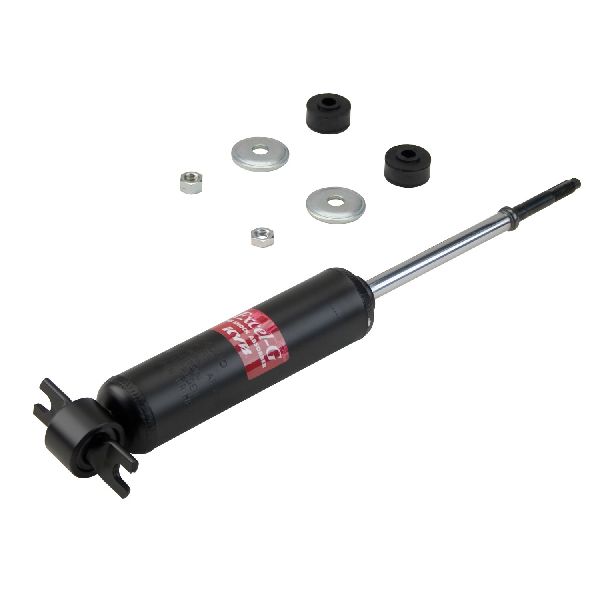
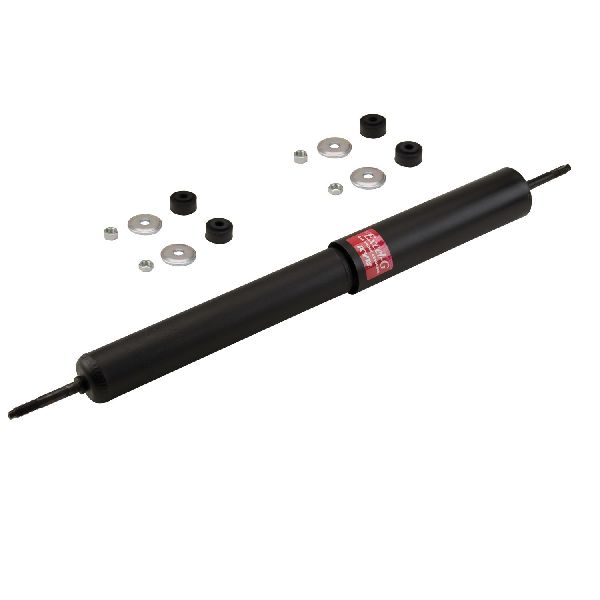
- Performance Upgrade (KYB): KYB shocks are generally considered a step up in performance from standard replacements. They are known for providing a firmer, more controlled ride than Monroe. If you want to improve your Custom's handling, reduce body roll, and feel more connected to the road, KYB is an excellent option. The ride will be stiffer, which many drivers prefer for better handling.
- Specialty / Racing (Lakewood): Lakewood shocks are designed primarily for drag racing and high-performance applications. They often feature specific valving (like 50/50 or 90/10) to control weight transfer during a hard launch. While excellent for their intended purpose, they provide a very firm, often harsh ride on the street and are not recommended for a daily driven or restored classic car.
| Item | Estimated Cost (Per Shock) |
|---|---|
| New Aftermarket Shock (Economy) | $26.55 - $35.00 |
| New Aftermarket Shock (Standard/Performance) | $35.00 - $57.15 |
| Shop Labor (Per Pair) | $100 - $200 |
Frequently Asked Questions
Should I replace all four shocks at the same time?
Yes, it is highly recommended. At the very least, you must replace shocks in pairs on the same axle (both fronts or both rears). Replacing only one shock on an axle will create an imbalance in handling and stability. For a car of this age, replacing all four at once will provide the most consistent and safest ride.
Is replacing the shocks a DIY job?
For most people with basic hand tools, yes. The shock absorber design on a 1950s Ford is very simple. They are typically held in place by two bolts, one at the top and one at the bottom. After safely raising and supporting the vehicle, the old shocks can be unbolted and the new ones installed. No spring compressor is needed for this job.
Were there any recalls for my Ford Custom's shocks?
No specific recalls or Technical Service Bulletins (TSBs) for conventional shock absorbers are on record with the NHTSA for the 1954-1958 Ford Custom. This is not unusual for a vehicle of this era. Note that some 1958 Fords had an optional, and very troublesome, 'Ford-Aire' air suspension system, which is completely different from the standard shocks and springs.
How do I know which shock fits my car?
Fitment is determined by your vehicle's year, make, and model. Aftermarket manufacturers provide catalogs that cross-reference their part numbers to the 1954-1958 Ford Custom. Always verify the part is listed for your specific vehicle before purchasing.
Technical Specifications
Vehicle utilizes four individual, tube-style (telescopic) shock absorbers. Front suspension uses coil springs and rear suspension uses leaf springs. Fitment is specific to year and model.
We Have This Part in Stock


The information in this article is provided for general reference and educational purposes only. Vehicle specifications, procedures, and part compatibility can vary by production date, trim level, and region. Always consult your vehicle's factory service manual and verify part numbers before purchasing or performing repairs. Safety-critical components such as airbags, seat belts, and braking systems should be installed by a qualified professional.