

Choosing the Right Spark Plugs for Your 1954-1960 GMC Truck
Get your classic GMC engine running smoothly with the correct new aftermarket spark plugs.
- Stick with standard copper-core spark plugs from brands like Autolite or Denso; they are best for the original ignition system.
- Correctly gapping your new plugs to your engine's specification (usually .030"-.035") is the most important step for good performance.
- Symptoms like a rough idle or misfire can also point to other worn ignition parts like points, condenser, or wires.
- This is a simple, inexpensive, and highly recommended DIY maintenance job for any owner.
Signs of Failing Spark Plugs
The simple points-and-condenser ignition system in your classic GMC truck is reliable, but spark plugs are a wear item that need regular replacement. When they start to fail, your truck will let you know. You might notice one or more of these symptoms:
- Hard Starting: The engine cranks but takes a long time to fire up, or doesn't start at all.
- Rough Idle: The engine shakes or runs unevenly when stopped at a light or idling in the driveway.
- Engine Misfires: You may feel a stumble or hesitation from the engine, especially when accelerating. This is from a cylinder failing to fire properly.
- Reduced Power: Your truck may feel sluggish and have trouble getting up to speed.
- Worse Fuel Economy: An incomplete burn of the fuel and air mixture means you'll be stopping for gas more often.
Check the Whole System
On these vintage trucks, symptoms like a misfire or rough idle can also be caused by other worn ignition parts. Before replacing the plugs, it's wise to also inspect the distributor cap, rotor, points, condenser, and spark plug wires, as these parts often wear out together.
Choosing the Right Aftermarket Spark Plug
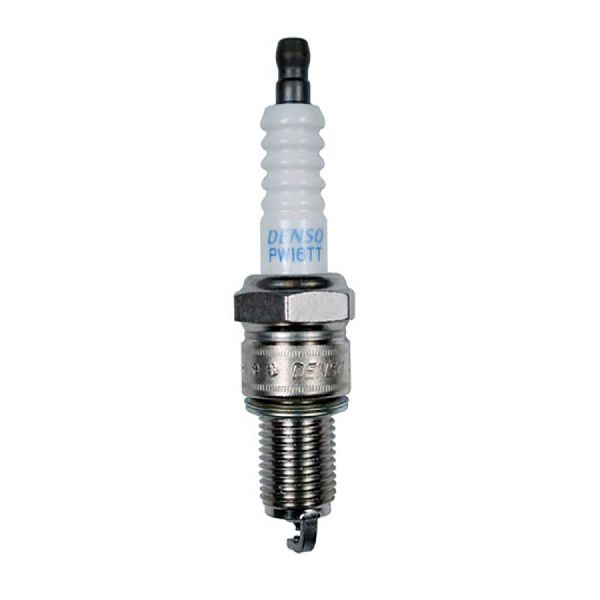
For a 1954-1960 GMC truck, you don't need fancy, expensive spark plugs. The original ignition system was designed for basic, reliable copper-core plugs. Modern precious-metal plugs like Iridium or Platinum are designed for high-energy electronic ignition systems and won't provide a noticeable benefit—and may even perform worse—in your truck's original engine.
Brand Tiers & Recommendations
Your choice will come down to standard copper plugs from a few well-known brands. The original plugs were often from AC, the parent company of ACDelco.
- Autolite (Copper Core): Autolite is a long-established American brand that makes reliable, affordable copper plugs that are a great fit for these engines. They are a solid, go-to choice for a standard replacement.
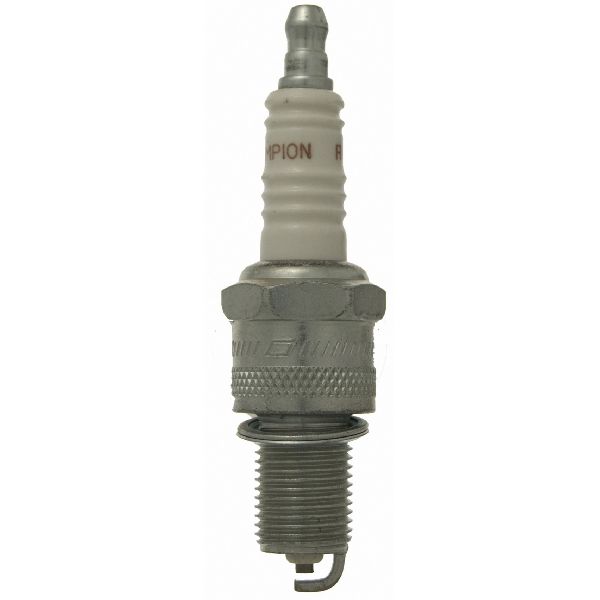
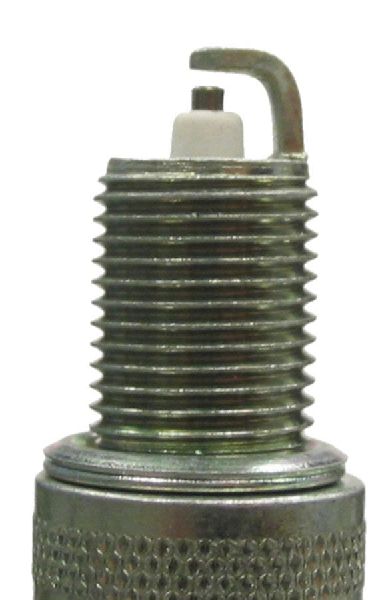
- Champion (Copper Plus): Champion was a very common brand when these trucks were new. However, modern quality can be inconsistent according to many classic vehicle owners, with some reporting bad plugs right out of the box. They can work well, but inspect them carefully before installation.
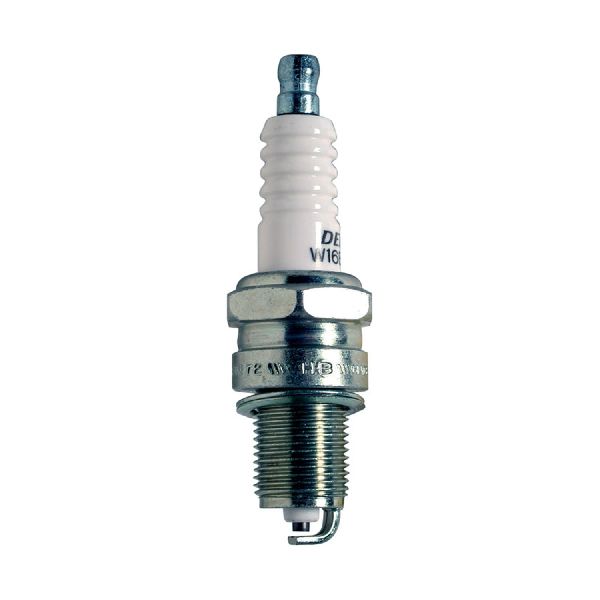
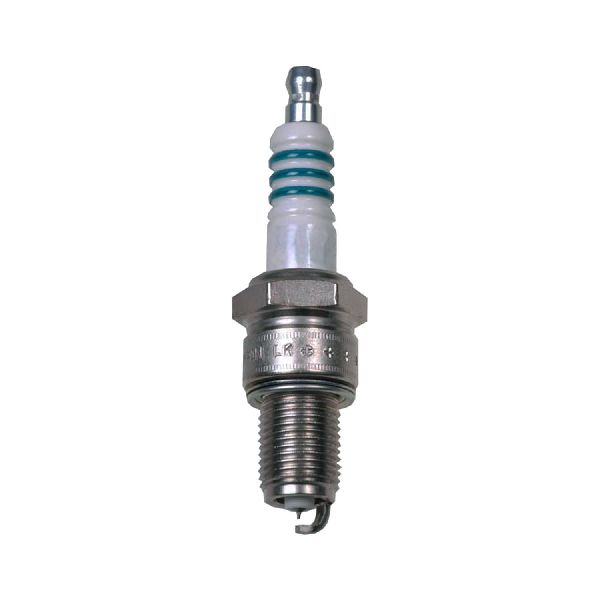
- Denso (Standard U-Groove): While known for their high-tech Iridium plugs, Denso also makes excellent standard copper plugs. Their U-Groove ground electrode is a patented design that can help create a better spark. These are a high-quality modern alternative to the classic brands.
The Importance of the Spark Plug Gap
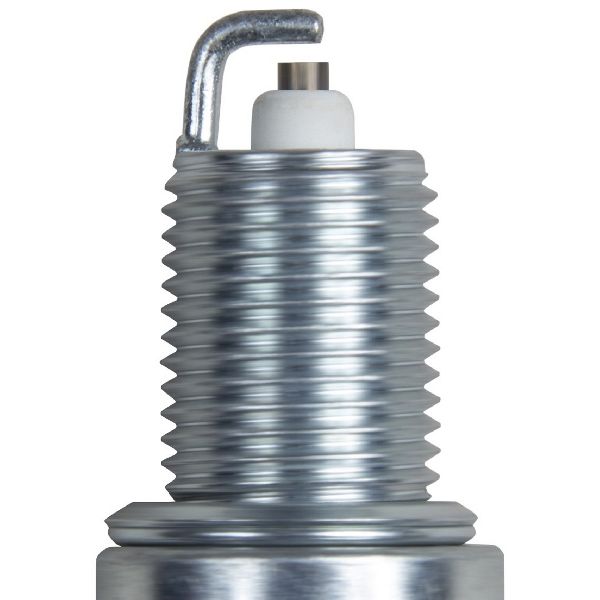
The most critical step when installing new plugs is setting the gap correctly. The "gap" is the tiny space between the center and ground electrodes. For the stock inline-6 and V8 engines in these trucks, the recommended spark plug gap is typically between 0.030" and 0.035". Always check the specification for your specific engine and use a gapping tool to set each plug before you install it. Do not assume they are correct out of the box.
Aftermarket Spark Plug Cost for 1954-1960 GMC Truck
| Plug Type | Price Range (per plug) | Notes |
|---|---|---|
| Standard Copper (Recommended) | $3.50 - $7.99 | This is the correct type for your truck. Includes brands like Autolite, Champion, and Denso standard plugs. |
| Platinum / Iridium | $8.00 - $16.38 | Not recommended. These plugs offer no performance benefit for the original ignition system and are not worth the extra cost. |
Frequently Asked Questions (FAQ)
Do I need special "hot" or "cold" spark plugs?
For a stock engine in good condition, a standard heat range plug is all you need. "Hotter" or "colder" plugs are for engines that are heavily modified or have specific issues with fouling or pre-ignition. Stick with the standard replacement plug listed for your engine (e.g., an AC Delco R45 or its direct cross-reference).
How often should I change the spark plugs on my classic GMC?
With a points-style ignition and today's fuels, a good interval is every 10,000 to 15,000 miles or every couple of years as part of a regular tune-up. Since they are inexpensive and easy to change, frequent replacement is good preventative maintenance.
Is it okay to use anti-seize on the plug threads?
This is a topic of debate. Some mechanics use a very small amount on the threads to prevent them from getting stuck in the cast-iron cylinder head. However, many modern plug manufacturers apply a coating that serves the same purpose and do not recommend using additional anti-seize. If you do use it, apply only a tiny amount to the threads, avoiding the electrode, and reduce your final tightening torque by about 10-15% to avoid over-tightening.
What tools do I need to change my spark plugs?
The job is simple and requires only basic tools. You will need a ratchet, a spark plug socket (commonly 13/16" for these plugs), an extension, and a spark plug gapping tool. A can of compressed air to clean the area around the old plugs before removing them is also highly recommended.
Technical Specifications
OEM Part Numbers: AC Delco R45 AC Delco 45 AC Delco 44
Thread Size: 14mm, Socket Size: 13/16", Recommended Gap: 0.030" - 0.035" (verify for your specific engine), Recommended Type: Copper Core/Nickel.
We Have This Part in Stock

The information in this article is provided for general reference and educational purposes only. Vehicle specifications, procedures, and part compatibility can vary by production date, trim level, and region. Always consult your vehicle's factory service manual and verify part numbers before purchasing or performing repairs. Safety-critical components such as airbags, seat belts, and braking systems should be installed by a qualified professional.