

A Guide to Replacing the Distributor in Your 1954-1976 Buick Century
Deciding between original-style points and a modern electronic upgrade is the first step to a smoother running engine.
- Upgrading from mechanical points to an electronic ignition conversion kit (like Pertronix) is the most popular and effective choice for reliability and performance.
- For later models (1974-76) with HEI, watch for heat-related stalling, which often points to a failed pickup coil or ignition module.
- After installation, setting the ignition timing with a timing light is mandatory for proper engine performance.
- If upgrading to an electronic system, pair it with a compatible low-resistance coil to get the full benefit and avoid damaging components.
Is Your Buick Century Running Rough? Signs of a Failing Distributor
When a distributor starts to fail, it can cause a wide range of engine problems that make your classic Buick unreliable. Because it controls spark timing, any issue can throw the entire engine out of sync. Watch for these common symptoms:
- Engine Misfires or Stumbles: The engine may jerk or hesitate, especially when you accelerate. This can feel like the engine is tripping over itself.
- Hard Starting or No-Start: Your Century might crank for a long time before starting, or it may not start at all. This can be worse in damp weather.
- Rough Idle: When stopped, the engine may shake or vibrate more than usual, and the RPMs might bounce around.
- Sudden Stalling: The engine may shut off unexpectedly while driving, sometimes after it has warmed up. This is a common sign of a failing electronic pickup coil in later HEI systems.
- Backfiring: A loud pop from the exhaust can occur when unburned fuel ignites in the exhaust system due to incorrect timing.
Choosing the Right Aftermarket Distributor: Points vs. Electronic
For the 1954-1976 Century, you have two main paths: sticking with a traditional points-style distributor or upgrading to a modern electronic ignition. The choice depends on your goals for originality, performance, and maintenance.
Option 1: Mechanical Points Distributor
This is the original system for most vehicles in this year range. It uses a set of mechanical contact points to trigger the spark.
- Pros: Original factory technology, simple mechanical design.
- Cons: Requires regular maintenance. The points wear down and need to be adjusted or replaced every 20,000-30,000 miles to maintain performance.
Option 2: Electronic Ignition Upgrade
This is the most popular choice for classic car owners who drive their vehicles regularly. There are two ways to get an electronic ignition:
- Conversion Kit: Brands like Pertronix offer kits that replace the points and condenser inside your original distributor with a magnetic pickup. This gives you the reliability of an electronic system while keeping the stock look.
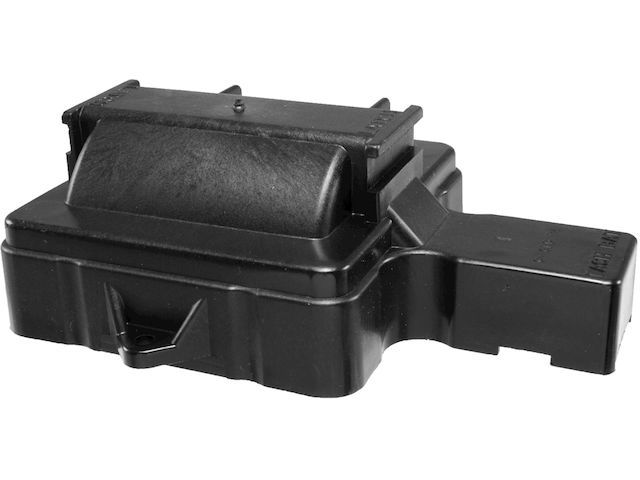
- Complete Electronic Distributor: You can replace the entire distributor with a modern unit, such as a GM HEI-style distributor or a performance model from brands like MSD. HEI distributors have the ignition coil built into the cap, simplifying wiring.
- Pros: Extremely reliable, maintenance-free, provides a stronger and more consistent spark, which can improve starting, smooth out the idle, and enhance throttle response.
- Cons: Not factory-original, may require a matching high-energy coil for best performance.
Pro Tip: Points-to-Electronic Conversion
For most owners, a Pertronix Ignitor conversion kit is the ideal balance of cost, reliability, and ease of installation. It eliminates the biggest headache of classic car ownership—adjusting points—and provides a noticeable improvement in drivability. While it can be installed with the distributor in the car, most find it easier to do on a workbench.
Aftermarket Distributor Brand Quality Tiers
When shopping for a new distributor or conversion kit, you'll find several brands available. Here’s how they generally stack up based on owner feedback and reputation.
Standard & Conversion Tier
- Pertronix: The go-to brand for electronic conversion kits. Highly regarded for reliability and performance benefits like smoother idle and starting. Their complete distributors are also a solid choice.
- ACDelco: As the original equipment manufacturer for GM, their parts are a benchmark for quality. However, be aware that some of their aftermarket lines may be reboxed parts from other manufacturers.
Performance Tier
- MSD: A top choice for high-performance applications. They offer everything from easy-to-install "Ready-to-Run" distributors with built-in modules to Pro-Billet models that require an external ignition box for racing.
- Edelbrock: Another well-known performance brand offering quality distributors, often as part of a matched engine component system.
Economy Tier
- Cardone: Offers both new and remanufactured distributors, often at a lower price point. Owner reviews are mixed; while some have had no issues, others report problems with quality control on other parts from the brand. It can be a budget-friendly option, but may carry more risk than premium brands.
Known Issues: Distributor Corrosion (TSB 03-06-04-041)
While this Technical Service Bulletin applies to slightly later GM models, the issue is relevant to HEI distributors. Clogged ventilation screens in the distributor base can trap moisture, leading to internal corrosion. This causes a white residue on the cap and green spots on the rotor, which can lead to misfires (DTC P0300). When replacing your distributor, ensure the new unit has clear, updated vent screens.
Cost of a New Aftermarket Distributor for a 1954-1976 Buick Century
| Part Type | Estimated Cost |
|---|---|
| New Aftermarket Distributor (Complete Unit) | $27.96 - $198.12 |
| Electronic Conversion Kit (e.g., Pertronix) | $75 - $150 |
| Shop Labor for Installation | $100 - $250 |
Frequently Asked Questions (FAQ)
Do I need to replace my ignition coil with the distributor?
If you are upgrading to an electronic ignition like an HEI or a Pertronix Ignitor II/III system, it is highly recommended to also install a matching low-resistance (under 1.0 ohm) coil. A stock points-style coil is not designed for the higher energy output and can overheat or cause poor performance.
What is the difference between a points distributor and an HEI distributor?
A points distributor uses mechanical contacts that open and close to fire the coil. An HEI (High Energy Ignition) distributor is electronic and uses a magnetic pickup and built-in ignition module to fire the coil. HEI systems produce a much higher voltage spark, are more reliable, and require no regular maintenance.
Can I replace the distributor myself?
Yes, this is a DIY-feasible job for someone with mechanical experience. The process involves marking the position of the old distributor and rotor, swapping the unit, and then setting the ignition timing with a timing light. Getting the timing wrong can cause poor performance or engine damage, so follow instructions carefully.
What is a vacuum advance and why is it important?
The vacuum advance is a canister on the side of the distributor that adjusts ignition timing based on engine load. It uses engine vacuum to rotate the plate inside the distributor, advancing the timing for better fuel economy during cruising. A failed vacuum advance diaphragm can cause hesitation and poor gas mileage.
Technical Specifications
The primary specification is the ignition type: either a mechanical points-style distributor (common in pre-1974 models) or an electronic HEI (High Energy Ignition) distributor (common in 1974-1976 models). Ensure the drive gear is correct for your specific Buick engine (e.g., 350 vs. 455 V8s can have different gear tooth counts).
We Have This Part in Stock

The information in this article is provided for general reference and educational purposes only. Vehicle specifications, procedures, and part compatibility can vary by production date, trim level, and region. Always consult your vehicle's factory service manual and verify part numbers before purchasing or performing repairs. Safety-critical components such as airbags, seat belts, and braking systems should be installed by a qualified professional.
- 🛍️ Shop This Part
- Is Your Buick Century Running Rough? Signs of a Failing Distributor
- Choosing the Right Aftermarket Distributor: Points vs. Electronic
- Option 1: Mechanical Points Distributor
- Option 2: Electronic Ignition Upgrade
- Pro Tip: Points-to-Electronic Conversion
- Aftermarket Distributor Brand Quality Tiers
- Standard & Conversion Tier
- Performance Tier
- Economy Tier
- Known Issues: Distributor Corrosion (TSB 03-06-04-041)
- Cost of a New Aftermarket Distributor for a 1954-1976 Buick Century
- Frequently Asked Questions (FAQ)
- 🎟️ Get 5% Off