

A/C System Valve Core and Cap Kit for the 1954-2005 Buick Century
Leaking A/C service ports can slowly drain your refrigerant; here's how to choose the right replacement kit for your Century.
- You must verify if your Century uses R12 (pre-1994) or R134a (1994+) refrigerant and buy a compatible kit.
- Replacement is not a DIY job for most people because it requires specialized equipment to legally and safely evacuate and recharge the A/C system.
- A leaking valve core is a common cause of poor A/C performance; symptoms include warm air, hissing, or oily residue at the ports.
- Aftermarket brands like Four Seasons and Global Parts are cost-effective and reliable choices for this repair.
Understanding the A/C Valve Core and Cap Kit in Your Buick Century
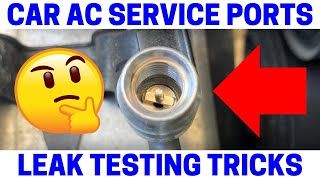
The A/C valve cores are the access points to your Century's air conditioning system. Over time, the rubber seals on these small valves can degrade, causing refrigerant to leak out. This is often a slow leak that goes unnoticed until your A/C stops blowing cold air. The service port caps are not just for decoration; they provide a vital secondary seal that keeps refrigerant in and contaminants out. If you notice oily residue around the A/C service ports 🎬 Watch how to test your service port valves for leaks., it's a strong sign that a valve core or cap seal is failing.
Crucial: Refrigerant Type Matters
The single most important factor when choosing a kit is your vehicle's refrigerant type. Buick Century models, like most cars, transitioned from R12 to R134a refrigerant. This change happened around the 1994 model year. Vehicles made before 1994 likely use R12, while those made after use R134a. The valve cores and their seals are specific to the refrigerant type. Using an R12-compatible valve in an R134a system (or vice-versa) will lead to leaks. Always check the sticker under your hood to confirm which refrigerant your Century uses before purchasing a kit.
Choosing the Right Aftermarket Kit
For a part like an A/C valve core and cap kit, aftermarket options provide excellent value. Original equipment (OEM) parts for older Century models may be difficult to find or unnecessarily expensive. Aftermarket brands produce kits that meet or exceed original specifications, as long as you select the correct one for your refrigerant type.
Brand Options: Standard Replacement
The brands available, Four Seasons and Global Parts (GPD), are well-known in the aftermarket A/C parts industry. Both are considered reliable standard replacement options for components like valve cores.
- Four Seasons: A widely recognized brand in the A/C aftermarket. User reviews are mixed on more complex components like compressors, but for simple service parts like valve kits, they are generally considered a dependable and cost-effective choice.
- Global Parts (GPD): Another major supplier of aftermarket A/C components. Like Four Seasons, they offer a practical and affordable solution for replacing service port valves and caps.
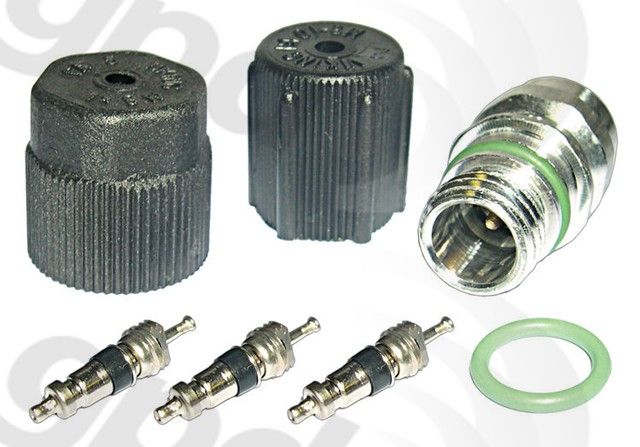
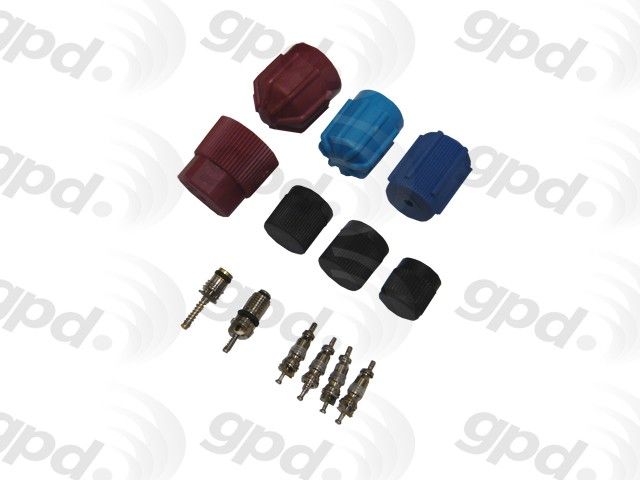
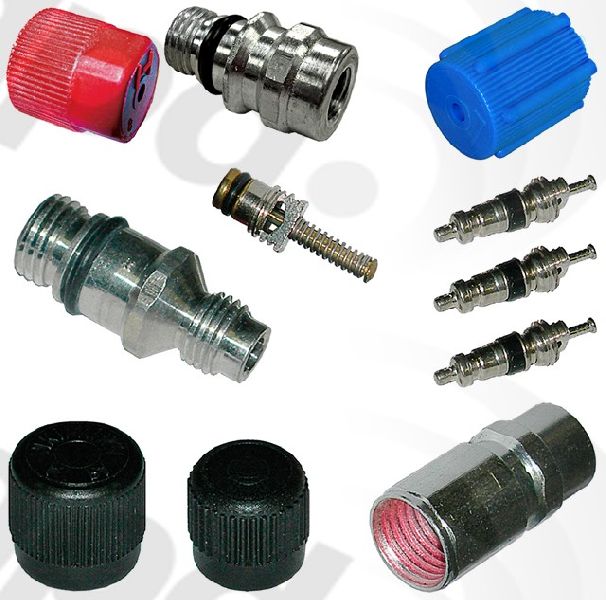
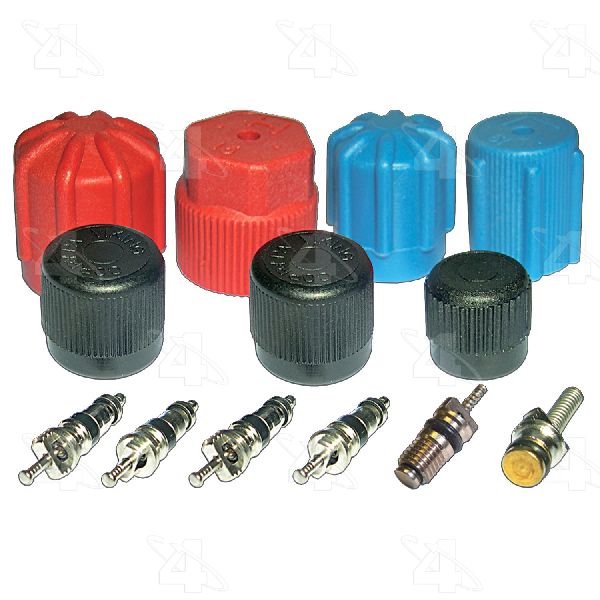
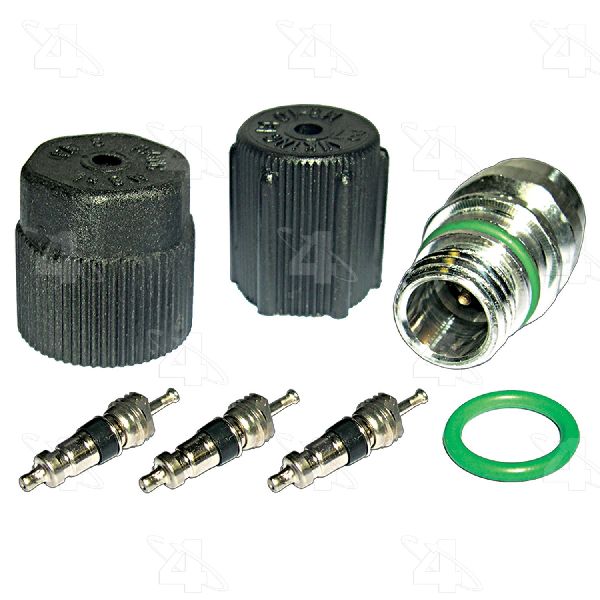
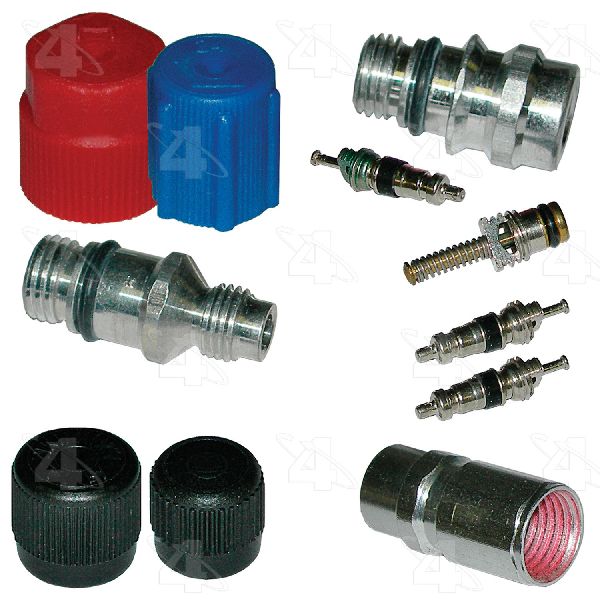
Pro Tip: Many kits come with an assortment of valve cores and caps. Match the old valve core to the new one in the kit to ensure you are using the correct replacement for your specific port.
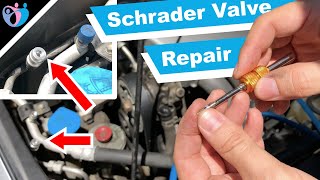
🎬 See how to replace a service port valve on your car.Cost of Replacing A/C Valve Cores on a Buick Century
| Part/Service | Estimated Cost |
|---|---|
| New Aftermarket Kit | $8 - $48 |
| Shop Labor (Evacuate & Recharge) | $150 - $300 |
| Total Professional Replacement | $158 - $348 |
Note: Costs are estimates and can vary based on your location and the specific service shop. The primary cost is the labor for A/C service, not the part itself.
Frequently Asked Questions
Do I have to empty the A/C system to replace a valve core?
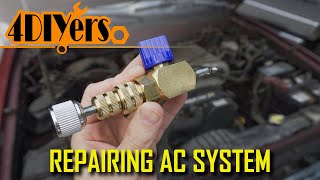
Yes. Legally and safely, the refrigerant must be recovered by a certified technician with proper equipment before the old valve core is removed. Opening the system while it's pressurized will release refrigerant into the atmosphere, which is harmful to the environment and can cause severe frostbite. While special tools exist to replace cores without a full evacuation, the safest and most common professional practice is to recover the refrigerant first.
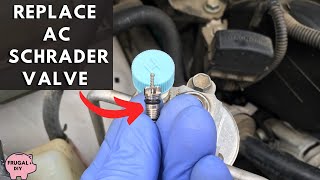
🎬 Learn more about the process of replacing an AC Schrader valve.Can I just replace the cap to stop a leak?
While a new cap with a good seal can sometimes slow or temporarily stop a very minor leak, it is not the correct fix. The valve core itself is the primary seal, and if it has failed, it must be replaced. The cap is a secondary seal and a dust cover.
Are there any recalls for this issue on the Buick Century?
A search of the National Highway Traffic Safety Administration (NHTSA) database did not show any recalls specifically for A/C service port valve cores or caps for the 1954-2005 Buick Century.
What's the difference between the high-side and low-side ports?
The A/C system has two service ports for diagnostics and charging. The low-side port is on the larger diameter A/C line, and the high-side port is on the smaller line. They have different sized fittings to prevent accidental cross-connection. Your kit should include valves and caps for both.
Helpful Videos
Technical Specifications
Kit must be compatible with the vehicle's specific refrigerant type (R12 or R134a). R134a systems require valve cores with HNBR (Hydrogenated Nitrile Butadiene Rubber) seals.
We Have This Part in Stock

The information in this article is provided for general reference and educational purposes only. Vehicle specifications, procedures, and part compatibility can vary by production date, trim level, and region. Always consult your vehicle's factory service manual and verify part numbers before purchasing or performing repairs. Safety-critical components such as airbags, seat belts, and braking systems should be installed by a qualified professional.
- 🎬 Helpful Videos
- 🛍️ Shop This Part
- Understanding the A/C Valve Core and Cap Kit in Your Buick Century
- Crucial: Refrigerant Type Matters
- Choosing the Right Aftermarket Kit
- Brand Options: Standard Replacement
- Cost of Replacing A/C Valve Cores on a Buick Century
- Frequently Asked Questions
- 🎟️ Get 5% Off