

Engine Mount Guide for the 1955-1960 Chevrolet Bel Air
Deciding between a stock rubber feel and performance polyurethane is the first step to securing your Bel Air's engine.
- For a stock ride, choose rubber mounts; for performance-modified cars, choose polyurethane but expect more vibration.
- Budget aftermarket brands like Anchor, DEA, and Westar have a reputation for a short lifespan and potential fitment issues.
- Replacing all mounts at once is the recommended practice, as they wear at a similar rate.
- For cars with engine swaps or more power, converting to a modern side-mount system is a common and recommended upgrade for strength.
Symptoms of a Failing Engine Mount
The engine mounts on a classic car like the Bel Air are subject to wear from age, heat, and engine fluids. The rubber can dry out, crack, or become soaked with oil and turn soft. When a mount fails, the symptoms are usually obvious.
- Excessive Vibration: This is the most common sign. You'll feel a rough idle or shaking through the floor and steering wheel that wasn't there before.
- Clunking or Banging Noises: Loud clunks when you accelerate, decelerate, or put the car in gear often mean the engine is moving and hitting other parts. This indicates a severe failure.
- Visible Engine Movement: Have a helper put the car in gear with the brakes on and lightly press the gas. If you see the engine lift or rock more than an inch or two, your mounts are worn. The left side mount is often the first to fail due to engine torque.
- Exhaust Dragging: On these cars, failure of the rear bellhousing mounts can cause the back of the engine and transmission to sag, making the exhaust system hang low enough to scrape on speed bumps.
A Note on Historical Recalls
In 1971, GM issued a massive recall for 6.7 million vehicles from 1965-1970 due to engine mount failures that could cause the engine to lift and pull the throttle wide open. While your 1955-1960 Bel Air is not part of this specific recall, it highlights the potential danger of a completely failed mount from this era. A broken mount should be replaced immediately.
Choosing the Right Aftermarket Mount
For a 1955-1960 Bel Air, you have two main paths: standard rubber mounts for a stock feel or performance polyurethane mounts for modified cars. Original OEM parts are now considered New Old Stock (NOS) and are very difficult to find.
Tier 1: Performance (Polyurethane)
Brands: Energy Suspension, Whiteline, Lakewood, Quick Time
These mounts use polyurethane, a much stiffer material than rubber. They are ideal for Bel Airs with higher horsepower engines or for drivers who want maximum performance. The stiff material drastically reduces engine movement, ensuring more power gets to the wheels. However, there is a significant trade-off: you will feel much more engine vibration inside the car. These are not recommended if you want a comfortable, quiet ride.
Tier 2: Economy (Standard Rubber)
Brands: Anchor, DEA, Westar, Pioneer Cable
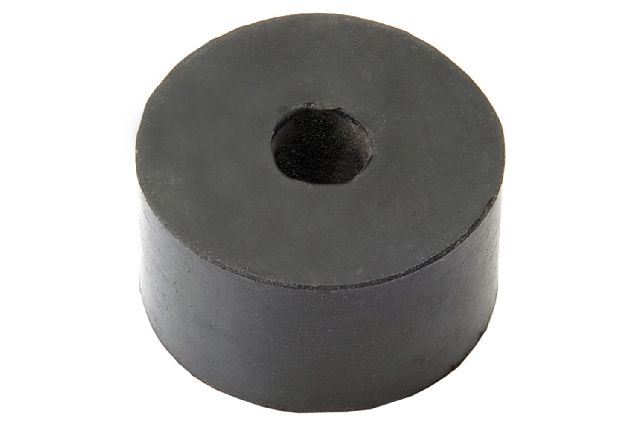
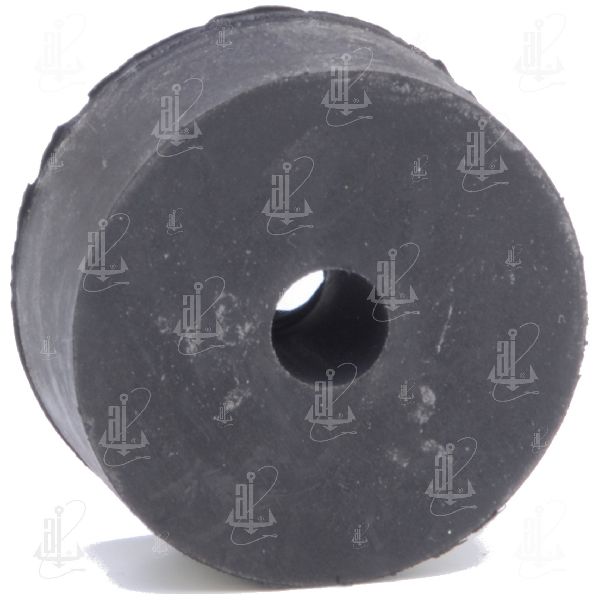
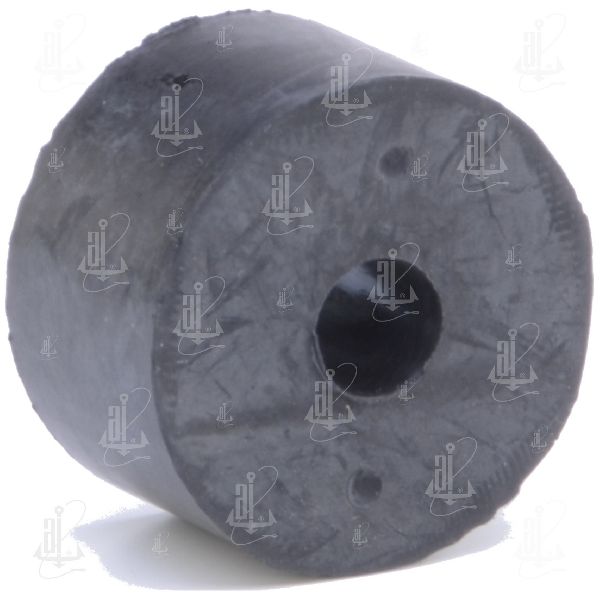
These brands offer direct replacements for the original rubber mounts at a low cost. They aim to restore the original smooth ride. However, be aware that owner experiences with these brands are very mixed. Many classic car owners report that the rubber on these budget-friendly mounts is lower quality than the originals and can fail quickly, sometimes within a year. Fitment can also be an issue, sometimes requiring you to modify the part to get it to line up correctly. While the price is attractive, the longevity may be short.
A Common Fix for Economy Mounts
Because reproduction rubber mounts are known to separate from their metal plates, some owners modify them for longer life. They drill holes through the entire mount and install a bolt with a nut. This physically holds the mount together even if the rubber bond fails, preventing the engine from lifting excessively.
Cost to Replace a Bel Air Engine Mount
| Part Type | Price Range |
|---|---|
| New Aftermarket (Rubber or Poly) | $2.84 - $97.40 |
| New OEM (NOS) | Varies, typically $75+ if found |
| Shop Labor | $150 - $300 |
Frequently Asked Questions
Should I use rubber or polyurethane mounts?
If your Bel Air is stock or you value a smooth, comfortable ride, use rubber mounts. If your car is modified with a high-performance engine and you prioritize performance over comfort, polyurethane is the better choice but expect more vibration.
What are side mounts and do I need them?
Side mounts are a modern design that bolts to the sides of the engine block instead of the front. Many Bel Air owners with upgraded engines and transmissions convert to side mounts because they are stronger and provide better clearance for things like headers and modern accessories. This conversion requires installing new brackets on your car's frame.
Can I replace just one bad mount?
You can, but it's not recommended. Engine mounts wear out at a similar rate. If one has failed, the others are likely weak and will be put under extra stress by the new mount, causing them to fail soon after. It is best to replace them as a set.
Are the cheap aftermarket rubber mounts worth it?
It depends on your expectations. Brands like Anchor, DEA, and Westar are inexpensive, but many users in classic car forums report they do not last long. If you are on a tight budget they will work, but be prepared for the possibility of replacing them again sooner than you'd like.
Technical Specifications
OEM Part Numbers: 3836325 3714358
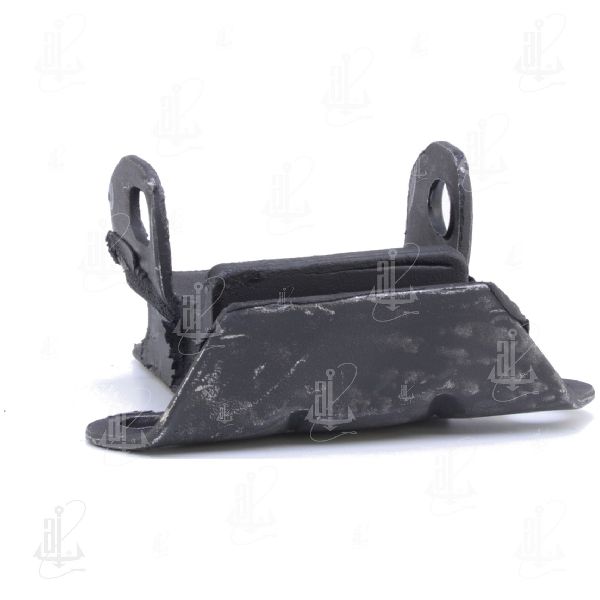
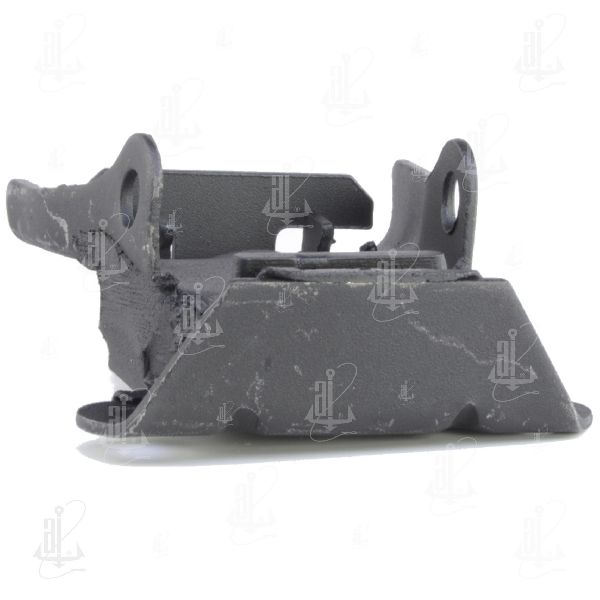
Original mounting system consists of front engine mounts and rear bellhousing mounts. Aftermarket options include stock-style rubber, performance polyurethane, and conversion kits for modern side-style mounts.
We Have This Part in Stock

The information in this article is provided for general reference and educational purposes only. Vehicle specifications, procedures, and part compatibility can vary by production date, trim level, and region. Always consult your vehicle's factory service manual and verify part numbers before purchasing or performing repairs. Safety-critical components such as airbags, seat belts, and braking systems should be installed by a qualified professional.